Bali Wildlife
Every Spices Matter


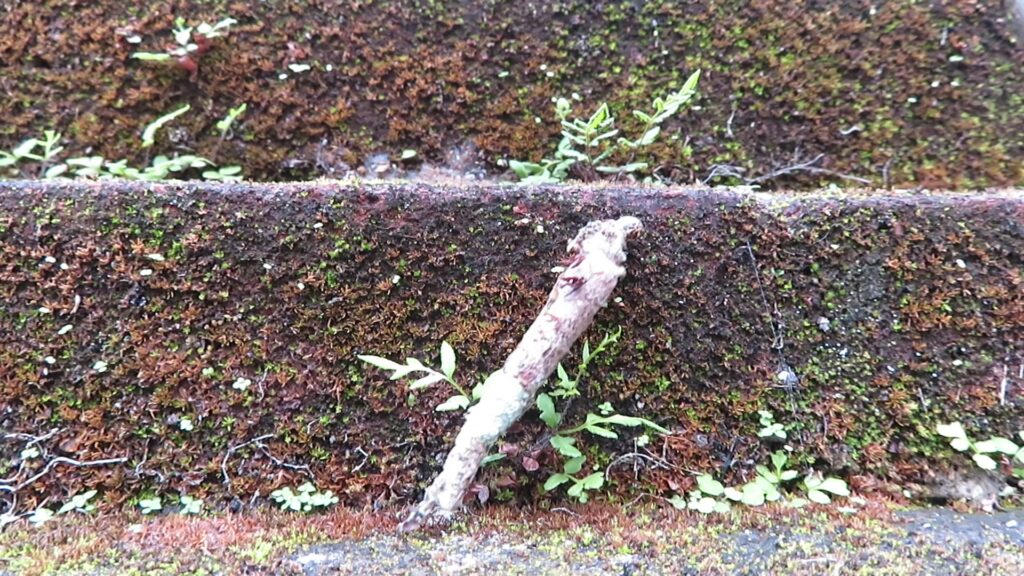
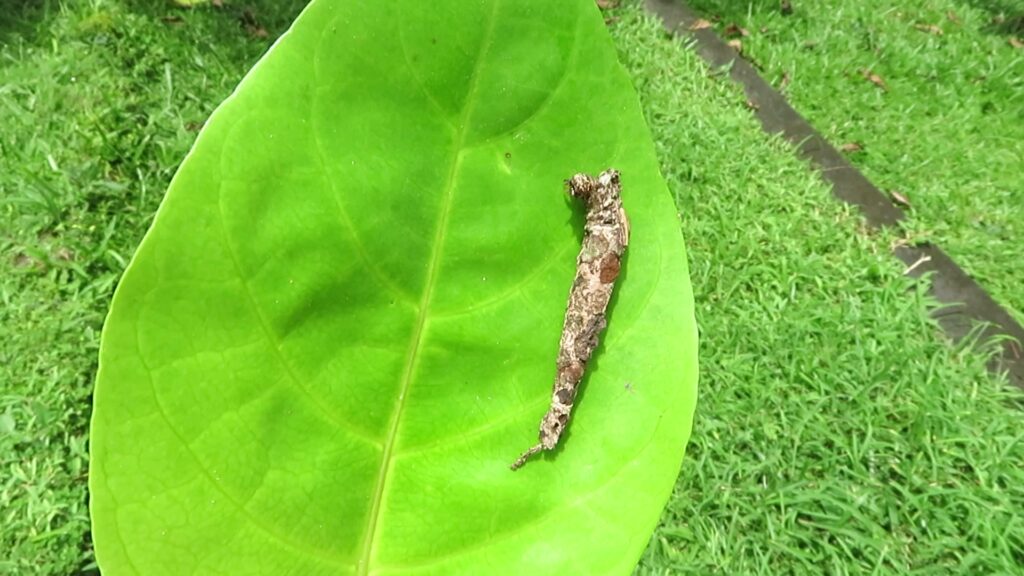
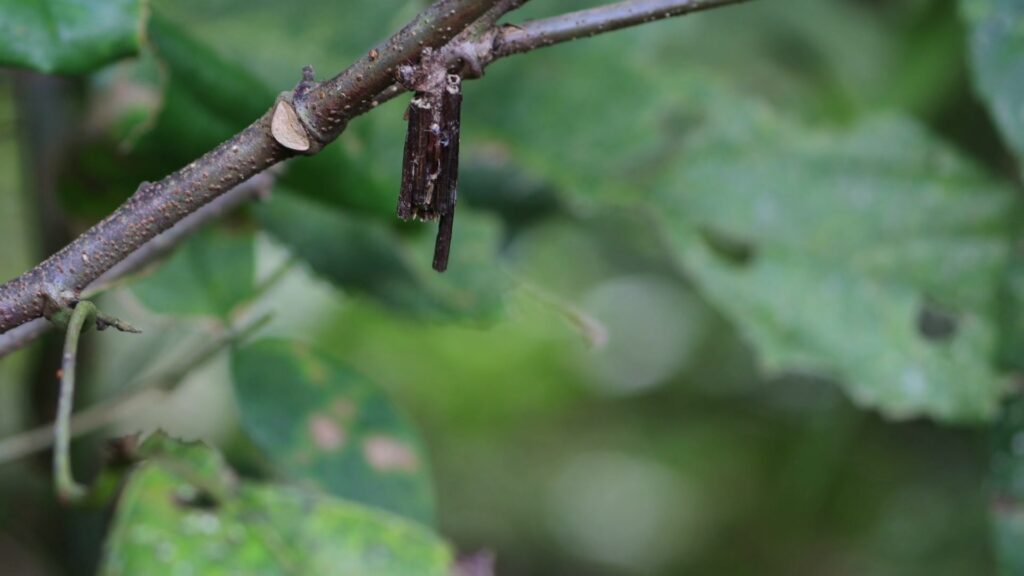
Superfamily Tineoidea is a group of small moths belonging to the order Lepidoptera. Its members are found worldwide and occupy a wide range of habitats, including forests, grasslands, caves, animal nests, and human settlements. The superfamily includes several families of moths, most notably Tineidae, whose members are commonly known as fungus moths or clothes moths. Many tineoid moths are relatively small, with narrow wings, slender bodies, and coloration ranging from pale gray and brown to darker shades with mottled or patterned markings. Their larvae exhibit diverse feeding habits, with many species consuming fungi, decaying organic matter, animal-derived materials, or plant tissues. Some species feed on keratin-containing materials such as wool, feathers, fur, and other natural fibers, allowing them to thrive in bird nests, mammal dens, and human dwellings. Other species play important roles in the decomposition of organic material in natural ecosystems. The larvae generally develop in concealed locations, where they may construct silken cases, tunnels, or protective coverings from surrounding materials. Like other moths, tineoids undergo complete metamorphosis, progressing through egg, larval, pupal, and adult stages. Adult moths vary in their feeding behavior, with some consuming little or no food while others may take up moisture or other resources. Although certain species are considered household or stored-material pests, many others are harmless components of natural ecosystems. Their ecological roles include decomposition, nutrient recycling, and participation in food webs as prey for spiders, birds, bats, and parasitic insects. The superfamily demonstrates considerable diversity in larval specialization and habitat use, reflecting adaptations to different organic resources. Through these varied ecological relationships, Tineoidea represents an important group of moths associated with both natural environments and human-made habitats.