

Pyralid Snout Moths (Family Pyralidae)
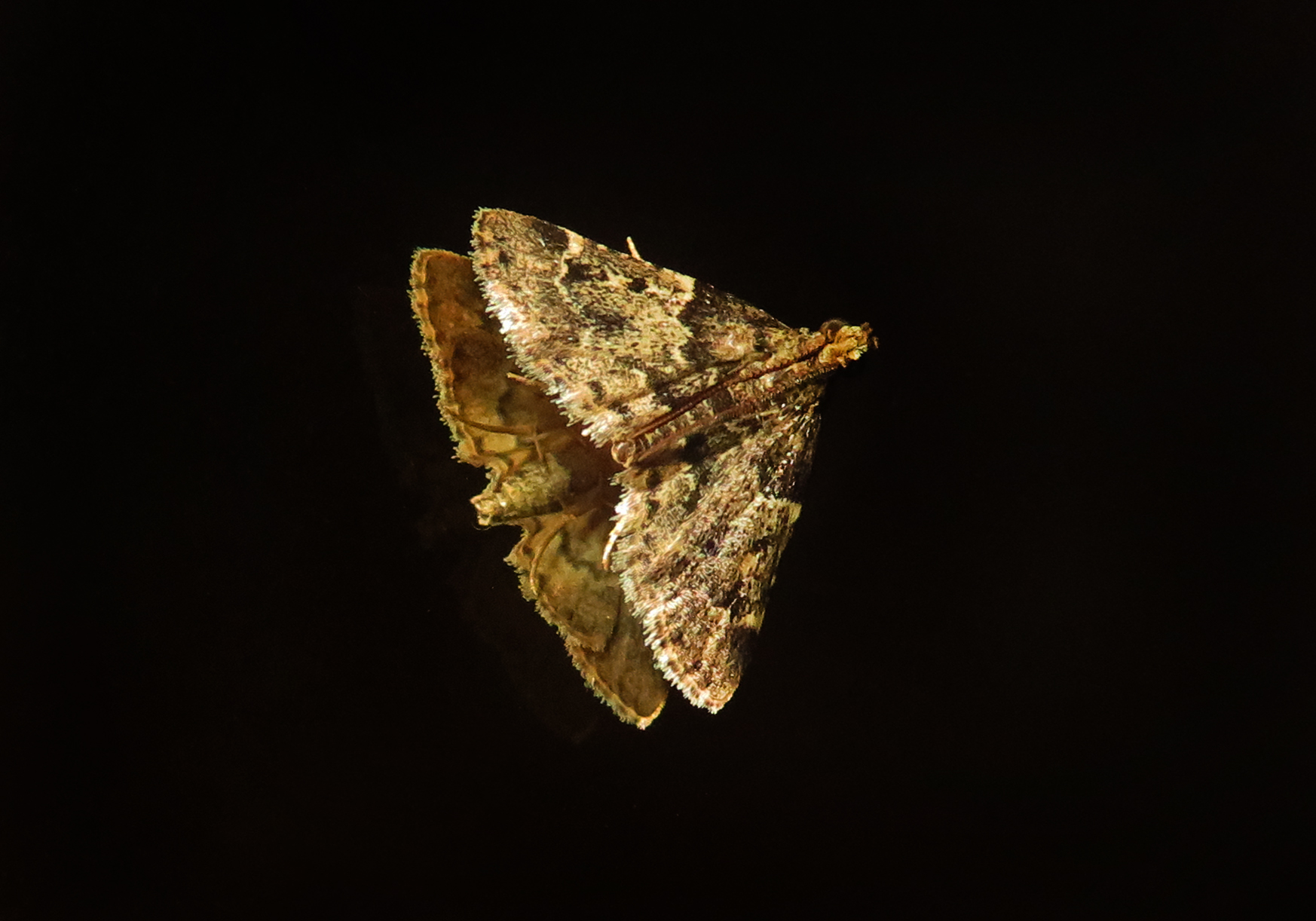
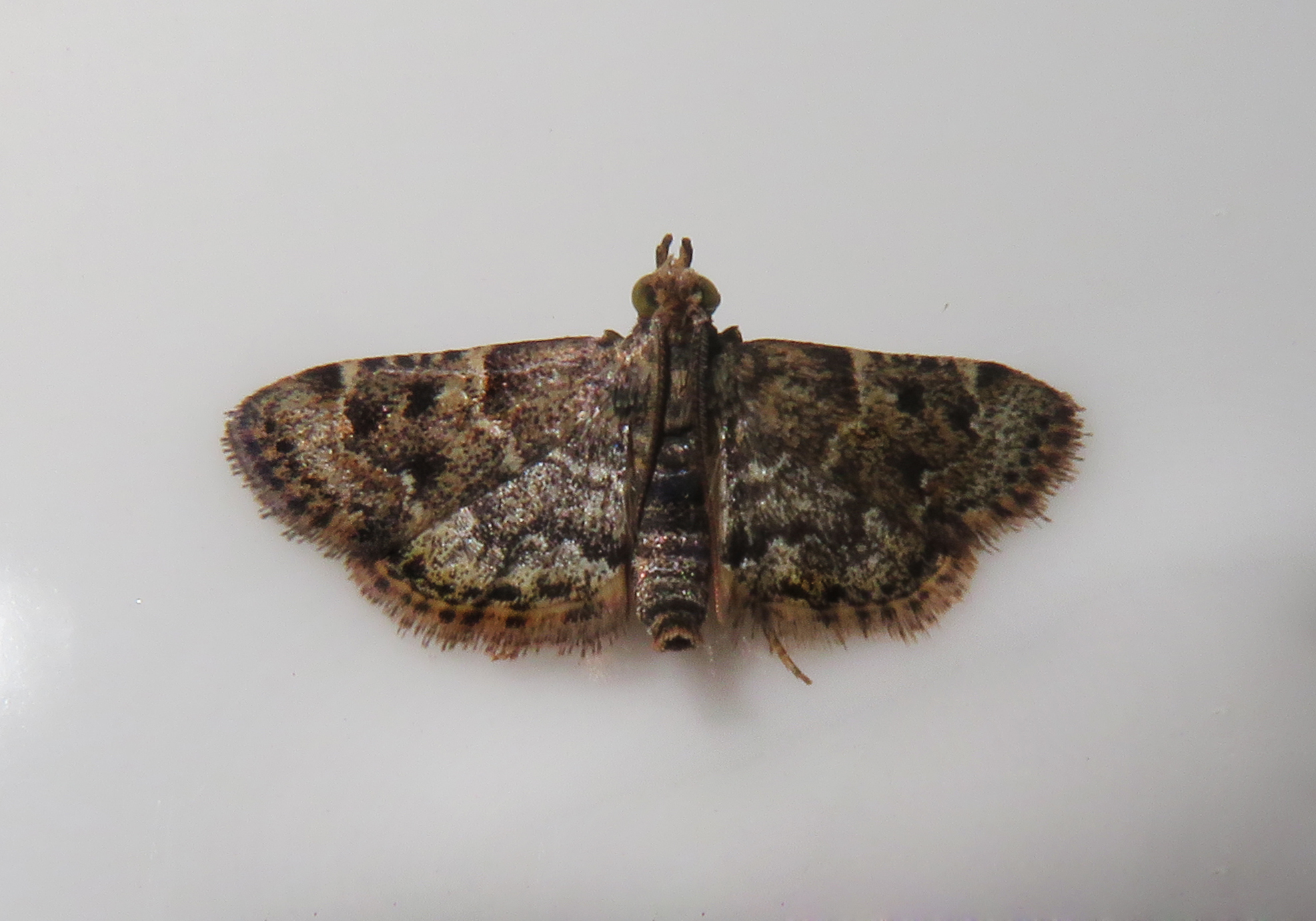
Pyralidae is a large family of moths within the superfamily Pyraloidea (Order Lepidoptera), commonly known as the pyralid moths or snout moths. The family comprises more than 6,000 described species distributed worldwide, with the greatest diversity occurring in tropical and subtropical regions. Members occupy a wide range of habitats, including tropical rainforests, temperate forests, grasslands, wetlands, shrublands, deserts, agricultural landscapes, parks, gardens, and urban environments.
Moths of the family Pyralidae are generally small to medium-sized, with a wingspan ranging from approximately 10–50 mm, although some tropical species are larger. They are readily recognized by their elongated labial palps, which project forward to form a distinctive snout-like appearance. Adults possess slender bodies and narrow to moderately broad wings that are held roof-like over the body when at rest. Wing coloration is highly variable, ranging from shades of brown, gray, cream, white, and reddish-brown to yellow, orange, or purple, often marked with wavy lines, spots, bands, or metallic scales that provide camouflage among bark, leaves, or stored materials.
Adults are predominantly nocturnal and become active after dusk. Most species possess a well-developed coiled proboscis and feed on nectar, tree sap, fermenting fruits, or other sugar-rich plant exudates. Many are strongly attracted to artificial lights, while some species associated with stored products are commonly found inside buildings.
The life cycle involves complete metamorphosis, consisting of egg, larva (caterpillar), pupa, and adult stages. Females lay eggs singly or in clusters on suitable food sources. Caterpillars exhibit remarkable ecological diversity, feeding on living plants, seeds, fruits, flowers, fungi, lichens, detritus, stored grains, dried fruits, nuts, animal products, or even bee and wasp nests, depending on the species. Many larvae construct silken shelters or tunnels while feeding. Pupation usually occurs within a silken cocoon in soil, leaf litter, stored products, or among host material.
The family includes several well-recognized subfamilies, including Pyralinae, Phycitinae, Galleriinae, Epipaschiinae, and Chrysauginae. Representative genera include Pyralis, Cadra, Ephestia, Plodia, Corcyra, Galleria, and Hypsopygia. Some species, such as the Indian meal moth (Plodia interpunctella) and the greater wax moth (Galleria mellonella), are economically important pests of stored products and beehives.
Ecologically, Pyralidae moths play diverse roles in terrestrial ecosystems. Larvae contribute to herbivory, decomposition, nutrient recycling, and the regulation of fungal and detrital communities, while adults serve as nocturnal pollinators of many flowering plants. Both caterpillars and adults provide food for birds, bats, reptiles, amphibians, spiders, predatory insects, and parasitoids. Their wide ecological diversity and sensitivity to environmental conditions make pyralid moths important components of ecosystem functioning and valuable indicators of habitat quality and biodiversity.