

Subtribe Euremina
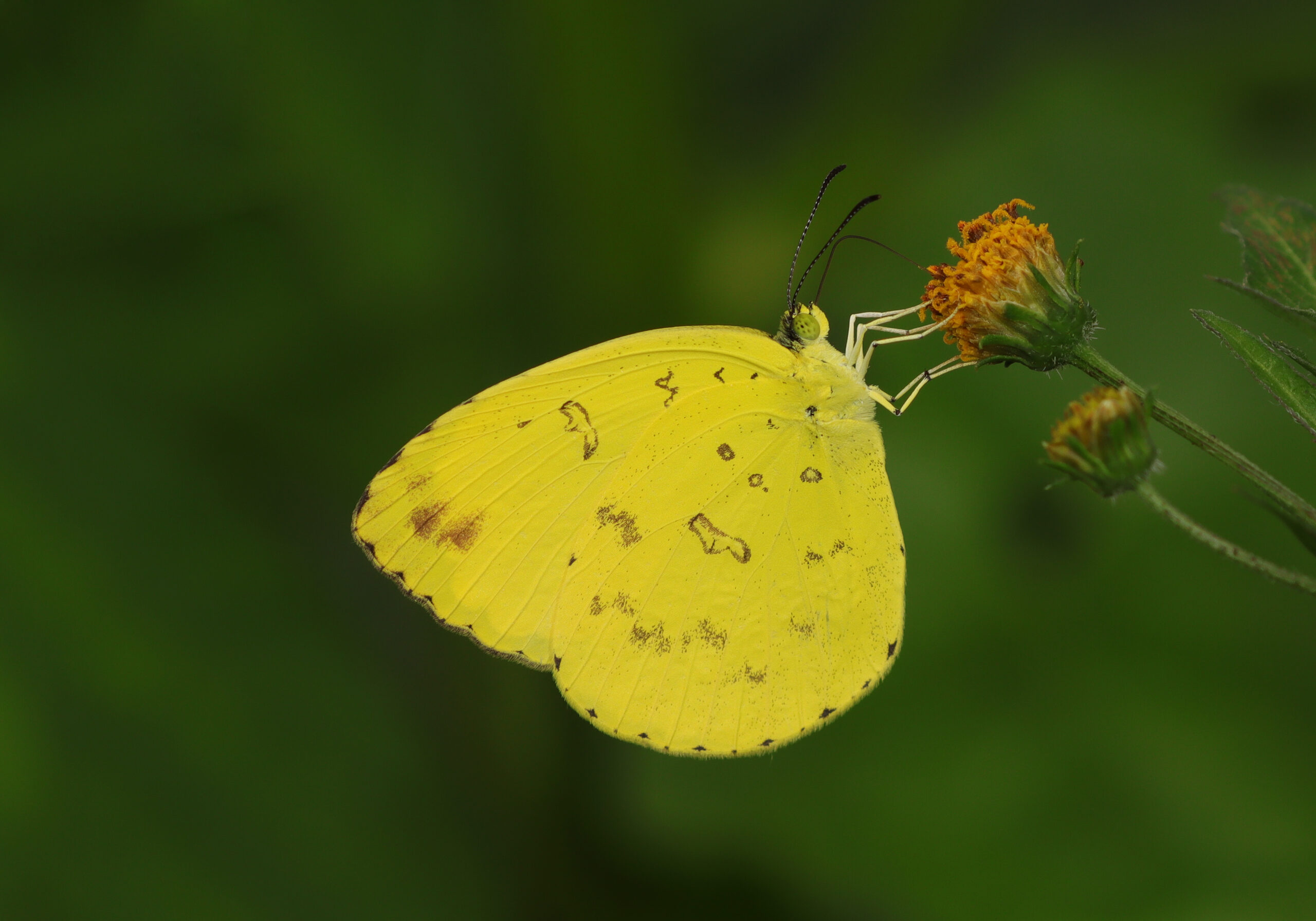
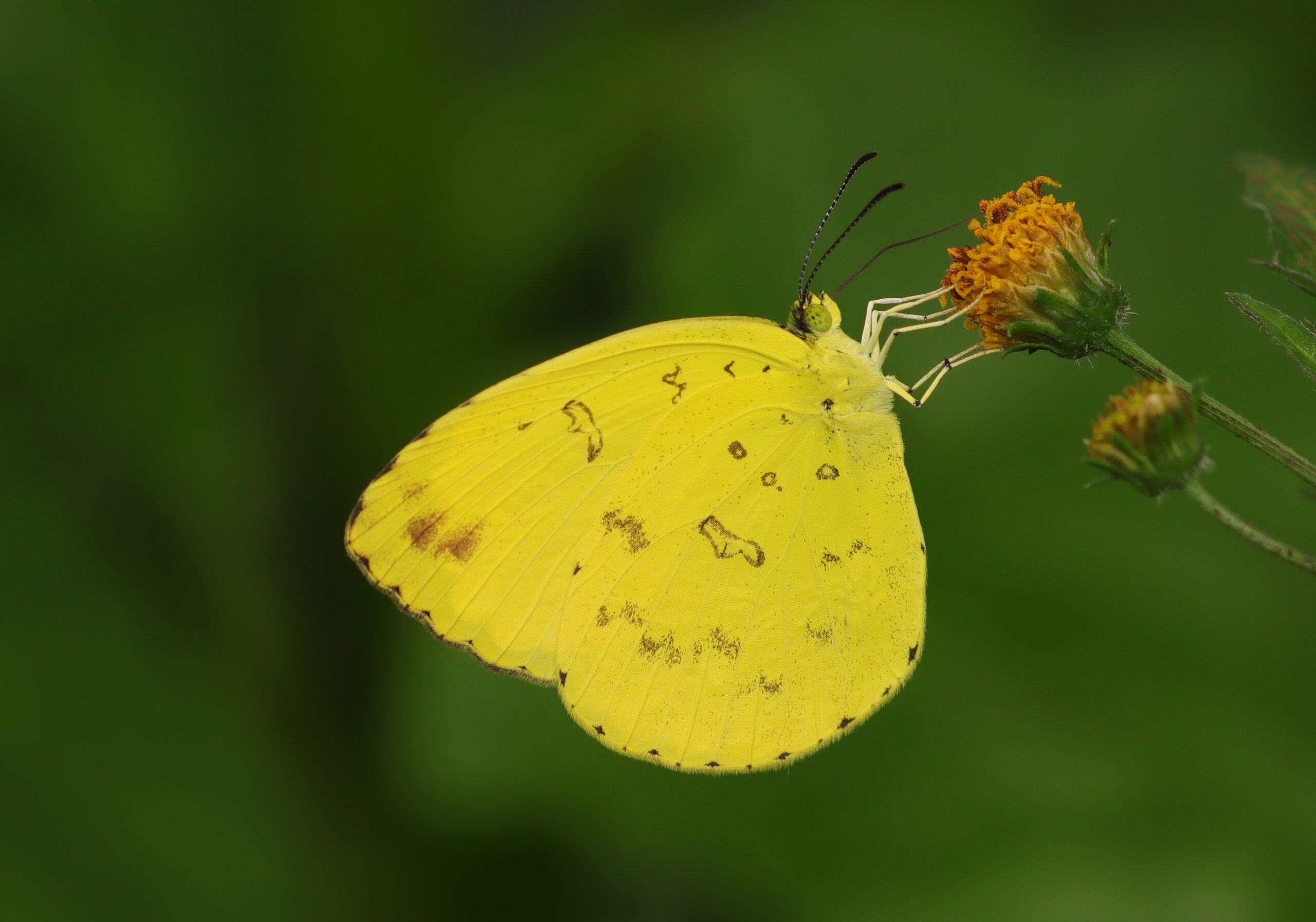
Euremina is a subtribe of butterflies within the tribe Euremini (Subfamily Coliadinae, Family Pieridae, Superfamily Papilionoidea, Order Lepidoptera). Members of this subtribe are widely distributed throughout tropical and subtropical regions of Africa, Asia, Australia, and the Americas, with several species extending into temperate areas. They inhabit a broad range of environments, including tropical rainforests, forest edges, grasslands, scrublands, wetlands, agricultural fields, parks, gardens, and urban green spaces, where suitable larval host plants are readily available.
Butterflies of the subtribe Euremina are generally small and delicately built, with slender bodies and rounded wings. Their wing coloration is predominantly bright yellow, lemon-yellow, golden-yellow, or cream, frequently bordered or marked with black or dark brown along the forewing margins. The undersides of the wings are usually paler and often display fine brown speckles or faint markings that provide effective camouflage among grasses and low vegetation when the wings are closed.
Adults are diurnal and are active, agile fliers that remain close to the ground while moving between flowering plants and patches of vegetation. They feed primarily on nectar using a long, coiled proboscis and are common visitors to wildflowers and cultivated ornamental plants. Males frequently engage in mud-puddling, gathering on damp soil, stream banks, or moist pathways to obtain sodium and other dissolved minerals that enhance reproductive success.
The life cycle involves complete metamorphosis, consisting of egg, larva (caterpillar), pupa (chrysalis), and adult stages. Females typically lay eggs singly on the young leaves or shoots of host plants. Caterpillars are smooth, cylindrical, and green, often with pale longitudinal stripes that provide excellent camouflage among foliage. Most species feed on plants belonging to the family Fabaceae, although some also utilize members of Caesalpiniaceae and closely related legumes. Pupation occurs on stems or leaves, where the chrysalis is secured by a silken girdle and cremaster.
The subtribe includes the widespread genus Eurema, whose members include familiar species such as Eurema hecabe (Common Grass Yellow), Eurema brigitta (Small Grass Yellow), and Eurema blanda (Three-spot Grass Yellow). These butterflies are among the most abundant and recognizable pierids in tropical and subtropical regions due to their adaptability and frequent occurrence in both natural and human-modified habitats.
Ecologically, Euremina butterflies are important pollinators that contribute to the reproduction of numerous flowering plants. Their caterpillars serve as herbivores within grassland and forest ecosystems, while both larvae and adults provide food for birds, reptiles, spiders, predatory insects, and parasitoids. Their widespread distribution, seasonal abundance, and sensitivity to habitat quality make Euremina butterflies valuable indicators of ecosystem health, environmental change, and regional biodiversity.