Bali Wildlife
Every Spices Matter


Junonia is a genus of brush-footed butterflies within the tribe Junoniini (Subfamily Nymphalinae, Family Nymphalidae, Superfamily Papilionoidea, Order Lepidoptera). Commonly known as the pansies or buckeyes, the genus comprises approximately 30 described species distributed throughout tropical, subtropical, and warm temperate regions of Africa, Asia, Australia, Europe, and the Americas. Members inhabit grasslands, forest edges, scrublands, wetlands, agricultural fields, coastal habitats, parks, gardens, and urban green spaces, where they thrive in open, sunny environments.
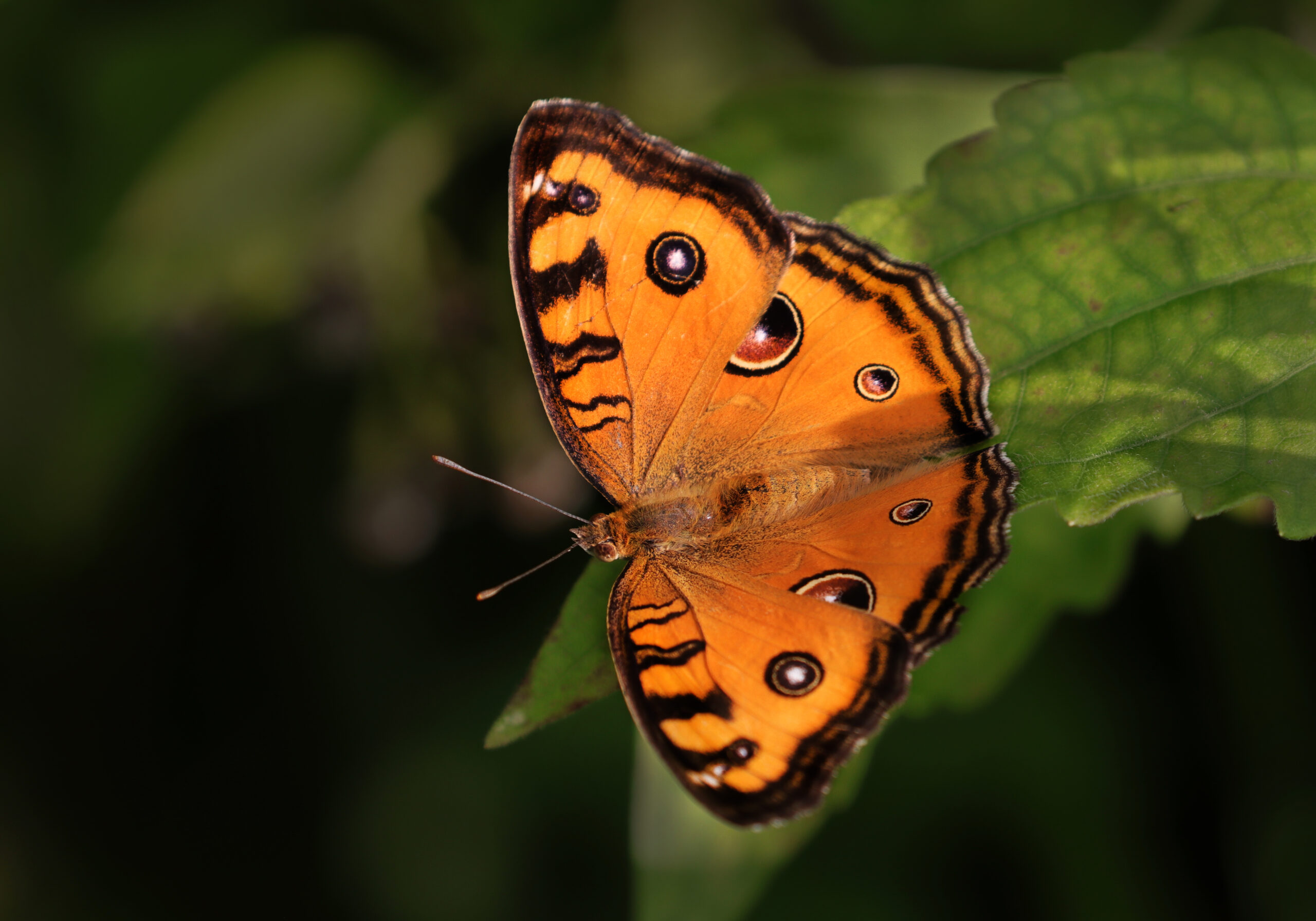
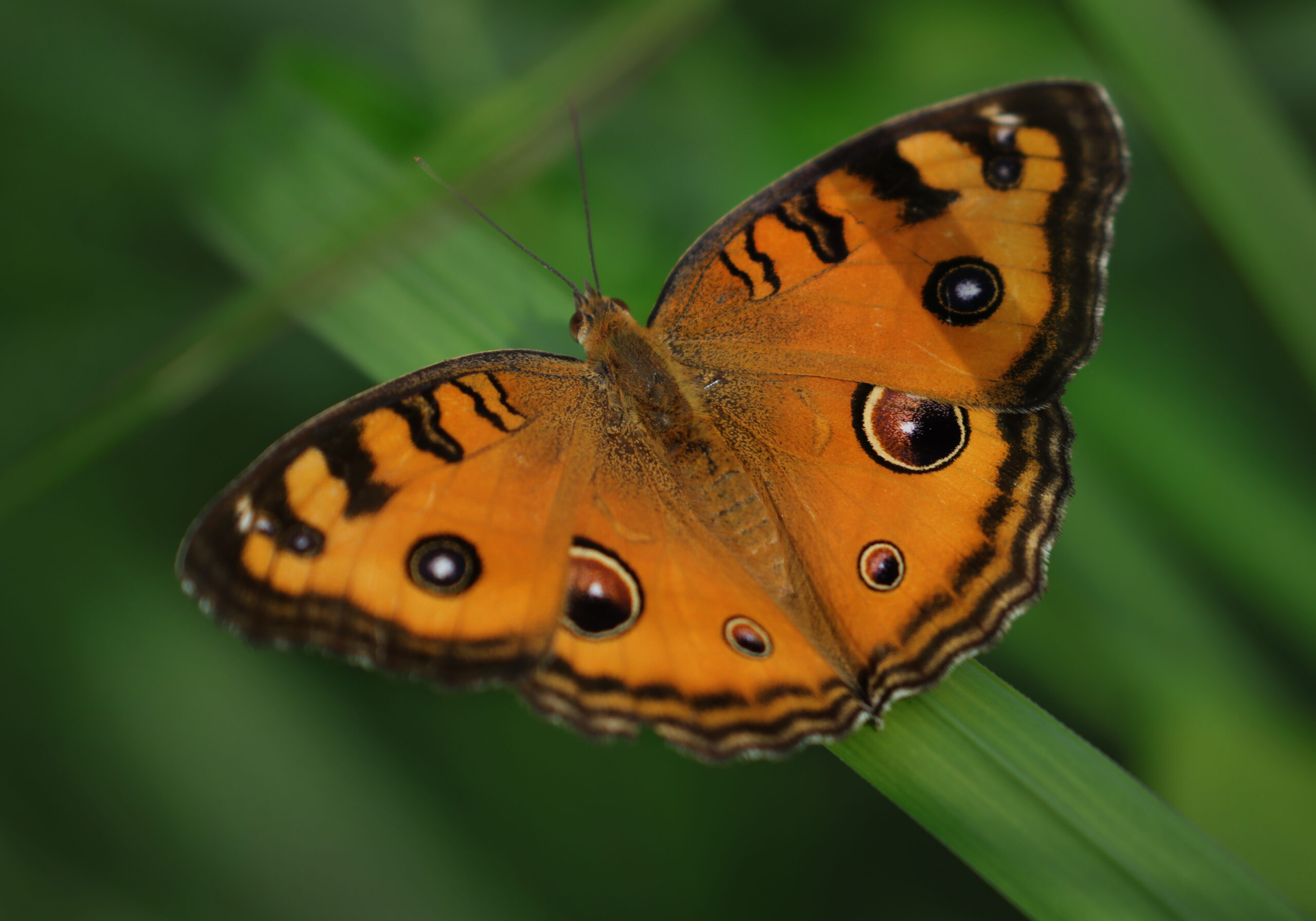
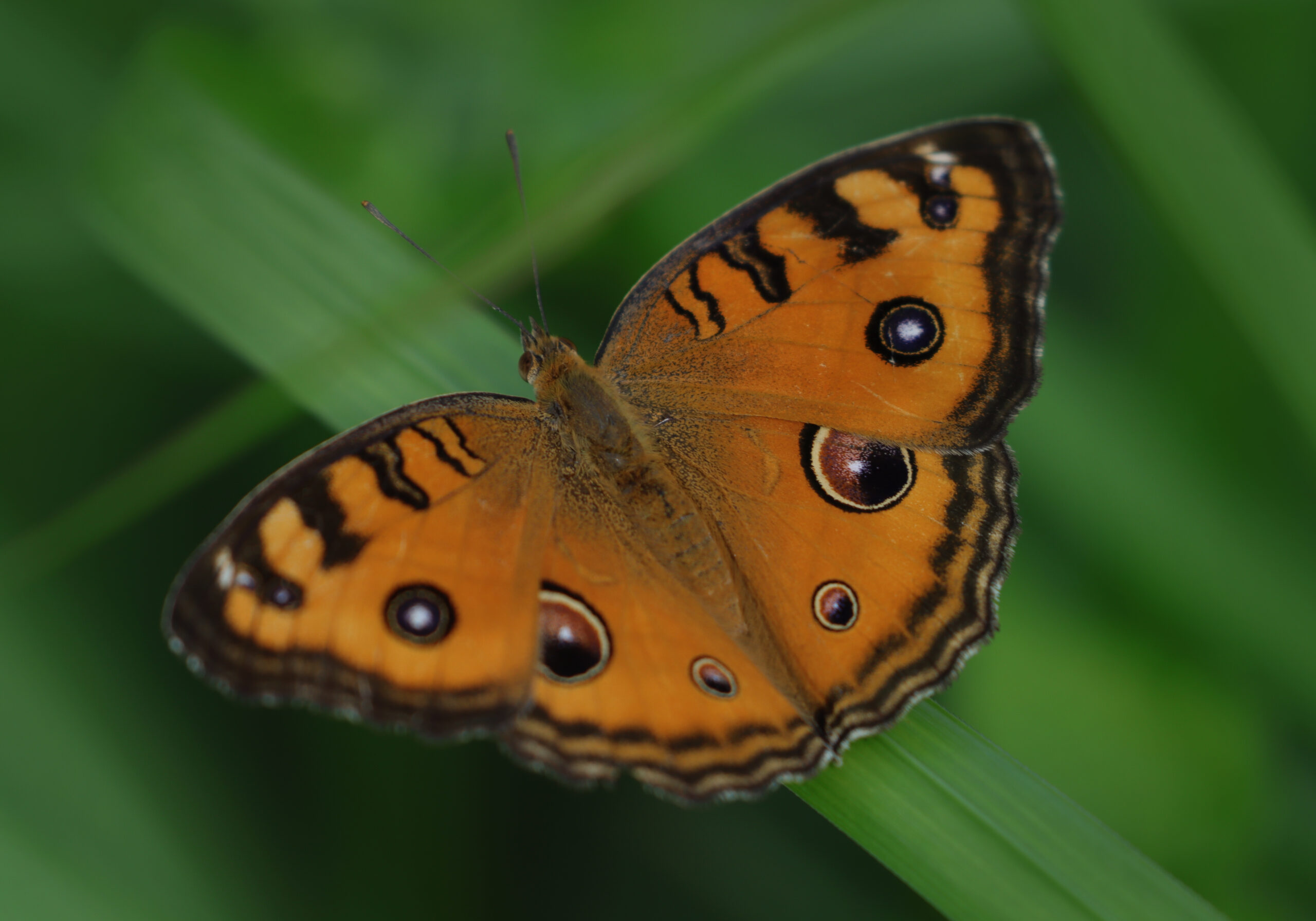
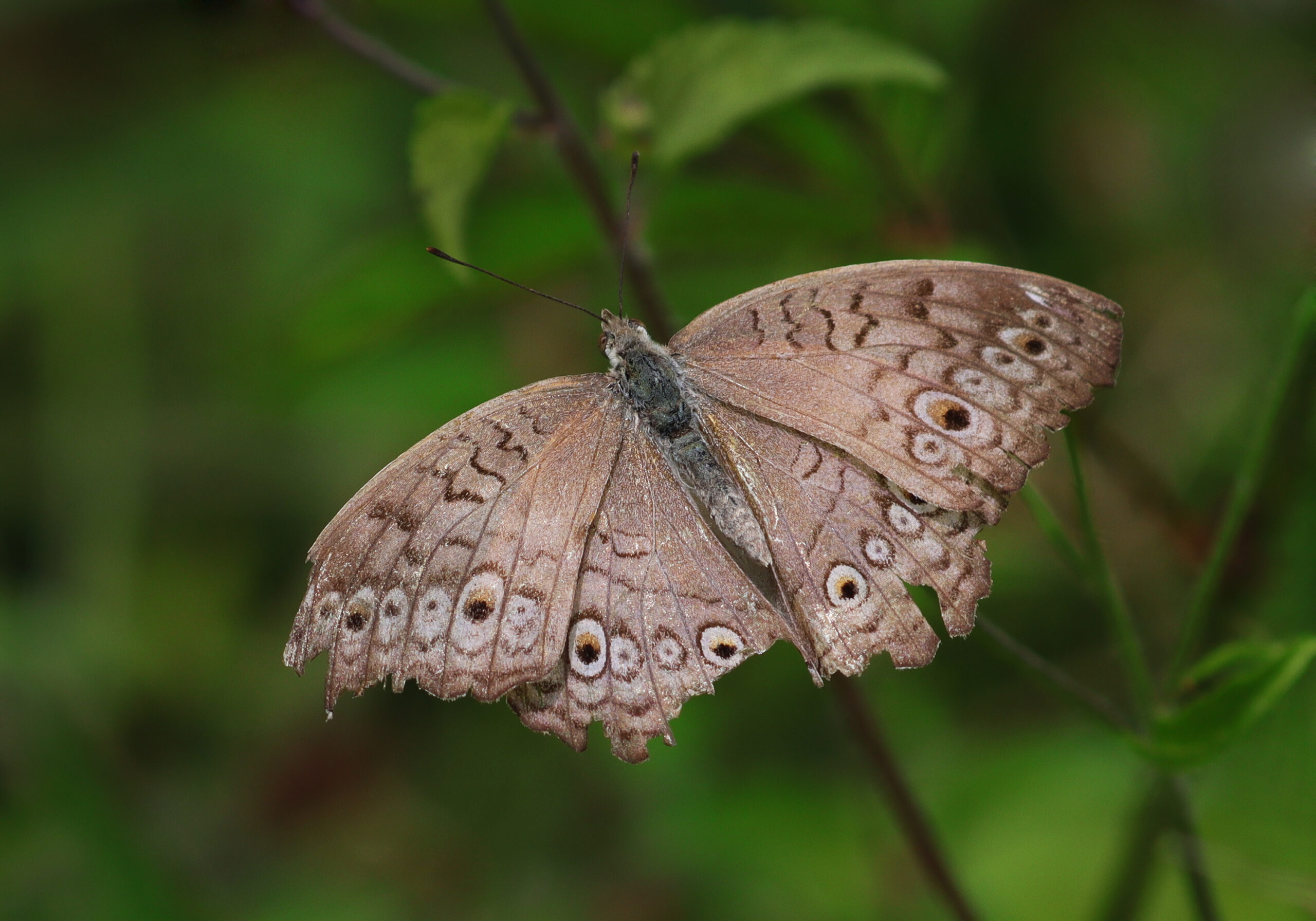
Butterflies of the genus Junonia are generally medium-sized, with a wingspan ranging from 40–70 mm. They possess a robust body and broad, rounded wings that are often decorated with striking eyespots, one of the defining characteristics of the genus. Wing coloration varies among species and may include shades of brown, orange, yellow, blue, gray, purple, black, and white. The eyespots, together with bands and intricate markings, serve as effective defenses against predators by startling them or diverting attacks away from the butterfly’s body. The undersides of the wings are usually cryptically patterned to resemble dead leaves, bark, or dry vegetation.
Adults are diurnal and are active, agile fliers that frequently bask in direct sunlight with their wings spread to regulate body temperature. They feed primarily on nectar from a wide variety of flowering plants using a long, coiled proboscis, but may also obtain nutrients from fermenting fruits, tree sap, animal dung, carrion, and mineral-rich mud. Males are highly territorial and commonly engage in mud-puddling, gathering on damp soil or stream banks to absorb sodium and other minerals that enhance reproductive success.
The life cycle involves complete metamorphosis, consisting of egg, larva (caterpillar), pupa (chrysalis), and adult stages. Females lay eggs singly on the leaves or young shoots of host plants. Caterpillars are cylindrical and bear rows of branched black or dark-colored spines that provide protection against predators. They feed primarily on plants belonging to the families Acanthaceae, Plantaginaceae, and Verbenaceae, although host plant preferences vary among species. Pupation occurs on stems, leaves, or other vegetation, where the angular chrysalis hangs suspended head downward from a silken pad.
The genus includes numerous familiar species, such as Junonia atlites (Grey Pansy), Junonia almana (Peacock Pansy), Junonia lemonias (Lemon Pansy), Junonia orithya (Blue Pansy), Junonia iphita (Chocolate Pansy), and Junonia hierta (Yellow Pansy). Many species exhibit seasonal polyphenism, producing distinctly different wet-season and dry-season forms in response to environmental conditions.
Ecologically, Junonia butterflies are important pollinators that contribute to the reproduction of numerous flowering plants. Their caterpillars participate in plant–herbivore interactions, while both larvae and adults serve as prey for birds, reptiles, spiders, predatory insects, and parasitoids. Their widespread distribution, ecological adaptability, and sensitivity to habitat disturbance make Junonia species valuable indicators of ecosystem health, habitat quality, and biodiversity.