Bali Wildlife
Every Spices Matter


Junoniini is a tribe of brush-footed butterflies within the subfamily Nymphalinae (Family Nymphalidae, Superfamily Papilionoidea, Order Lepidoptera). The tribe comprises approximately 150 described species distributed throughout tropical, subtropical, and temperate regions of Africa, Asia, Australia, Europe, and the Americas. Members inhabit a wide variety of environments, including tropical rainforests, woodland edges, savannas, grasslands, wetlands, scrublands, agricultural fields, coastal habitats, parks, and gardens.
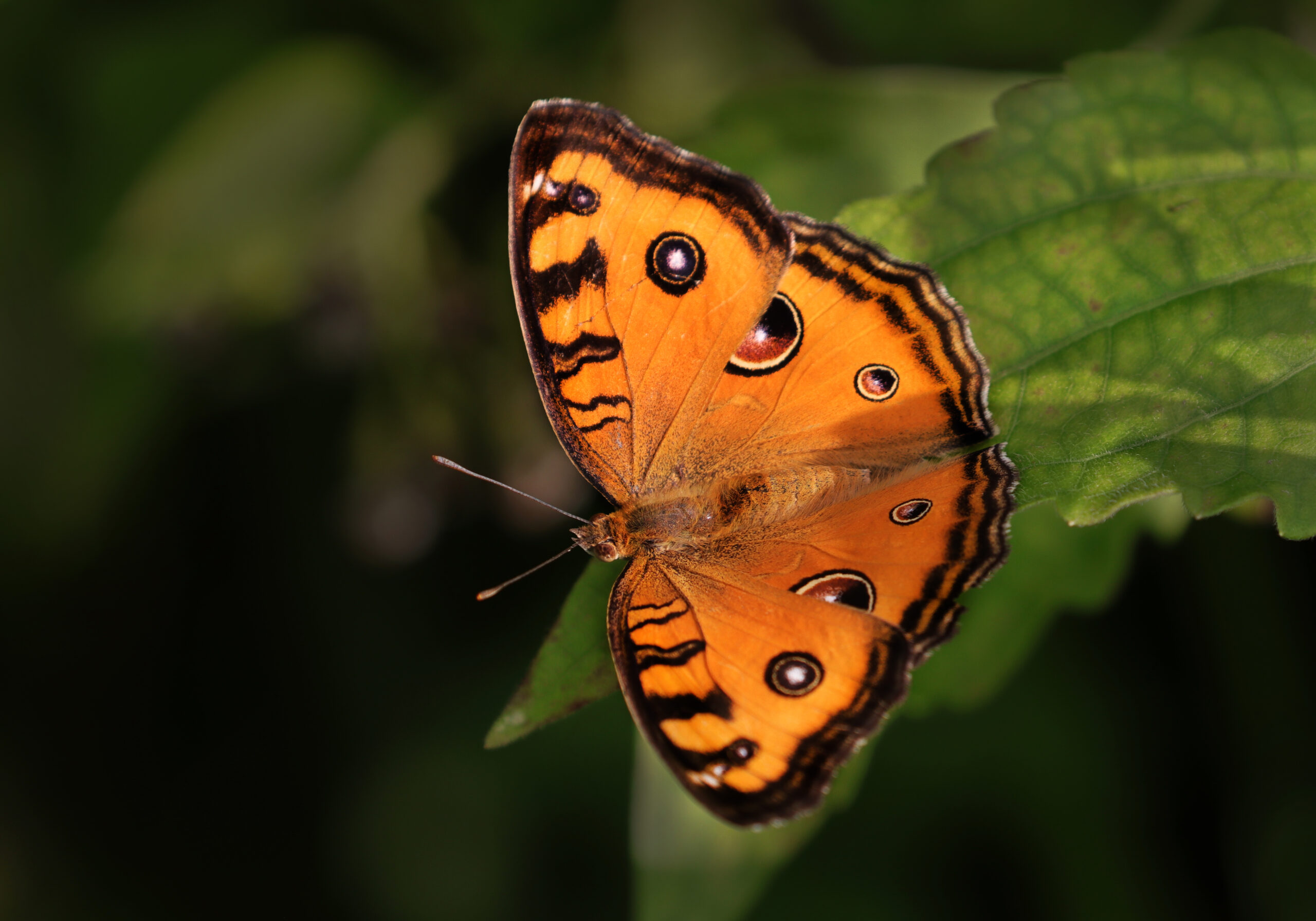
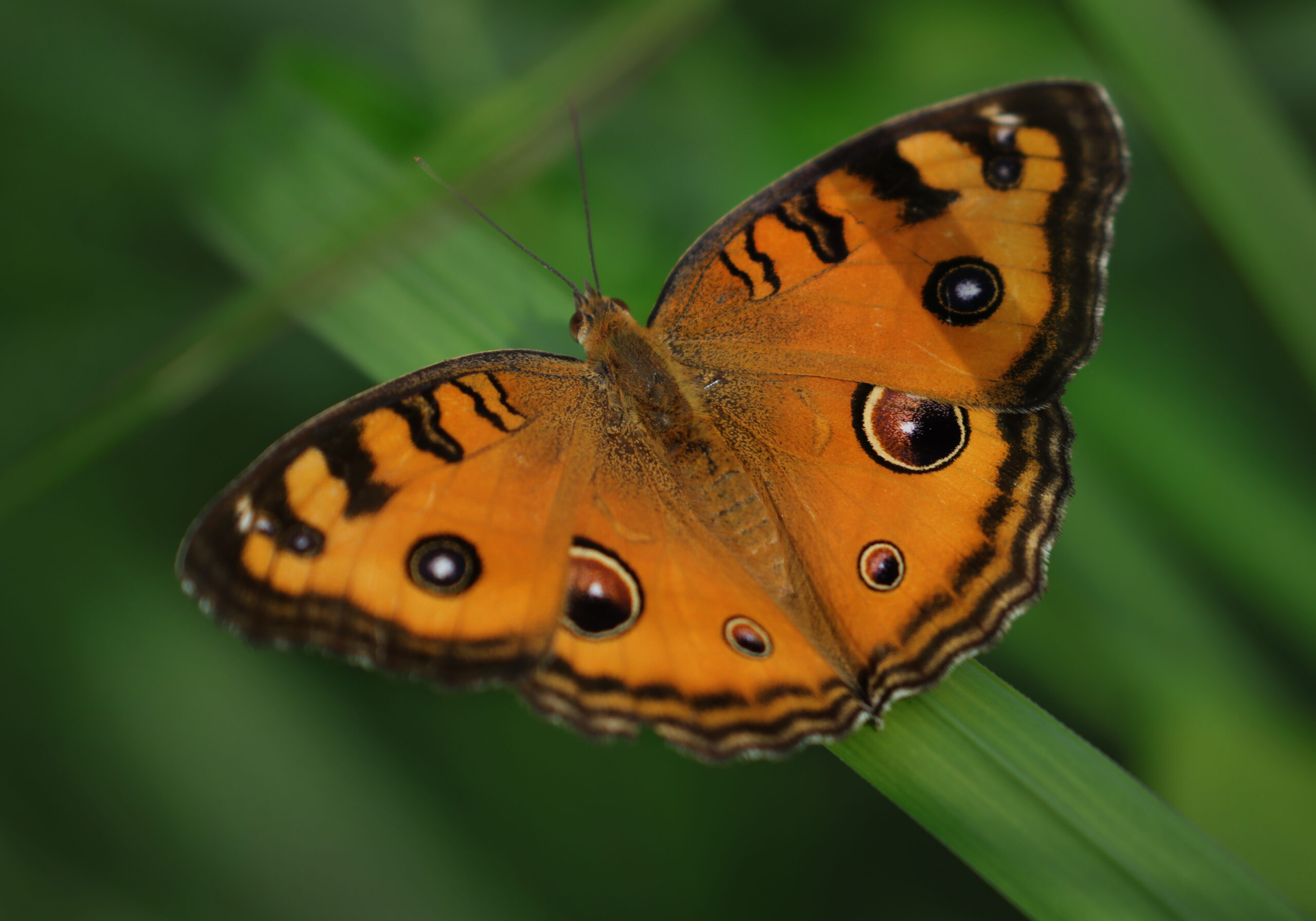
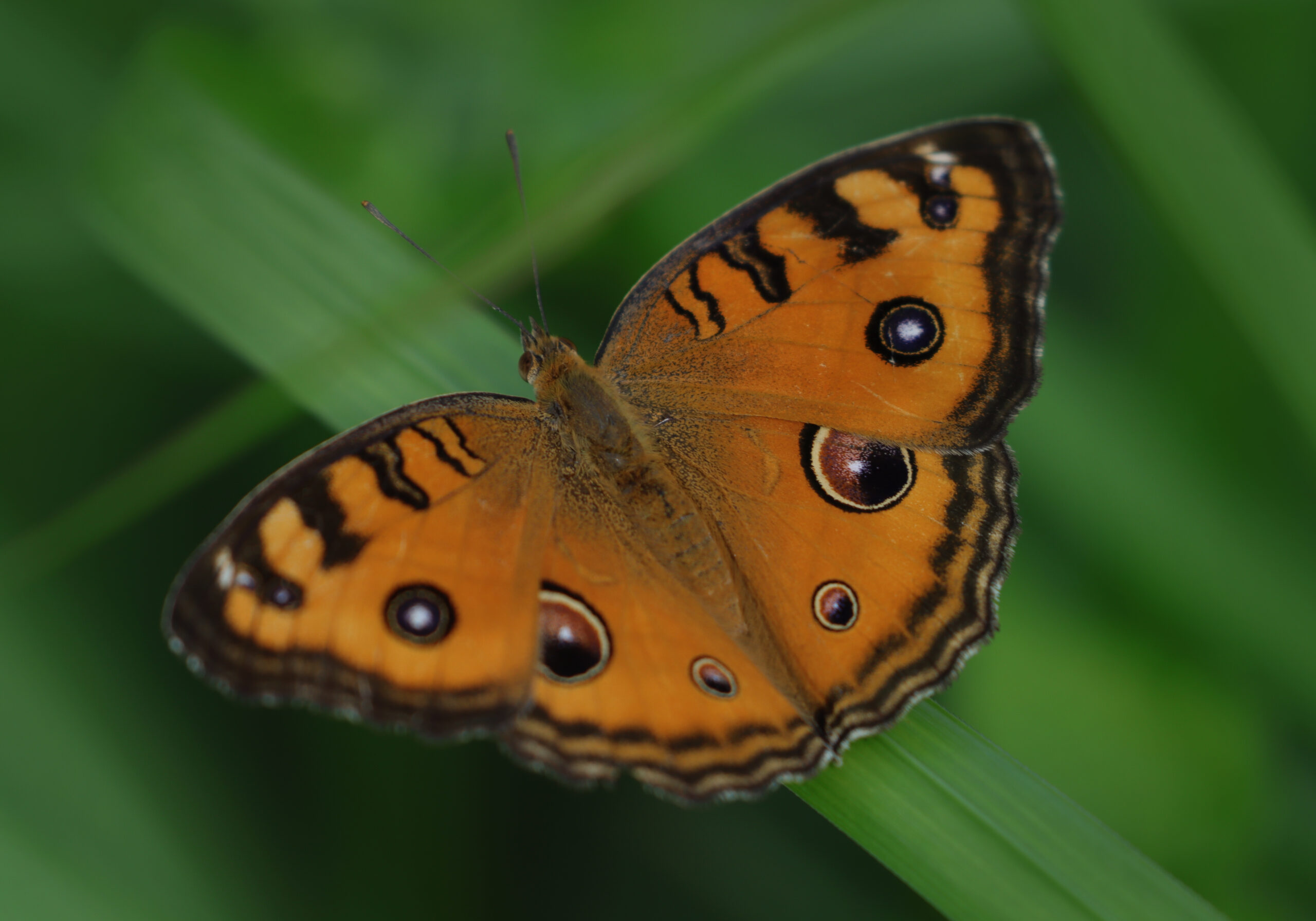
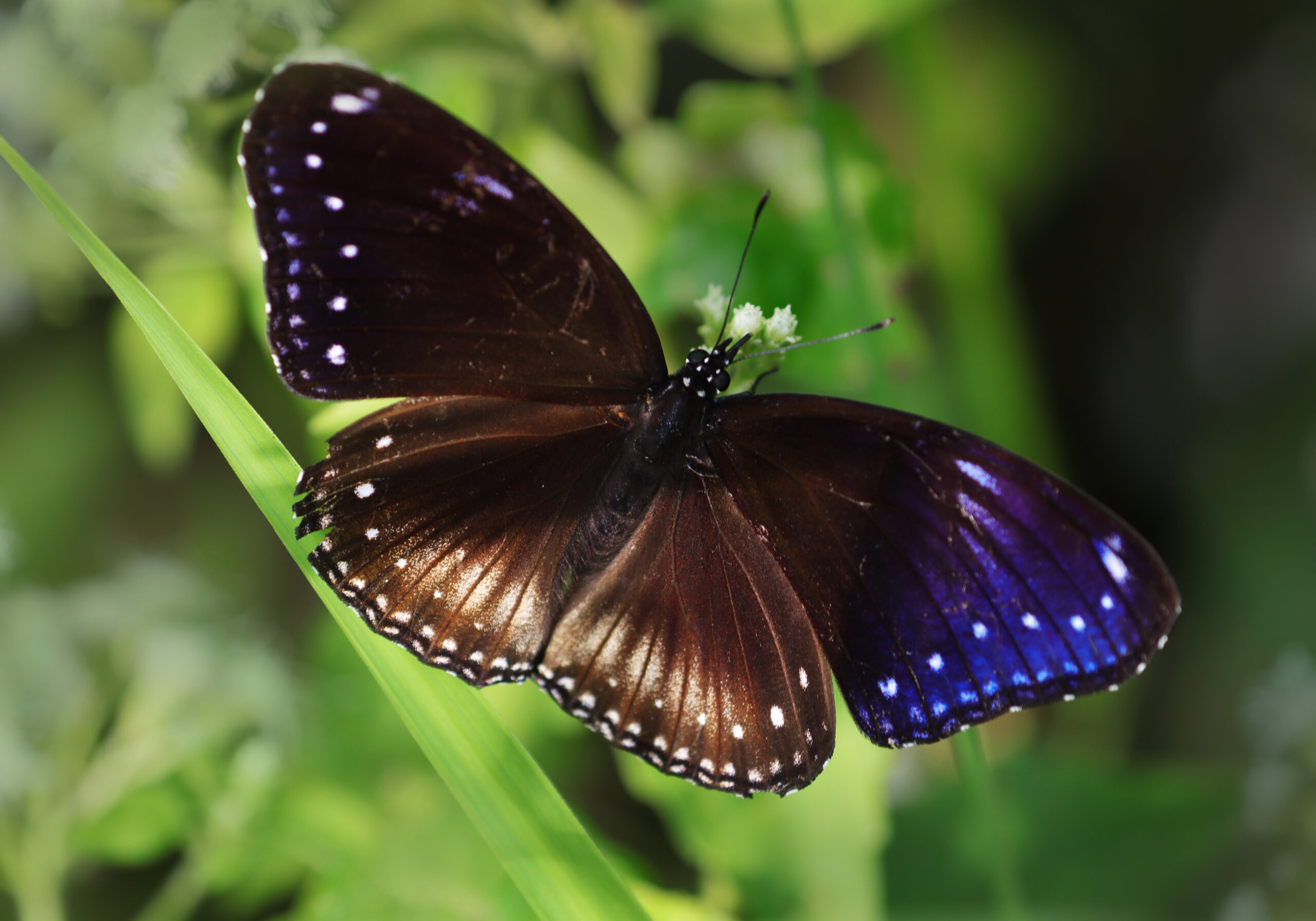
Butterflies of the tribe Junoniini are generally medium-sized and are characterized by a robust body, broad wings, and striking wing patterns. Like all members of the family Nymphalidae, they possess reduced, brush-like forelegs that are not used for walking. Wing coloration varies greatly among species, ranging from shades of brown, orange, yellow, and red to blue, purple, black, and white. Many species bear large, conspicuous eyespots on the wings, which function in predator deterrence by startling predators or deflecting attacks away from vital body parts.
Adults are diurnal and are strong, agile fliers that frequently bask with their wings spread in sunny locations to regulate body temperature. They feed primarily on floral nectar using a long, coiled proboscis but may also obtain nutrients from tree sap, fermenting fruits, animal dung, carrion, or mineral-rich mud. Males commonly engage in mud-puddling, gathering on damp soil or stream banks to absorb sodium and other minerals important for reproduction. Many species are territorial, with males defending sunlit perches or open areas from rivals.
The life cycle involves complete metamorphosis, consisting of egg, larva (caterpillar), pupa (chrysalis), and adult stages. Females usually lay eggs singly on the leaves or young shoots of host plants. Caterpillars are typically dark-colored and bear rows of branched spines that provide protection from predators. They feed on a variety of herbaceous plants and shrubs, particularly members of the families Acanthaceae, Plantaginaceae, Verbenaceae, and related groups, depending on the species. Pupation occurs on stems, leaves, or other vegetation, where the chrysalis hangs suspended head downward from a silken pad.
The tribe includes several well-known genera, including Junonia, Precis, Yoma, Salamis, and Protogoniomorpha. Many species, especially those in the genus Junonia, are among the most familiar butterflies in tropical and subtropical regions because of their conspicuous eyespots, adaptability, and occurrence in a wide range of habitats.
Ecologically, Junoniini butterflies are important pollinators that contribute to the reproduction of flowering plants in both natural and agricultural ecosystems. Their caterpillars play significant roles as herbivores, while both larvae and adults provide food for birds, reptiles, amphibians, spiders, predatory insects, and parasitoids. Their abundance, seasonal variation, and sensitivity to habitat disturbance make Junoniini butterflies valuable indicators of ecosystem health, habitat quality, and biodiversity.