Bali Wildlife
Every Spices Matter


Moduza procris is a species of brush-footed butterfly belonging to the genus Moduza (Tribe Limenitidini, Subfamily Limenitidinae, Family Nymphalidae, Superfamily Papilionoidea, Order Lepidoptera). Commonly known as the Commander, it is widely distributed across South Asia, Southeast Asia, southern China, Taiwan, and parts of the Indo-Australian region. The species inhabits tropical rainforests, secondary forests, woodland edges, bamboo groves, riverine forests, plantations, parks, and shaded gardens, where suitable larval host plants are abundant.
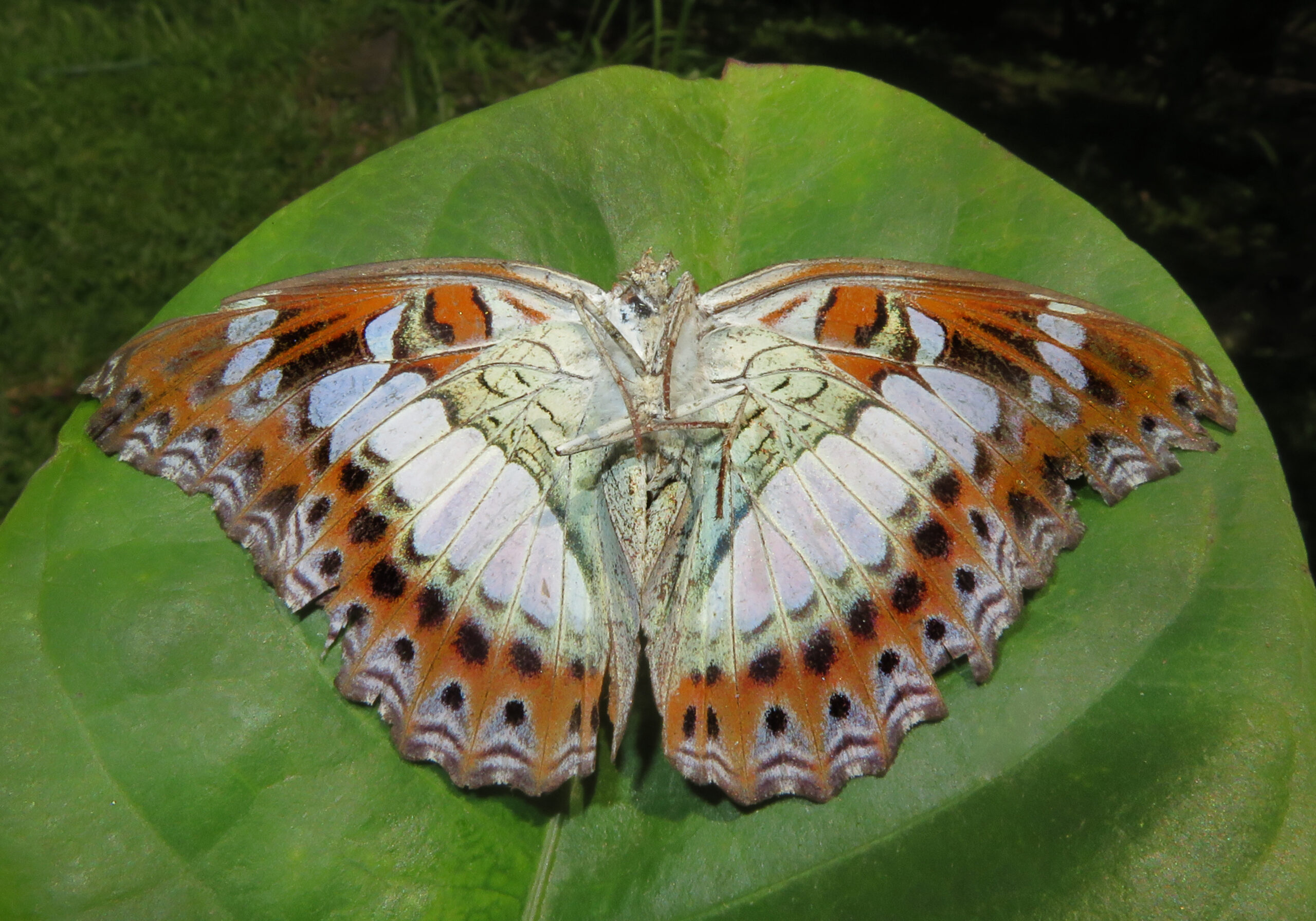
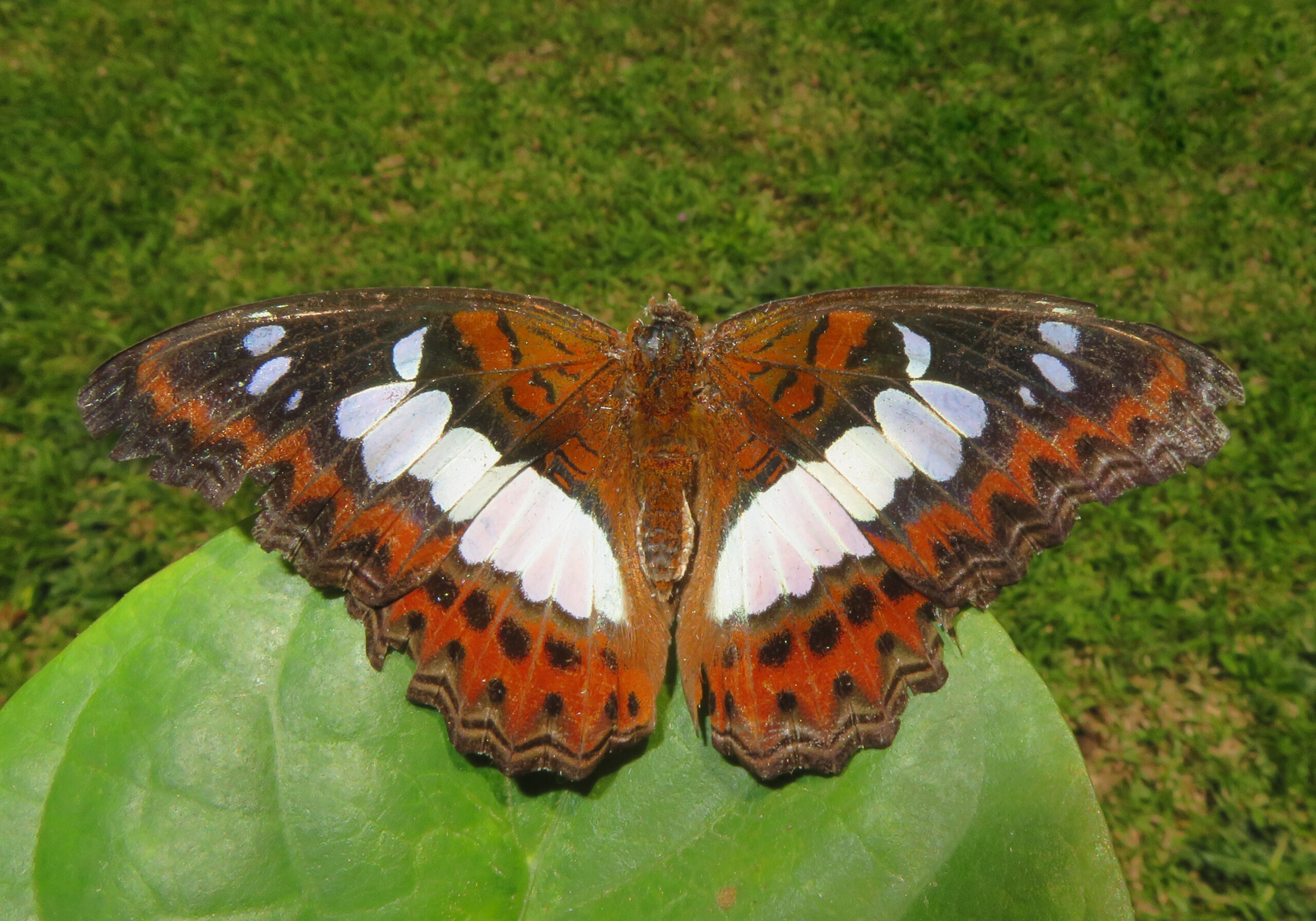
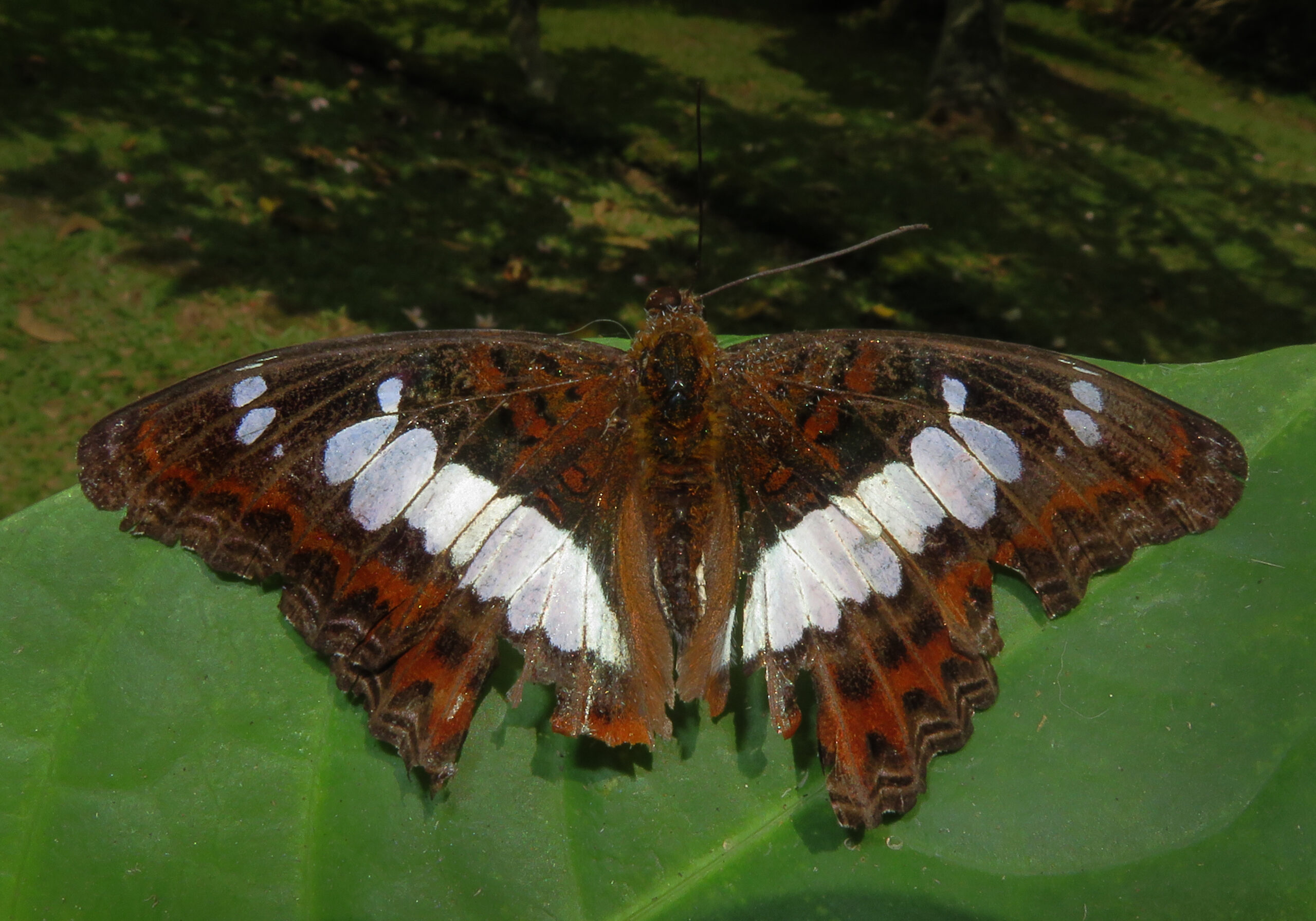
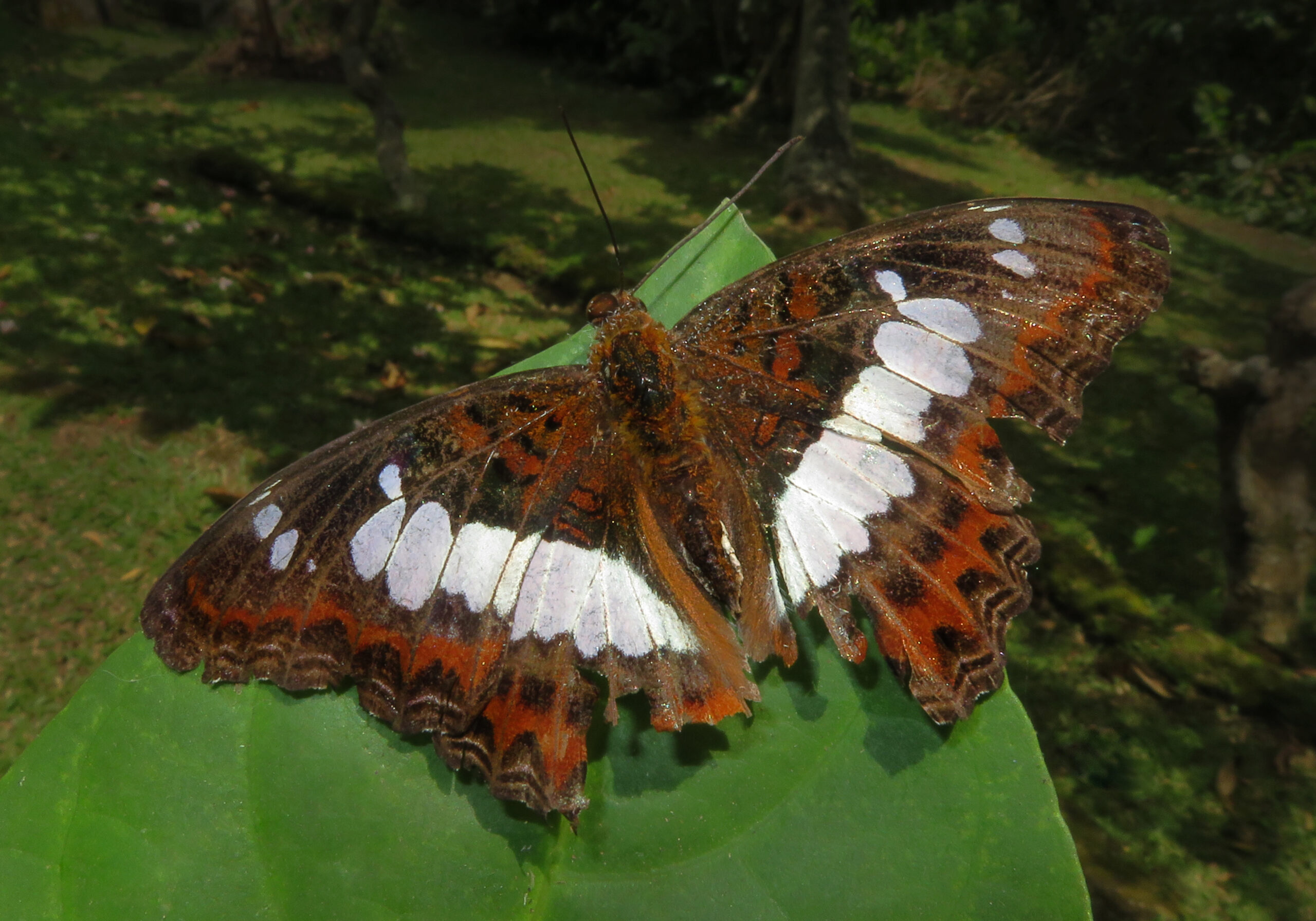
Moduza procris is a medium-sized butterfly with a wingspan of approximately 55–75 mm. It has a robust body and broad, angular wings. The upper surface of the wings is bright orange to reddish-orange, crossed by bold black bands and marked with distinct white spots near the forewing apex. The wing margins are black with a series of small white markings. The underside is paler, displaying shades of orange, brown, cream, and white with intricate patterns that provide effective camouflage among dead leaves and forest vegetation. Males and females are similar in appearance, although females are generally slightly larger and may have broader wings.
Adults are diurnal and are active, fast, and agile fliers, frequently seen along forest trails, streams, and sunlit clearings. They often bask with their wings fully spread and are highly territorial, particularly males, which defend preferred perches from rival butterflies. Unlike many nectar-feeding butterflies, adults commonly feed on tree sap, fermenting fruits, animal dung, carrion, and mineral-rich moisture, although they occasionally visit flowers. Males frequently engage in mud-puddling to obtain sodium and other minerals important for reproduction.
The life cycle involves complete metamorphosis, consisting of egg, larva (caterpillar), pupa (chrysalis), and adult stages. Females lay eggs singly on the leaves of host plants. The caterpillars are dark brown to black and bear numerous branched spines and fleshy projections that provide protection against predators. They feed mainly on plants in the family Acanthaceae, particularly species of Strobilanthes, Acanthus, Pseuderanthemum, and related genera. Pupation occurs on leaves or stems, where the angular chrysalis hangs suspended head downward by its cremaster.
Moduza procris exhibits considerable geographical variation and is represented by numerous subspecies across its range, differing slightly in wing coloration and pattern. It is one of the most familiar forest butterflies in tropical Asia and is often encountered in both undisturbed forests and lightly modified habitats.
Ecologically, the Commander contributes to forest ecosystems as a pollinator and nutrient recycler through its feeding on fermenting organic matter. Its caterpillars participate in plant–herbivore interactions, while both larvae and adults provide food for birds, reptiles, spiders, predatory insects, and parasitoids. Because it is closely associated with forest habitats and responds to environmental changes, Moduza procris is considered a valuable indicator of forest health, habitat quality, and regional biodiversity.