Bali Wildlife
Every Spices Matter


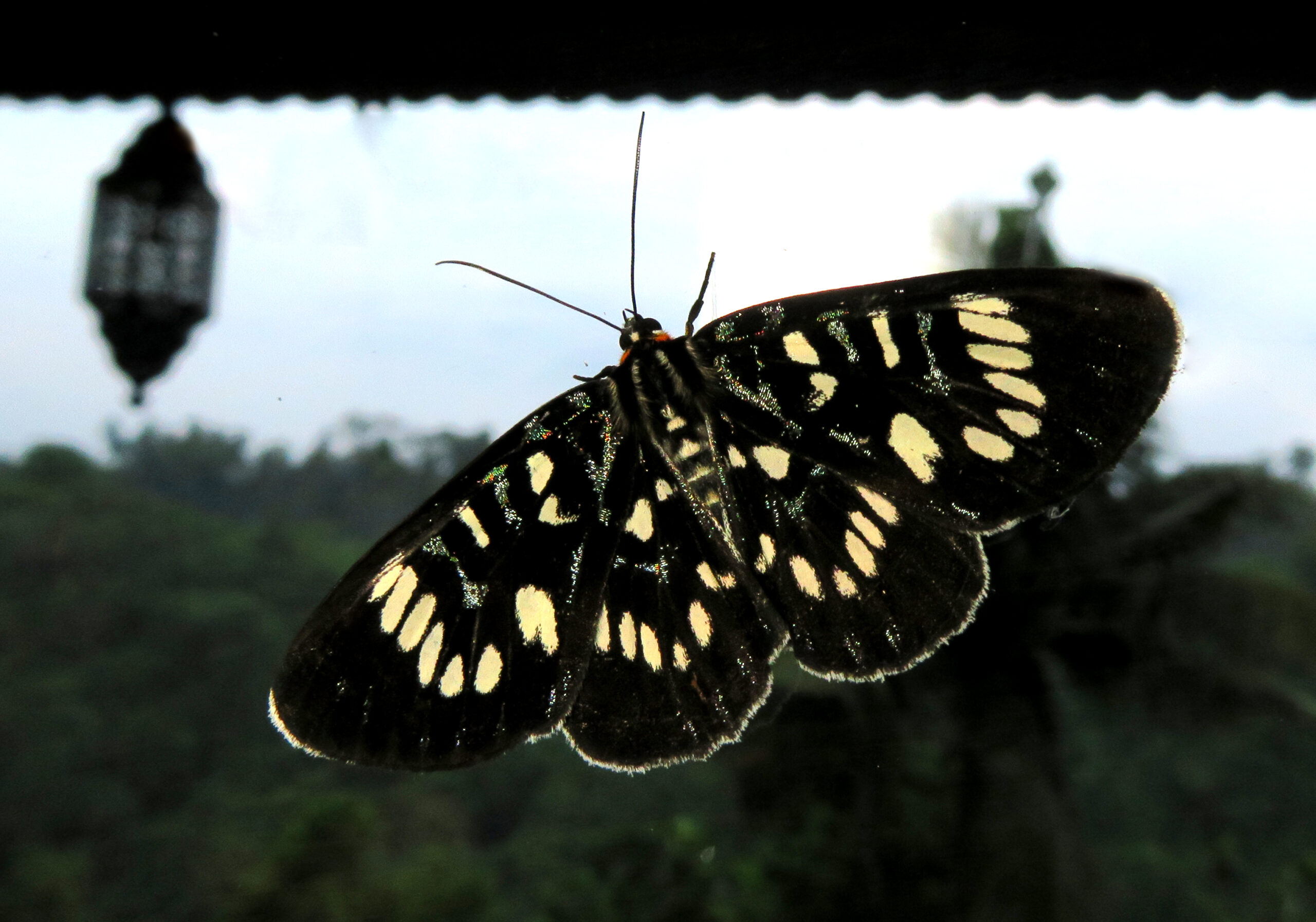
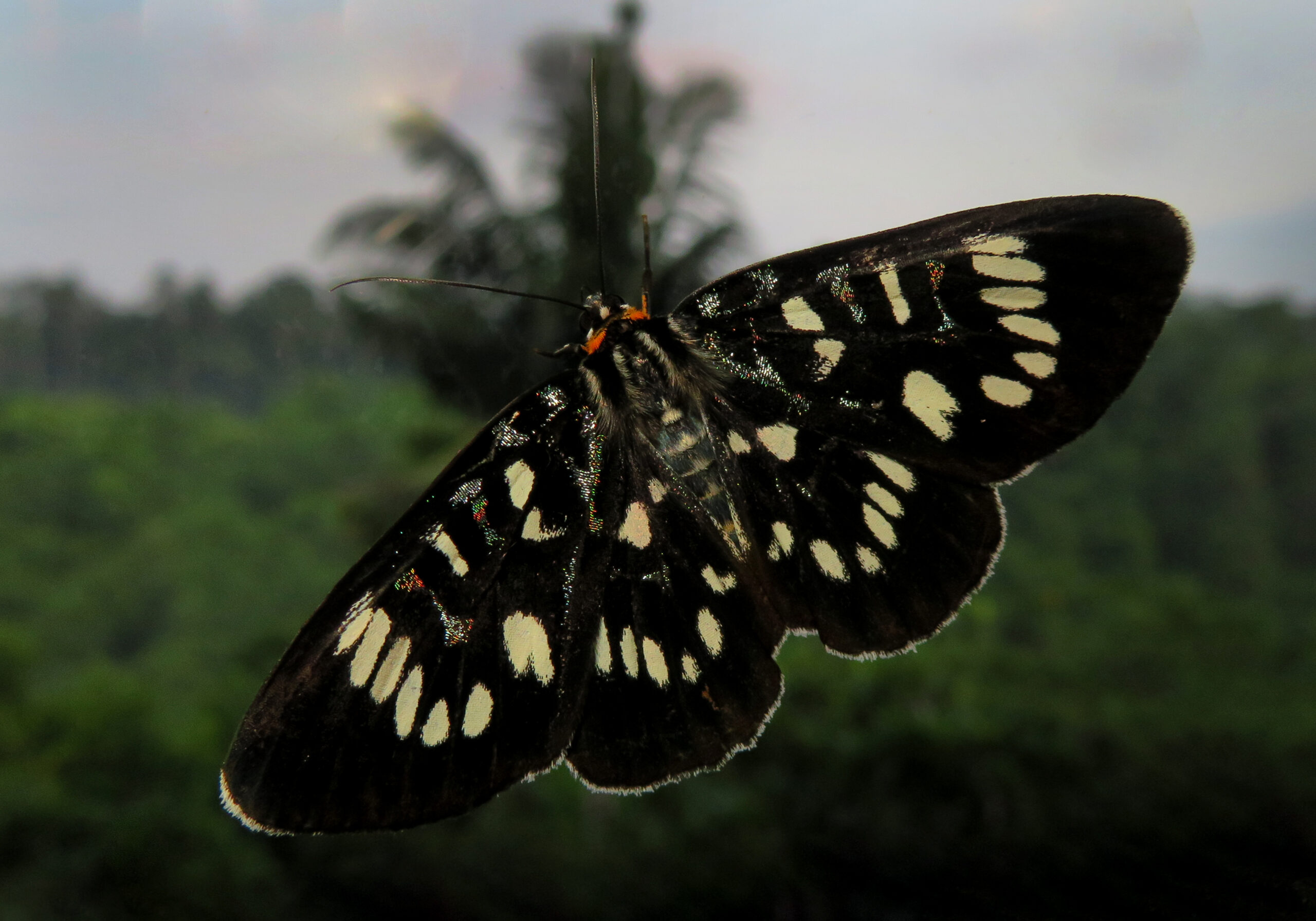
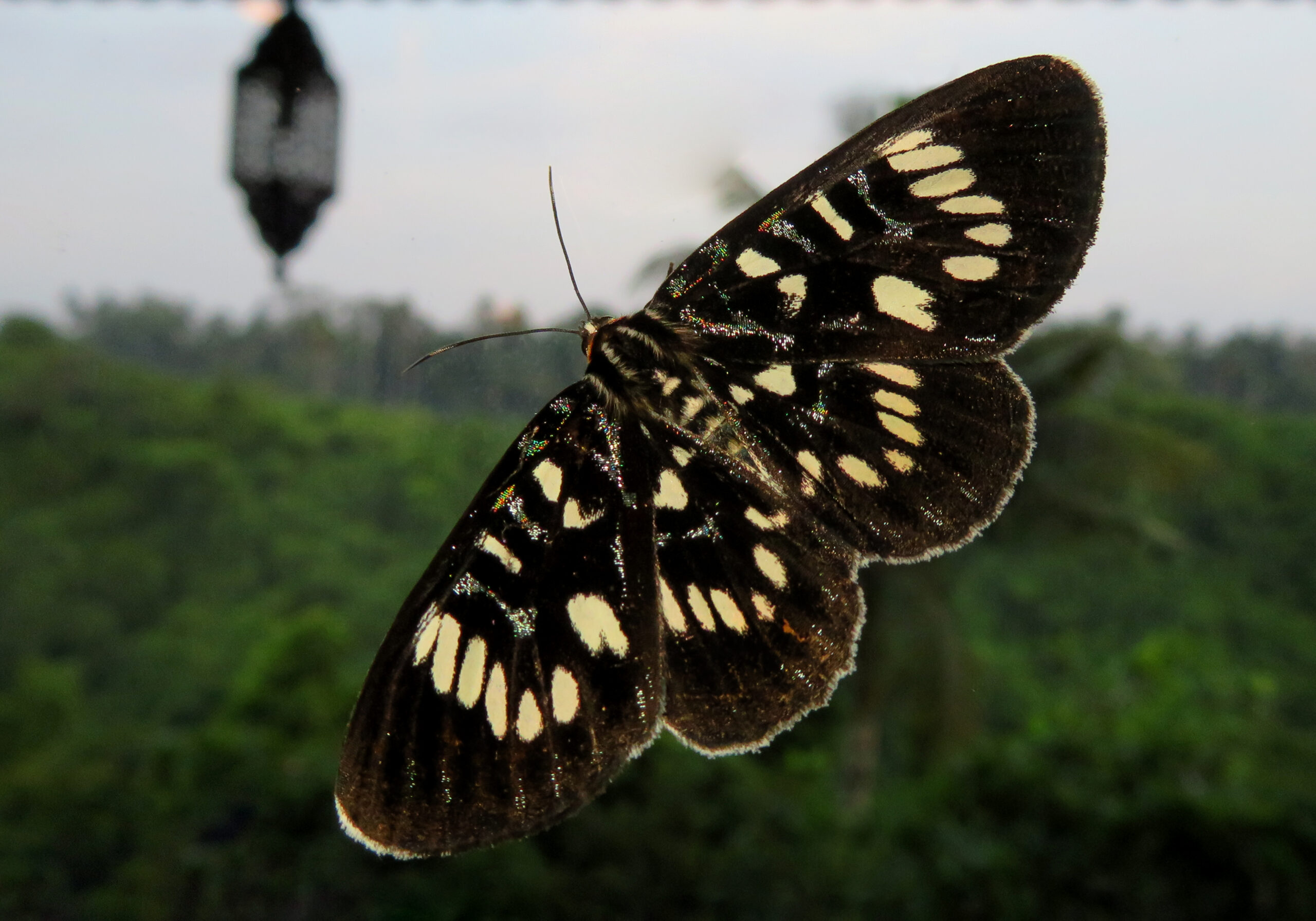
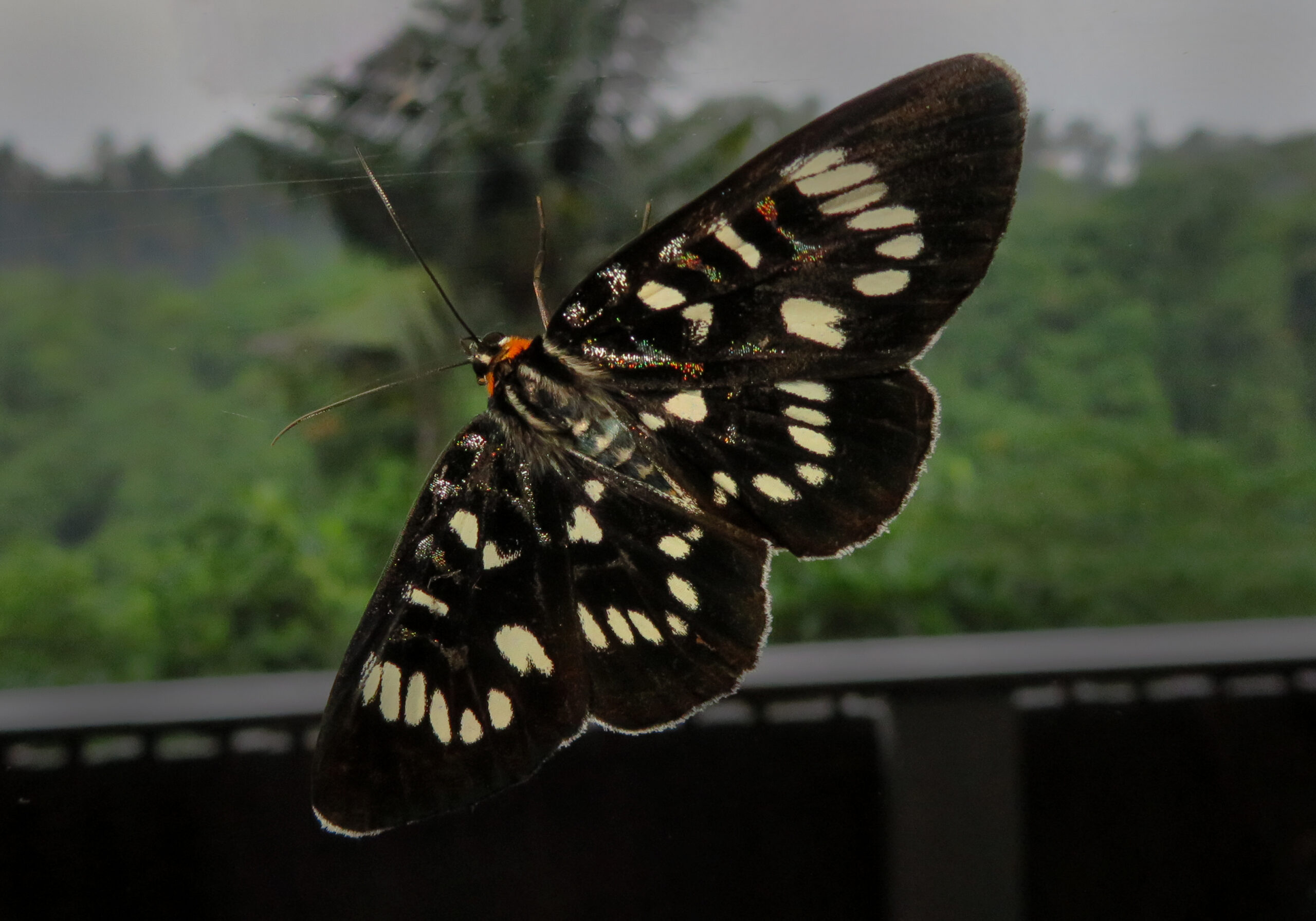
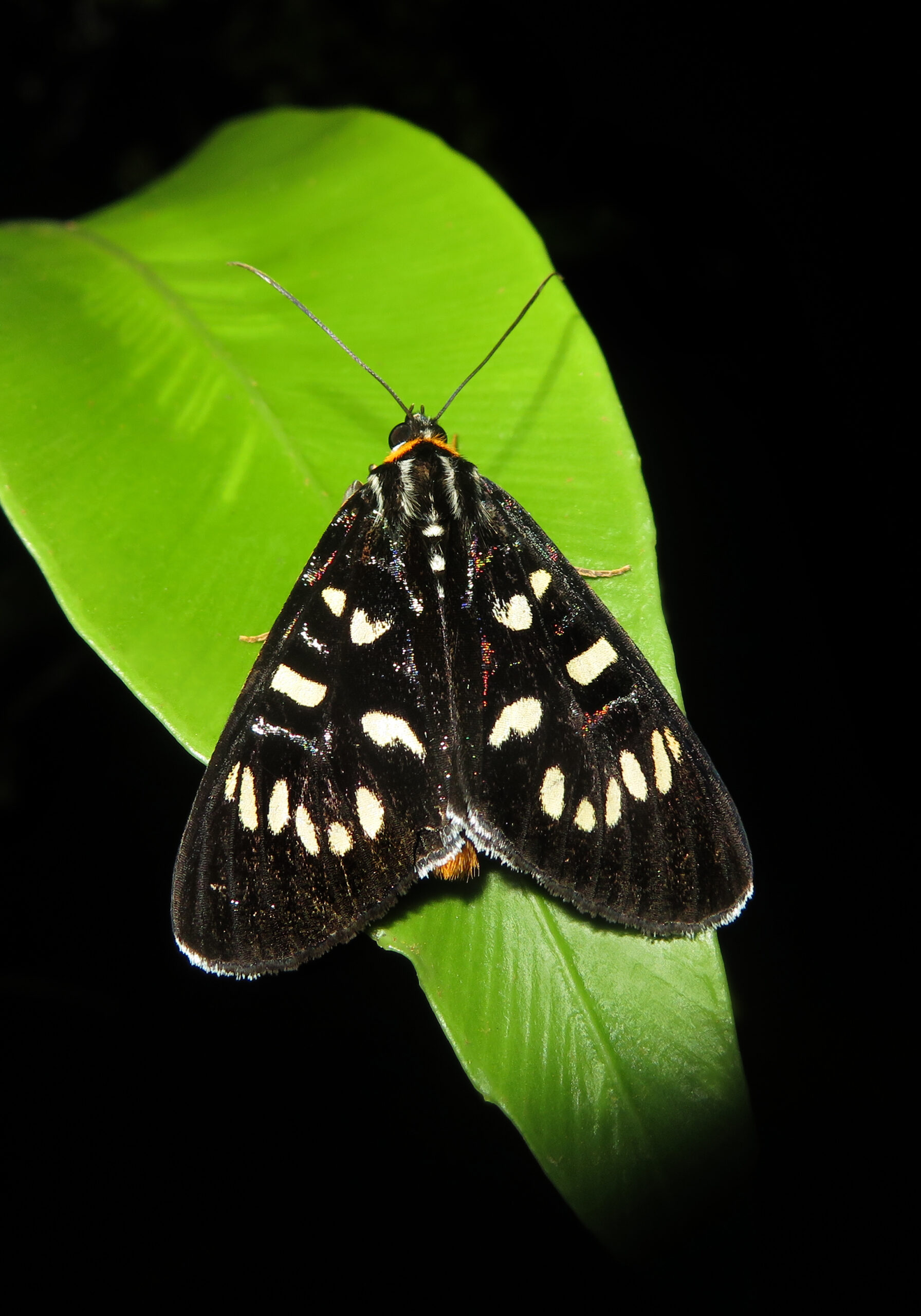
Agaristinae is a subfamily of moths within the family Noctuidae (Superfamily Noctuoidea, Order Lepidoptera). Commonly known as the agaristine moths, this group comprises approximately 350 described species distributed primarily throughout tropical and subtropical regions of Africa, Asia, Australia, and the Indo-Pacific, with a smaller number occurring in Europe and the Americas. Members inhabit tropical rainforests, secondary forests, woodland edges, savannas, grasslands, coastal vegetation, agricultural landscapes, parks, and gardens.
Moths of the subfamily Agaristinae are generally medium to large in size and are distinguished by their robust body and broad wings. Unlike most noctuid moths, many agaristines are brightly colored, displaying striking combinations of black, white, yellow, orange, red, blue, or metallic green. Their vivid coloration often serves as aposematic (warning) coloration or forms part of mimicry complexes with butterflies, bees, or wasps. Many species have contrasting wing patterns with brightly colored hindwings that become conspicuous during flight.
Adults are predominantly diurnal, a characteristic that distinguishes them from most other noctuid moths. They are strong, fast fliers and are frequently observed visiting flowers in sunny habitats, where they feed on nectar using a well-developed coiled proboscis. Some species also visit tree sap or fermenting fruits. Their active daytime behavior, vivid coloration, and rapid flight make them resemble butterflies in both appearance and ecology.
The life cycle involves complete metamorphosis, consisting of egg, larva (caterpillar), pupa, and adult stages. Females lay eggs singly or in small groups on suitable host plants. Caterpillars are usually smooth or sparsely hairy and feed on the leaves of a variety of herbaceous plants, shrubs, and trees. Host plant associations vary among genera, with many species specializing on particular plant families. Pupation generally occurs within a silken cocoon in leaf litter, among vegetation, or just beneath the soil surface.
The subfamily includes numerous well-known genera, such as Agarista, Periscepta, Pais, Heraclia, Mimeusemia, and Radinocera. Several species are admired for their brilliant coloration and are commonly encountered in tropical forests and flowering gardens.
Ecologically, Agaristinae moths are important daytime pollinators that contribute to the reproduction of many flowering plants. Their caterpillars participate in plant–herbivore interactions, while both larvae and adults serve as prey for birds, reptiles, spiders, predatory insects, and parasitoids. Their dependence on diverse native vegetation and their sensitivity to habitat disturbance make agaristine moths valuable indicators of ecosystem health, habitat quality, and biodiversity.