

Subtribe Psilogramma genus-group
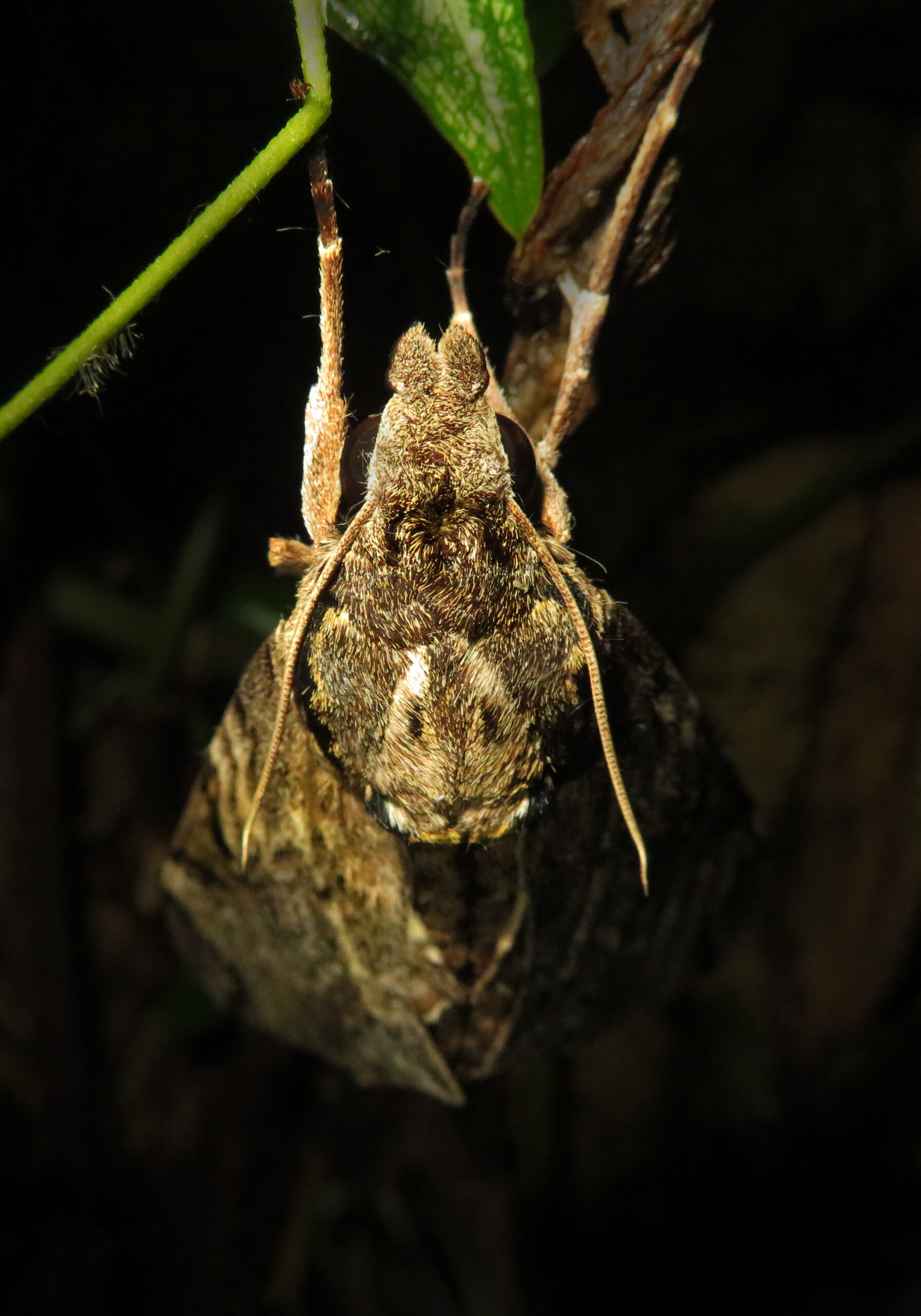
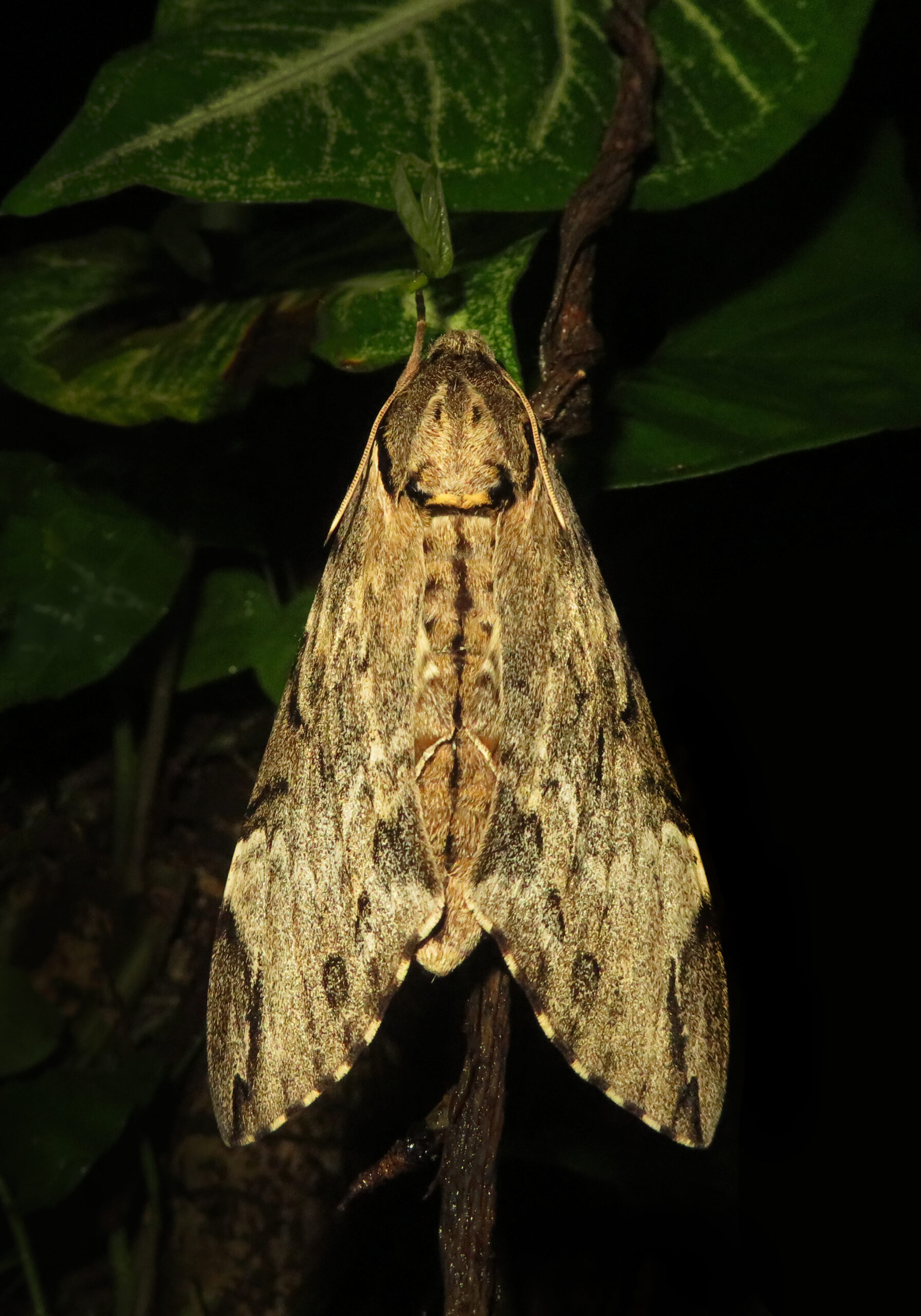
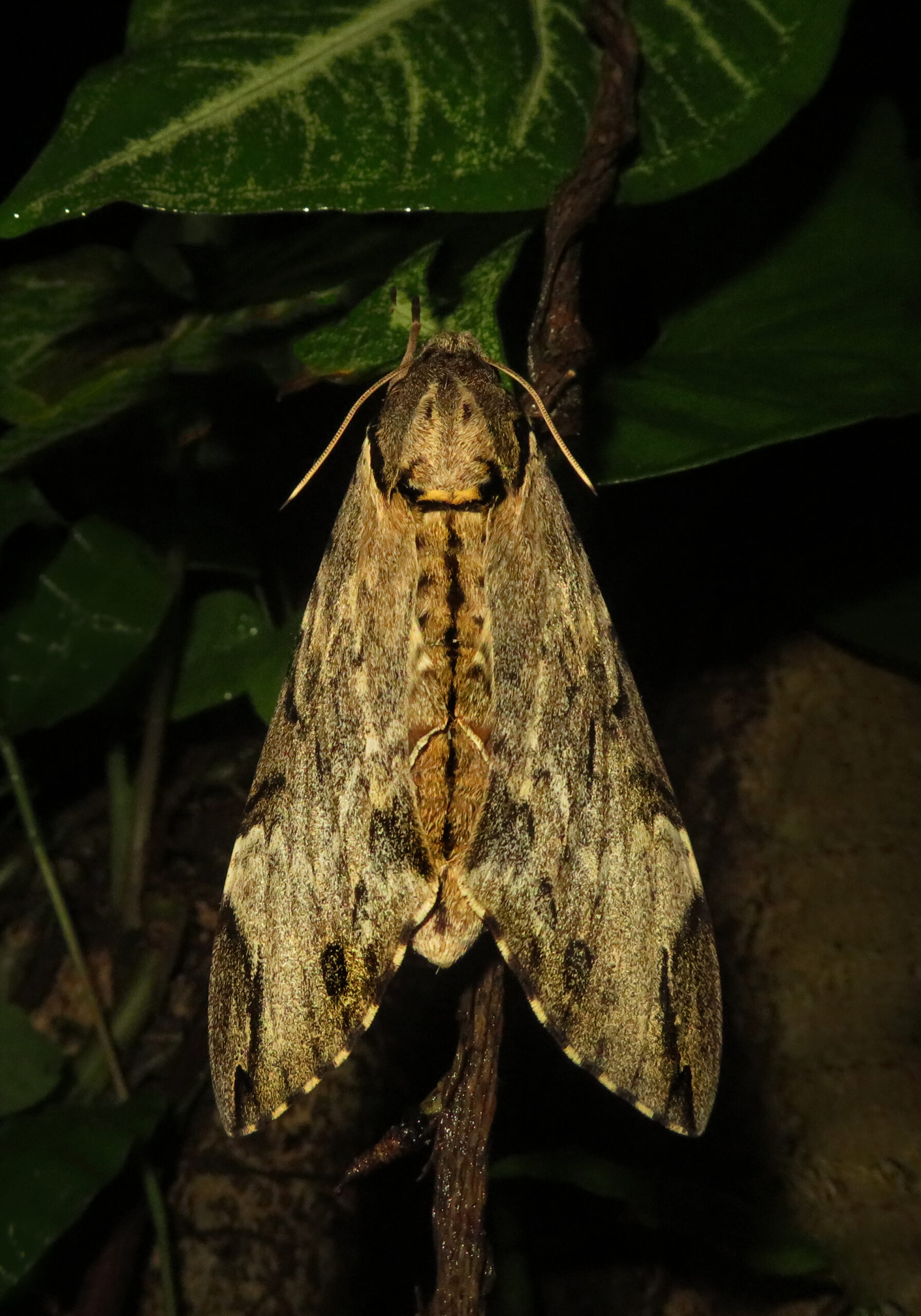
The Psilogramma genus-group is a lineage within the tribe Sphingini (Subfamily Sphinginae, Family Sphingidae, Order Lepidoptera), comprising robust hawk moths that are primarily distributed throughout Africa, Asia, Australia, and numerous islands of the Indo-Pacific region. These moths are commonly associated with forests, woodland edges, gardens, agricultural landscapes, and other habitats where suitable larval host plants occur.
Members of the Psilogramma genus-group are generally medium to large moths characterized by a stout, streamlined body and long, narrow wings adapted for powerful flight. Their coloration is typically cryptic, consisting of gray, brown, olive, or mottled patterns that provide excellent camouflage against bark and other natural surfaces. The forewings often bear complex lines, streaks, and patches that help conceal the moth while resting.
Like other hawk moths, they possess large compound eyes and a well-developed proboscis used for feeding on floral nectar. Adults are primarily nocturnal and are often attracted to flowering plants at night. Their strong flight enables them to travel considerable distances in search of food and mates.
The life cycle involves complete metamorphosis with egg, larva, pupa, and adult stages. Caterpillars are robust hornworms with a characteristic posterior horn. Larvae typically feed on plants belonging to families such as Oleaceae and related groups, depending on the species.
The genus-group is centered around the genus Psilogramma, whose species are often difficult to distinguish externally due to their similar wing patterns and coloration. Many species are adapted to tropical and subtropical environments and exhibit remarkable camouflage.
Ecologically, members of the Psilogramma genus-group function as pollinators during their adult stage and as herbivores during their larval stage. They contribute to nocturnal pollination networks and serve as prey for birds, bats, reptiles, and other predators. Their interactions with host plants and pollination systems make them important components of ecosystem dynamics and biodiversity.