Bali Wildlife
Every Spices Matter


Sphingini is a tribe within the subfamily Sphinginae (Family Sphingidae, Superfamily Bombycoidea, Order Lepidoptera), comprising a group of large and powerful hawk moths commonly known as sphinx moths. Members of this tribe are distributed across much of the world and occur in a variety of habitats, including forests, grasslands, agricultural areas, deserts, and urban environments.
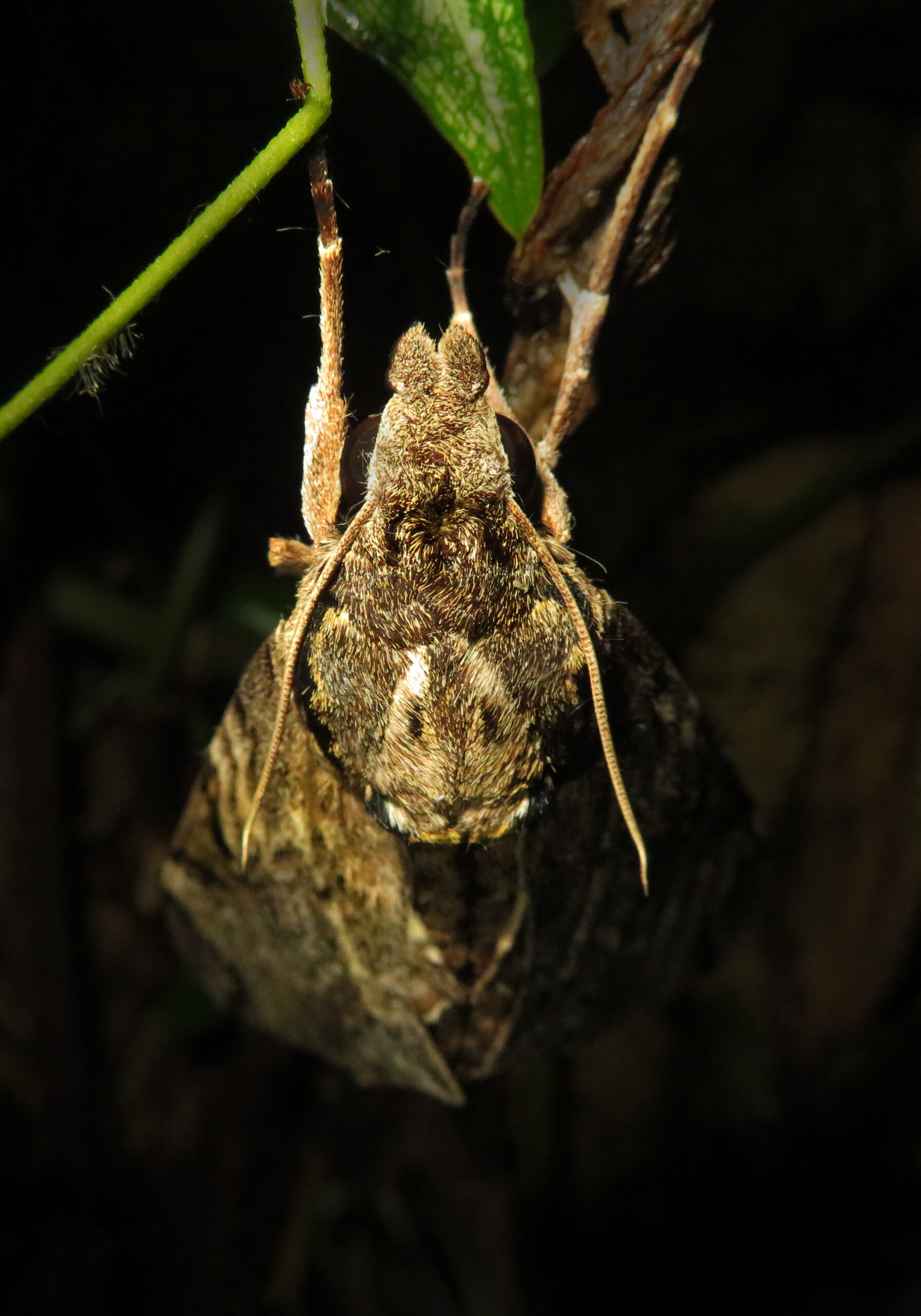
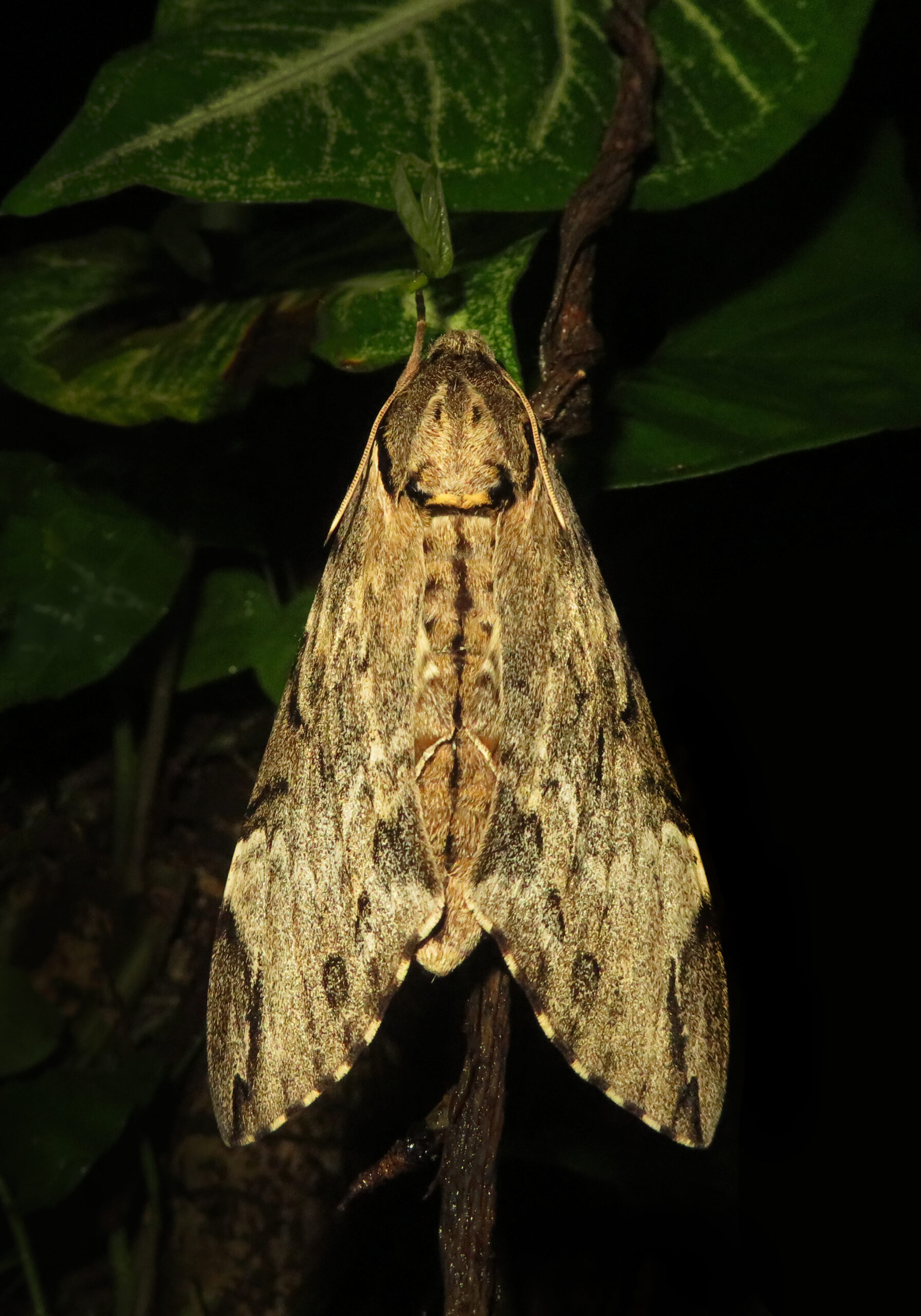
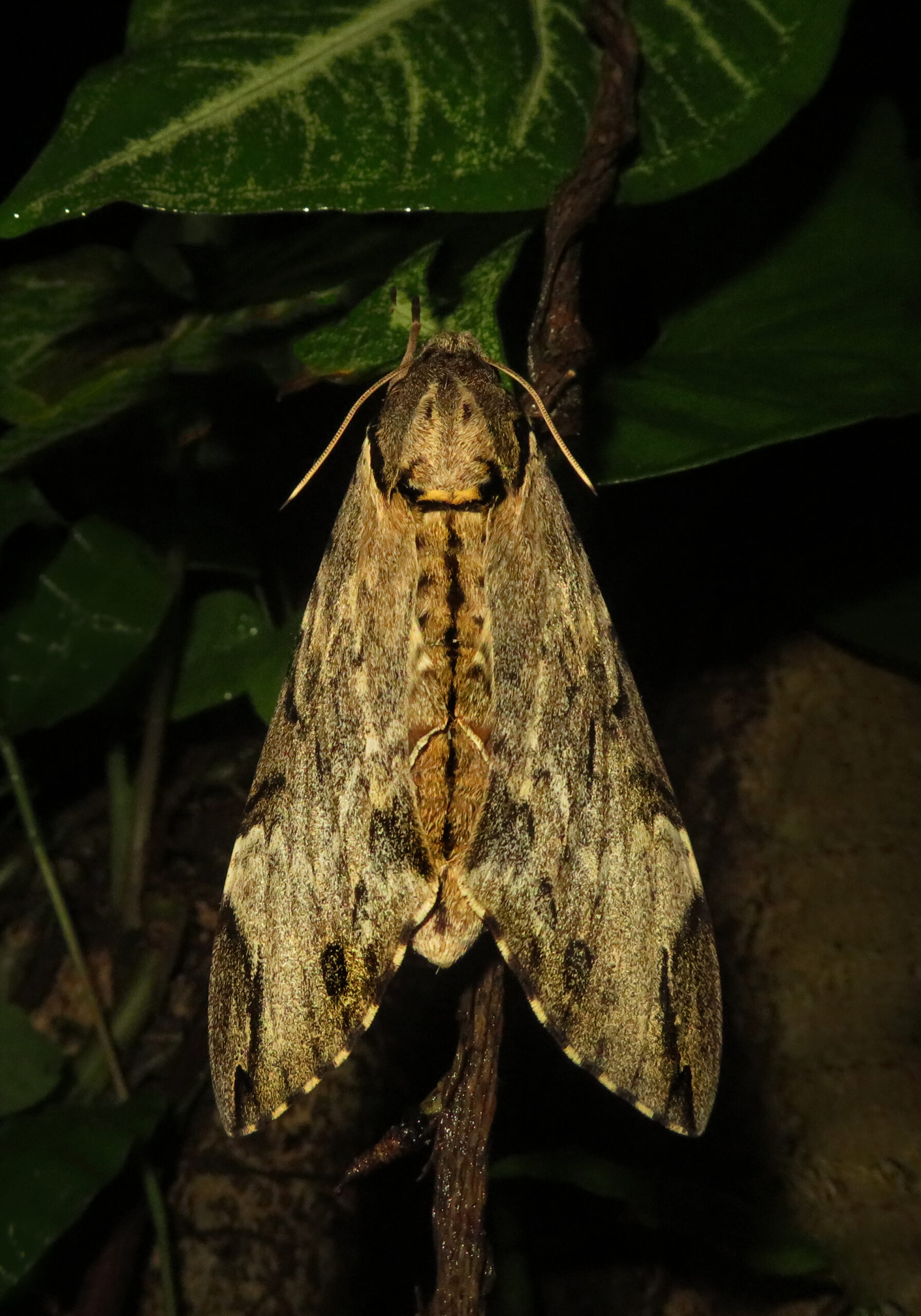
Moths of the tribe Sphingini are generally medium to large in size and are characterized by a robust, streamlined body and long, narrow wings adapted for rapid and sustained flight. Their coloration is often cryptic, consisting of shades of gray, brown, black, or olive with intricate markings that provide camouflage when resting on tree trunks, rocks, or vegetation.
The head bears large compound eyes and a well-developed proboscis used for feeding on nectar. Adults are strong fliers and many species are capable of hovering while feeding, allowing them to access nectar from deep flowers. Most species are nocturnal and become active during dusk and nighttime hours.
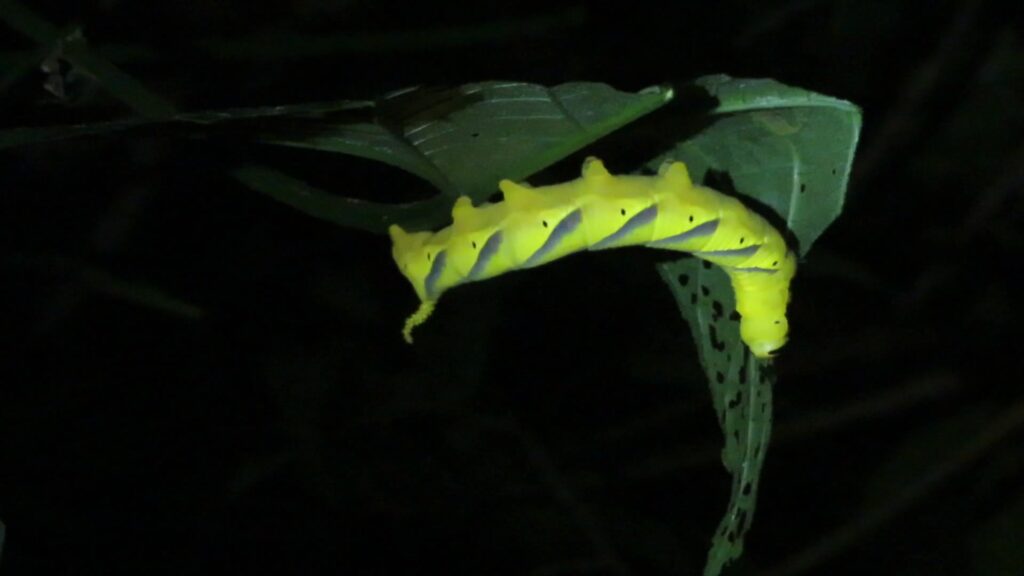
The life cycle involves complete metamorphosis, consisting of egg, larva, pupa, and adult stages. Caterpillars, commonly known as hornworms, are large and cylindrical, usually possessing a characteristic horn-like projection on the rear of the body. They feed on a variety of host plants, including trees, shrubs, and herbaceous species.
The tribe includes well-known genera such as Sphinx, Agrius, and Acherontia (death’s-head hawk moths), many of which are recognized for their impressive size, powerful flight, and distinctive wing patterns.
Ecologically, Sphingini moths are important pollinators, particularly of night-blooming flowers with deep floral tubes. Their caterpillars contribute to plant–herbivore interactions and serve as prey for birds, reptiles, mammals, and parasitoid insects. Through their roles as pollinators, herbivores, and prey, members of Sphingini are significant contributors to ecosystem functioning and biodiversity.