

Subfamily Sphinginae
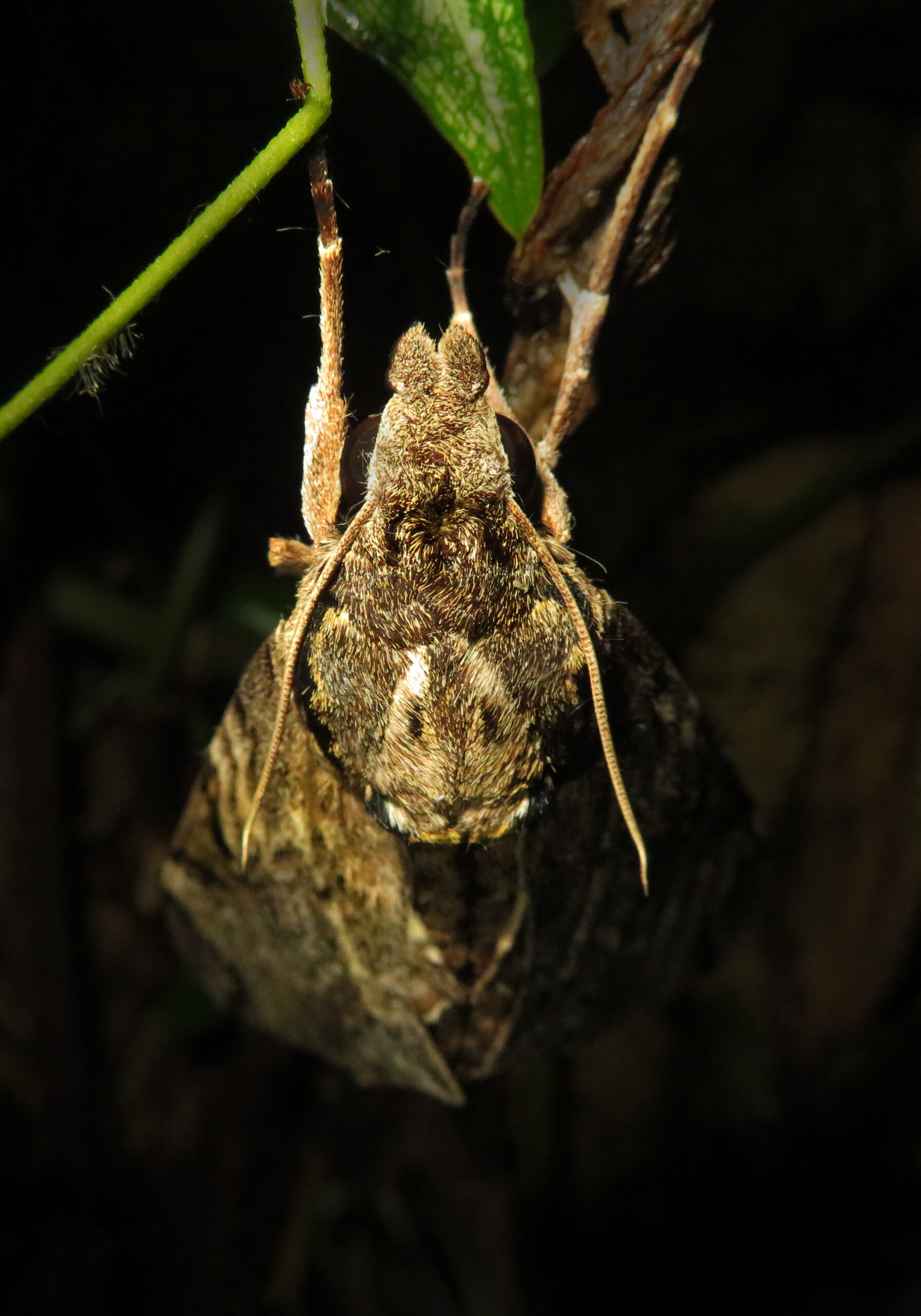
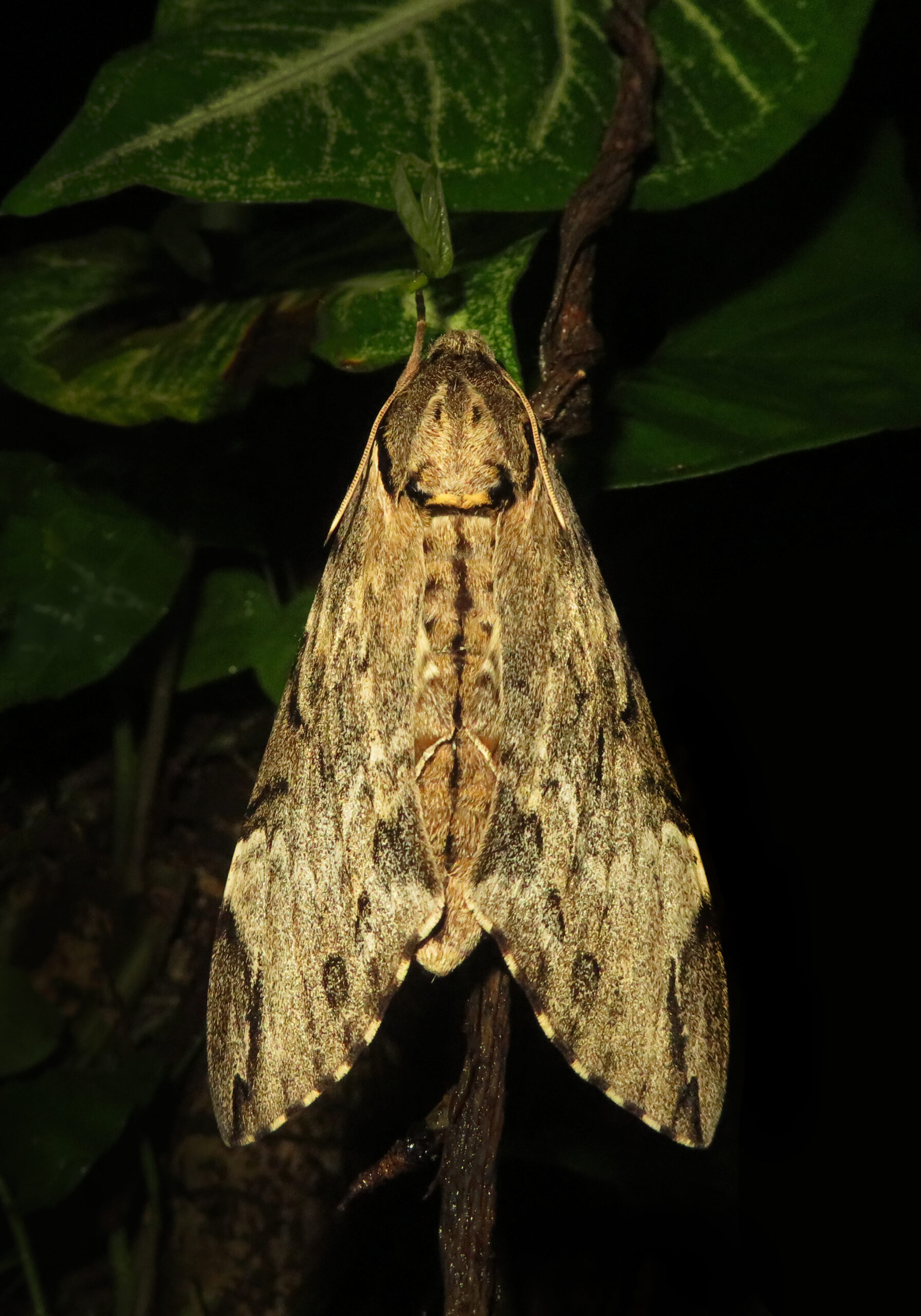
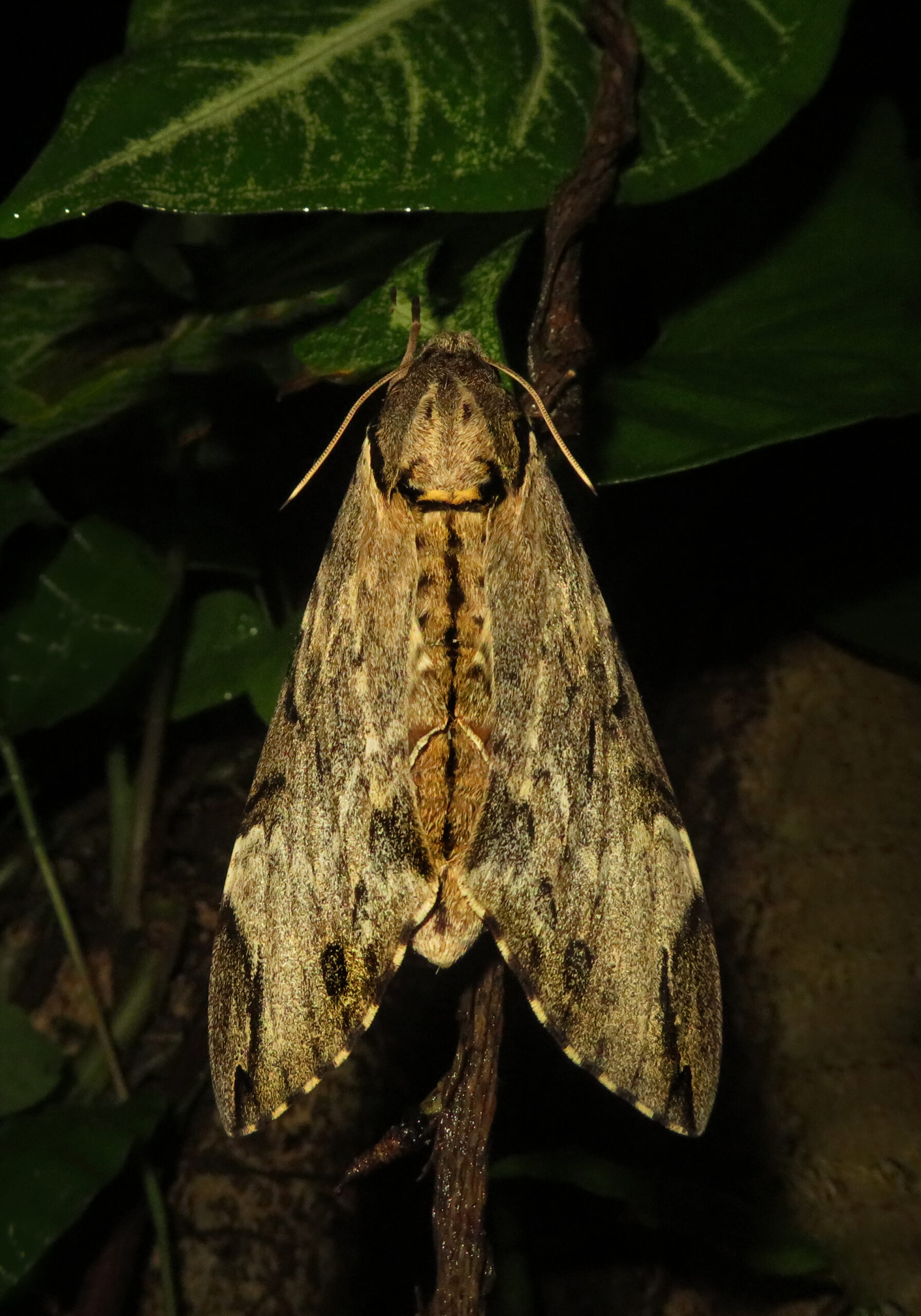
Sphinginae is a subfamily within the family Sphingidae (Superfamily Bombycoidea, Order Lepidoptera), comprising a group of robust hawk moths commonly known as sphinx moths. Members of this subfamily are distributed worldwide, with particularly high diversity in tropical and subtropical regions. They inhabit a variety of environments, including forests, grasslands, agricultural areas, scrublands, and urban gardens.
Moths of the subfamily Sphinginae are generally medium to large in size and are characterized by a stout, streamlined body and long, narrow forewings. Their coloration often consists of shades of gray, brown, black, or olive, providing effective camouflage against tree bark, rocks, or foliage. Many species possess striking patterns of lines, bands, or patches that help break up their outline when resting.
The head bears large compound eyes and a well-developed proboscis used for feeding on nectar. Although many species are capable of hovering while feeding, some are more likely to perch briefly on flowers. Antennae are thickened and adapted for detecting environmental cues and pheromones.
The life cycle involves complete metamorphosis, consisting of egg, larva (hornworm), pupa, and adult stages. Caterpillars are generally large and robust, often bearing a characteristic horn-like projection on the final abdominal segment. They feed on a variety of trees, shrubs, and herbaceous plants, depending on the species.
Most members of Sphinginae are nocturnal and are attracted to flowers that open or release fragrance at night. Their strong flight capabilities allow them to travel considerable distances in search of food and mates.
The subfamily includes notable genera such as Sphinx, Acherontia (death’s-head hawk moths), Agrius, and related forms, many of which are recognized for their large size and distinctive appearance.
Ecologically, Sphinginae moths are important pollinators of night-blooming plants and contribute significantly to nocturnal pollination networks. Their caterpillars serve as herbivores and a food source for many predators, while adults support plant reproduction through nectar feeding. As a result, they play an important role in maintaining ecosystem balance and biodiversity.