Bali Wildlife
Every Spices Matter


Cricula is a genus of giant silk moths within the tribe Saturniini (Subfamily Saturniinae, Family Saturniidae, Order Lepidoptera). Members of this genus are distributed throughout South and Southeast Asia, including India, Nepal, southern China, Thailand, Malaysia, Indonesia, and surrounding regions. They are commonly found in tropical and subtropical forests, secondary woodlands, plantations, orchards, and rural landscapes.
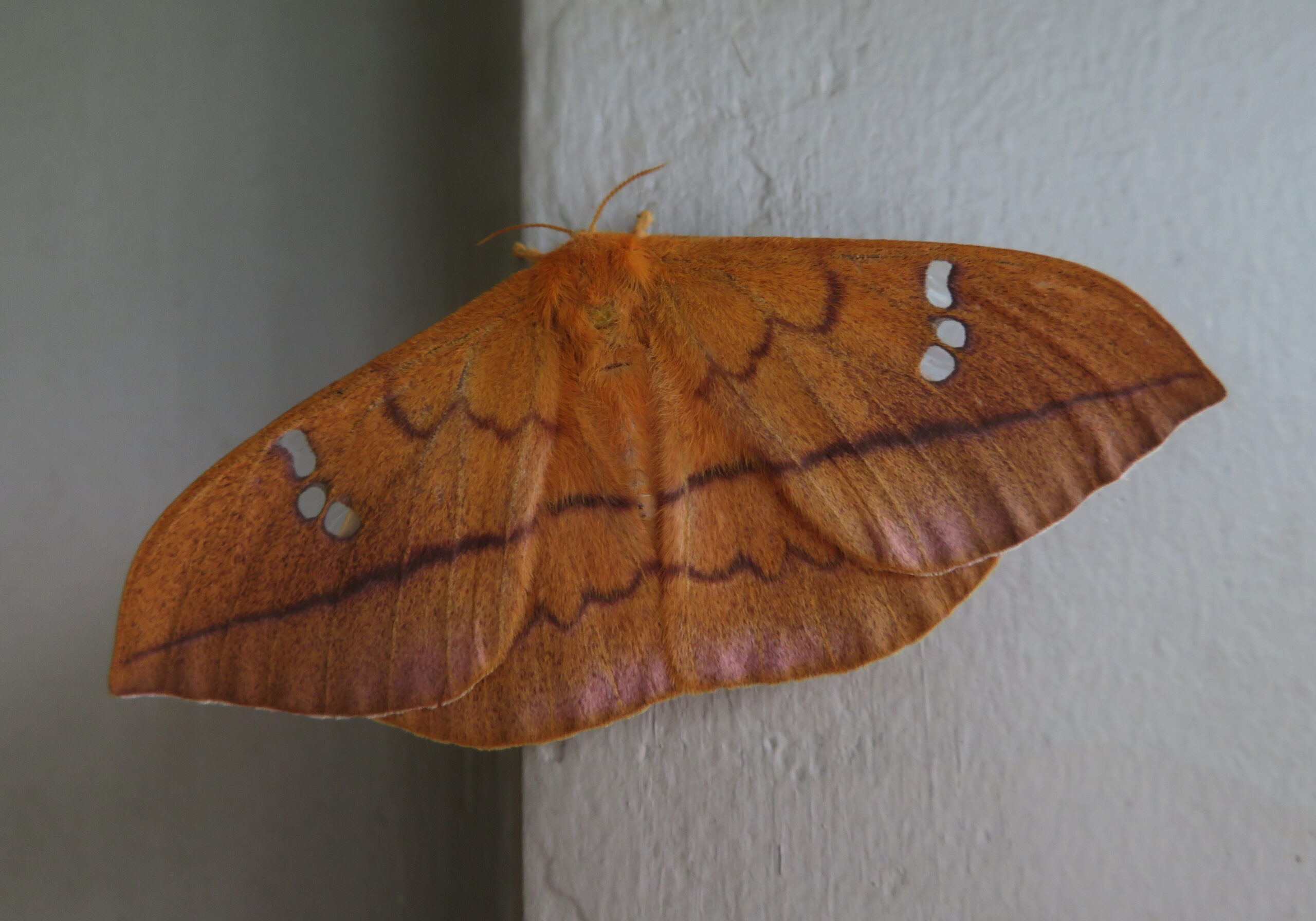
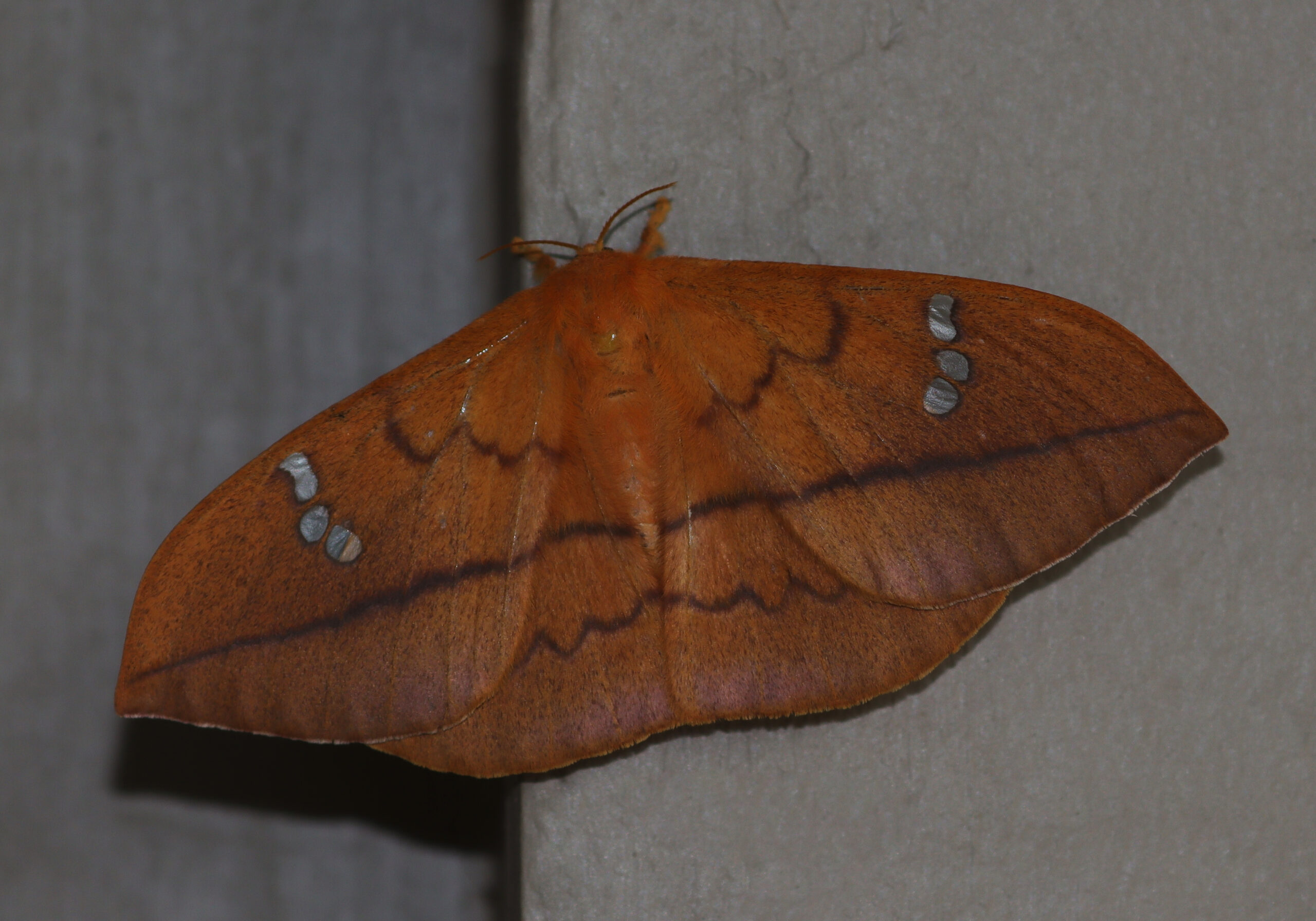
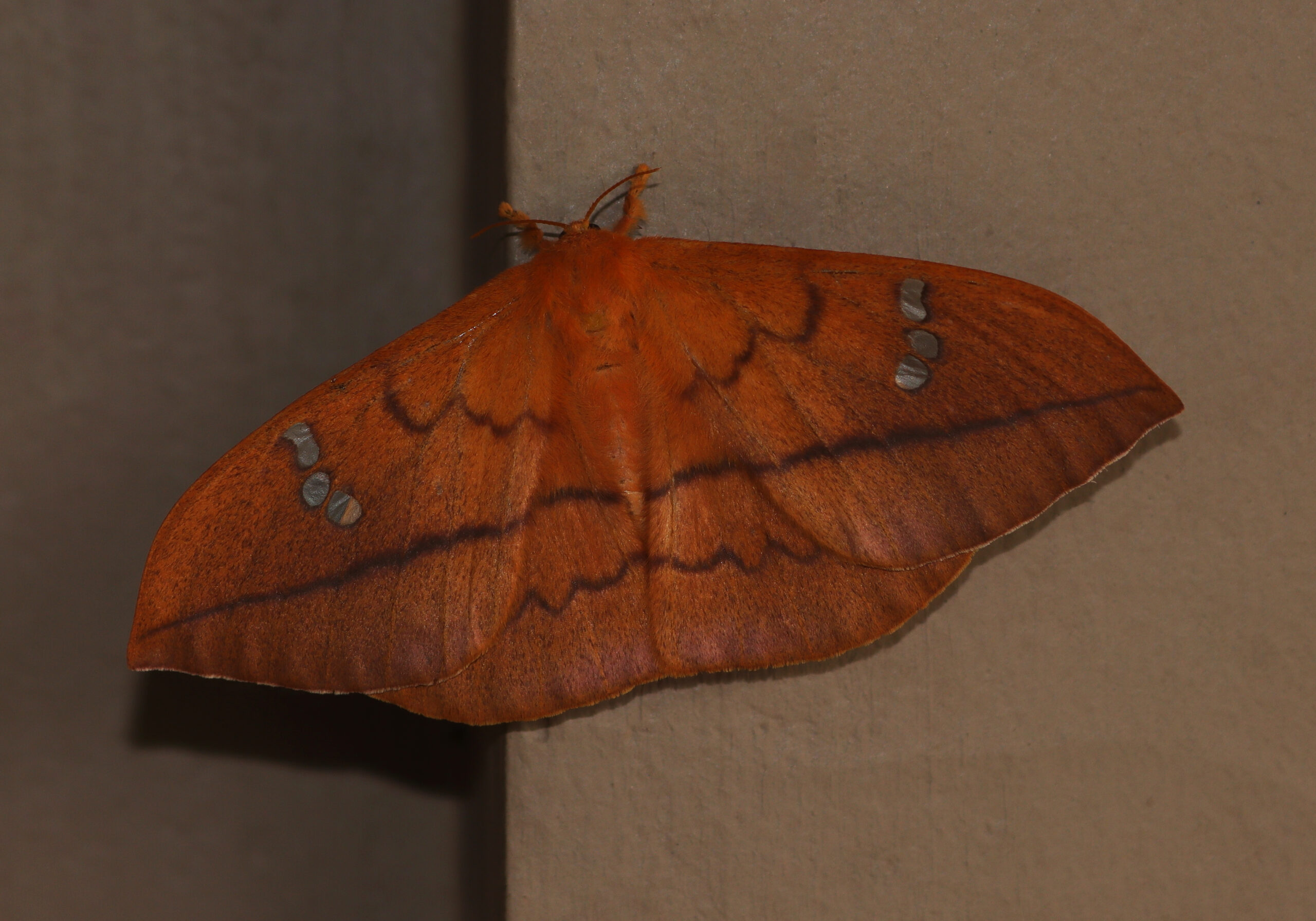
Moths of the genus Cricula are medium-sized saturniid moths recognized by their striking golden-yellow to orange coloration and delicate wing patterns. A characteristic feature of many species is the presence of transparent or translucent “windows” on the wings, surrounded by fine dark markings and wavy lines. These features give the moths an elegant and distinctive appearance.
The body is robust and covered with scales, while the antennae are strongly feathered in males and less developed in females. Like most members of the family Saturniidae, adult Cricula moths have reduced mouthparts and do not feed, relying entirely on energy reserves accumulated during the caterpillar stage.
The life cycle involves complete metamorphosis with egg, larva, pupa, and adult stages. Caterpillars are often brightly colored and bear spines or tubercles. They feed on a variety of host plants, including trees and shrubs from several plant families, and may occasionally become minor pests in orchards and plantations.
Before pupation, larvae spin a distinctive golden silk cocoon. The silk produced by some Cricula species has attracted interest because of its natural golden color and potential use in specialty silk production.
The best-known species is Cricula trifenestrata, often called the Golden Emperor Moth, which is widespread throughout much of South and Southeast Asia.
Ecologically, Cricula species function as herbivores during their larval stage and as prey for birds, bats, reptiles, and parasitoid insects. Their caterpillars contribute to plant–insect interactions, while their cocoons and adults add to the diversity and ecological complexity of tropical forest ecosystems. Their beautiful appearance and naturally golden silk make them among the most distinctive members of the giant silk moth family.