Bali Wildlife
Every Spices Matter


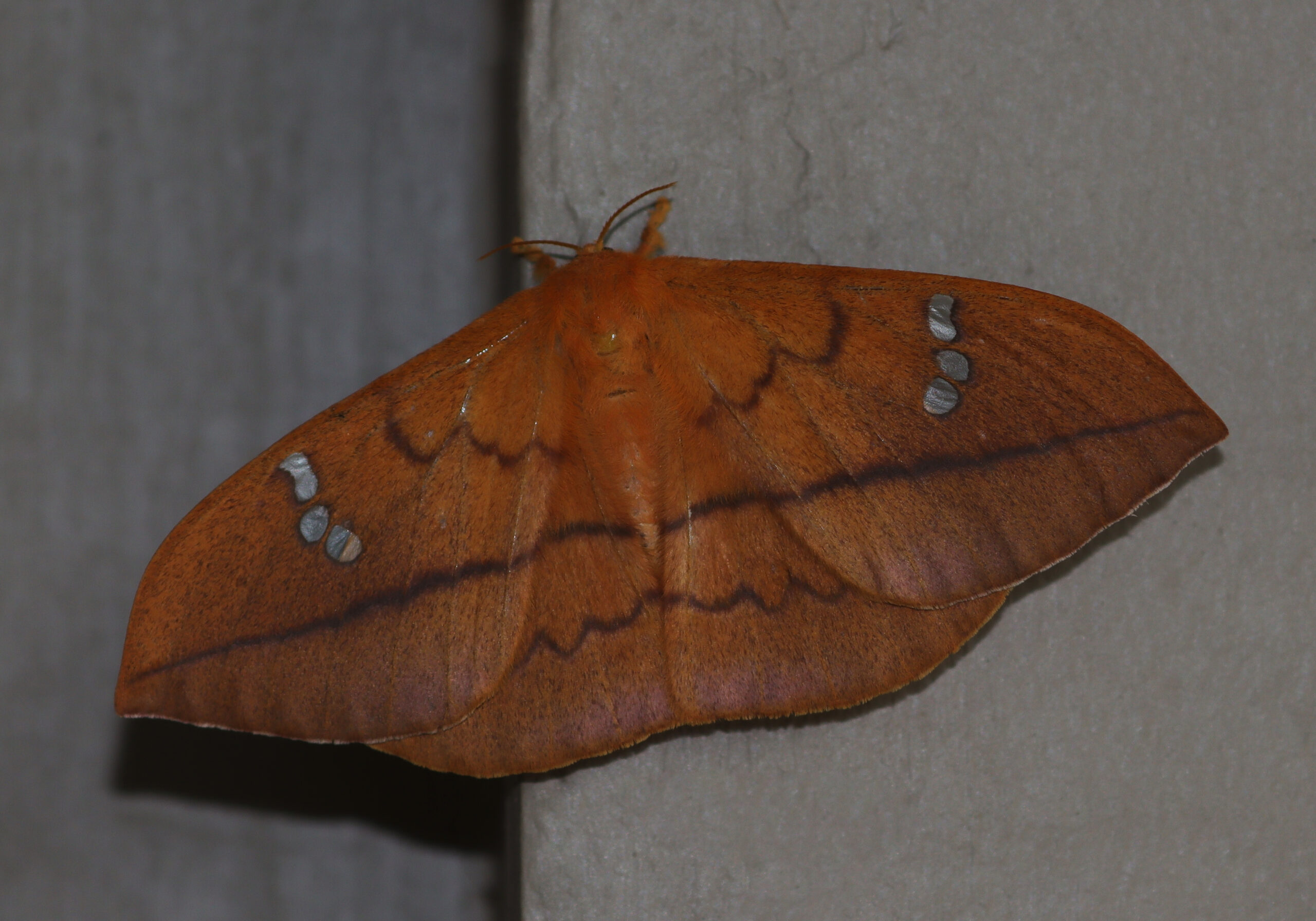
Saturniidae is a family of moths within the superfamily Bombycoidea (Order Lepidoptera), commonly known as giant silk moths. This family includes some of the largest and most spectacular moths in the world, with over 2,300 species distributed across all major continents except Antarctica. Saturniid moths are especially diverse in tropical and subtropical regions, where they inhabit forests, woodlands, grasslands, and agricultural landscapes.
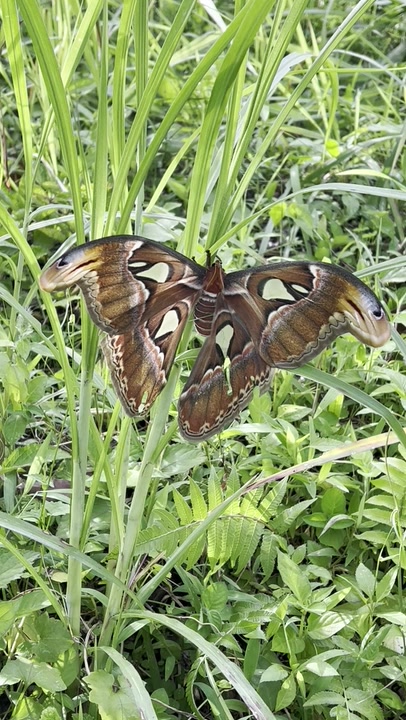
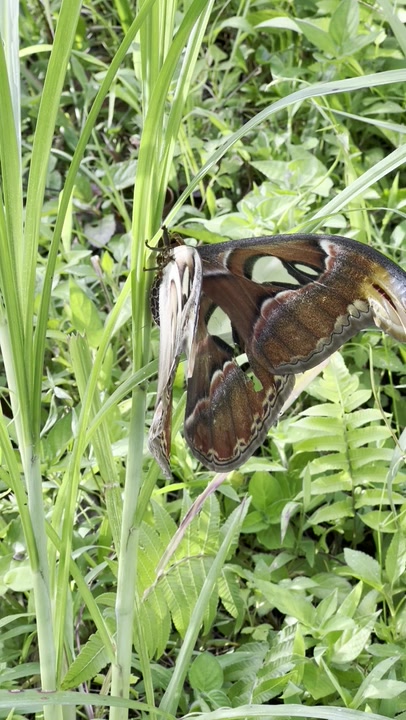
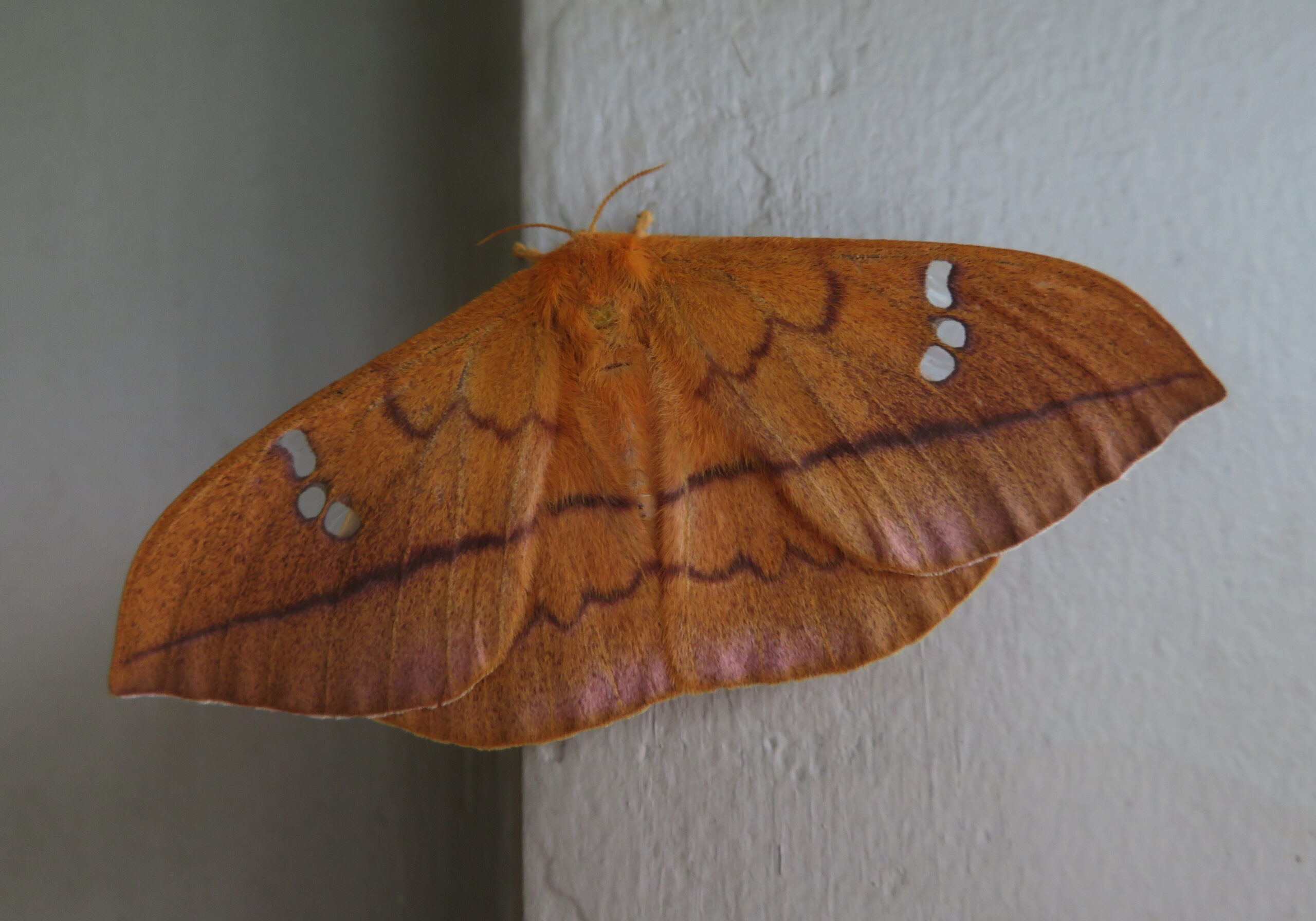
Members of the family Saturniidae are generally medium to very large moths with broad wings and stout, hairy bodies. Many species are renowned for their striking wing patterns, which often include large eyespots, transparent windows, bold bands, or vivid colors. These markings serve various defensive functions, including camouflage, mimicry, and predator deterrence.
Adults possess relatively small heads and, in most species, greatly reduced or non-functional mouthparts. As a result, they do not feed during the adult stage and rely entirely on energy reserves accumulated during their larval development. Adult life spans are typically short, often lasting only a few days to a few weeks.
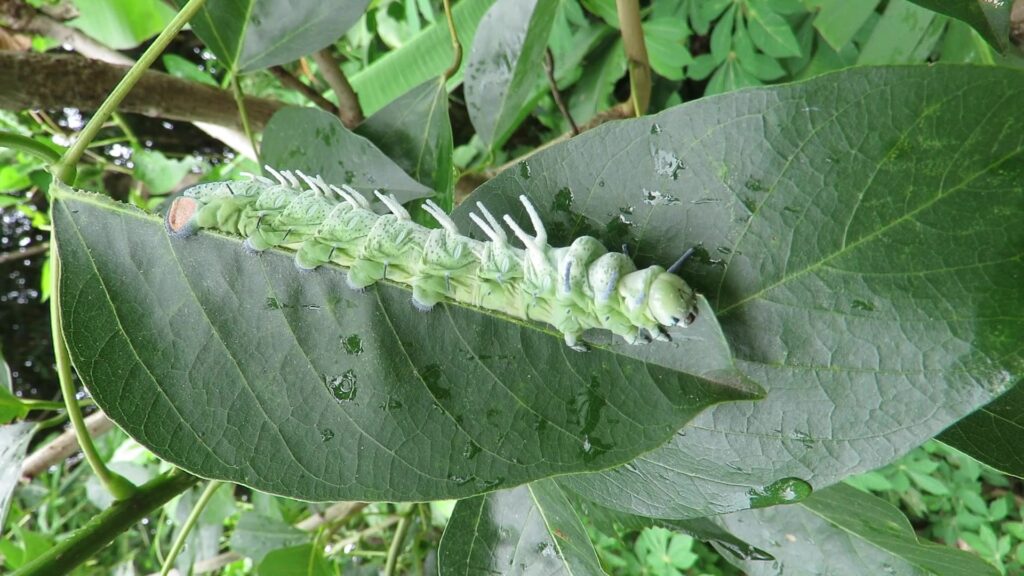
The life cycle involves complete metamorphosis, consisting of egg, larva (caterpillar), pupa, and adult stages. Caterpillars are usually large, colorful, and often adorned with spines, tubercles, or waxy projections. They feed voraciously on leaves of trees and shrubs and play a major role as herbivores in many ecosystems.
Before pupation, most saturniid caterpillars spin a silk cocoon, within which the pupa develops. This silk is generally coarser than that produced by the domesticated silkworm but is harvested from some species for commercial purposes.
The family includes well-known genera such as Attacus (atlas moths), Actias (moon moths), Samia, Antheraea, and Saturnia, representing a remarkable diversity of forms and ecological adaptations.
Ecologically, Saturniidae moths are important herbivores during their larval stage and serve as prey for birds, bats, reptiles, mammals, and parasitoid insects. Their caterpillars influence plant communities through feeding, while adults contribute to food webs despite their brief lifespan. Many species are also valued for their beauty, ecological significance, and cultural importance in silk production and natural history.