

Potter and Mason Wasps (Subfamily Eumeninae)
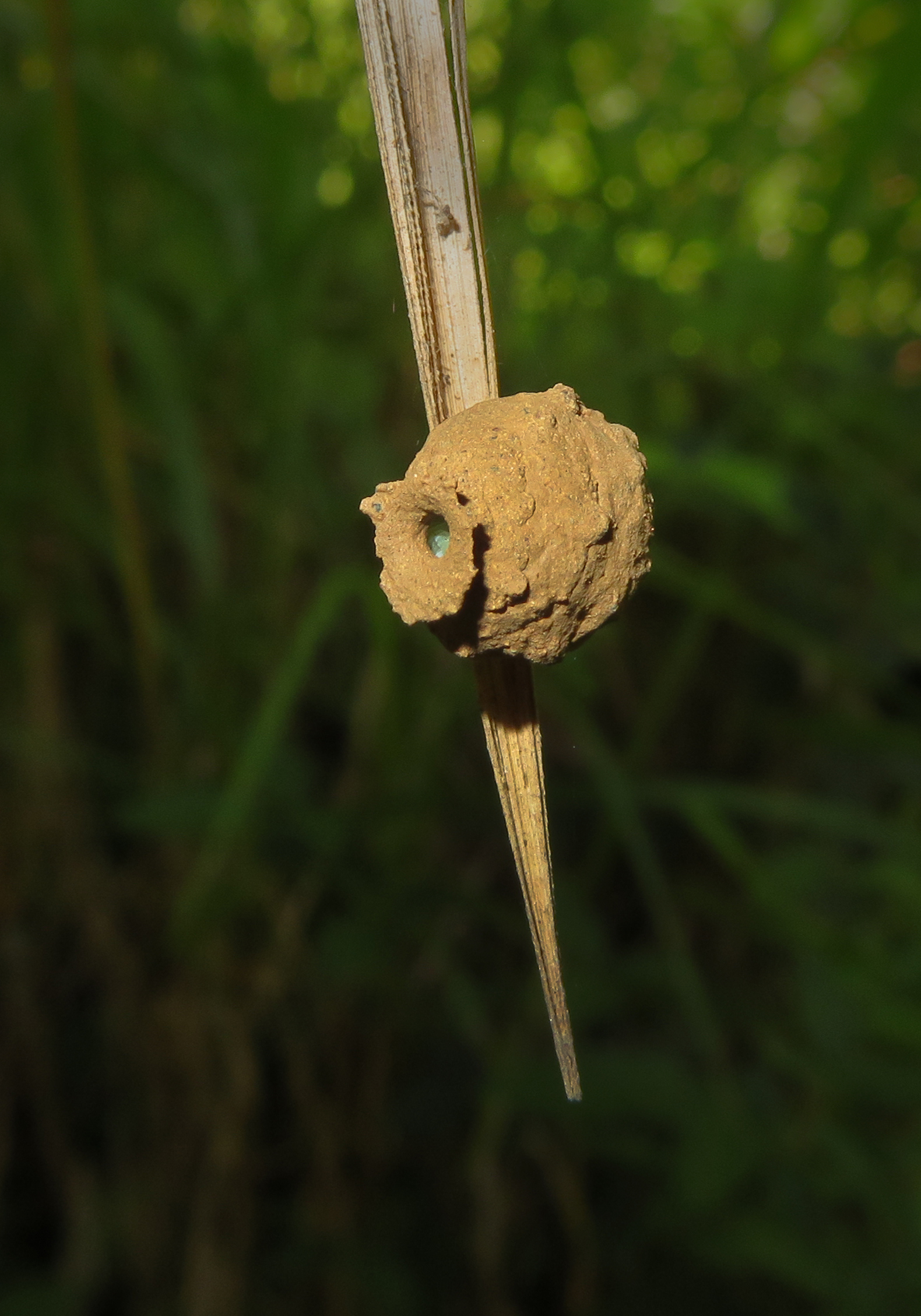
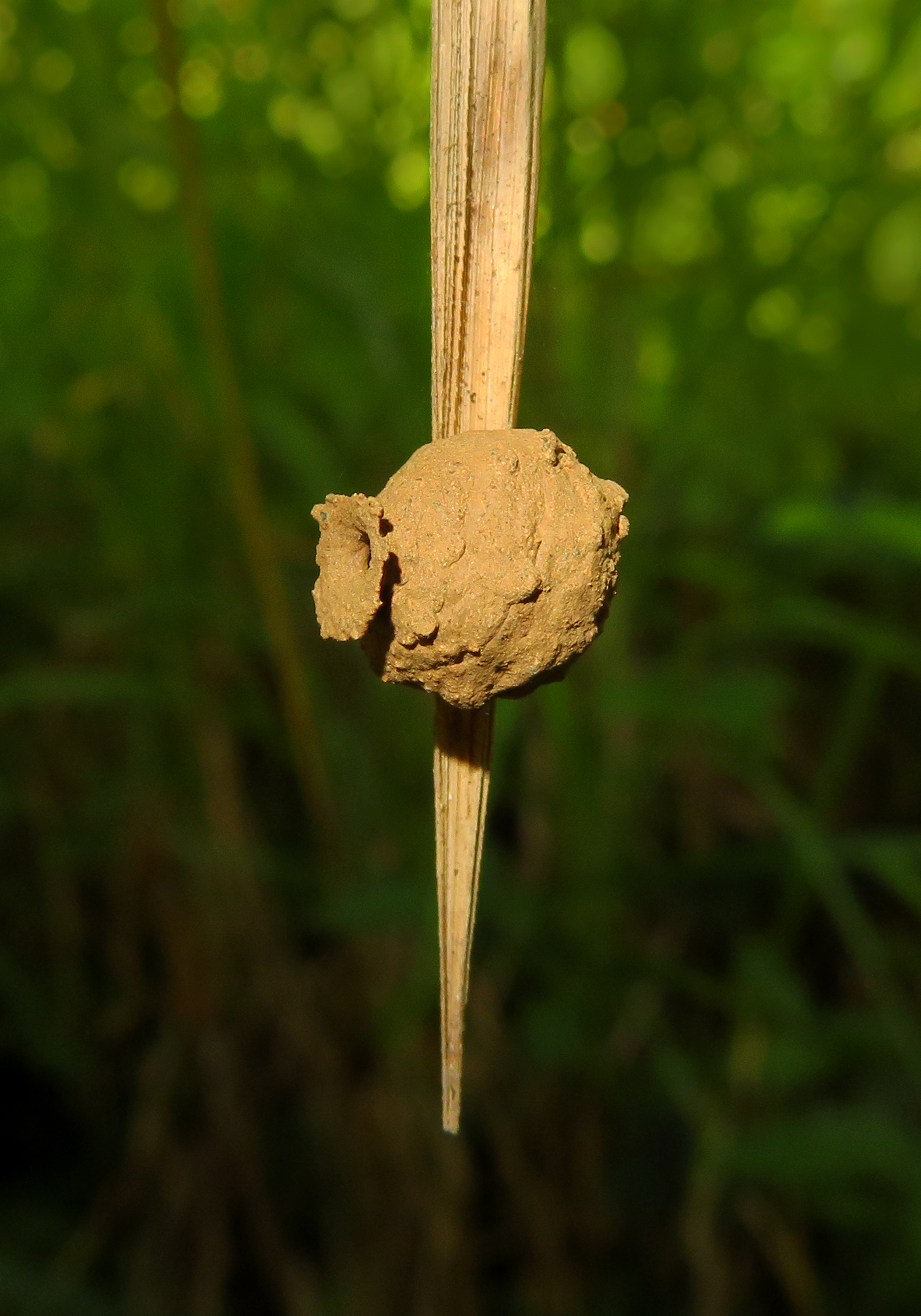
Eumeninae is a large subfamily of wasps within the family Vespidae (Order Hymenoptera). Commonly known as the potter wasps and mason wasps, the subfamily comprises more than 3,500 described species distributed worldwide, with the greatest diversity occurring in tropical and subtropical regions. Members inhabit tropical rainforests, temperate forests, grasslands, shrublands, wetlands, deserts, agricultural fields, orchards, parks, gardens, and urban environments, where suitable nesting sites and prey are available.
Wasps of the subfamily Eumeninae are generally small to medium-sized, measuring approximately 5–30 mm in body length. They possess a slender body with a narrow, elongated petiole (waist) connecting the thorax and abdomen, giving many species a graceful appearance. Coloration varies considerably and includes combinations of black, brown, reddish-brown, yellow, orange, white, and metallic blue or green. Many species display bold yellow or orange markings on a black background, resembling social wasps, while others are more cryptically colored. Their wings are transparent to smoky brown and are folded longitudinally when at rest, a characteristic feature of vespid wasps.
Adults are diurnal and are active during warm, sunny conditions. They are frequently observed visiting flowers to feed on nectar, which provides the primary energy source for adults. Unlike social wasps, the vast majority of eumenine wasps are solitary, with each female independently constructing, provisioning, and maintaining her nest without the assistance of workers. Nesting behavior is highly diverse: some species build characteristic pot-shaped mud nests, while others utilize hollow stems, abandoned beetle burrows, rock crevices, or cavities in wood and walls.
Members of Eumeninae are predatory, with females hunting soft-bodied insect larvae, particularly caterpillars (Lepidoptera) and occasionally beetle larvae or sawfly larvae. After locating suitable prey, the female stings and permanently paralyzes it before transporting it to the nest. An egg is laid on or near the immobilized prey, which serves as fresh food for the developing larva. Adult wasps themselves feed almost exclusively on nectar and other sugar-rich plant exudates.
The life cycle involves complete metamorphosis, consisting of egg, larva, pupa, and adult stages. Each nest cell is provisioned with one or more paralyzed prey items before being sealed with mud or other nesting material. The larva consumes the stored prey, pupates within the protected cell, and later emerges as an adult. In temperate regions, many species overwinter in the pupal stage.
The subfamily includes numerous well-known genera, including Eumenes, Delta, Rhynchium, Anterhynchium, Pararrhynchium, Oreumenes, and Ancistrocerus. Many species are recognized by their remarkable nest-building behavior and their role as natural enemies of caterpillars.
Ecologically, Eumeninae wasps are important biological control agents, helping regulate populations of herbivorous caterpillars and other insect larvae in natural and agricultural ecosystems. Adults also contribute to the pollination of flowering plants while feeding on nectar. They, in turn, serve as prey for birds, reptiles, spiders, mantises, and other predatory insects. Because many species depend on healthy vegetation, suitable nesting substrates, and abundant insect prey, Eumeninae wasps are valuable indicators of habitat quality, ecosystem health, and biodiversity.