Bali Wildlife
Every Spices Matter


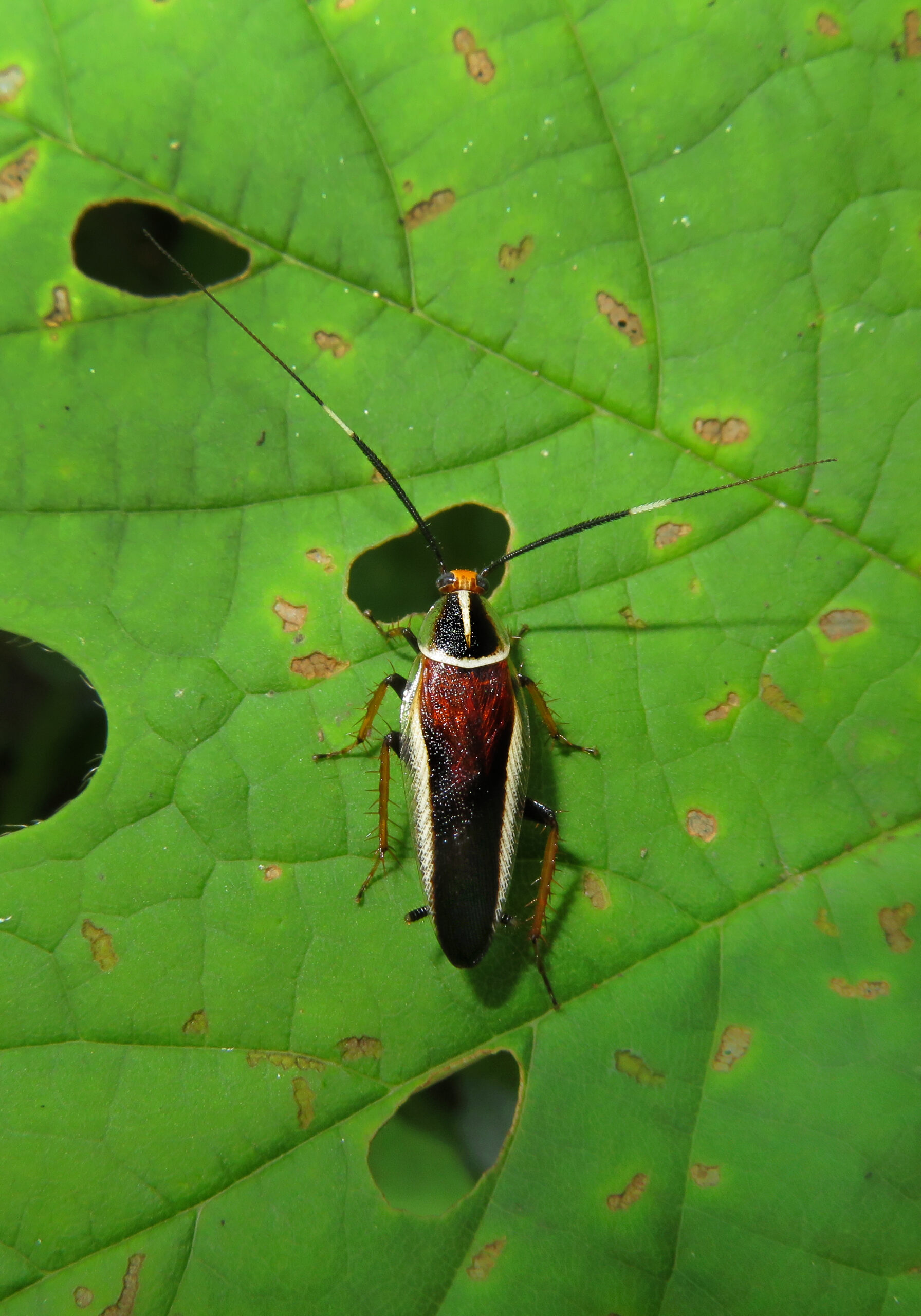
Blattellidae is a family of cockroaches within the order Blattodea, comprising a diverse assemblage of small to medium-sized species distributed worldwide. Members of this family are particularly abundant in tropical and subtropical regions, although several species have successfully adapted to temperate environments and human habitations. They occupy a wide range of habitats, including forests, grasslands, leaf litter, caves, agricultural landscapes, gardens, and urban areas.
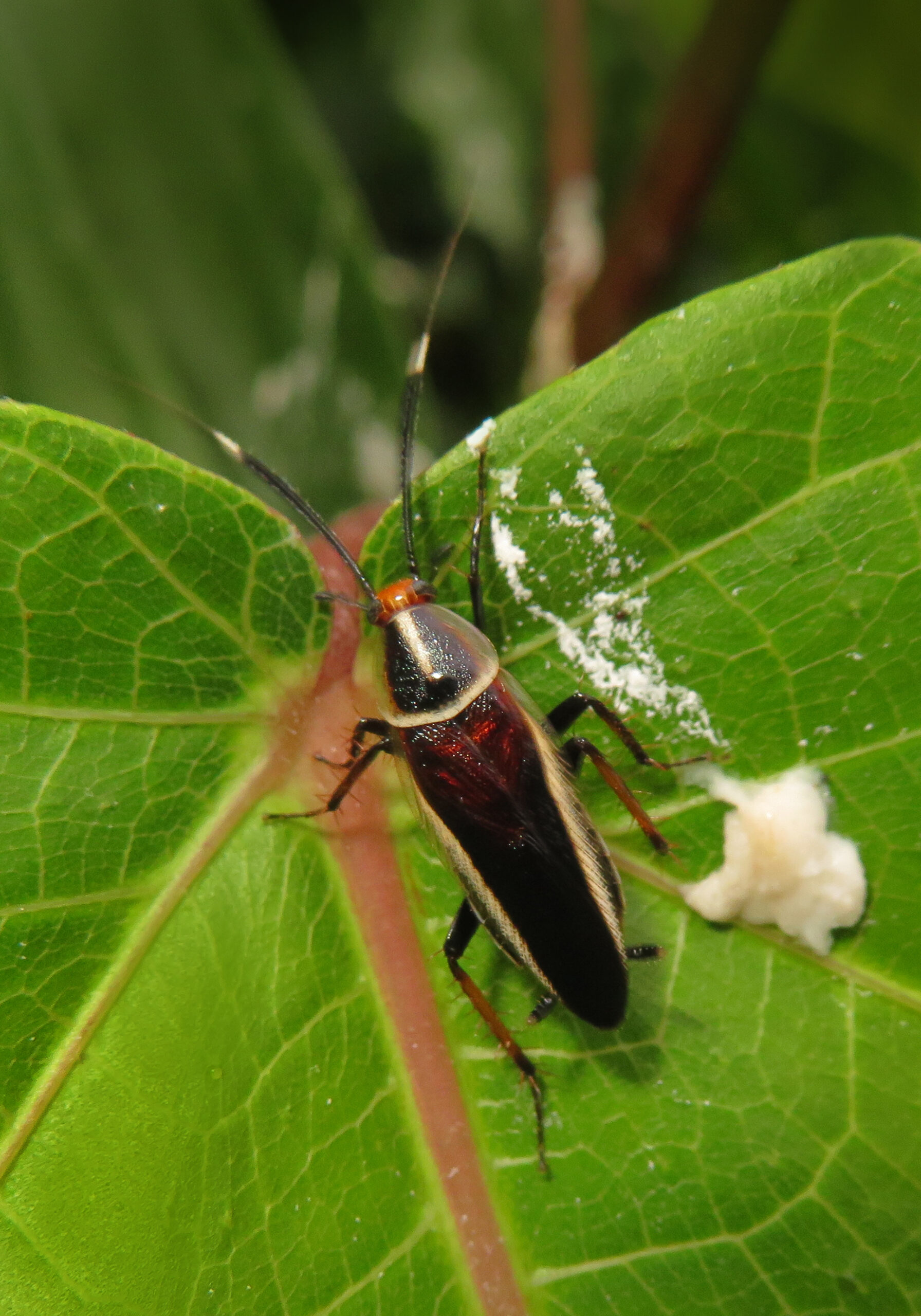
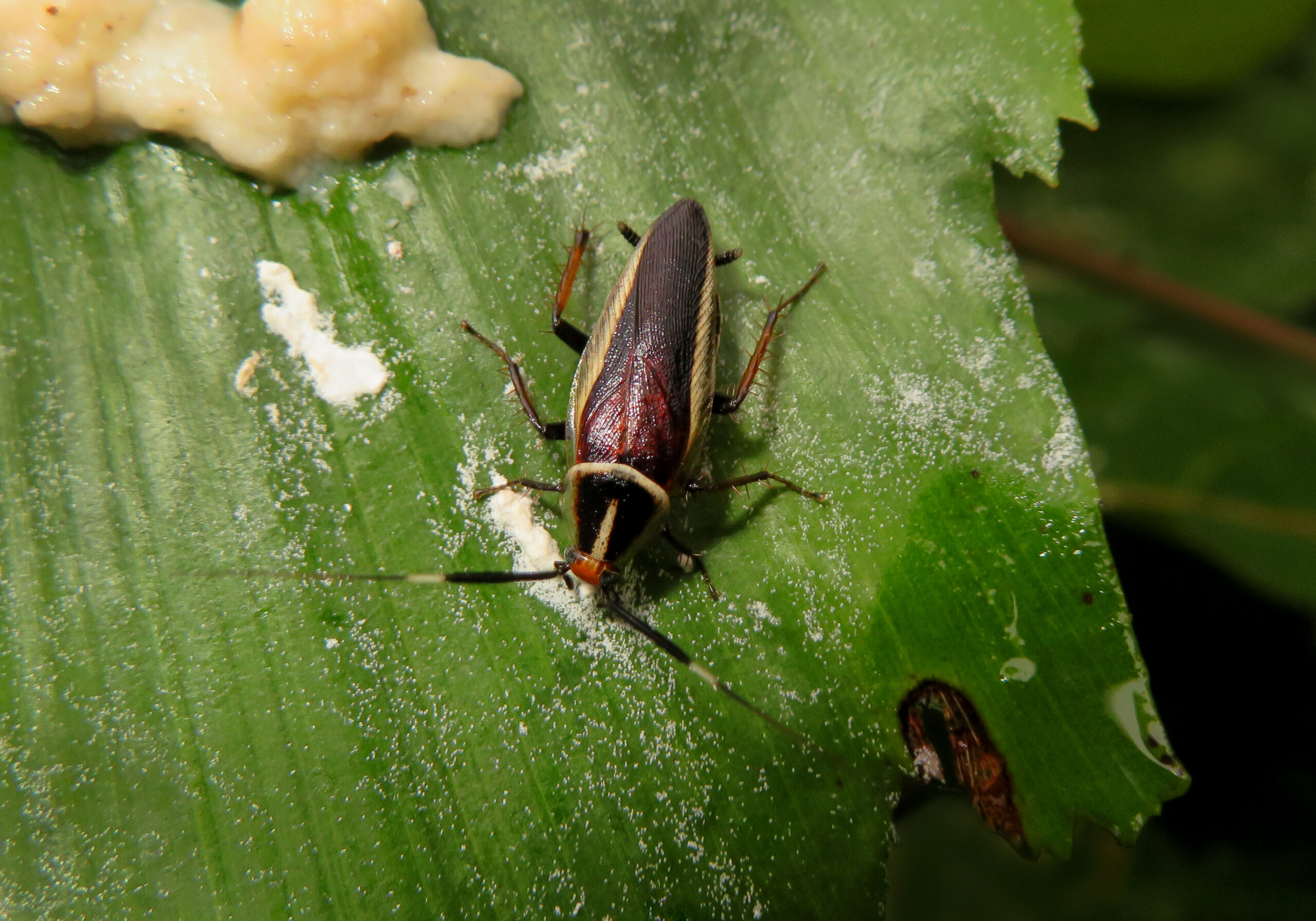
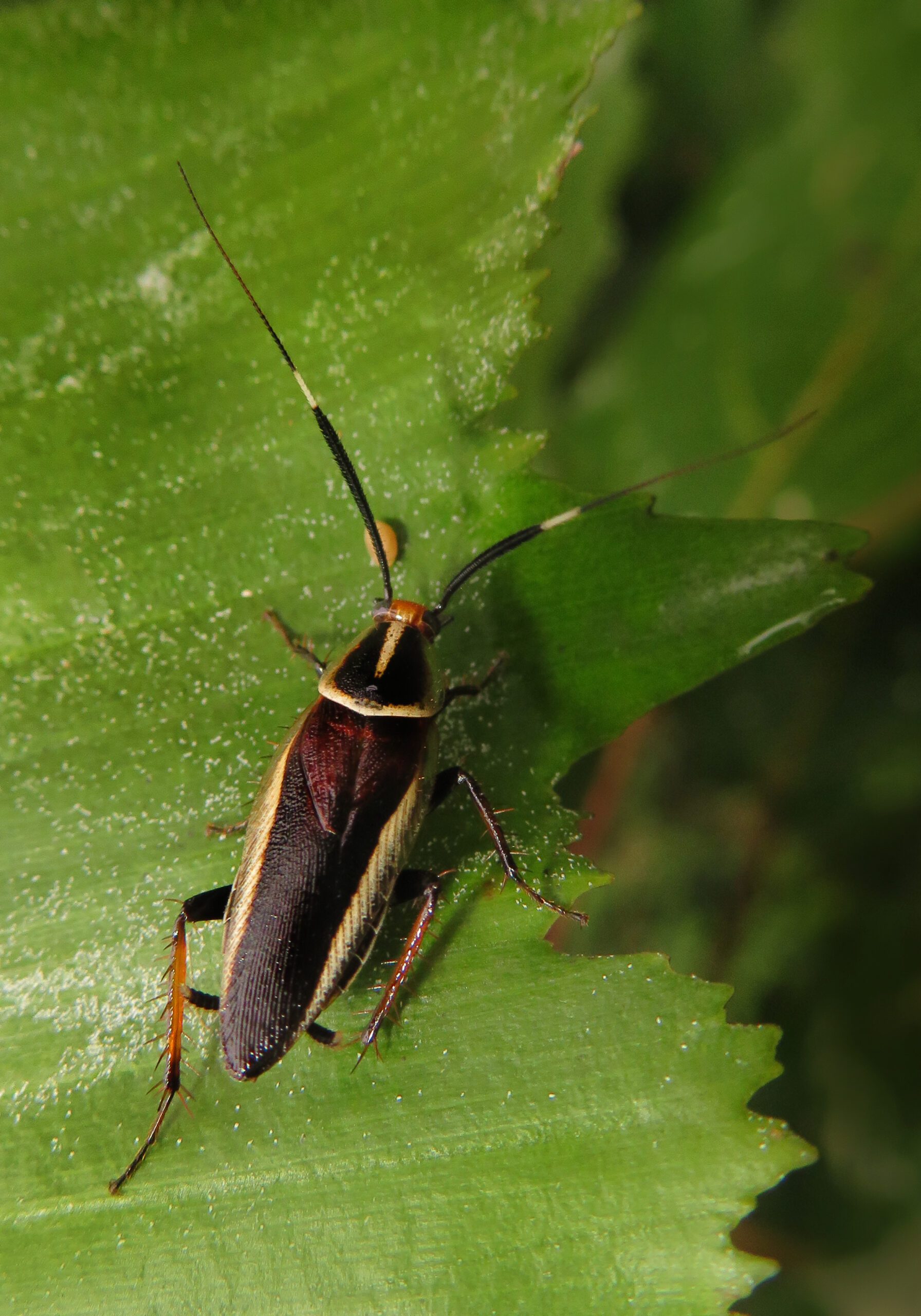
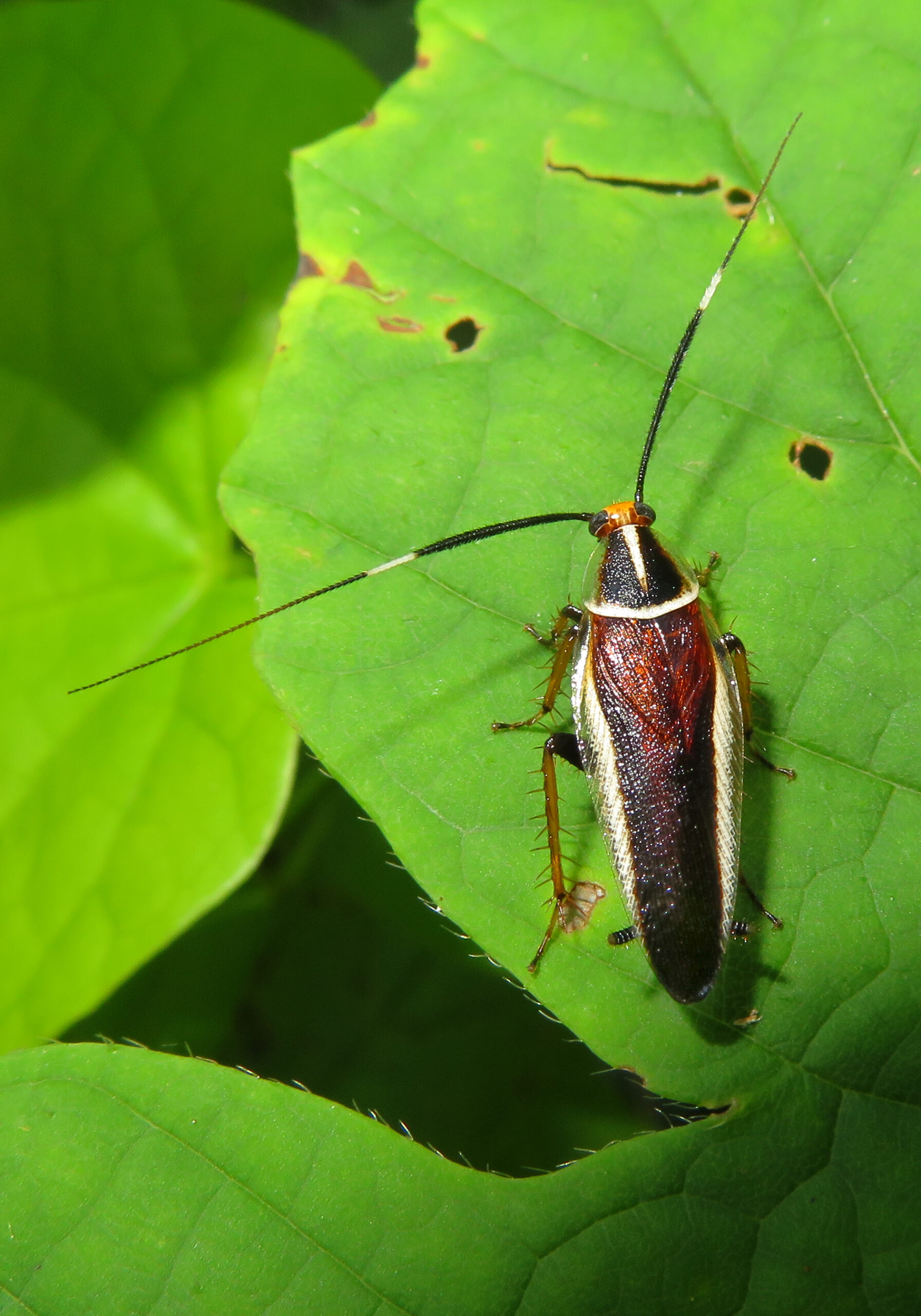
Cockroaches of the family Blattellidae are generally small to medium-sized and possess a flattened, oval body that enables them to move easily through narrow crevices and dense vegetation. Their coloration ranges from pale yellow and light brown to reddish-brown or dark brown, often with stripes, bands, or mottled markings that provide camouflage. They have long, filamentous antennae, large compound eyes, and well-developed chewing mouthparts adapted for a wide variety of foods.
Most species have fully developed wings, although wing length varies among species and between the sexes. Many are capable of short flights or gliding, while others rely primarily on rapid running to escape predators.
Blattellids are predominantly nocturnal and spend daylight hours concealed beneath bark, stones, logs, leaf litter, or within cracks and crevices. They are opportunistic omnivores and scavengers, feeding on decaying plant material, fungi, seeds, fruits, dead insects, and a wide range of organic matter. Species associated with human environments may also consume stored foods and household waste.
The life cycle involves incomplete metamorphosis, consisting of egg, nymph, and adult stages. Females produce eggs enclosed within a protective capsule called an ootheca. Depending on the species, the ootheca may be carried for a period before being deposited in a sheltered location or attached to a suitable substrate. Nymphs resemble miniature adults and develop through a series of molts before reaching maturity.
The family includes numerous genera, such as Blattella, Ectobius, Symploce, and Lobopterella. Some species, notably Blattella germanica (the German cockroach), are among the most important household pests worldwide, whereas the majority of species are free-living inhabitants of natural ecosystems.
Ecologically, Blattellidae species are important decomposers that contribute to the breakdown of organic matter and nutrient cycling. They also serve as prey for birds, reptiles, amphibians, spiders, mammals, and predatory insects. Although a few species are economically significant pests, most play beneficial roles in maintaining soil fertility and supporting terrestrial food webs.