

Clitellates (Class Clitellata)
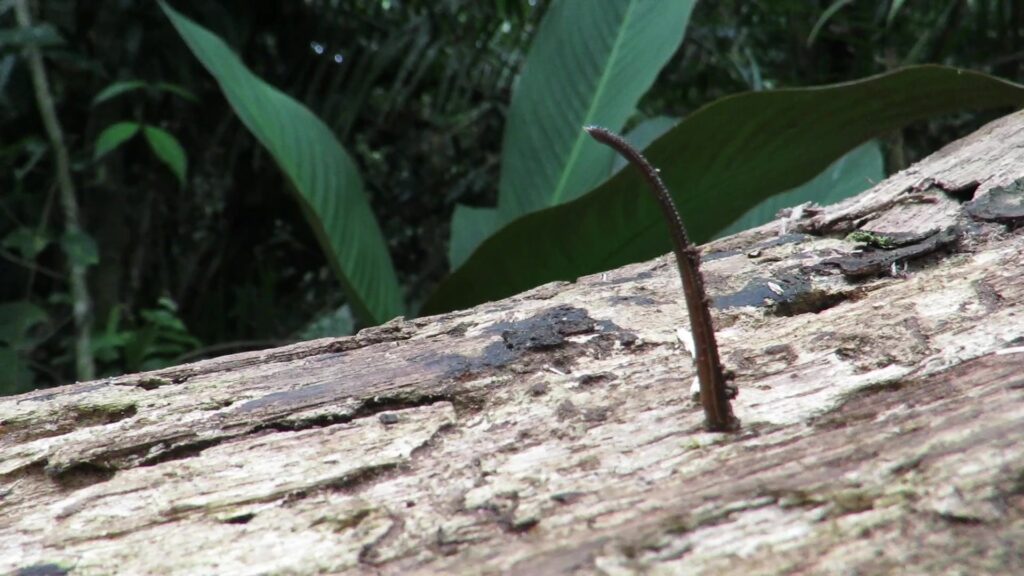
Clitellata is a class of segmented worms belonging to the phylum Annelida. Its members include earthworms, leeches, and numerous related freshwater and terrestrial worms. They are characterized by the presence of a specialized reproductive structure called the clitellum, a thickened region of the body that produces mucus during mating and secretes material used to form a protective cocoon for eggs. Clitellates occur in a wide range of habitats, including moist soils, freshwater environments, wetlands, and some marine or estuarine habitats.
Members of Clitellata have elongated, soft, bilaterally symmetrical bodies divided into repeated segments. Their bodies are generally covered by a thin, moist outer layer that helps protect internal tissues and, in many species, supports gas exchange through the skin. The segments contain muscles that allow the worms to stretch, contract, crawl, and burrow. Many species also possess small bristles called chaetae, which provide traction during movement, although these are greatly reduced or absent in leeches.
The clitellum is the defining feature of this class and plays a central role in reproduction. It becomes particularly prominent in sexually mature individuals and contains glands that produce mucus and cocoon-forming material. During reproduction, the clitellum helps facilitate the exchange of sperm in many species and later forms a cocoon in which fertilized eggs develop. This reproductive adaptation distinguishes clitellates from many other annelids, particularly the numerous marine worms that release eggs and sperm directly into the water.
Clitellata includes two familiar groups: earthworms and their relatives, commonly placed among the oligochaetes, and leeches, traditionally classified as Hirudinea. Earthworms generally have cylindrical bodies with numerous segments and relatively small chaetae that help them move through soil. Leeches often have flattened bodies and specialized suckers at one or both ends, which help them attach to surfaces, move, or feed. Modern annelid classification recognizes that the evolutionary relationships among these groups are more complex than older classifications suggested.
Clitellates inhabit diverse environments. Earthworms are particularly common in moist soils rich in organic material, where they burrow and feed on decomposing plant matter. Aquatic species live in streams, ponds, lakes, wetlands, and other freshwater habitats, often among sediment, submerged vegetation, or decaying organic debris. Leeches occur mainly in freshwater environments, although some species inhabit terrestrial or marine-associated habitats. Moisture and suitable shelter are important for many clitellates because their bodies are vulnerable to drying.
Feeding habits vary considerably within the class. Many earthworms ingest soil and decaying organic material, helping break down plant remains and recycle nutrients. Other clitellates feed on microorganisms, detritus, or small invertebrates. Leeches display a variety of feeding strategies: some are predators of small aquatic animals, while others feed on the blood of vertebrates. These differences allow clitellates to occupy a range of ecological roles in both terrestrial and aquatic ecosystems.
The digestive system is generally complete, with separate mouth and anus openings. In many species, the intestine is adapted to process organic material efficiently. Clitellates also possess a fluid-filled body cavity and a muscular body wall that support movement. Many have a closed circulatory system, while their nervous system typically consists of a cerebral ganglion and a ventral nerve cord with segmental ganglia. Gas exchange commonly occurs through the moist body surface, making suitable environmental humidity or water availability important for survival.
Reproduction in Clitellata is generally sexual, and many species are hermaphroditic, meaning that each individual possesses both male and female reproductive organs. However, individuals often exchange sperm with a partner rather than fertilizing their own eggs. Following mating, the clitellum produces a cocoon into which eggs and stored sperm are deposited. Fertilization and embryonic development occur within this protective structure. In many earthworms and leeches, young hatch as miniature versions of the adults, without a free-swimming larval stage.
Clitellates play important ecological roles. Earthworms improve soil structure through burrowing, aeration, and the mixing of organic matter with mineral soil. Their casts can contribute to nutrient availability and influence plant growth. Aquatic clitellates participate in decomposition and sediment food webs, while predatory and blood-feeding leeches form part of aquatic and terrestrial food chains. Some leeches are also used in carefully controlled medical procedures because their saliva contains compounds that inhibit blood clotting.
Despite their ecological importance, clitellates can be affected by habitat degradation, pollution, soil compaction, drought, and changes in water quality. Intensive agriculture and excessive pesticide use may reduce earthworm populations, while the destruction of wetlands and stream habitats can threaten aquatic species. Maintaining healthy soils, protecting freshwater ecosystems, and conserving natural vegetation help support the diversity and ecological functions of this group.
Overall, Clitellata is an important class of annelid worms distinguished by the reproductive clitellum, segmented bodies, and diverse adaptations to life in soil and water. Its members contribute to decomposition, nutrient cycling, soil formation, and aquatic food webs. From familiar earthworms to specialized leeches, clitellates demonstrate the ecological importance and evolutionary diversity of segmented invertebrates.