

Leeches (Subclass Hirudinea)
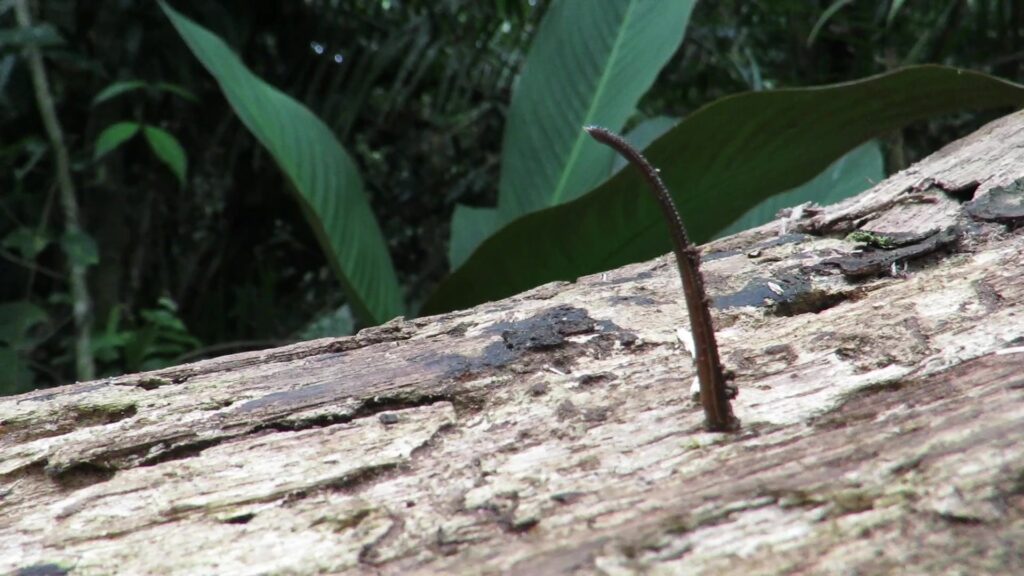
Hirudinea is a group of segmented worms belonging to the phylum Annelida and traditionally classified within the class Clitellata. Its members are commonly known as leeches. They are found primarily in freshwater habitats, although some species inhabit moist terrestrial environments and marine or coastal ecosystems. Leeches are distinguished by their flexible, often flattened bodies, specialized suckers, and diverse feeding strategies. While many species are blood-feeding parasites, others are predators that consume small invertebrates.
Members of Hirudinea generally have elongated bodies composed of numerous externally visible rings. These rings, called annuli, do not always correspond directly to the underlying true body segments. Most leeches possess a posterior sucker used for attachment and locomotion, while many also have an anterior sucker surrounding the mouth. These structures allow them to cling to surfaces, move across substrates, and attach to hosts during feeding. Unlike many other annelids, adult leeches generally lack the prominent bristles, or chaetae, commonly found in earthworms and many marine annelids.
Leeches vary considerably in size, shape, and coloration. Some species are small and slender, while others are broad and muscular. Their coloration may include black, brown, green, olive, red, or yellow patterns, sometimes with longitudinal stripes or spots. Certain species have smooth bodies, while others possess conspicuous surface markings or small papillae. Their flexible musculature enables them to stretch, contract, and move through water or across moist surfaces.
Hirudinea occurs on every continent except Antarctica, with species occupying a wide range of aquatic and terrestrial habitats. Freshwater leeches are common in ponds, lakes, marshes, streams, and slow-moving rivers, where they shelter among submerged vegetation, rocks, mud, and leaf litter. Terrestrial species generally inhabit humid forests and other moist environments, while marine-associated species occur in coastal waters. The distribution of individual species depends on suitable environmental conditions, host availability, and access to food.
Feeding habits are among the most diverse characteristics of leeches. Blood-feeding species attach to vertebrates, including fish, amphibians, reptiles, birds, and mammals. They use specialized mouthparts to pierce or cut the skin, depending on the species, and consume blood while secreting substances that help prevent clotting. Other leeches are predators that feed on earthworms, insect larvae, snails, and other small invertebrates. Some swallow prey whole, while others use muscular jaws or a protrusible pharynx to capture and consume it.
The digestive system of leeches is adapted to their particular feeding strategies. Blood-feeding species may possess an expandable crop that stores substantial quantities of blood, allowing them to survive for long periods between meals. Their saliva may contain anticoagulants and other substances that facilitate feeding. These adaptations are especially useful for species that encounter hosts infrequently. Predatory leeches, in contrast, often have digestive systems suited to processing smaller prey consumed more frequently.
Leeches move using their muscular bodies and suckers. Many freshwater species alternate between attaching their suckers and extending or contracting the body, producing a looping movement similar to that of a measuring worm. Others swim by undulating their bodies from side to side. Terrestrial leeches can move across moist vegetation and forest floors while searching for prey or hosts. Sensory receptors help them detect chemical cues, vibrations, temperature changes, and movement in their surroundings.
Reproduction in Hirudinea is generally sexual, and most species are hermaphroditic, meaning that each individual possesses both male and female reproductive organs. However, mating usually involves the exchange of sperm between individuals. As members of Clitellata, leeches possess a clitellum during reproduction, although it may be less conspicuous than that of earthworms. Eggs are deposited in cocoons, which may be attached to vegetation, placed in moist soil, or deposited in protected locations. Depending on the species, young leeches hatch as miniature versions of adults or undergo different patterns of early development.
Leeches play important ecological roles in aquatic and terrestrial food webs. Predatory species help regulate populations of small invertebrates, while blood-feeding species form part of the relationships between parasites and their hosts. Leeches are also prey for fish, aquatic insects, birds, and other animals. Their presence and abundance can provide useful information about habitat conditions, although their ecological significance varies among species and environments.
Some leeches have been used in medicine for centuries. In modern clinical practice, particular species, such as the medicinal leech Hirudo medicinalis, may be used in carefully controlled procedures to help restore blood flow in tissues affected by venous congestion. Their saliva contains compounds that interfere with blood clotting, making them useful in specific reconstructive and microsurgical situations. However, wild leeches should not be used for medical purposes, and not all species have the same properties or safety profile.
Despite their ecological importance, leeches may be affected by wetland destruction, water pollution, changes in stream flow, and the loss of suitable host species. Some species are sensitive to environmental degradation, while others tolerate disturbed habitats. Protecting freshwater ecosystems, maintaining natural vegetation, and preserving wetland environments can help conserve the diversity of Hirudinea.
Overall, Hirudinea is a distinctive group of annelid worms characterized by specialized suckers, flexible bodies, and varied feeding strategies. Although many people associate leeches primarily with blood-feeding, the group also includes numerous predatory species that play important roles in aquatic and terrestrial ecosystems. Their specialized anatomy, reproductive biology, and ecological relationships make them a significant component of annelid diversity.