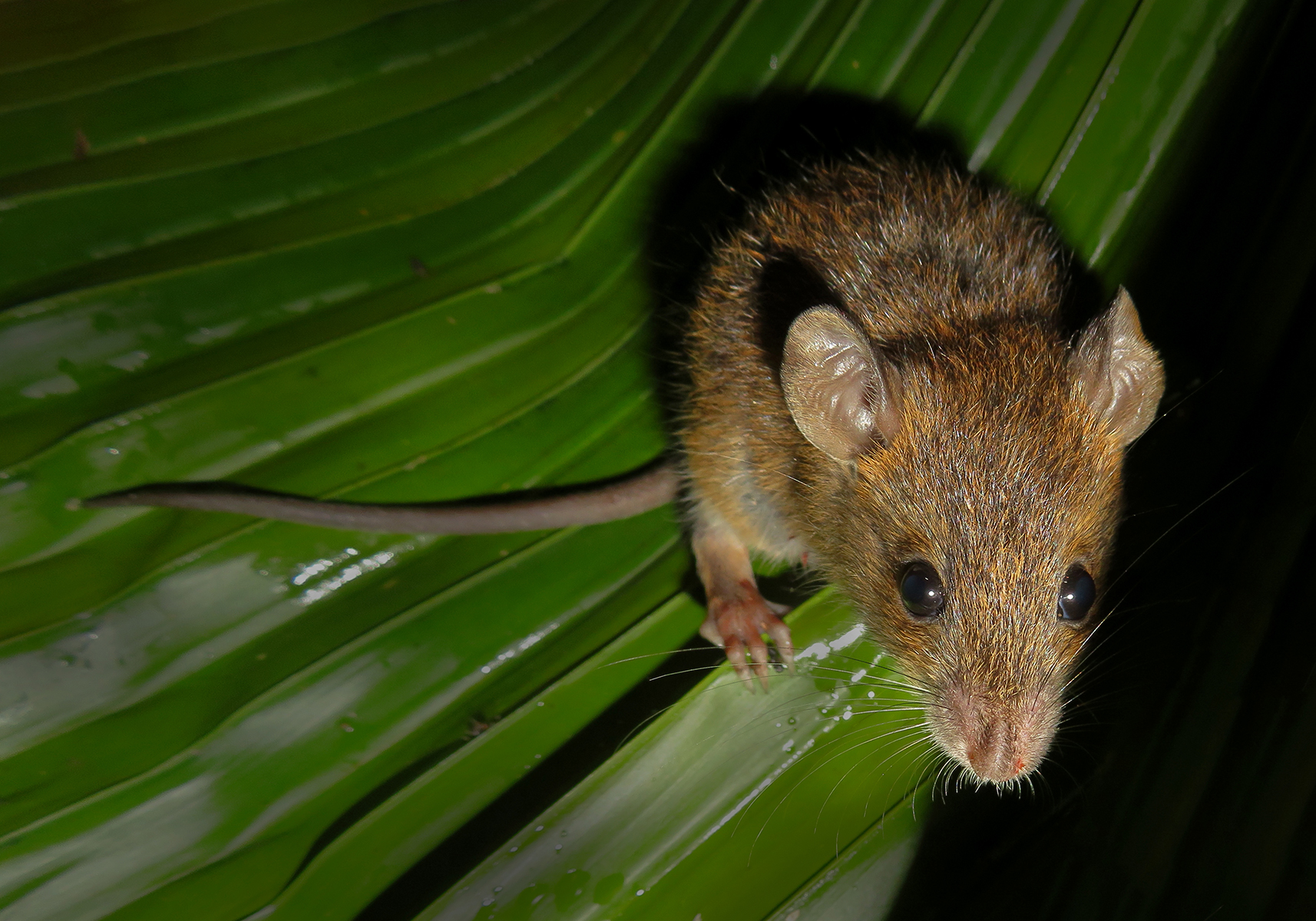
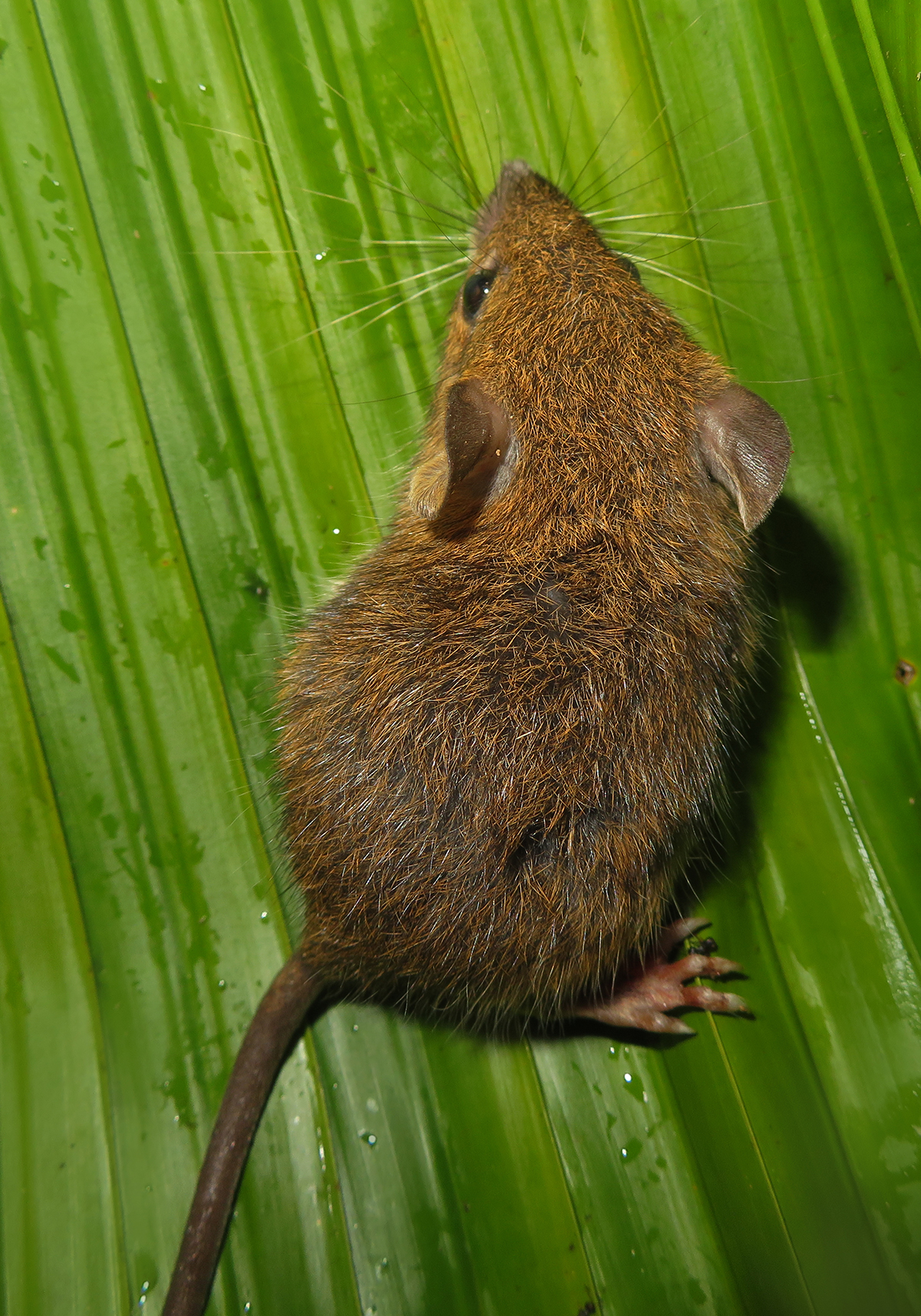
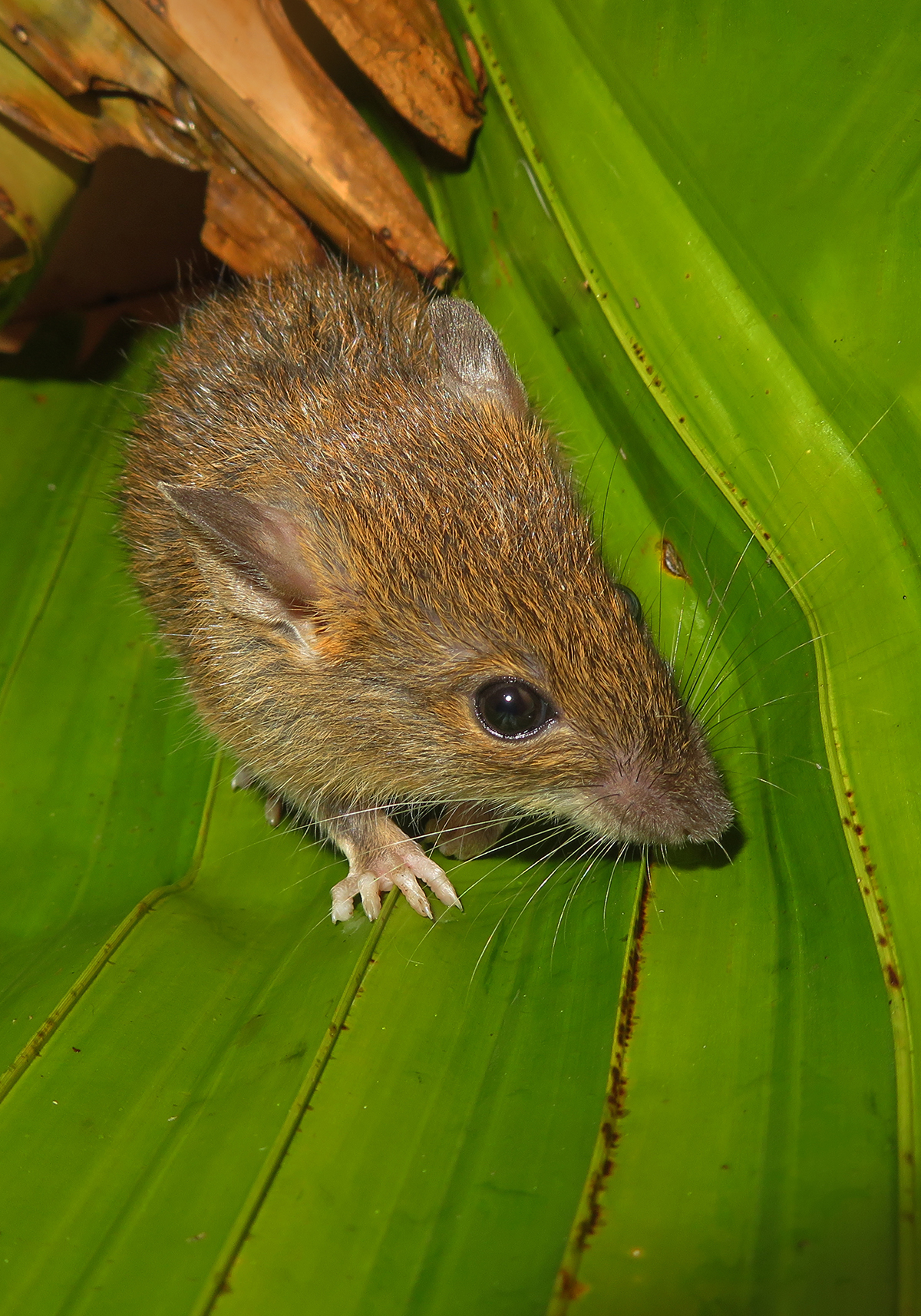
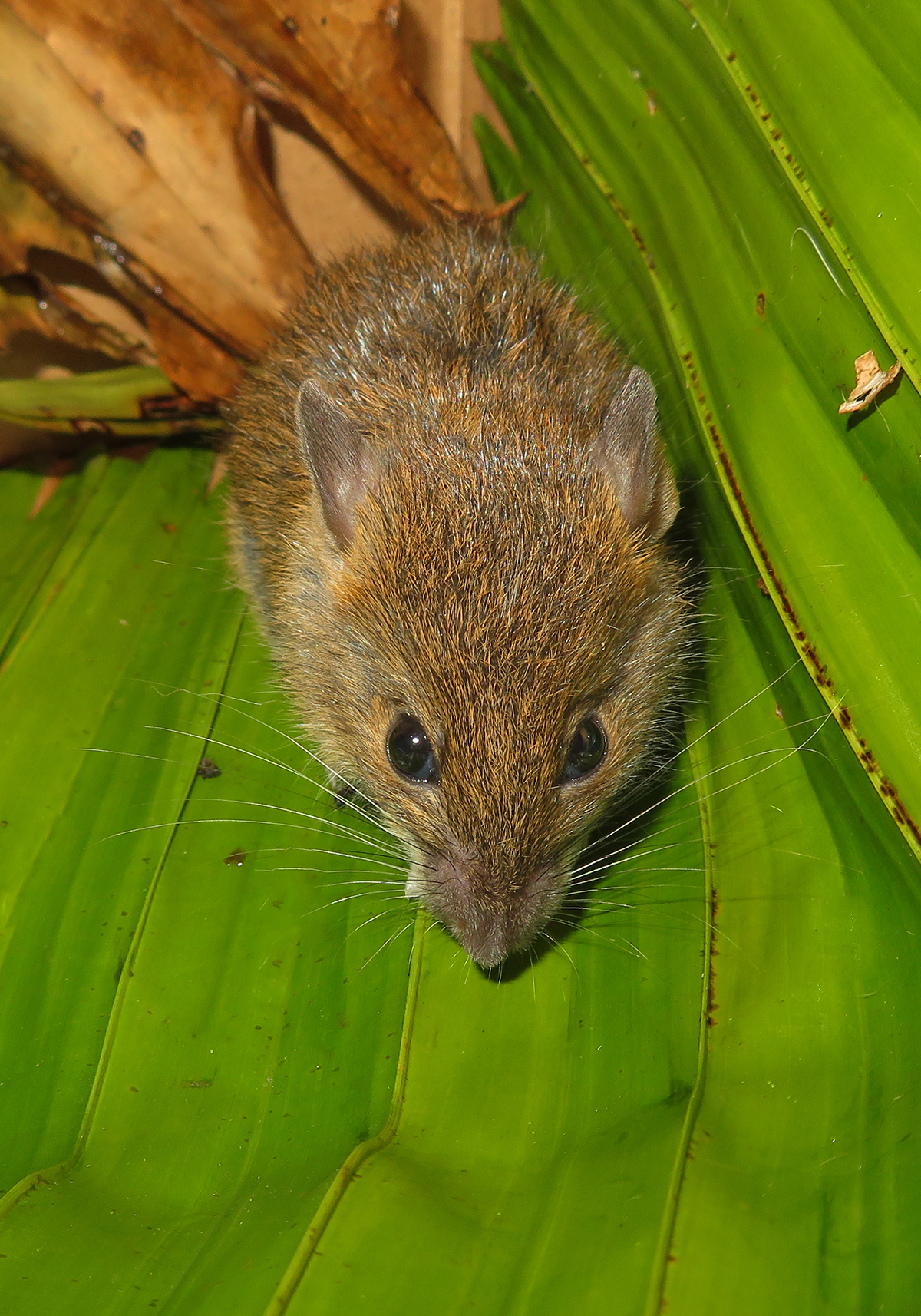
Bali Wildlife
Every Spices Matter


Vertebrata is a subphylum of Chordata comprising animals characterized by the presence of a vertebral column (backbone) that replaces or surrounds the notochord during development. Vertebrates possess a well-developed skull that protects the brain, along with a highly organized central and peripheral nervous system.
Members of Vertebrata typically exhibit bilateral symmetry, an internal skeleton made of bone or cartilage, and complex organ systems. Most vertebrates have paired appendages (fins, limbs, or wings), a closed circulatory system, and efficient respiratory structures such as gills or lungs. Sensory organs are highly specialized, allowing advanced perception of the environment.
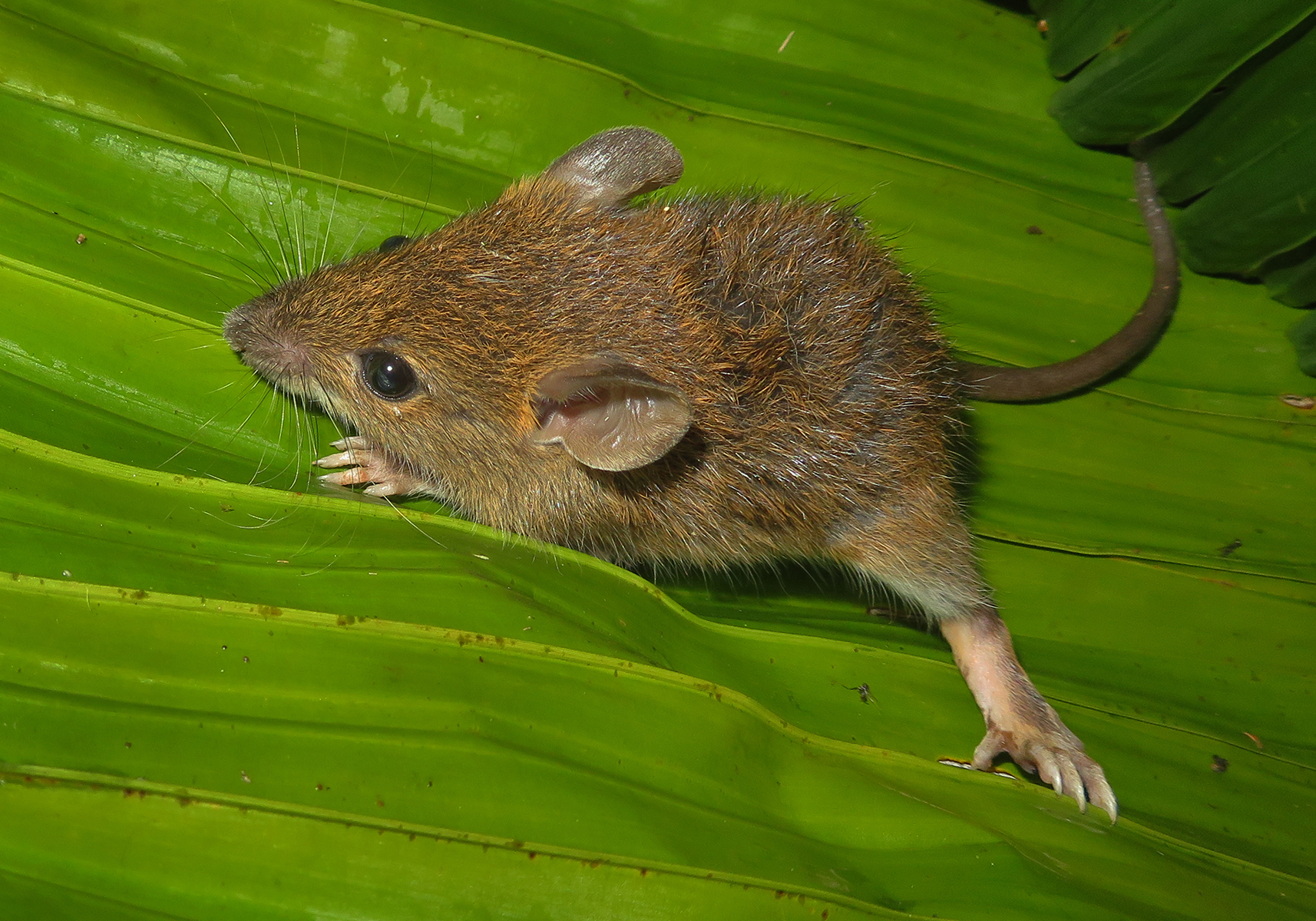
Vertebrates occupy a wide range of habitats, including marine, freshwater, terrestrial, and aerial ecosystems. This subphylum includes major animal groups such as fishes, amphibians, reptiles, birds, and mammals, which play crucial ecological roles as predators, herbivores, and omnivores. Many vertebrate species are of significant importance to humans in terms of ecology, culture, research, and conservation.