Bali Wildlife
Every Spices Matter


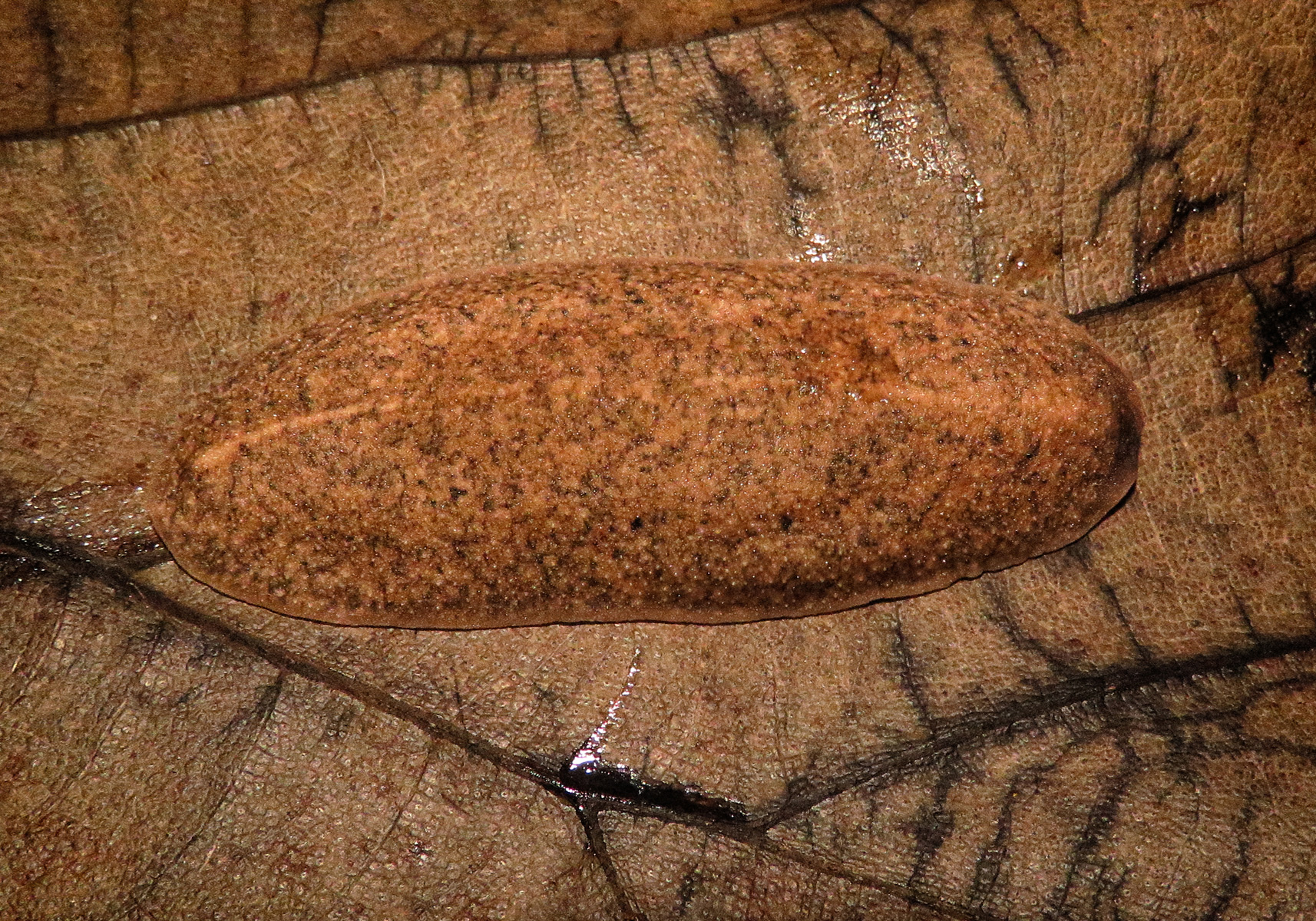
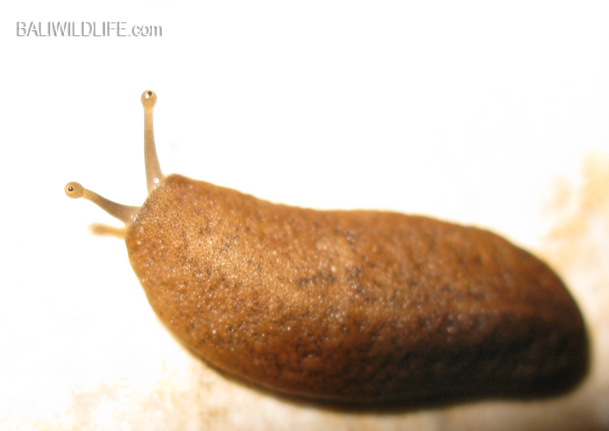
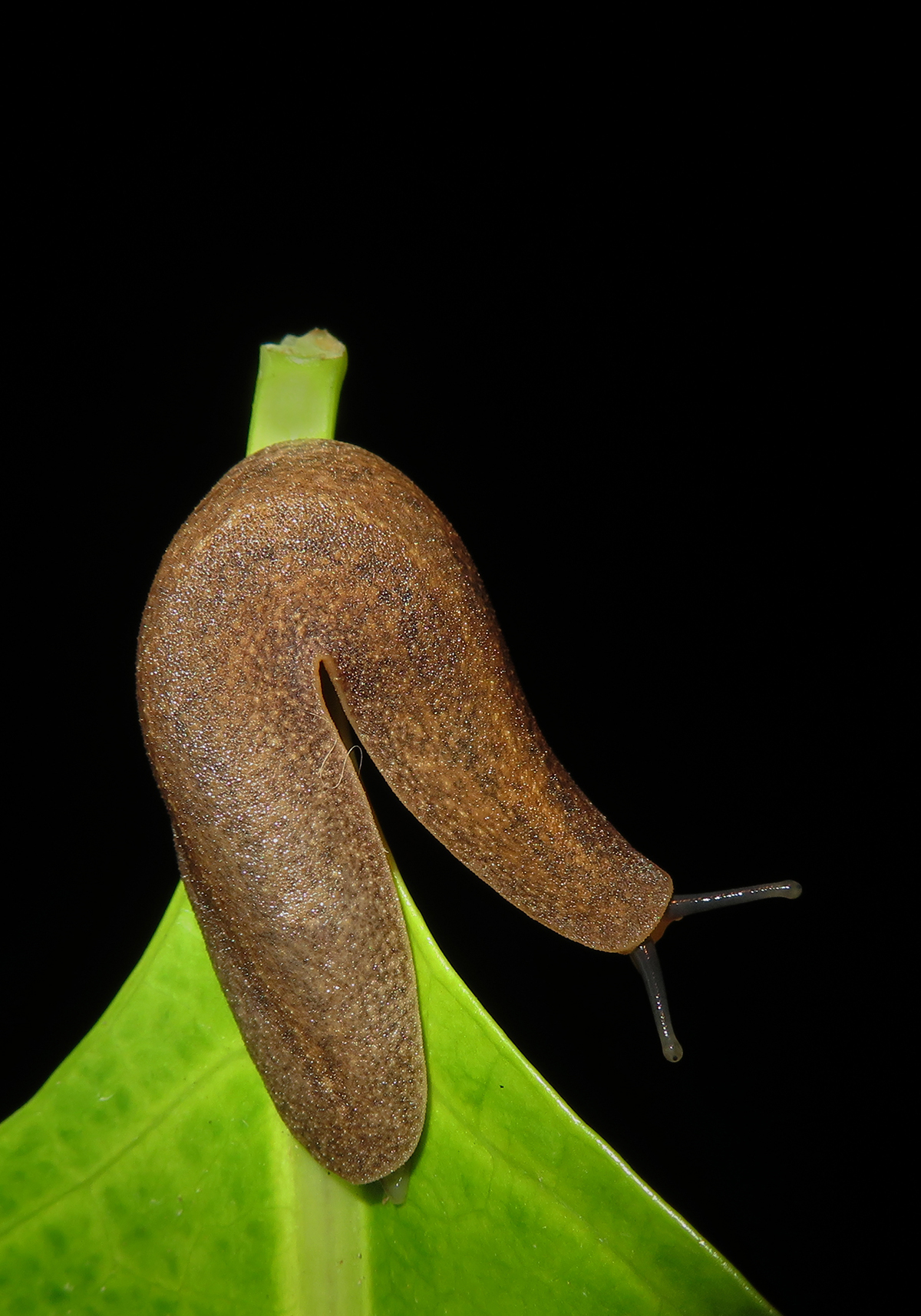
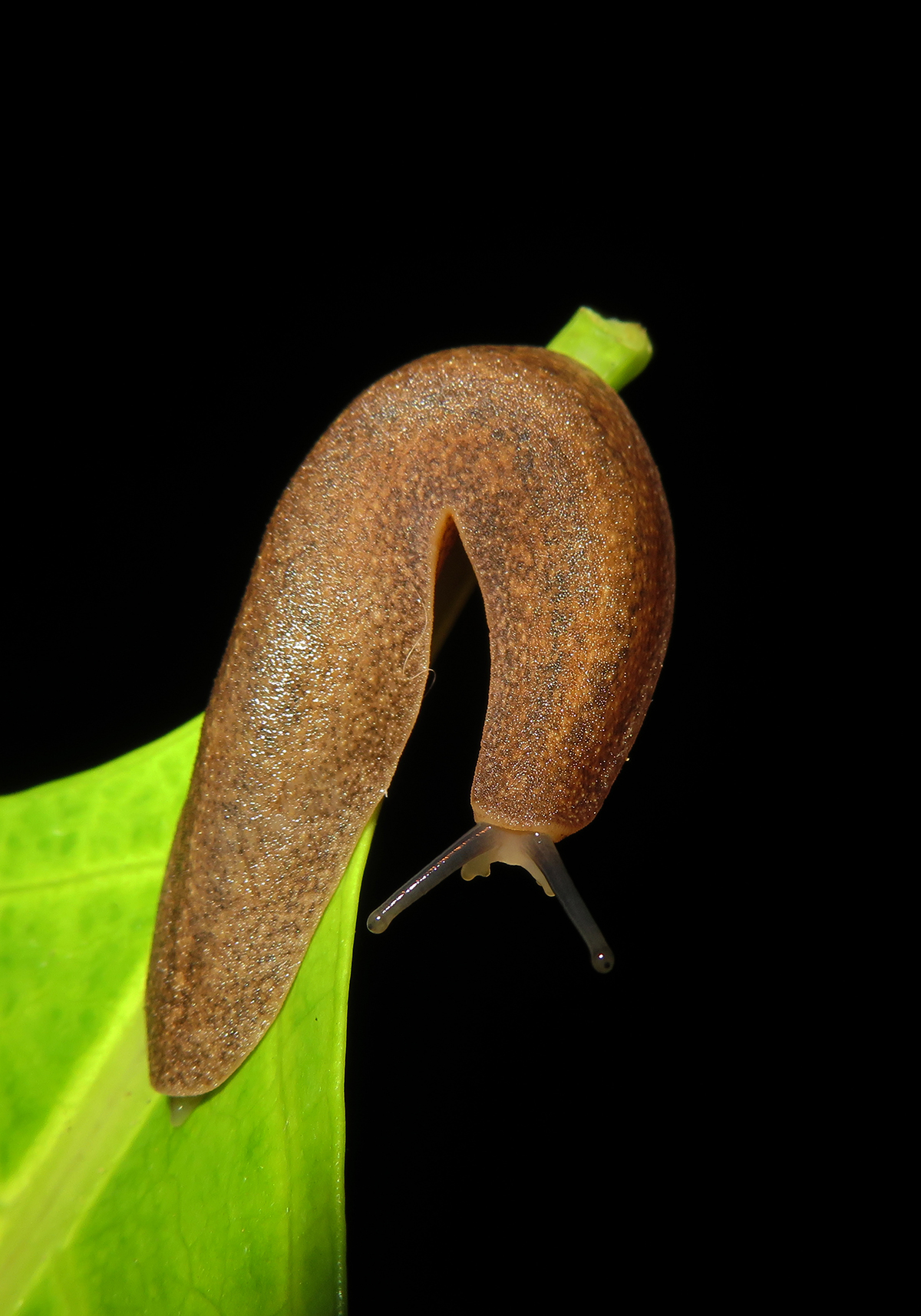
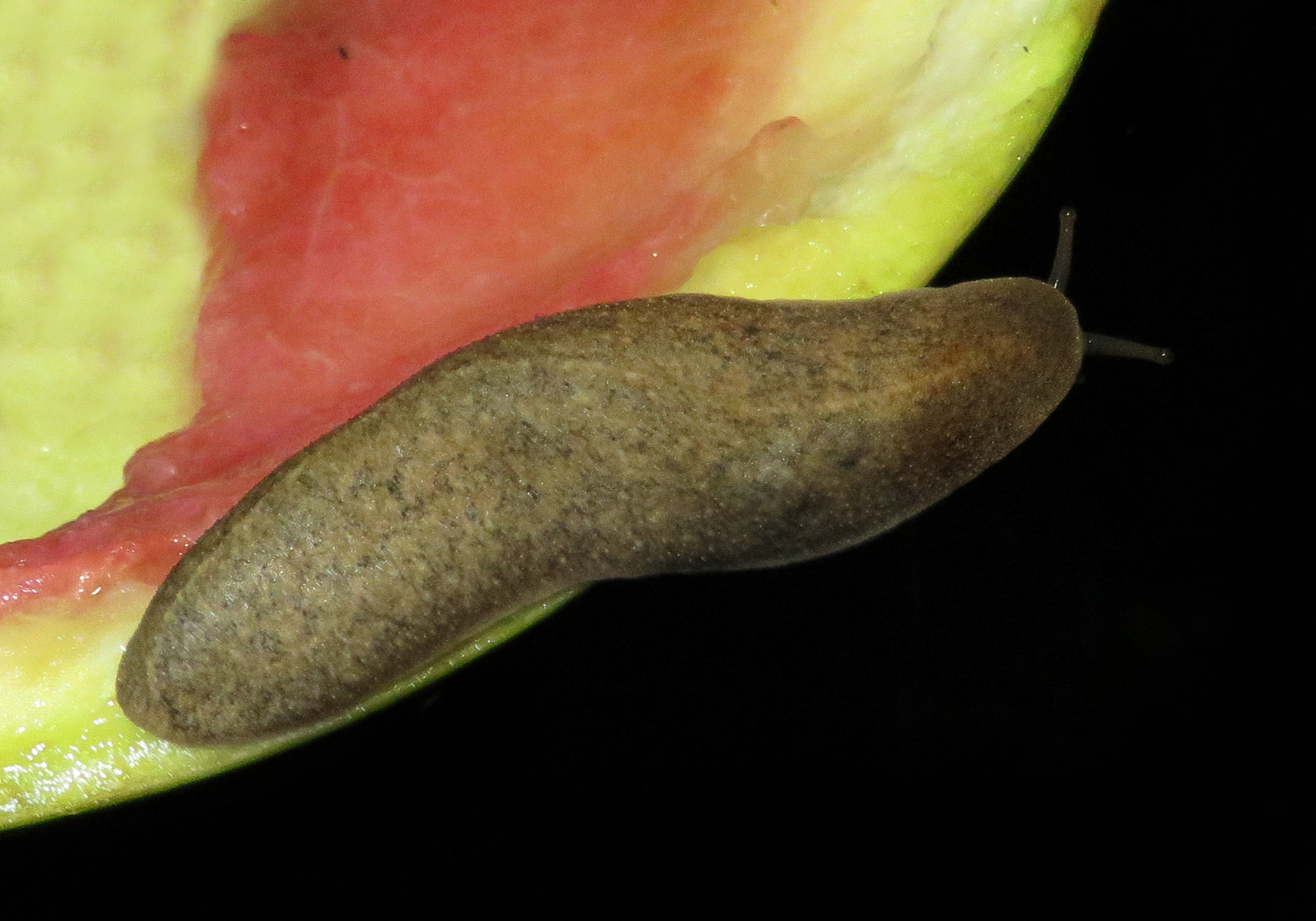
Veronicelloidea is a superfamily within the order Systellommatophora (Subclass Heterobranchia, Class Gastropoda, Phylum Mollusca). It comprises a group of predominantly terrestrial, shell-less slugs, commonly known as tropical leatherleaf slugs.
Members of Veronicelloidea are characterized by the complete absence of an external shell in adult stages. The body is elongate, soft, and often flattened, with a thick, leathery dorsal surface that gives rise to their common name. The mantle covers most of the dorsal side and is not distinctly separated from the rest of the body, forming a continuous protective surface.
Unlike stylommatophoran land snails, veronicelloid slugs lack prominent retractile eye-bearing tentacles. Sensory structures are present but generally less conspicuous. Respiration occurs through a highly vascularized dorsal mantle surface, rather than through a clearly visible pneumostome.
Most species are found in tropical and subtropical regions, particularly in Central and South America, Africa, and Southeast Asia. They inhabit humid environments such as forests, gardens, plantations, and agricultural lands, where they remain active during moist conditions.
Veronicelloidea species are primarily herbivorous or detritivorous, feeding on plant material, fungi, and decaying organic matter. Some species are recognized as significant agricultural pests, capable of damaging crops and ornamental plants.
Reproduction is hermaphroditic, involving internal fertilization and direct development. Eggs are laid in moist soil or protected microhabitats to prevent desiccation.
Superfamily Veronicelloidea represents a specialized lineage of tropical terrestrial slugs, distinguished by complete shell loss, a leathery dorsal mantle, and adaptation to warm, humid environments.