Bali Wildlife
Every Spices Matter


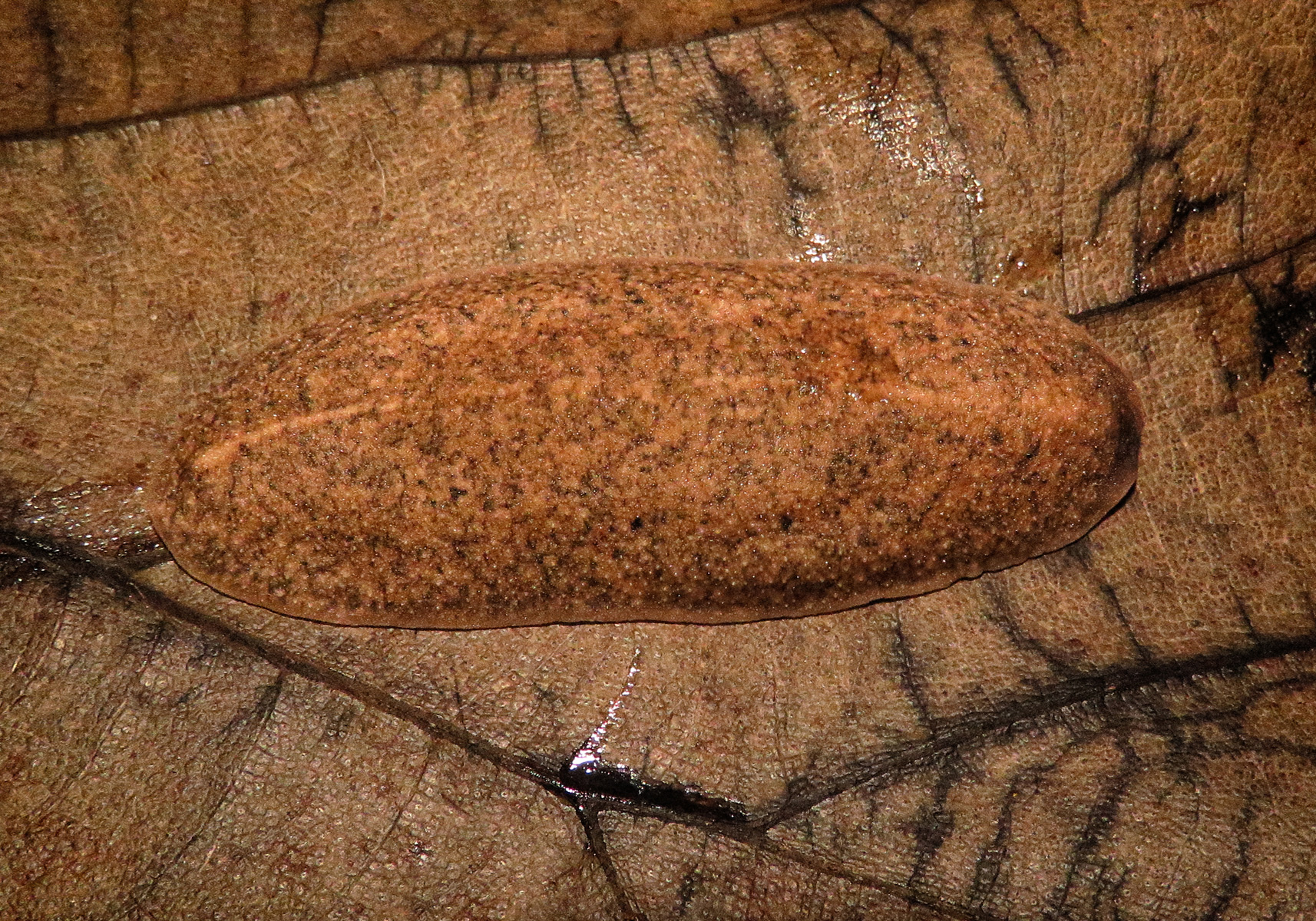
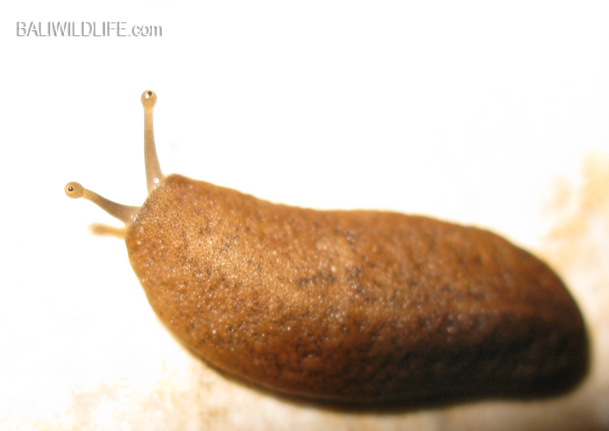
Veronicellidae is the principal family within the superfamily Veronicelloidea (Order Systellommatophora, Class Gastropoda, Phylum Mollusca). Members of this family are commonly known as tropical leatherleaf slugs and are predominantly distributed in tropical and subtropical regions worldwide.
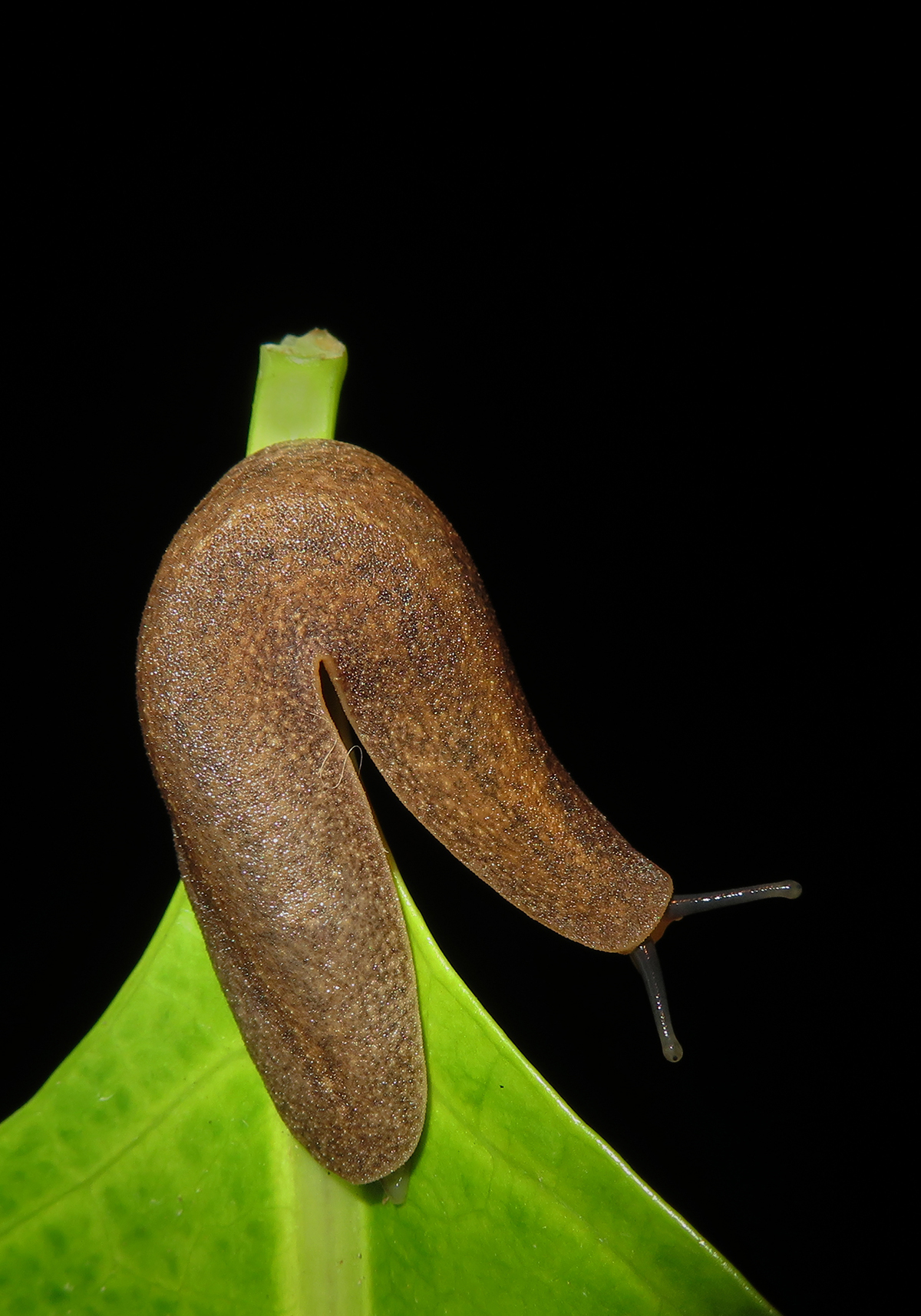
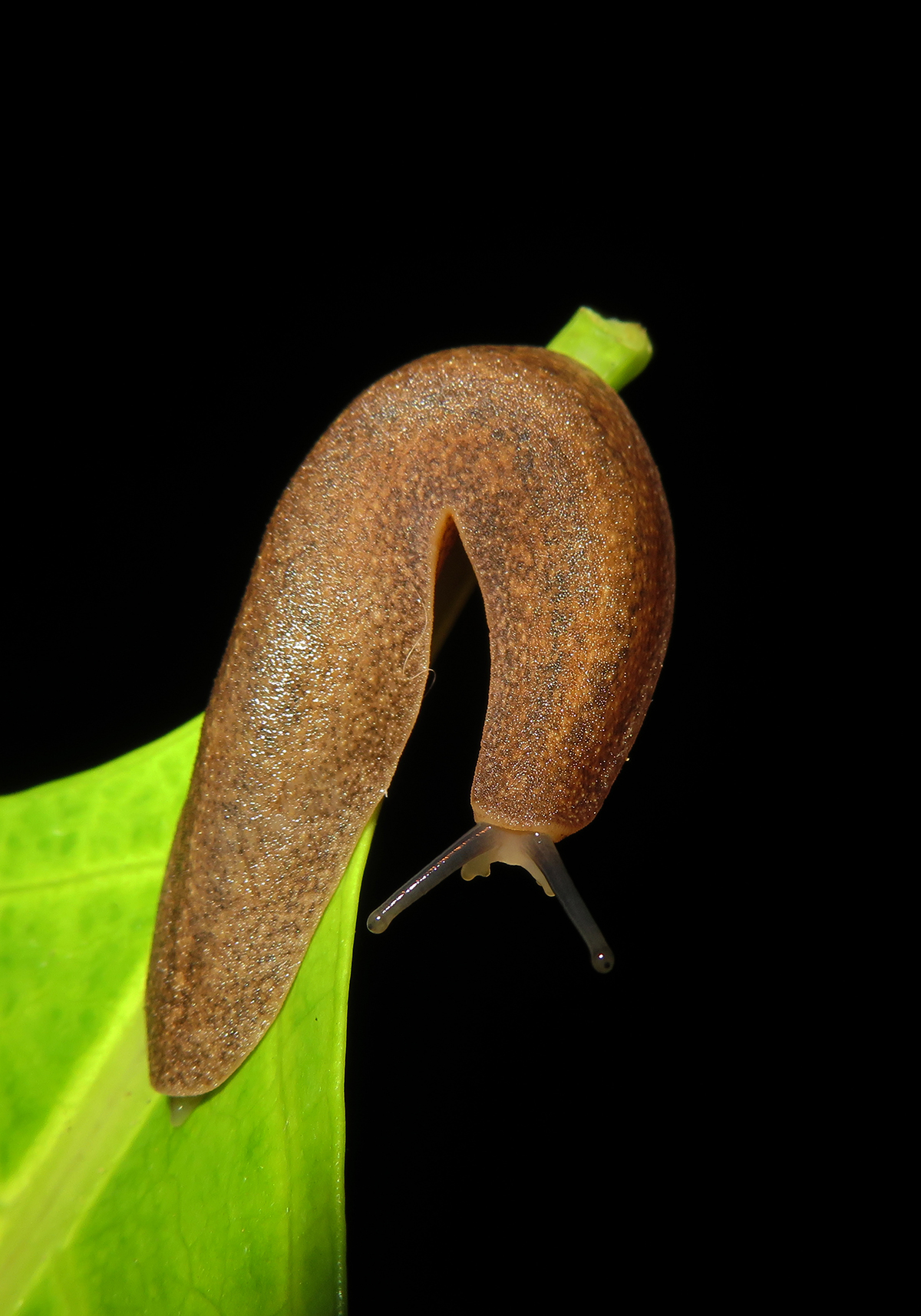
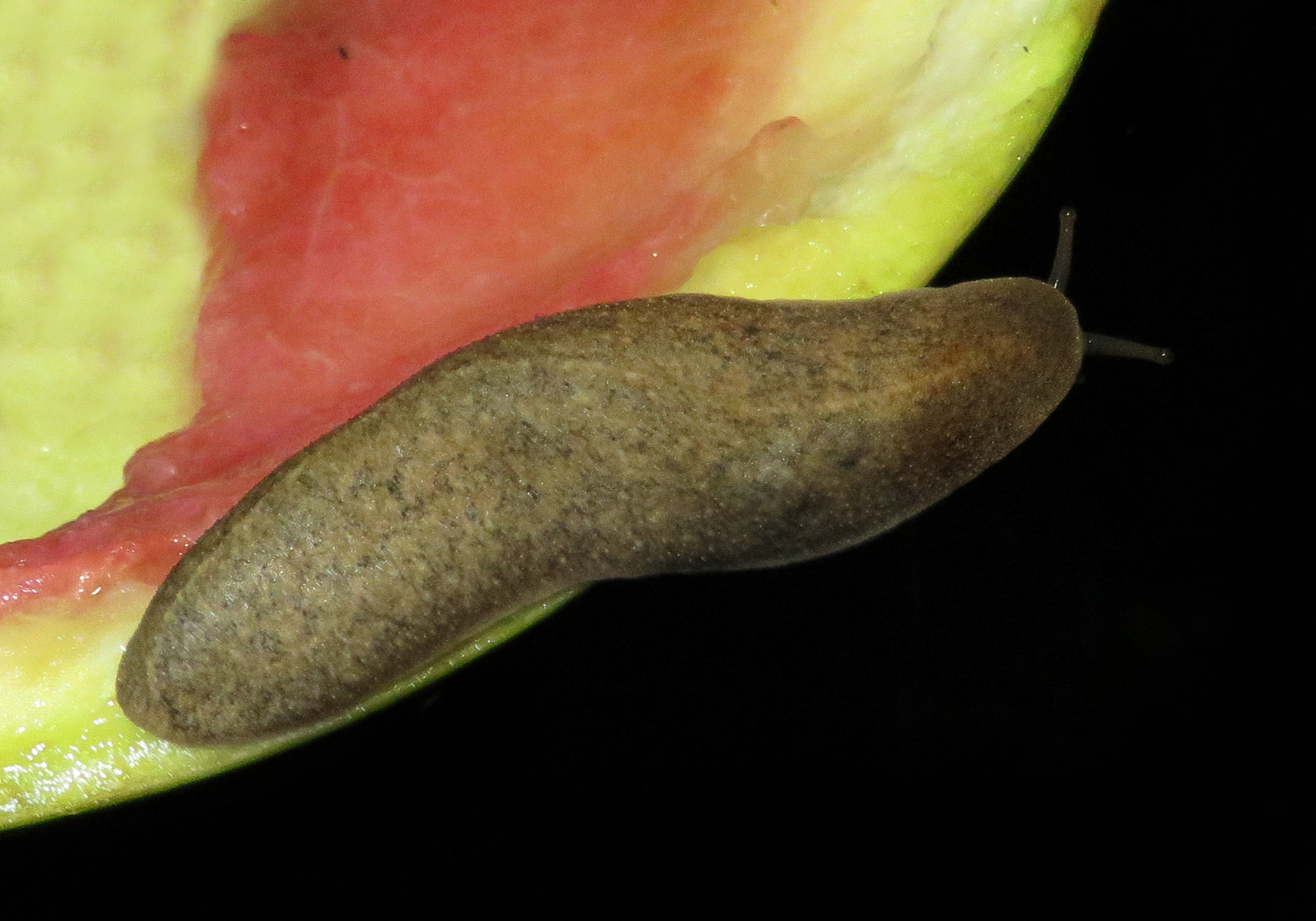
Veronicellid slugs are characterized by the complete absence of an external shell in adult stages. The body is elongate, soft, and dorsoventrally flattened, with a thick, leathery mantle that covers nearly the entire dorsal surface. This mantle is smooth or finely textured and often exhibits earthy coloration such as brown, gray, black, or mottled patterns, providing camouflage in leaf litter and soil environments.
Unlike stylommatophoran land snails, members of Veronicellidae lack prominent retractile eye-bearing tentacles. The head bears shorter sensory tentacles, and respiration occurs through a highly vascularized mantle surface, rather than a distinct pneumostome opening.
Ecologically, Veronicellidae species inhabit humid terrestrial environments, including tropical forests, agricultural fields, plantations, gardens, and disturbed habitats. They are primarily herbivorous or detritivorous, feeding on living plant tissue, fungi, and decomposing organic matter. Several species are considered important agricultural pests, capable of damaging crops and ornamental plants. Some are also known to act as intermediate hosts for parasitic nematodes.
Reproduction is hermaphroditic with internal fertilization and direct development. Eggs are laid in moist soil or protected microhabitats to reduce desiccation risk.
Family Veronicellidae represents a distinctive group of shell-less tropical slugs, adapted to warm and humid terrestrial ecosystems, notable for their leathery dorsal mantle and ecological importance in both natural and agricultural environments.