

Thoracotrematan Crabs (Zoosubsection Thoracotremata)
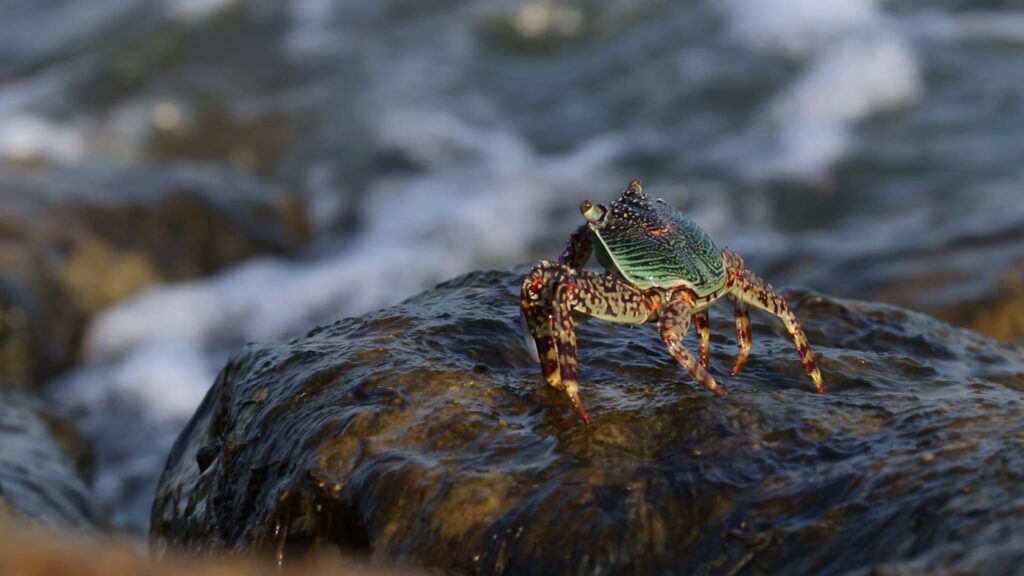
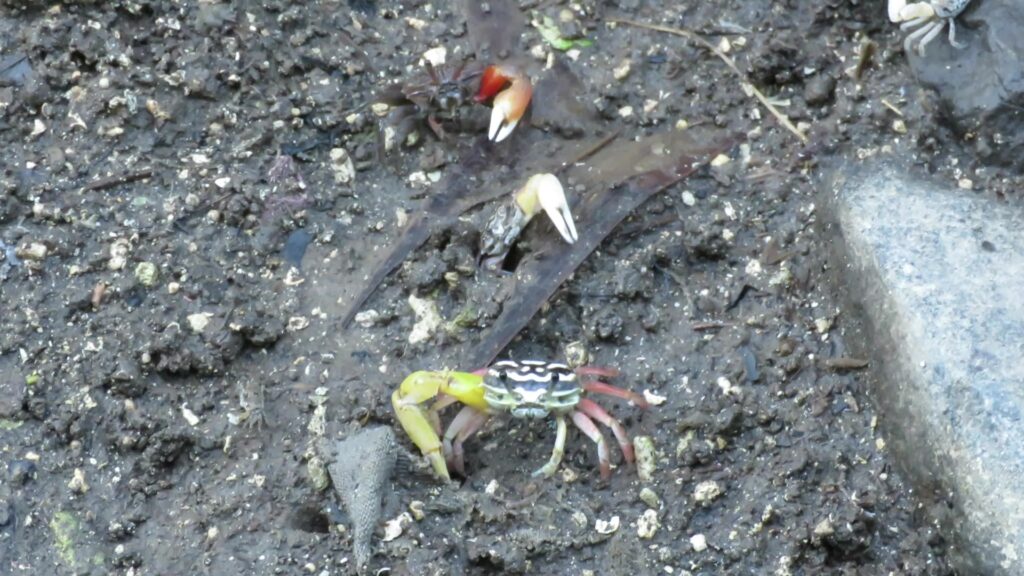
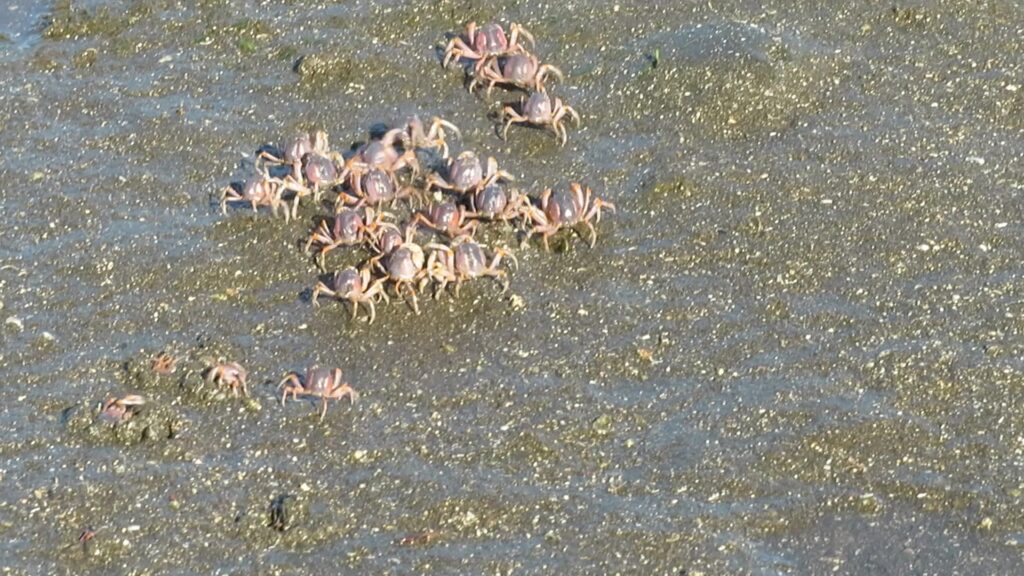
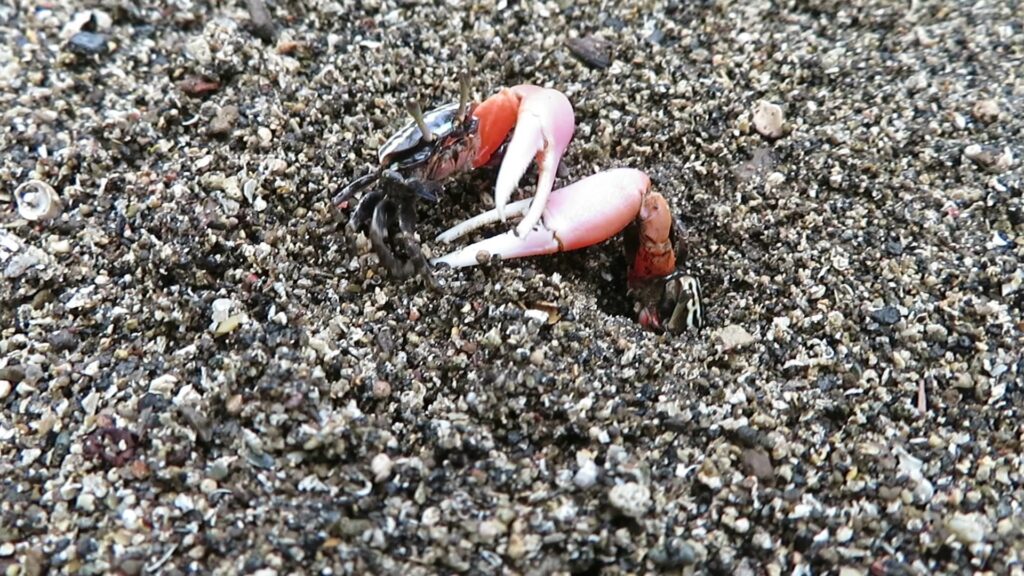
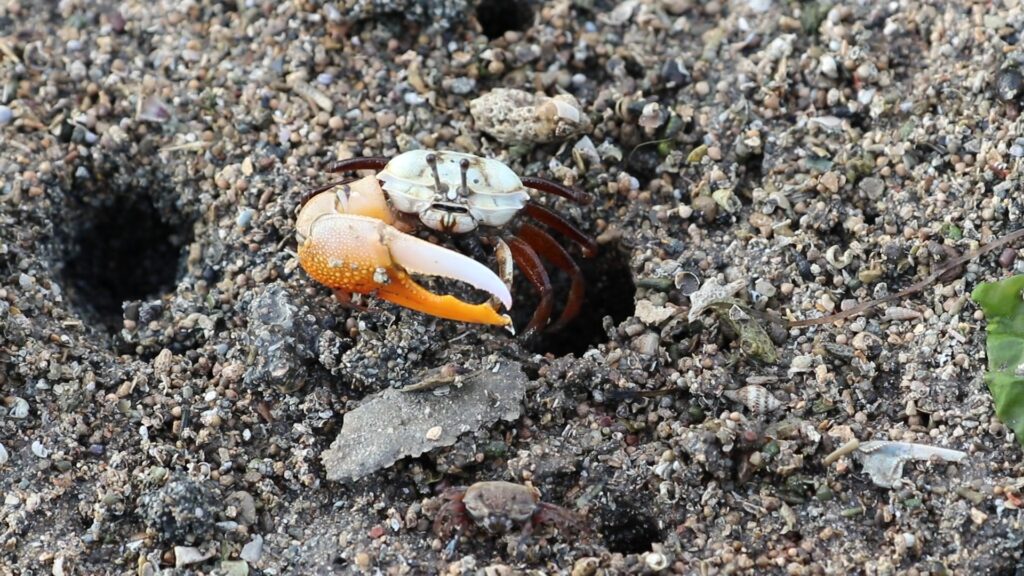
Zoosubsection Thoracotremata is a major taxonomic grouping of true crabs within the infraorder Brachyura and the broader eubrachyuran lineage. In commonly used classifications, Thoracotremata is treated as an infraorder-level grouping or clade rather than a formally ranked zoosubsection, so its precise rank depends on the taxonomic system being followed. Its members include many familiar shore crabs, land crabs, and other species adapted to coastal, marine, freshwater, and terrestrial environments. The group is particularly notable for a reproductive anatomical feature: in both males and females, the genital openings are located on the sternum, the ventral surface of the body.
Thoracotrematans possess the characteristic body plan of true crabs, with a broad cephalothorax protected by a hard carapace and a reduced abdomen folded beneath the body. The carapace varies in shape and surface texture, ranging from smooth and rounded to angular, granular, or spiny. These differences can help with camouflage, protection, and species identification. The abdomen is generally narrow in males and broader in females, particularly in egg-bearing individuals, although body proportions vary among families and species.
Like other brachyurans, thoracotrematans usually have five pairs of thoracic appendages. The first pair forms claws, or chelae, used for feeding, defense, courtship, and competition, while the other four pairs are primarily walking legs. Claw size and shape vary widely: some species have powerful claws for crushing hard-shelled prey, whereas others possess slender appendages suited to handling small food particles. Certain species are agile climbers or burrowers, while others move across rocky shores or swim short distances in shallow water.
One of the most distinctive features of Thoracotremata is the position of the reproductive openings. In males and females, these openings are situated on the sternum rather than having the arrangement typical of Heterotremata, the other major traditional grouping within Eubrachyura. This anatomical distinction is central to the classification of the group. However, modern crab systematics also uses molecular evidence and other morphological characteristics, since a single anatomical feature does not by itself explain every evolutionary relationship among the diverse lineages of true crabs.
Thoracotrematans occur in a wide variety of habitats, especially coastal and intertidal environments. Many species inhabit rocky shores, sandy beaches, estuaries, mangroves, and coral reefs. Others live in freshwater streams or have adapted to life on land. Some land crabs inhabit tropical forests, while semi-terrestrial species shelter in burrows and return to water or humid environments when necessary. Their distribution reflects a range of adaptations to temperature, salinity, moisture, food availability, and exposure to tides.
Feeding strategies vary considerably across the group. Many thoracotrematans are omnivores and consume algae, decaying plant material, detritus, small invertebrates, and carrion. Some are active predators, feeding on mollusks, worms, and other small animals, while others graze on algae or collect organic particles from sediment. Fiddler crabs, for example, commonly feed by processing sediment and extracting edible microorganisms and organic material. These feeding behaviors influence nutrient cycling and the structure of coastal habitats.
Respiration generally occurs through gills housed in chambers beneath the carapace. Species that spend extended periods out of water may have adaptations that help maintain gas exchange in humid air, but their dependence on moisture differs. Many terrestrial and semi-terrestrial species avoid desiccation by remaining in burrows, sheltering in crevices, or becoming active during cooler and more humid periods. Their stalked compound eyes and sensory antennae help detect movement, food, potential mates, and approaching predators.
Reproduction typically involves courtship and mating between separate male and female individuals. Depending on the species, courtship may include claw waving, changes in body posture, chemical signaling, or competition for shelter and mates. Females usually carry fertilized eggs attached to abdominal appendages beneath the body. Many marine thoracotrematans release larvae into the water, where they develop through planktonic stages before settling into suitable habitats. In some terrestrial species, breeding and larval release are closely linked to tidal cycles or access to coastal water.
Thoracotrematans play important ecological roles in coastal and terrestrial ecosystems. Mangrove and salt-marsh crabs help process leaf litter, redistribute sediment, and influence nutrient availability. Rocky-shore species may regulate populations of small invertebrates, while land crabs can affect soil structure and vegetation through burrowing and feeding. They are also important prey for fish, birds, reptiles, and mammals. Their activities can therefore influence both local food webs and the physical characteristics of their habitats.
Many species within Thoracotremata are also significant to humans. Some are harvested for food, while others contribute to the ecological health of mangroves, estuaries, and shorelines. Their populations may be threatened by coastal development, mangrove loss, pollution, overharvesting, invasive predators, and climate change. Species with specialized habitat requirements can be especially vulnerable when shorelines and wetlands are altered.
Overall, Thoracotremata is a diverse evolutionary grouping of true crabs distinguished in traditional classification by the position of the reproductive openings on the sternum in both sexes. Its members exhibit extensive adaptations to marine, intertidal, freshwater, and terrestrial environments. Through their feeding, burrowing, reproduction, and interactions with other organisms, thoracotrematans contribute substantially to ecosystem functioning and represent an important group in crustacean biodiversity and evolutionary research.