Bali Wildlife
Every Spices Matter


Thomisoidea is a superfamily within the infraorder Entelegynae (Suborder Araneomorphae, Order Araneae) that includes several families of mostly active, non–web-building spiders. The superfamily is widely distributed worldwide and is especially diverse in tropical and subtropical regions, though many species also occur in temperate habitats.
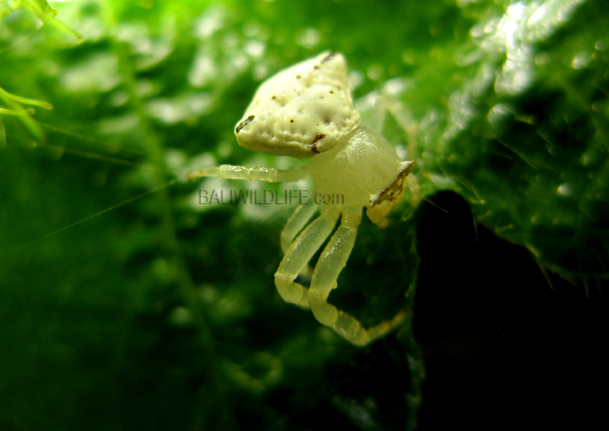
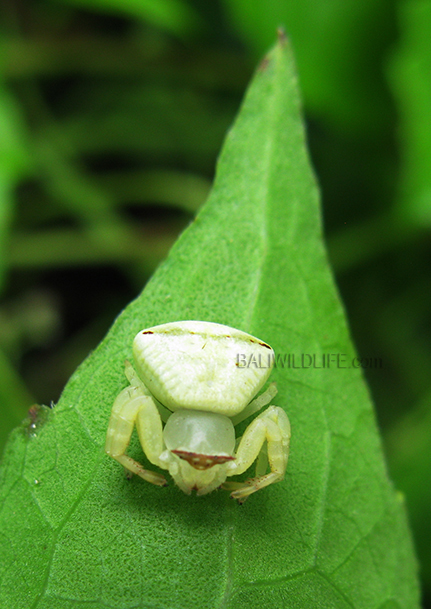
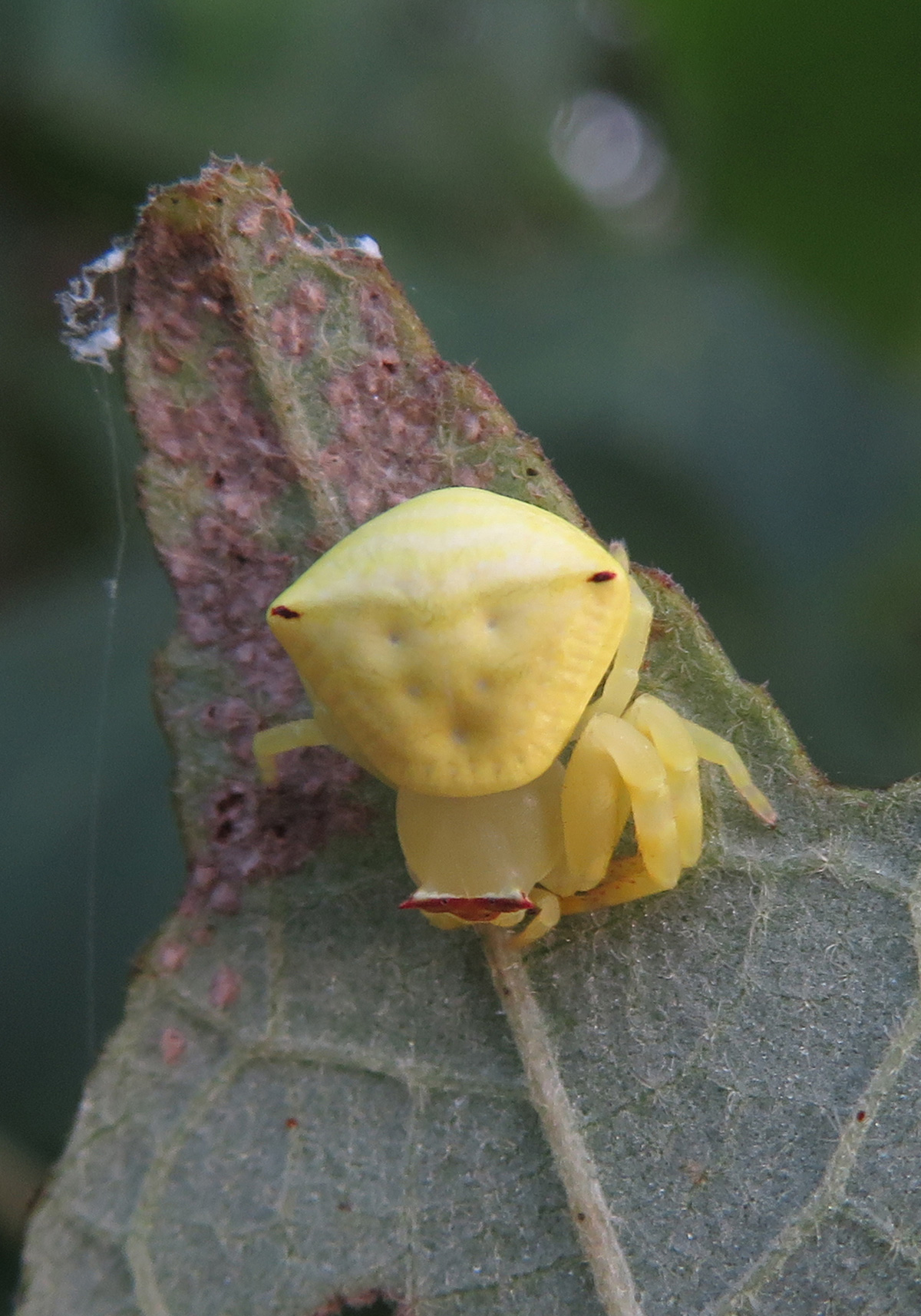
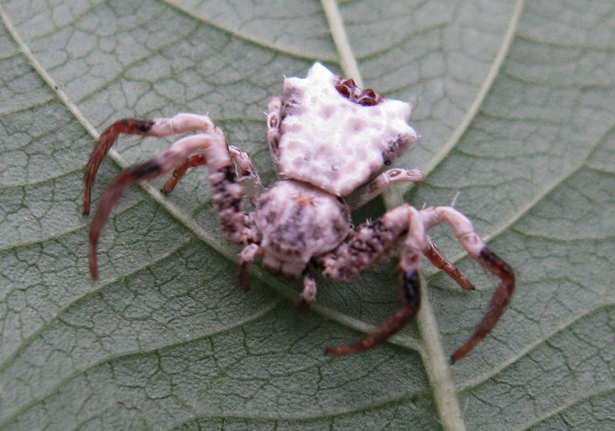
Spiders of the superfamily Thomisoidea are best known for their distinctive body forms and hunting strategies. Many species exhibit a flattened or laterigrade body plan, with the first two pairs of legs enlarged and oriented sideways, giving them a crab-like appearance. This adaptation is particularly pronounced in crab spiders, allowing them to grasp prey effectively. Unlike many other spiders, members of Thomisoidea generally do not construct prey-capture webs but instead rely on ambush or active hunting.
Coloration in Thomisoidea is highly variable and often closely matched to the environment. Some species possess excellent camouflage, blending into bark, leaves, or flowers, while others may change color over time to match their surroundings. This cryptic coloration enhances their effectiveness as ambush predators.
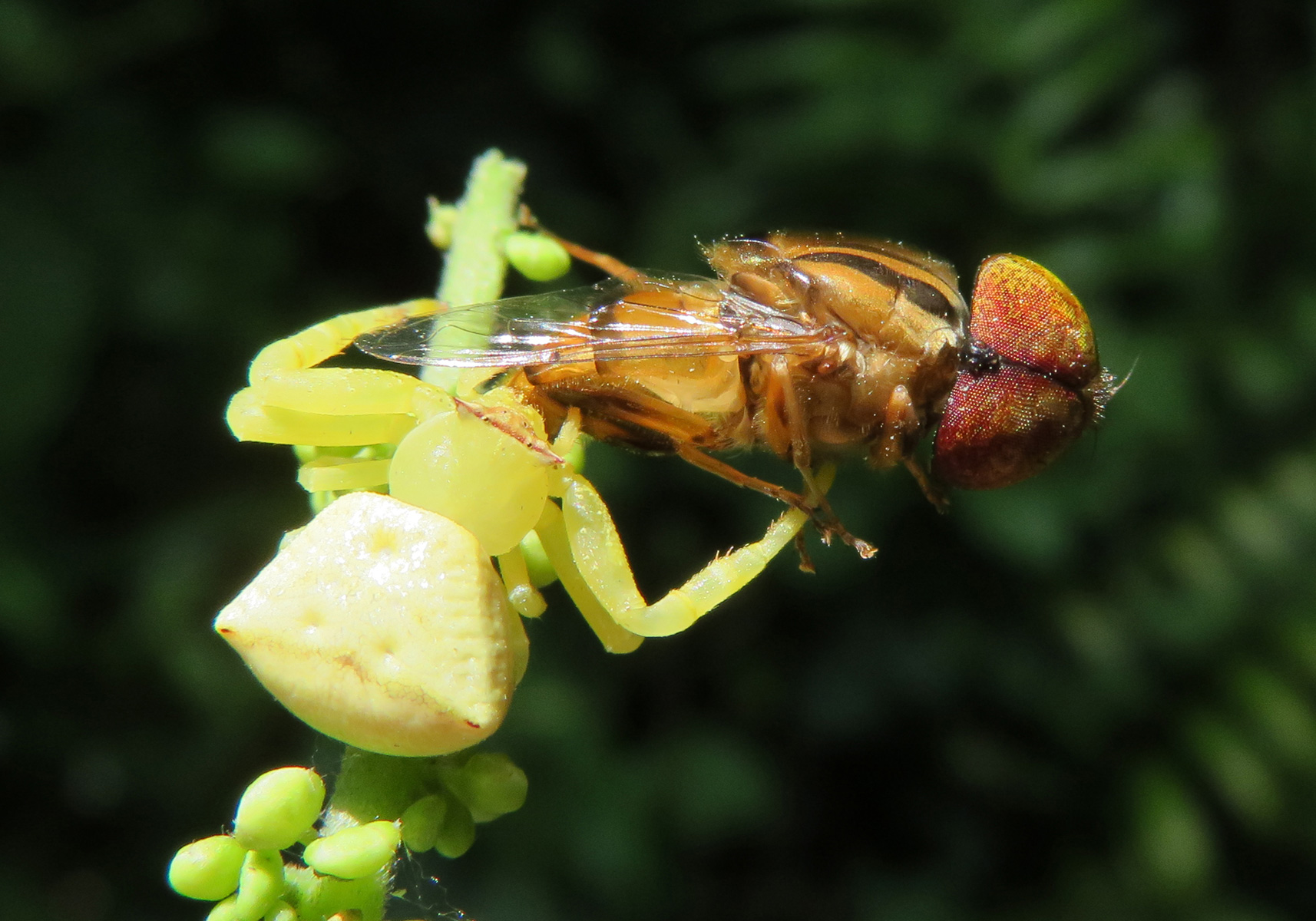
Thomisoid spiders primarily prey on insects and other small arthropods. Many species wait motionless on vegetation or flowers and capture prey that comes within reach, sometimes subduing insects larger than themselves using strong legs and venom. Silk is mainly used for draglines, retreats, and egg sacs rather than for trapping prey.
Reproduction follows the typical entelegyne pattern, with complex genital structures in both sexes. Development is direct, with spiderlings resembling miniature adults.
Ecologically, Thomisoidea play an important role as predators in terrestrial ecosystems, particularly in vegetation-rich habitats. By preying on pollinators and herbivorous insects, they contribute to the regulation of insect populations and influence ecological interactions within plant communities.