

Genus Tanaecia
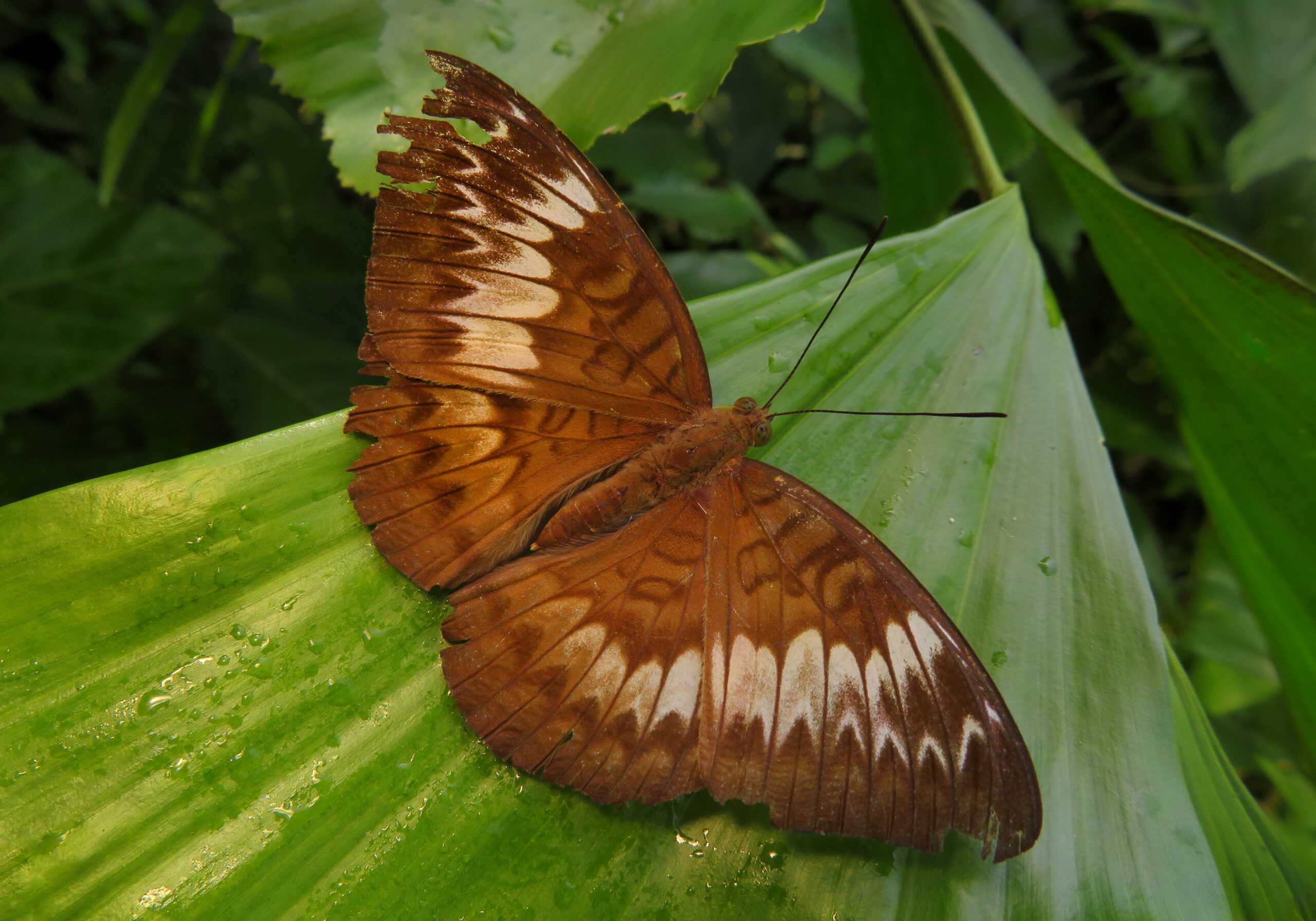
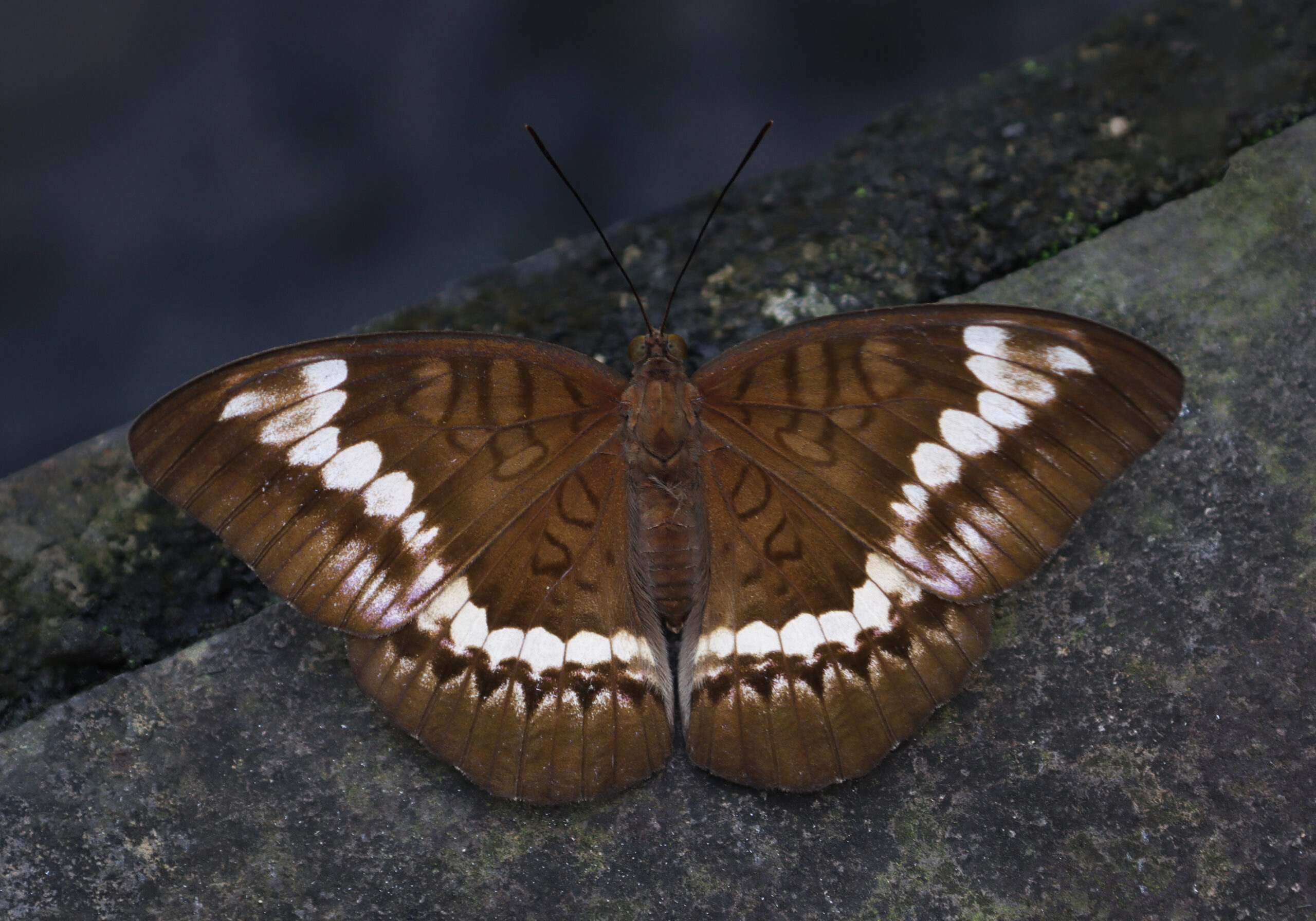
Tanaecia is a genus of brush-footed butterflies within the tribe Adoliadini (Subfamily Limenitidinae, Family Nymphalidae, Superfamily Papilionoidea, Order Lepidoptera). The genus comprises approximately 40 described species distributed throughout South Asia, Southeast Asia, southern China, and the Indo-Pacific region. Members are primarily associated with tropical and subtropical forests, including primary and secondary rainforests, forest edges, river valleys, plantations, and shaded woodland habitats.
Butterflies of the genus Tanaecia are generally medium to large in size and possess broad wings, a robust body, and a smooth, powerful flight. Wing coloration varies considerably among species, ranging from shades of brown, black, gray, and olive to rich orange, blue, purple, or iridescent green. Many species exhibit bold white bands, eye spots, or intricate patterns that aid in species recognition and camouflage. The undersides of the wings are often mottled with brown, gray, and cream markings that closely resemble dead leaves or tree bark, allowing the butterflies to remain concealed while resting.
Adults are diurnal and are most active in shaded forest understories, along woodland paths, and near streams. Rather than relying mainly on flowers, they frequently feed on tree sap, fermenting fruits, animal dung, carrion, and other nutrient-rich organic matter, although nectar is also taken when available. Males commonly gather on damp soil, stream banks, or animal droppings to obtain essential minerals through mud-puddling.
The life cycle involves complete metamorphosis, consisting of egg, larva (caterpillar), pupa (chrysalis), and adult stages. Females lay eggs singly on the leaves of host plants. Caterpillars are typically green or brown and may bear short spines, horns, or fleshy projections that provide camouflage among foliage. Larvae feed primarily on plants in the family Euphorbiaceae, although host plant preferences vary among species. Pupation occurs on leaves or stems, where the chrysalis hangs suspended from a silken pad and often resembles a dried leaf or twig.
The genus includes several well-known species, such as Tanaecia pelea (Malay Viscount), Tanaecia julii (Common Earl), Tanaecia iapis (Horsfield’s Baron), and Tanaecia lepidea (Grey Count). Many species are characteristic inhabitants of mature tropical forests and are appreciated for their subtle yet elegant wing patterns.
Ecologically, Tanaecia butterflies contribute to nutrient recycling by feeding on fermenting organic matter and occasionally assist in pollination while visiting flowers. Their caterpillars participate in plant–herbivore interactions, while both larvae and adults provide food for birds, reptiles, spiders, predatory insects, and parasitoids. Because many species depend on intact forest habitats and specific host plants, Tanaecia butterflies are valuable indicators of forest health, ecosystem integrity, and biodiversity.