Bali Wildlife
Every Spices Matter


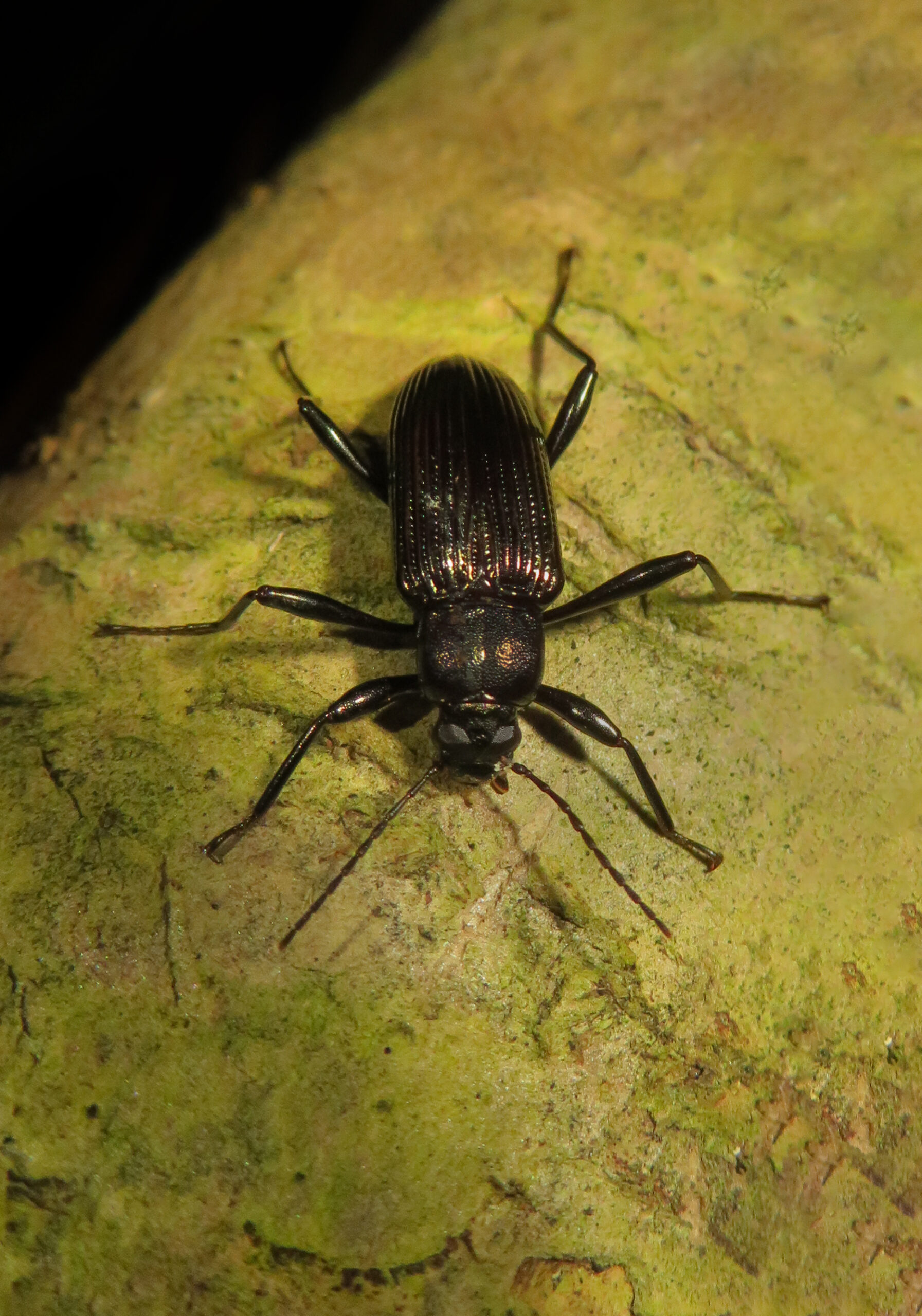
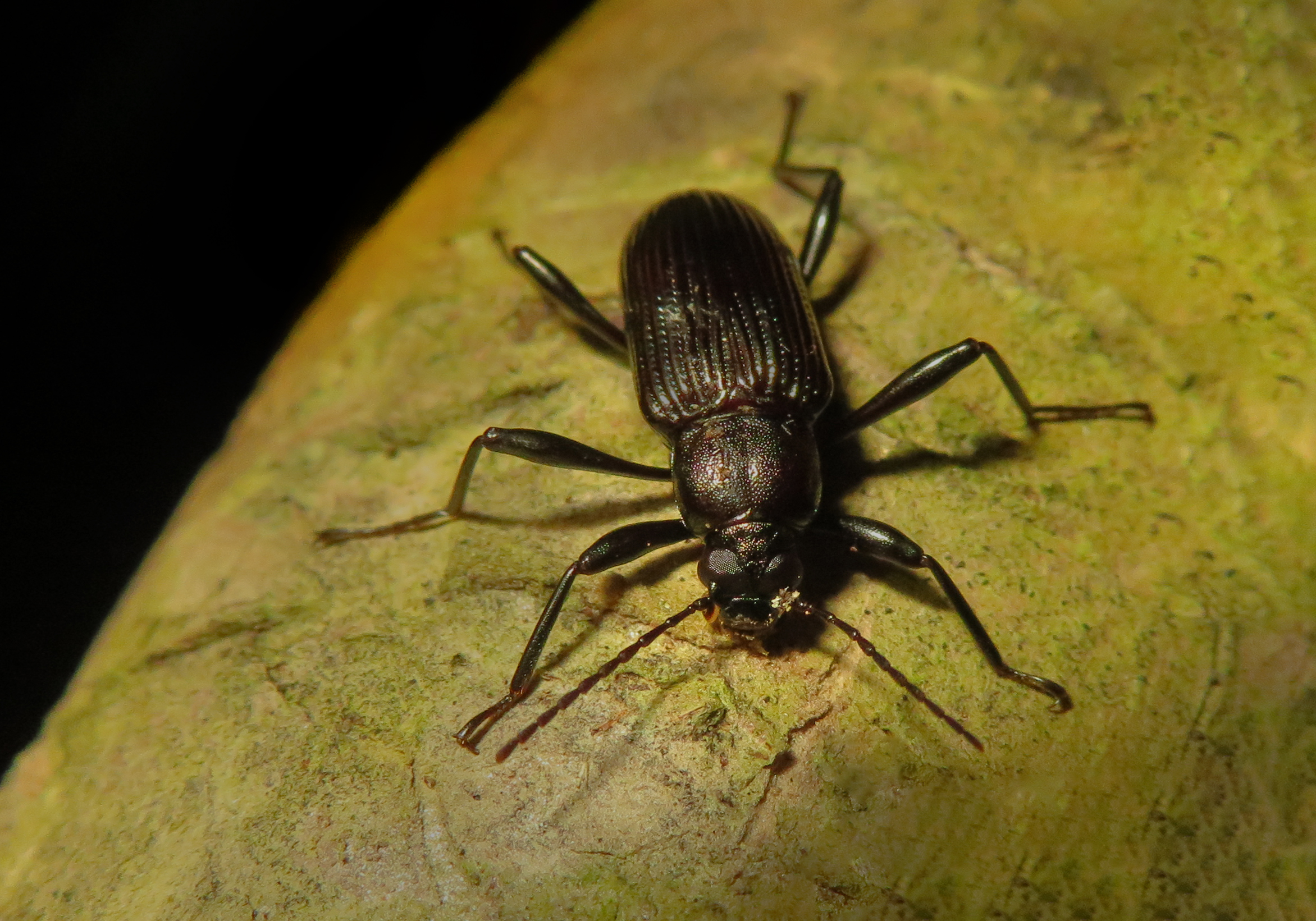
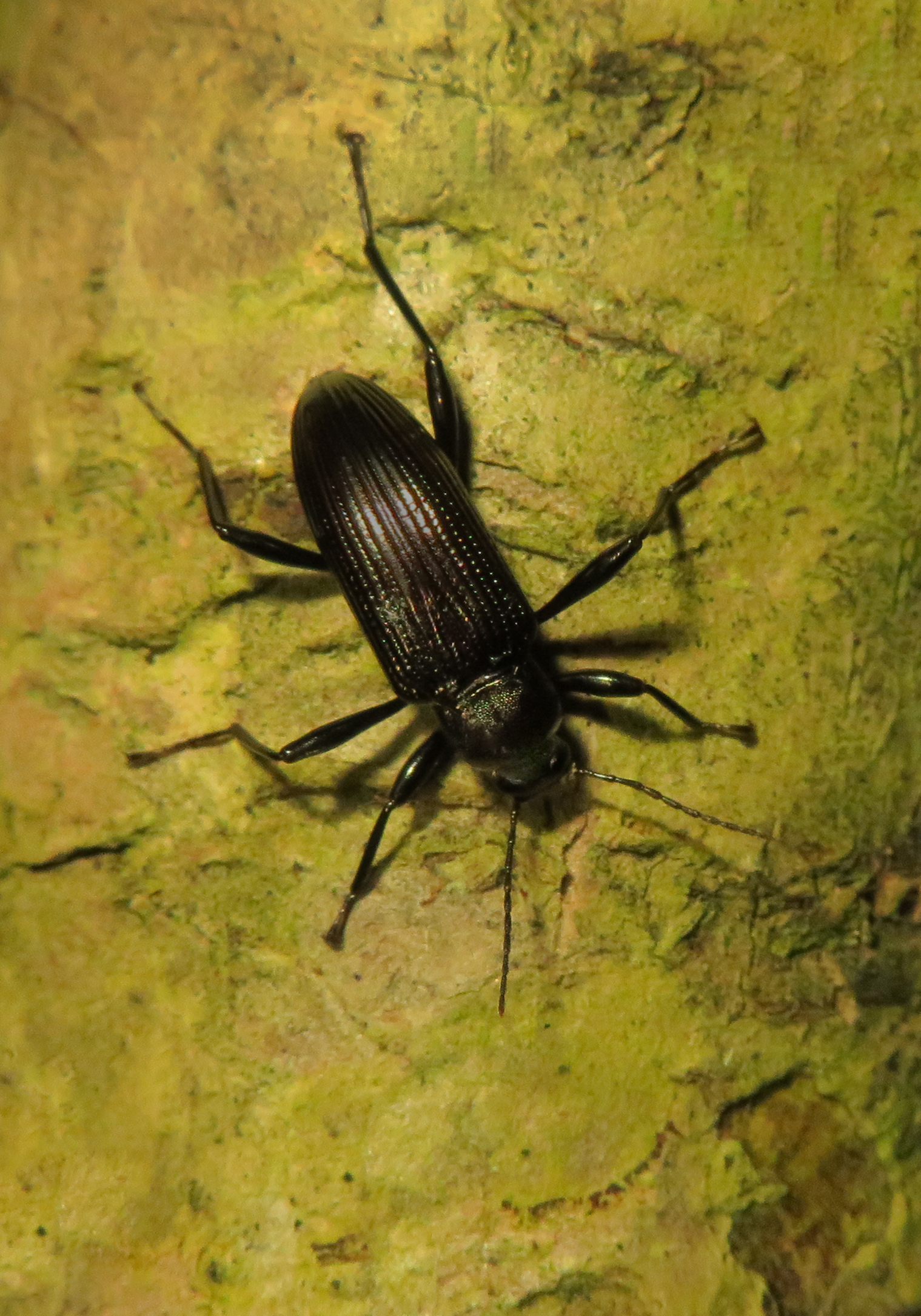
Stenochiinae is a subfamily of darkling beetles within the family Tenebrionidae (Order Coleoptera). This group is primarily distributed in tropical and subtropical regions, with notable diversity in Asia, Africa, and parts of the Indo-Pacific.
Members of Stenochiinae are generally small- to medium-sized beetles with elongate to oval bodies. The integument is typically well sclerotized and often dark brown to black, sometimes with a glossy or metallic sheen. Elytra may be smooth, striate, or punctate, and in some species bear subtle ridges or sculpturing. Compared to many desert-adapted tenebrionids, stenochiines are more commonly associated with humid forest environments.
The head is usually well developed with moderately strong mandibles. Antennae are filiform to slightly thickened toward the apex. Legs are adapted for walking on bark, foliage, or forest floor substrates rather than for burrowing in sand.
Ecologically, species of Stenochiinae are often found in forested habitats, living under bark, within decaying wood, in leaf litter, or on fungi. Both larvae and adults are generally saprophagous or mycophagous, feeding on decaying plant material, wood, or fungal growth. Some species may also consume detritus or other organic matter.
Larvae are elongate and cylindrical, typical of many tenebrionids, and develop within decomposing wood or soil rich in organic debris. The life cycle follows complete metamorphosis: egg, larva, pupa, and adult.
Subfamily Stenochiinae represents a forest-associated lineage of darkling beetles characterized by well-sclerotized bodies, association with decaying wood and fungi, and an ecological role in decomposition and nutrient cycling.