Bali Wildlife
Every Spices Matter


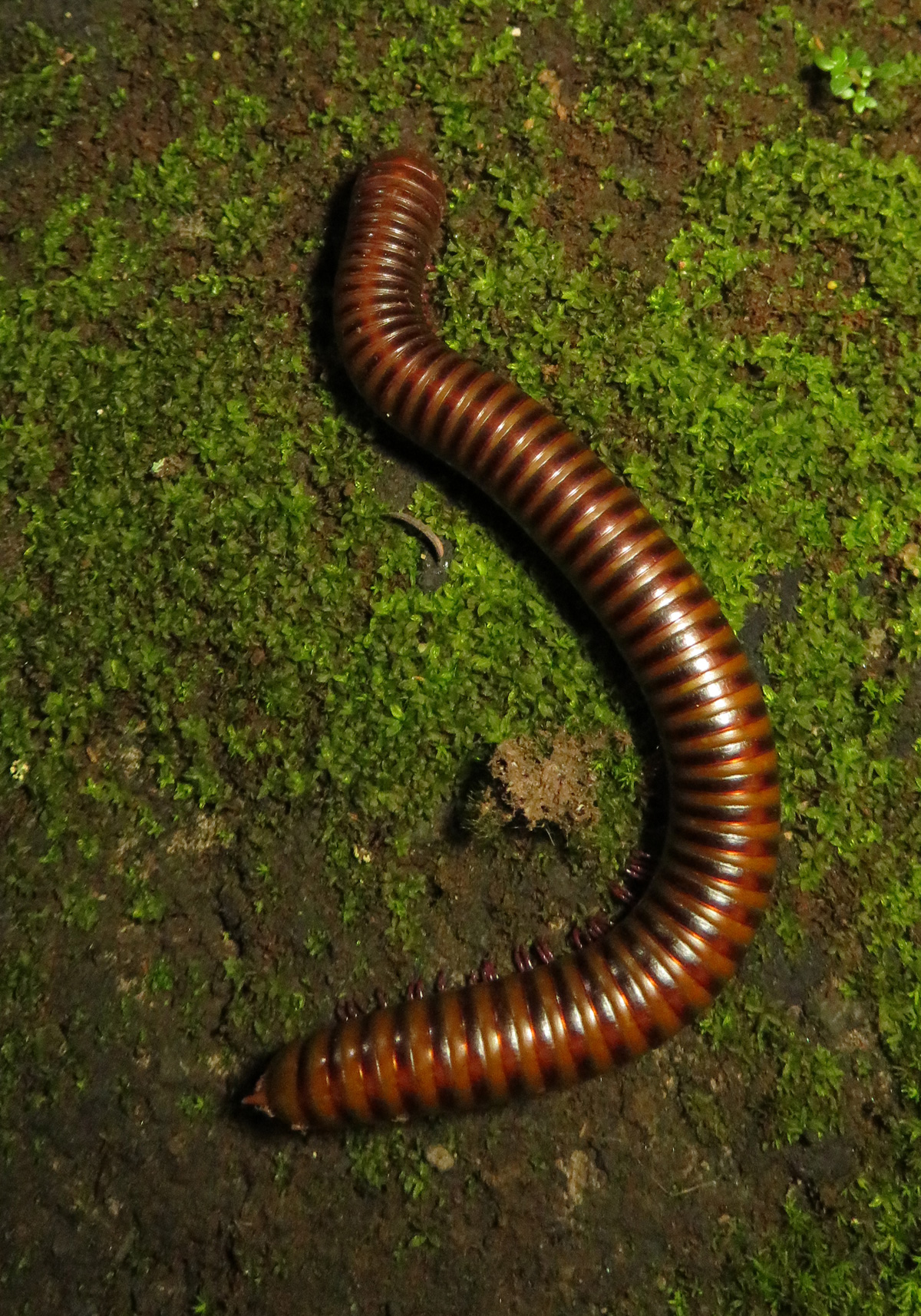
Spirobolida is an order of millipedes within the class Diplopoda, belonging to the subphylum Myriapoda in the phylum Arthropoda. Members of this order are commonly known as round-backed millipedes, characterized by their cylindrical bodies and numerous body segments.
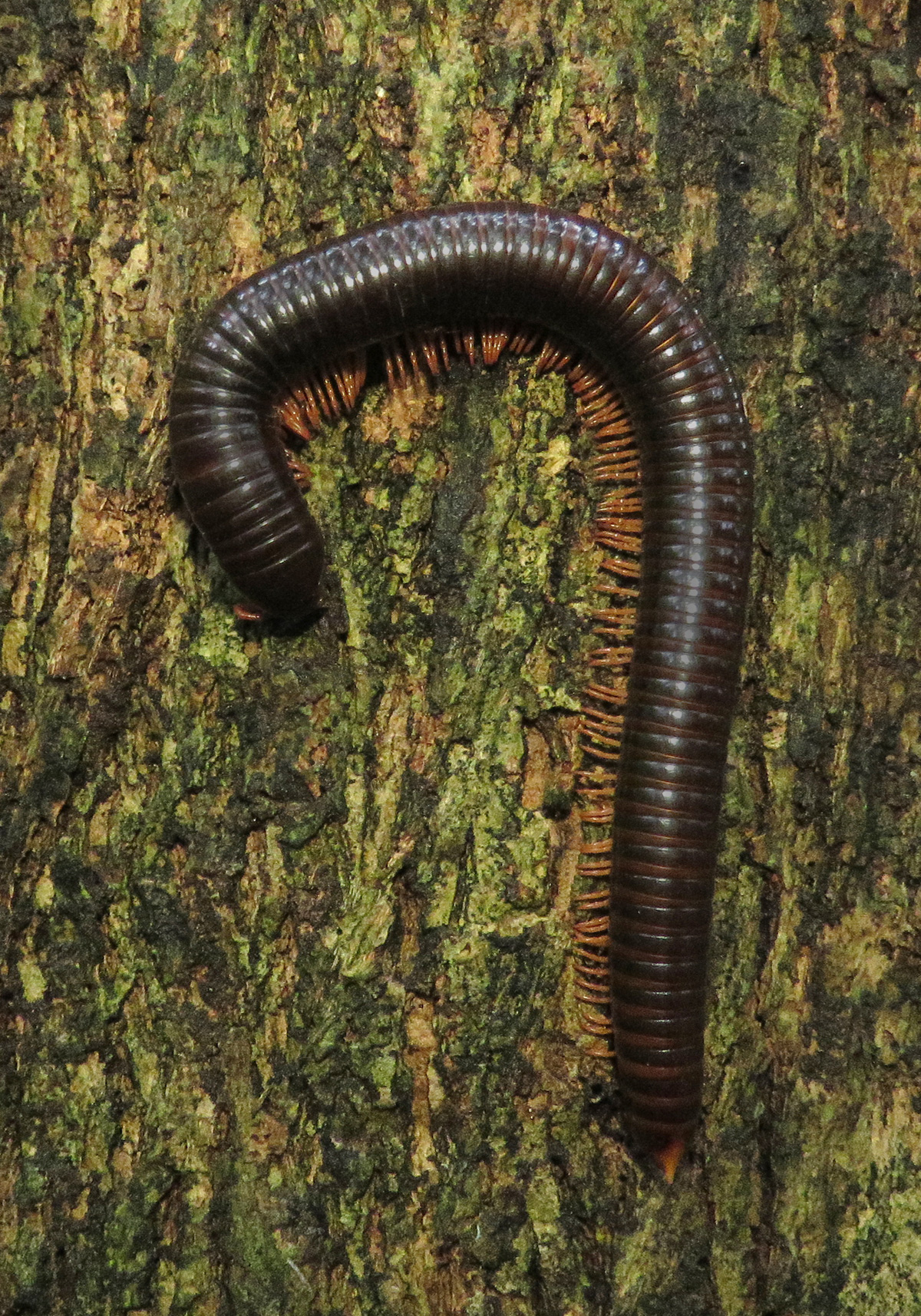
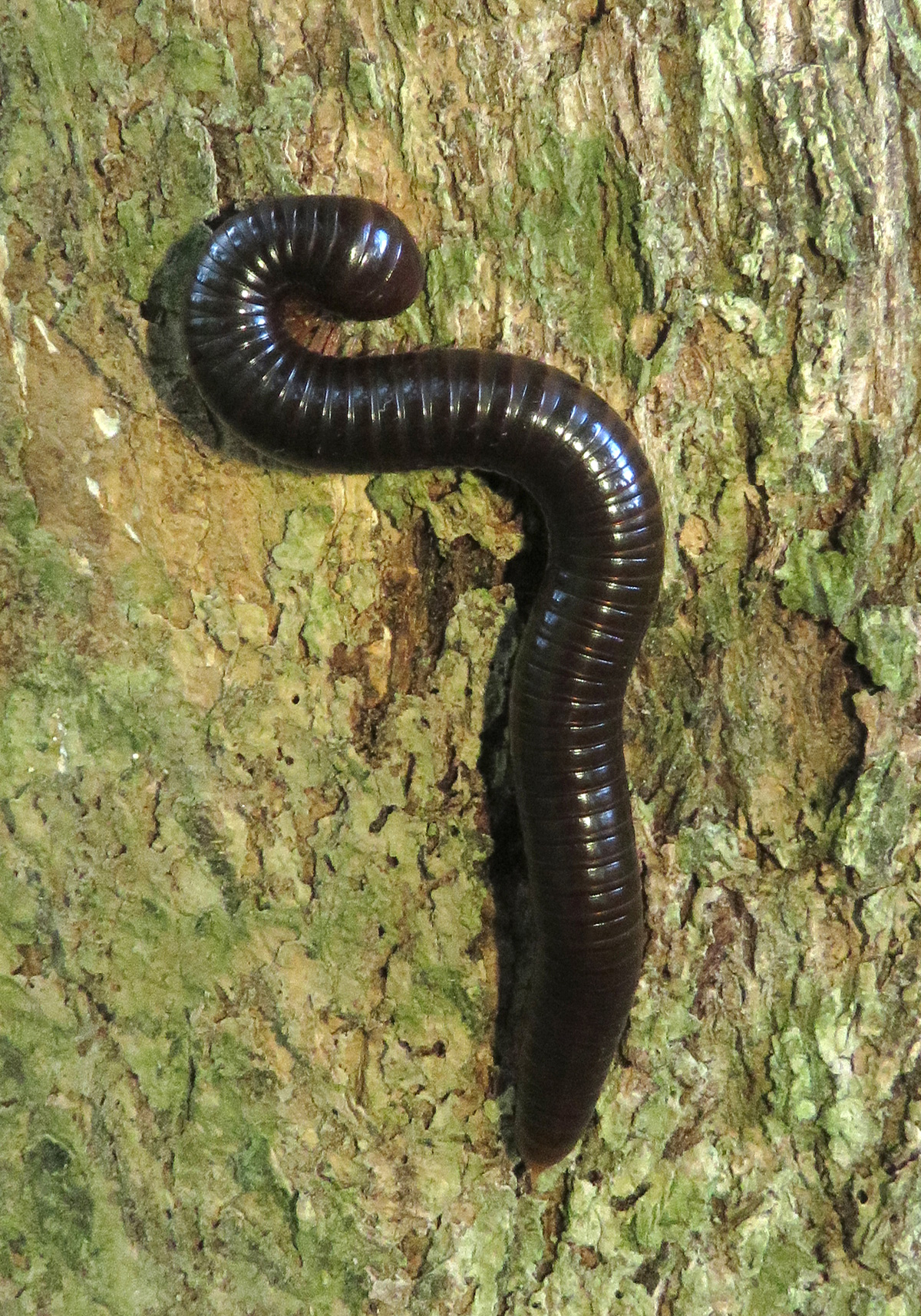
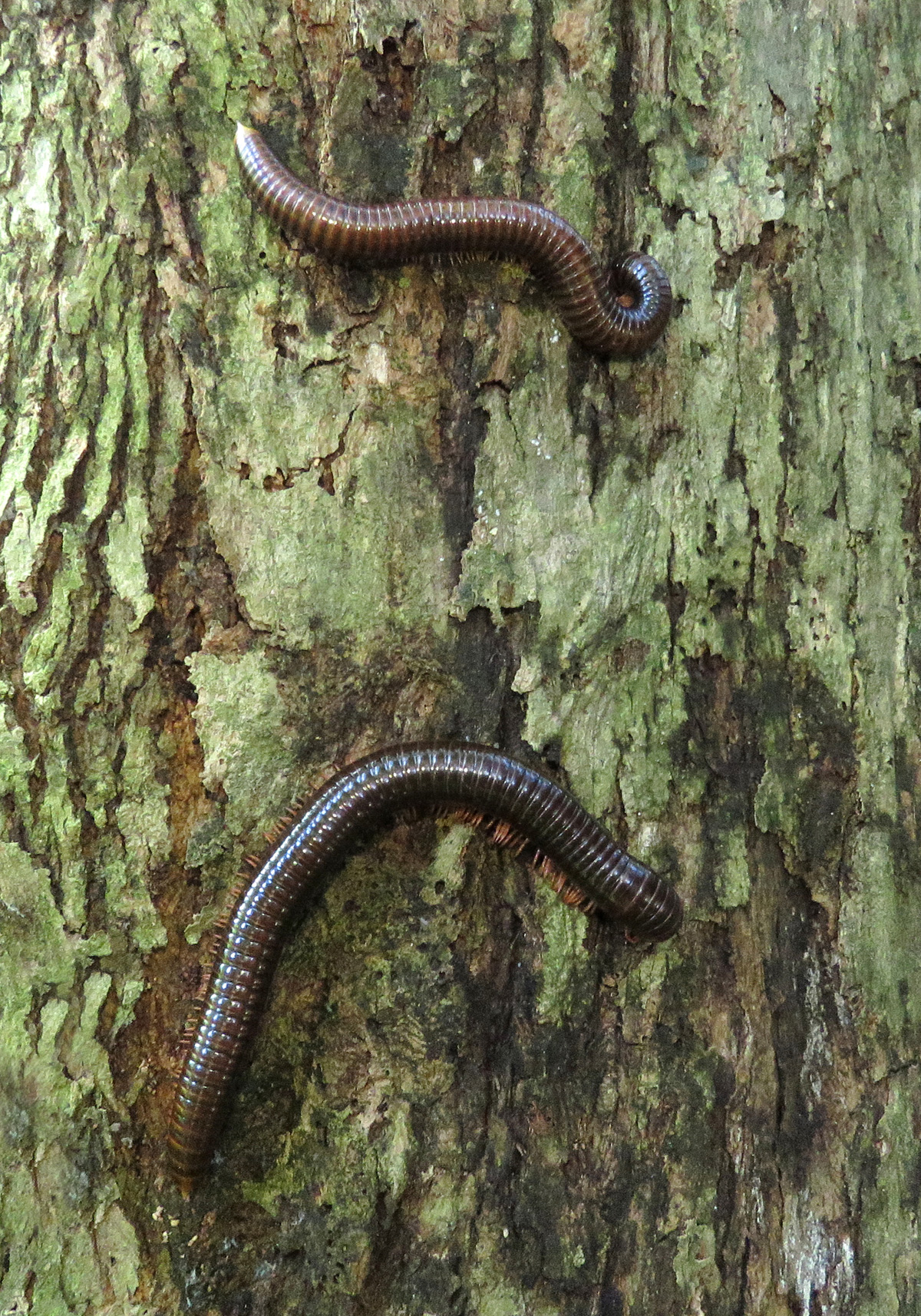
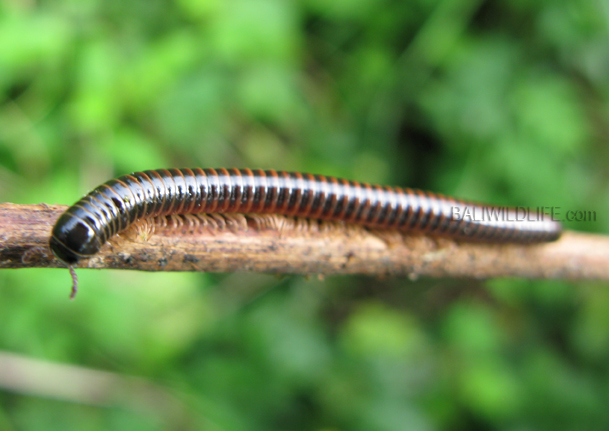
Millipedes in the order Spirobolida typically have elongated, smooth, and rounded bodies with two pairs of legs on most body segments, a defining trait of millipedes. They are usually dark brown, black, or reddish in coloration, though some species display brighter colors or contrasting patterns. Many species can grow relatively large compared with other millipedes.
Spirobolid millipedes are primarily found in tropical and subtropical regions, particularly in forests where humidity is high. They inhabit leaf litter, soil, decaying wood, and other moist microhabitats where organic material accumulates.
Ecologically, members of Spirobolida are important detritivores, feeding mainly on decomposing plant material such as fallen leaves, rotting wood, and other organic debris. Through this feeding activity, they contribute significantly to the breakdown of organic matter and the recycling of nutrients within ecosystems.
When threatened, many species of Spirobolida defend themselves by coiling their bodies into a tight spiral and releasing chemical secretions that may deter predators. These defensive compounds can sometimes produce unpleasant odors or mild irritation.
Several families belong to this order, including Spirobolidae, Trigoniulidae, and Pachybolidae. Together, these millipedes form an important component of soil biodiversity in many terrestrial ecosystems.