

Laughing and Spotted Doves (Genus Spilopelia)
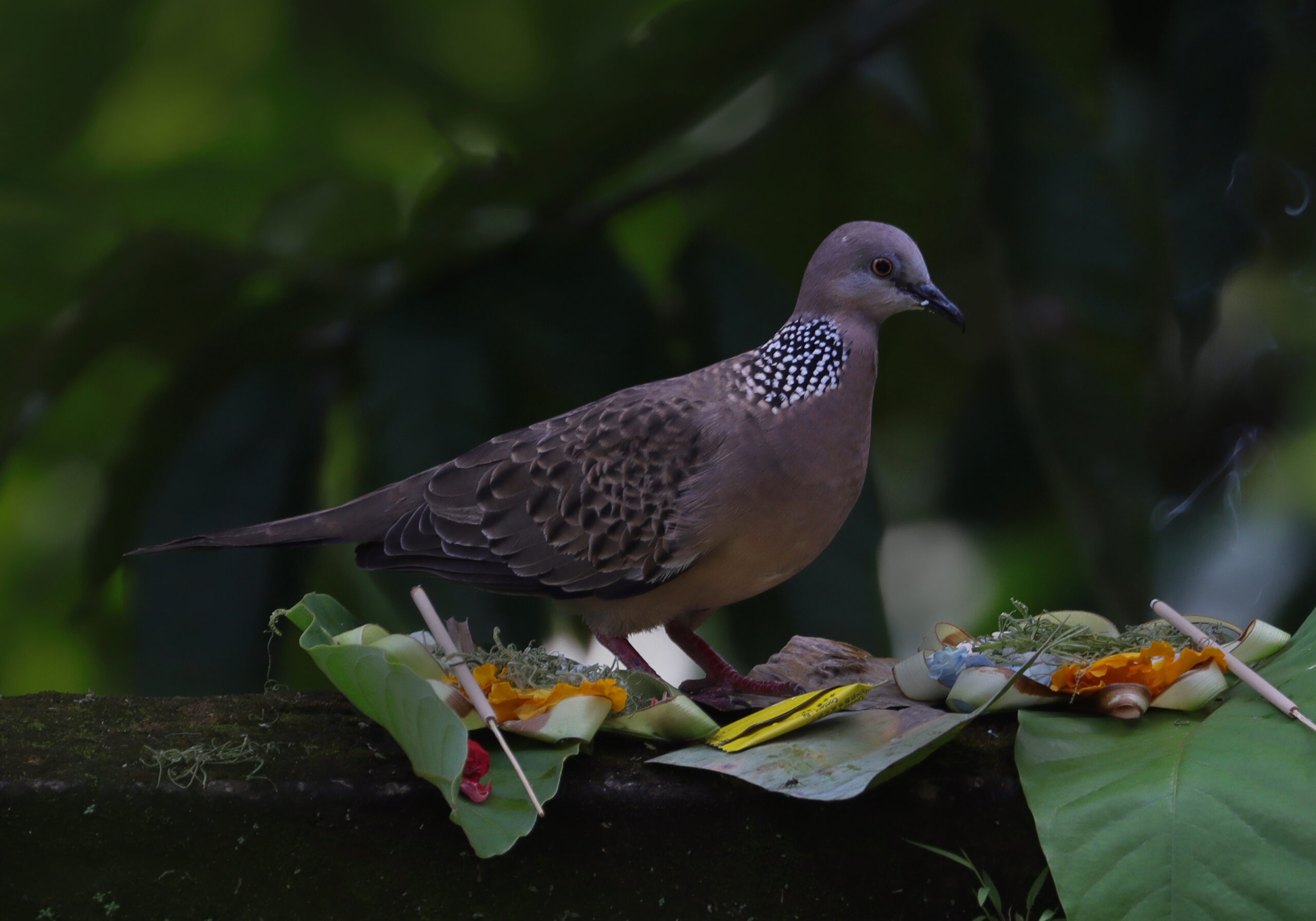
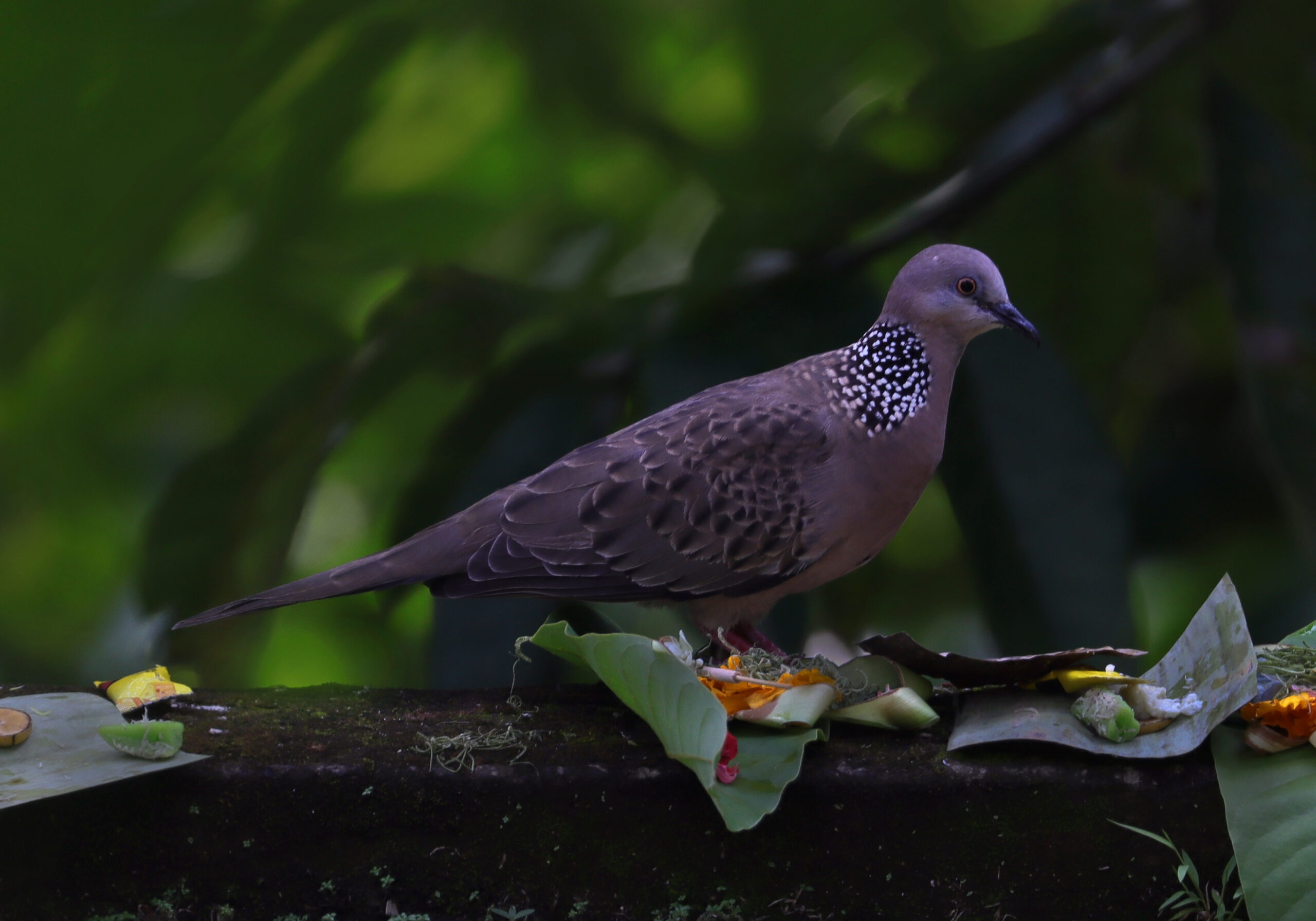
Spilopelia is a genus of doves within the family Columbidae (Order Columbiformes). The genus comprises four recognized species distributed across Asia, the Middle East, and Africa, with several species having been widely introduced to other parts of the world. Members inhabit woodlands, forest edges, scrublands, grasslands, agricultural fields, villages, parks, gardens, and urban environments, where they readily adapt to both natural and human-modified habitats.
Doves of the genus Spilopelia are generally small to medium-sized birds, measuring approximately 25–33 cm in length. They have a slender, streamlined body, a relatively small rounded head, a long graduated tail, and pointed wings adapted for swift, direct flight. Plumage is typically soft brown, gray, buff, or pinkish, often with fine scalloping or barred patterns on the wings. A distinguishing feature of many species is the presence of a black patch on the side of the neck, usually marked with white spots or forming a narrow collar, which serves as a key identification characteristic.
Adults are diurnal and spend much of the day foraging on the ground in pairs or small flocks. They walk with a characteristic bobbing motion while searching for food and are capable of fast, powerful flight when disturbed. Their vocalizations consist of soft, rhythmic coos that are used for mate attraction, territorial advertisement, and communication. Courtship includes bowing displays, puffing of the neck feathers, tail spreading, and short aerial flights.
Members of Spilopelia are primarily granivorous, feeding mainly on seeds, grains, cereals, and small fruits. They also consume tender shoots, berries, and occasionally small insects or other invertebrates, particularly during the breeding season. They usually forage on the ground beneath grasses, shrubs, or cultivated crops and often take advantage of spilled grain in agricultural and urban areas.
The life cycle consists of egg, nestling, fledgling, juvenile, and adult stages. Breeding pairs construct simple platform nests from twigs, grasses, and roots, usually placed in trees, shrubs, hedges, or occasionally on buildings. Females generally lay two white eggs, which are incubated by both parents. Newly hatched chicks are initially fed crop milk, followed by softened seeds and other plant material as they develop. The young typically fledge within 12–18 days, depending on the species.
The genus includes four recognized species: Spilopelia chinensis (Spotted Dove), Spilopelia senegalensis (Laughing Dove), Spilopelia decaocto (Eurasian Collared Dove), and Spilopelia decipiens (African Mourning Dove). Several species have expanded their ranges naturally or through human introductions and are now common inhabitants of cities and agricultural landscapes.
Ecologically, Spilopelia doves contribute to ecosystem functioning through seed dispersal and the consumption of weed seeds, helping to influence plant community dynamics. They also provide an important food source for birds of prey, snakes, and terrestrial mammals. Their adaptability to diverse habitats, combined with their sensitivity to major environmental changes, makes Spilopelia species useful indicators of habitat quality, landscape modification, and biodiversity.