Bali Wildlife
Every Spices Matter


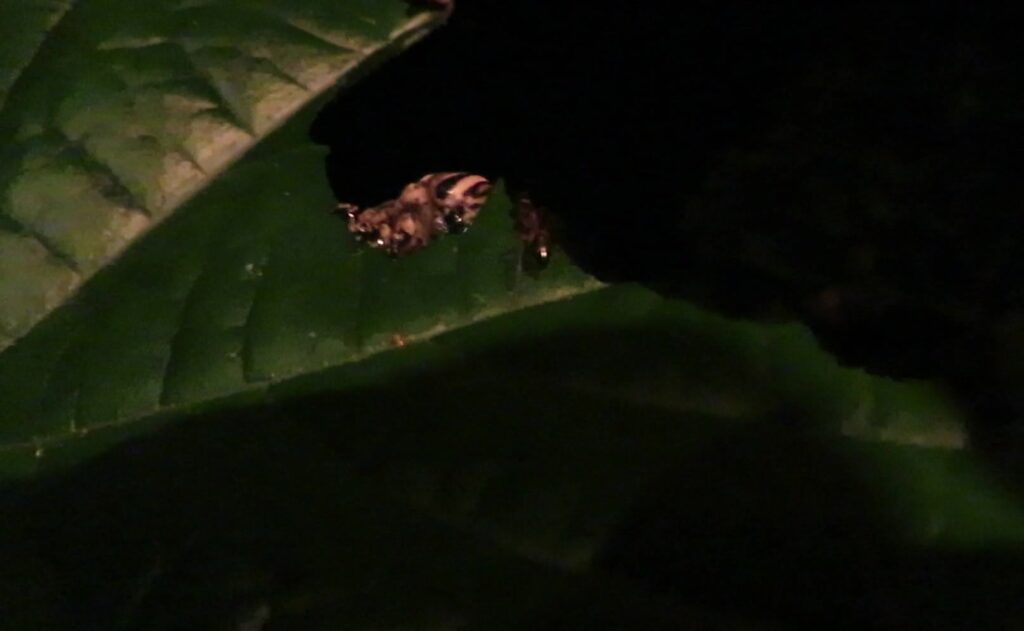
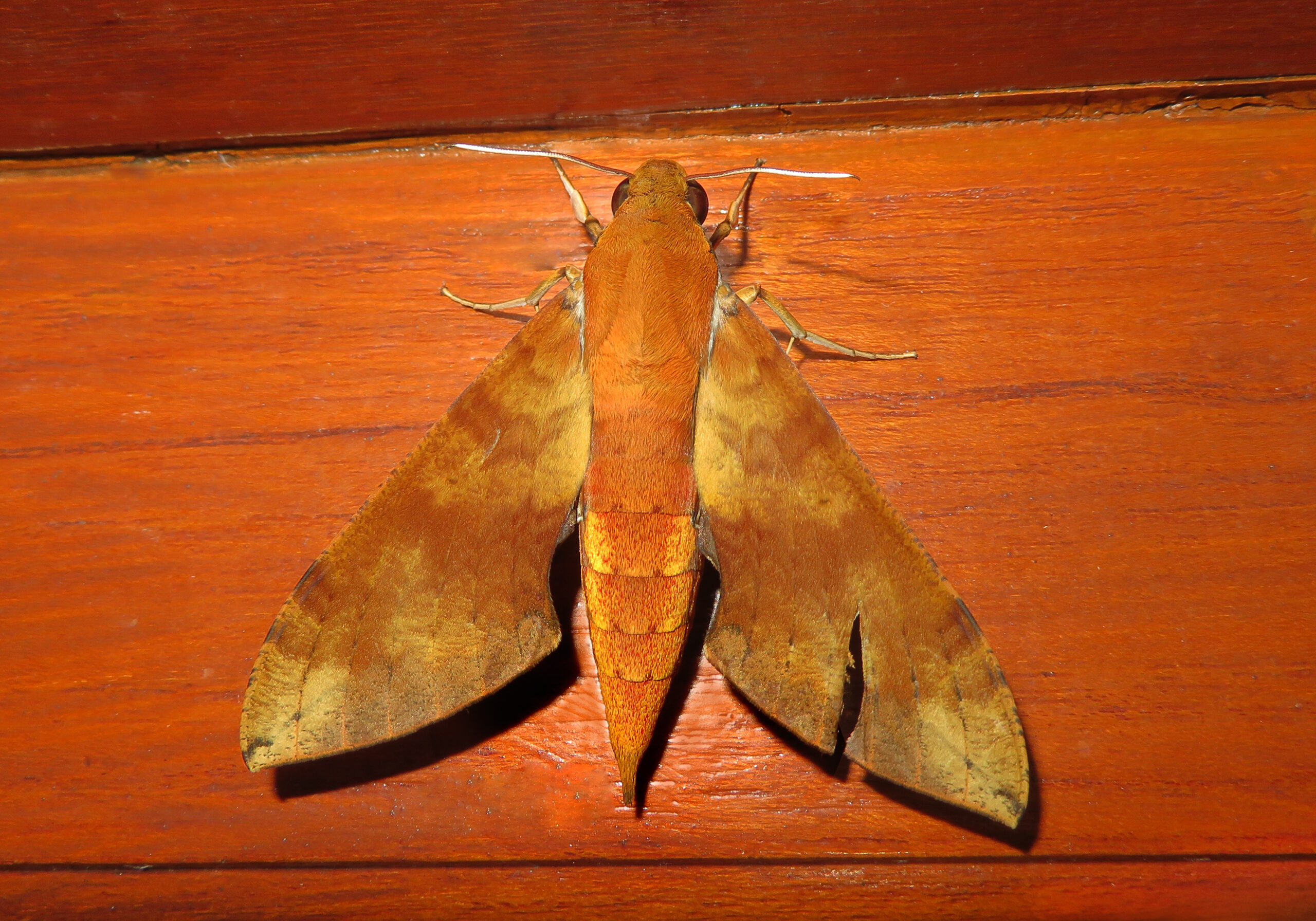
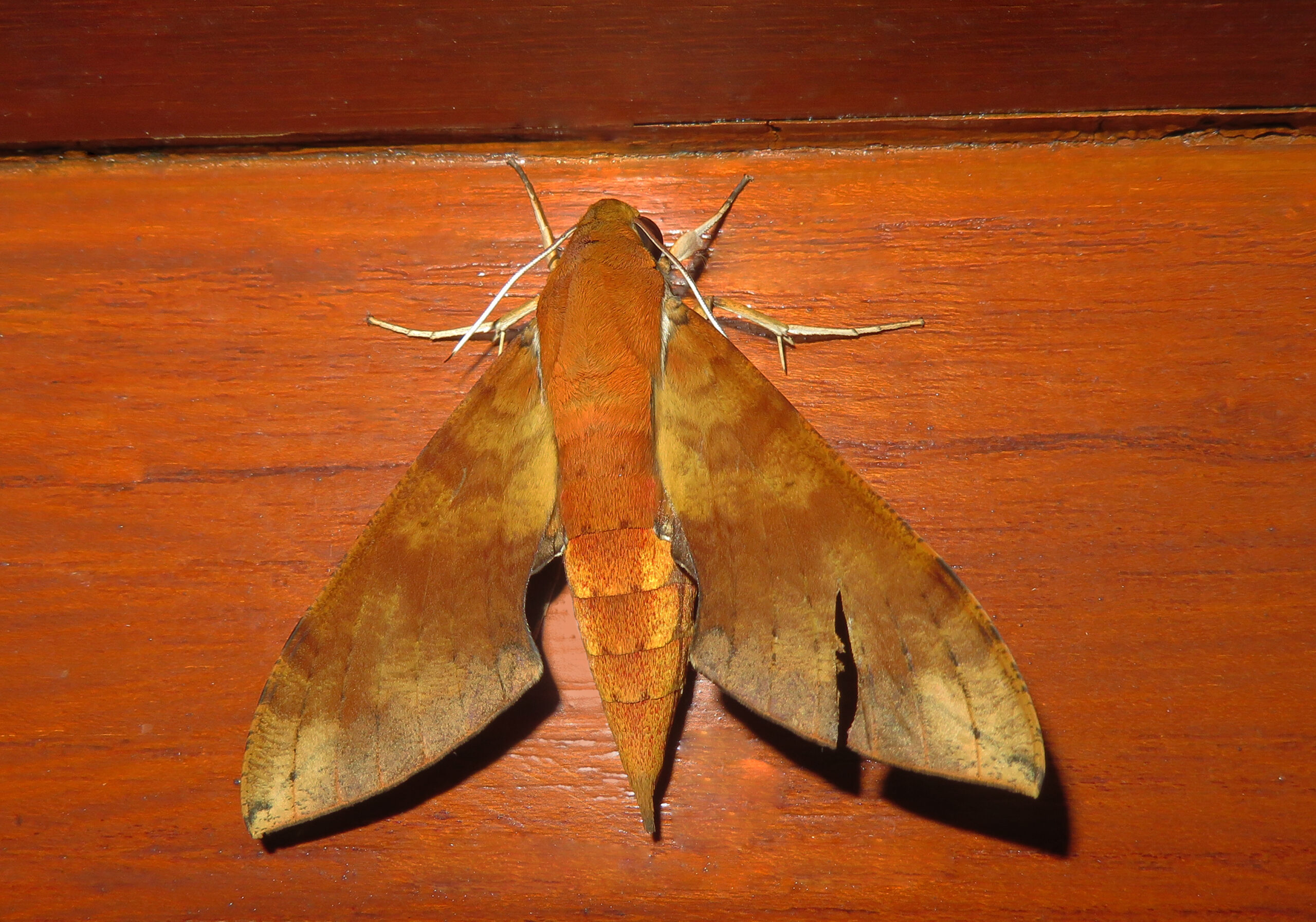
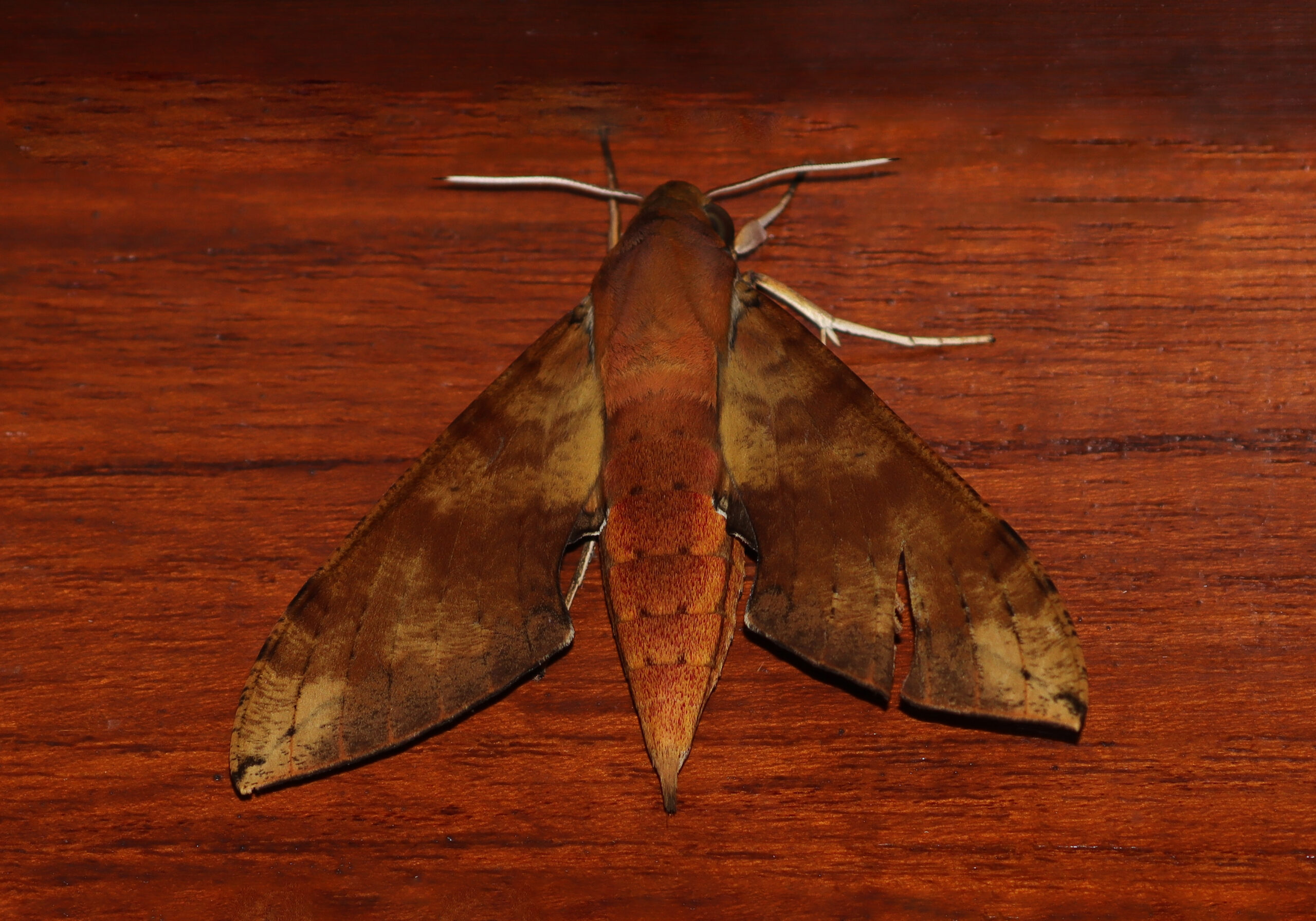
Sphingidae is a family of moths within the superfamily Bombycoidea (Order Lepidoptera), commonly known as hawk moths, sphinx moths, or hummingbird moths. This family comprises more than 1,600 species distributed worldwide, with the greatest diversity occurring in tropical and subtropical regions. Members inhabit a wide variety of environments, including forests, grasslands, deserts, agricultural areas, and urban gardens.
Hawk moths are generally medium to large in size and are recognized by their robust, streamlined bodies, long narrow wings, and powerful flight muscles. Many species are capable of exceptionally fast and agile flight, enabling them to hover in front of flowers while feeding, much like hummingbirds.
The head bears large compound eyes and a well-developed proboscis, which in some species may exceed the length of the body. This adaptation allows them to feed on nectar from deep tubular flowers that are inaccessible to many other insects. Antennae are thickened toward the tip and are often slightly hooked.
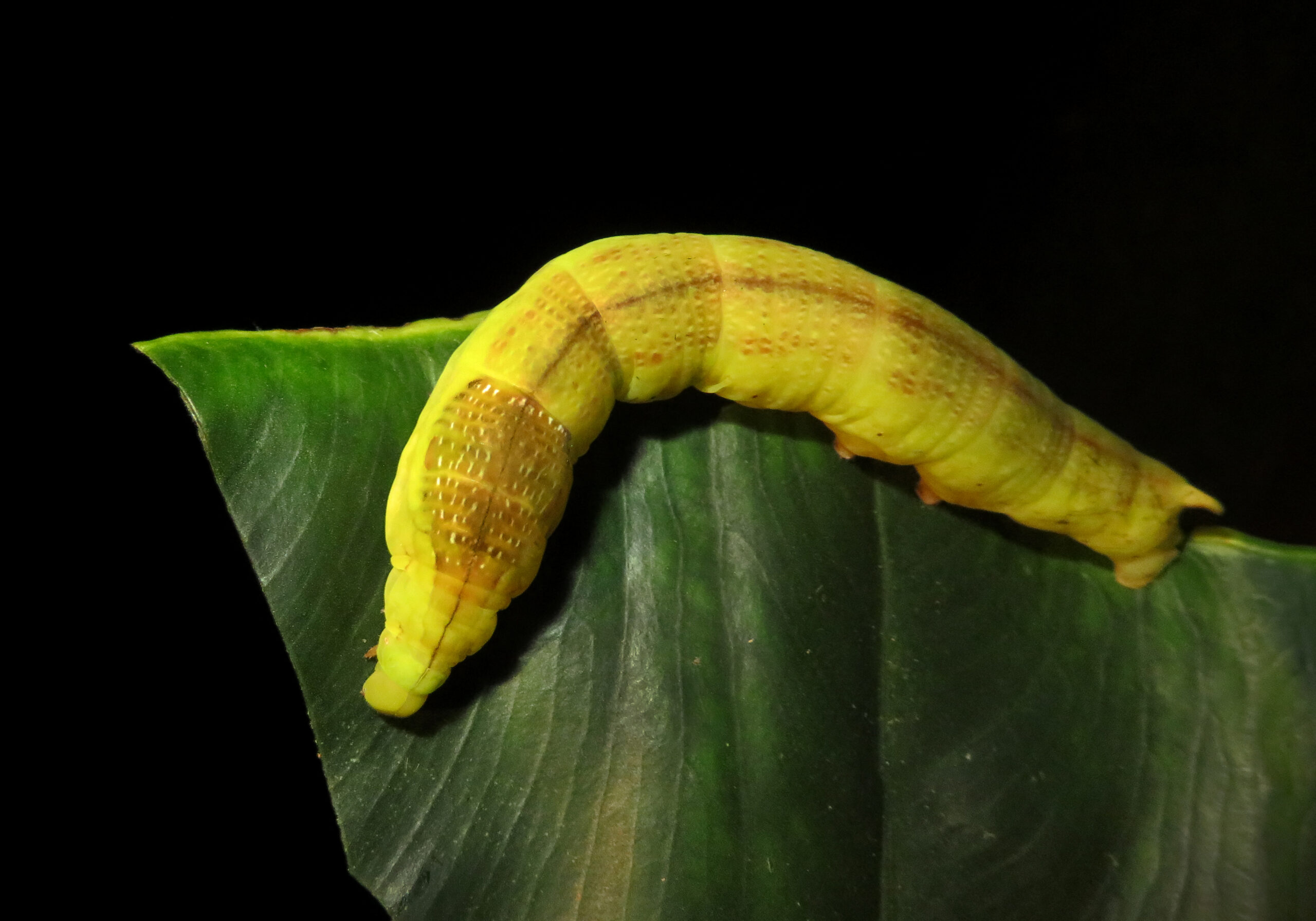
The life cycle involves complete metamorphosis, consisting of egg, larva (caterpillar), pupa, and adult stages. Caterpillars, commonly known as hornworms, are usually large and cylindrical, often bearing a distinctive horn-like projection at the rear end of the body. They feed on a variety of host plants, including trees, shrubs, and herbaceous species.
Most adult sphingids are active at dusk or during the night, although several species are diurnal. Their ability to hover while feeding makes them highly effective pollinators, particularly of night-blooming and fragrant flowers.
The family includes well-known genera such as Macroglossum, Acherontia, Daphnis, Theretra, and Hyles, representing a broad range of ecological adaptations and striking wing patterns.
Ecologically, Sphingidae plays an important role in pollination, especially for plants with deep floral tubes. Caterpillars serve as herbivores and an important food source for birds, reptiles, and other predators, while adults contribute significantly to nocturnal pollination networks. Their remarkable flight abilities, specialized plant relationships, and ecological importance make hawk moths one of the most fascinating groups of Lepidoptera.