Bali Wildlife
Every Spices Matter


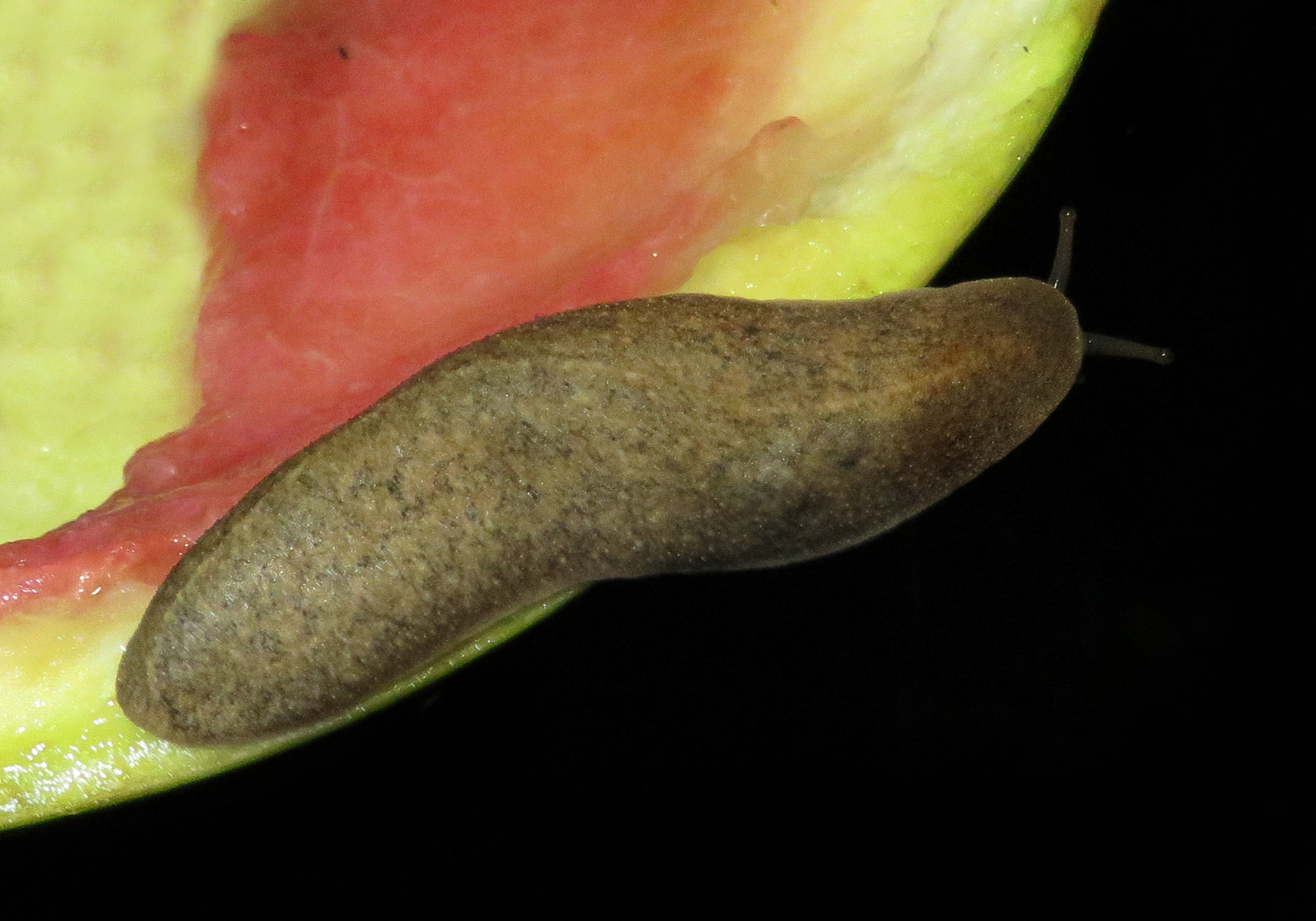
Semperula is a genus of tropical leatherleaf slugs within the family Veronicellidae (Superfamily Veronicelloidea, Order Systellommatophora, Class Gastropoda, Phylum Mollusca). Species of this genus are primarily distributed in South and Southeast Asia, where they inhabit warm and humid terrestrial environments.
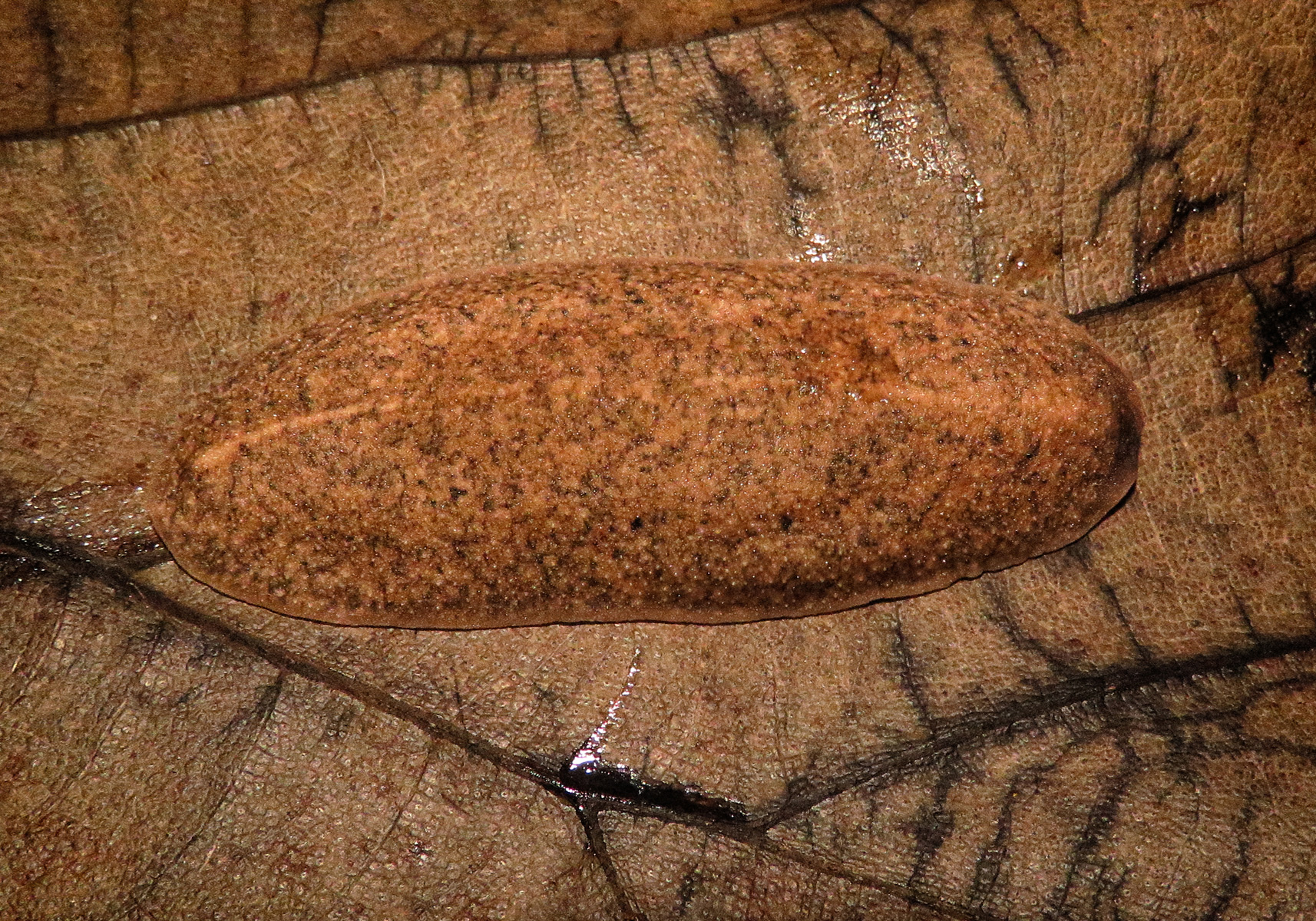
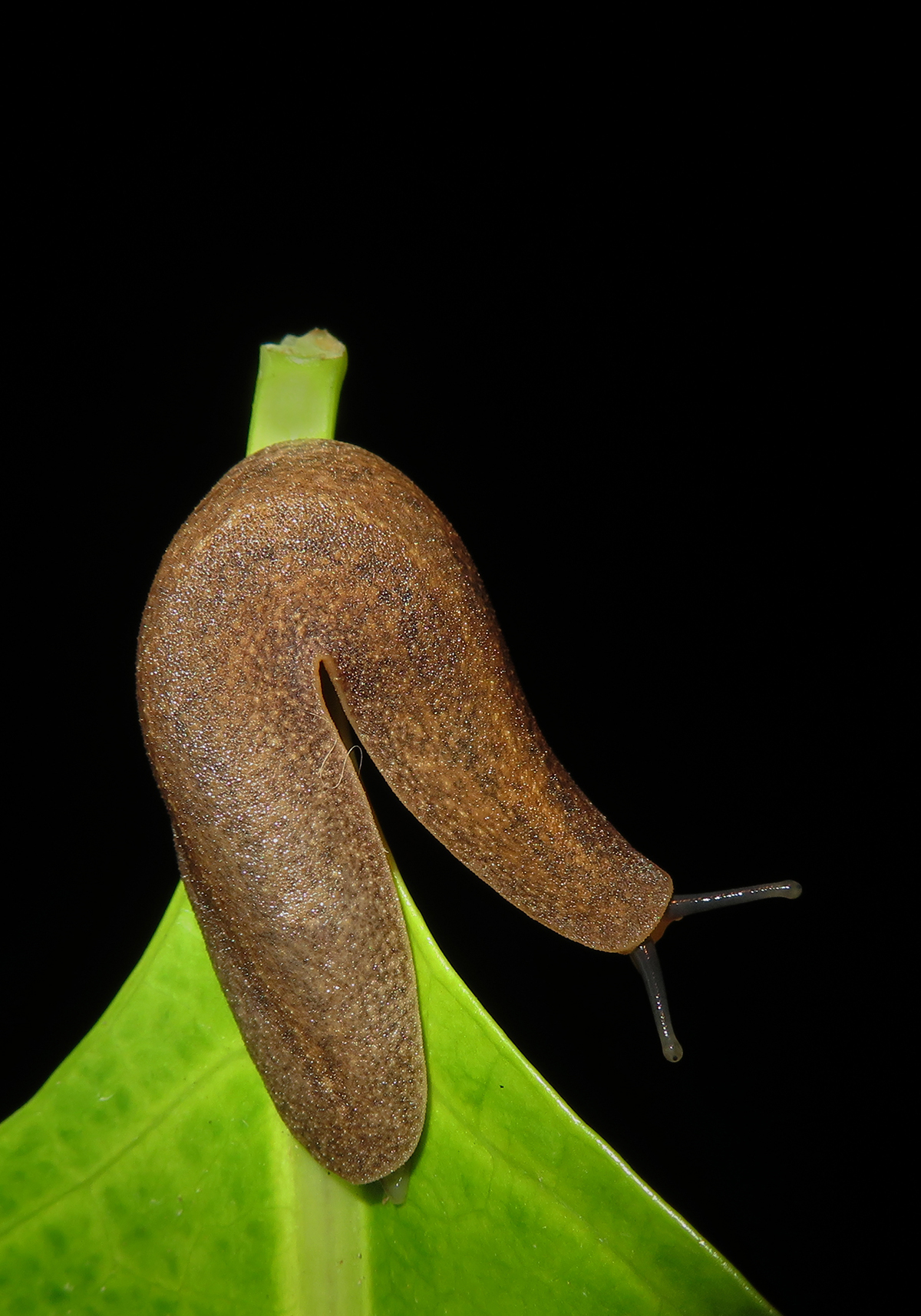
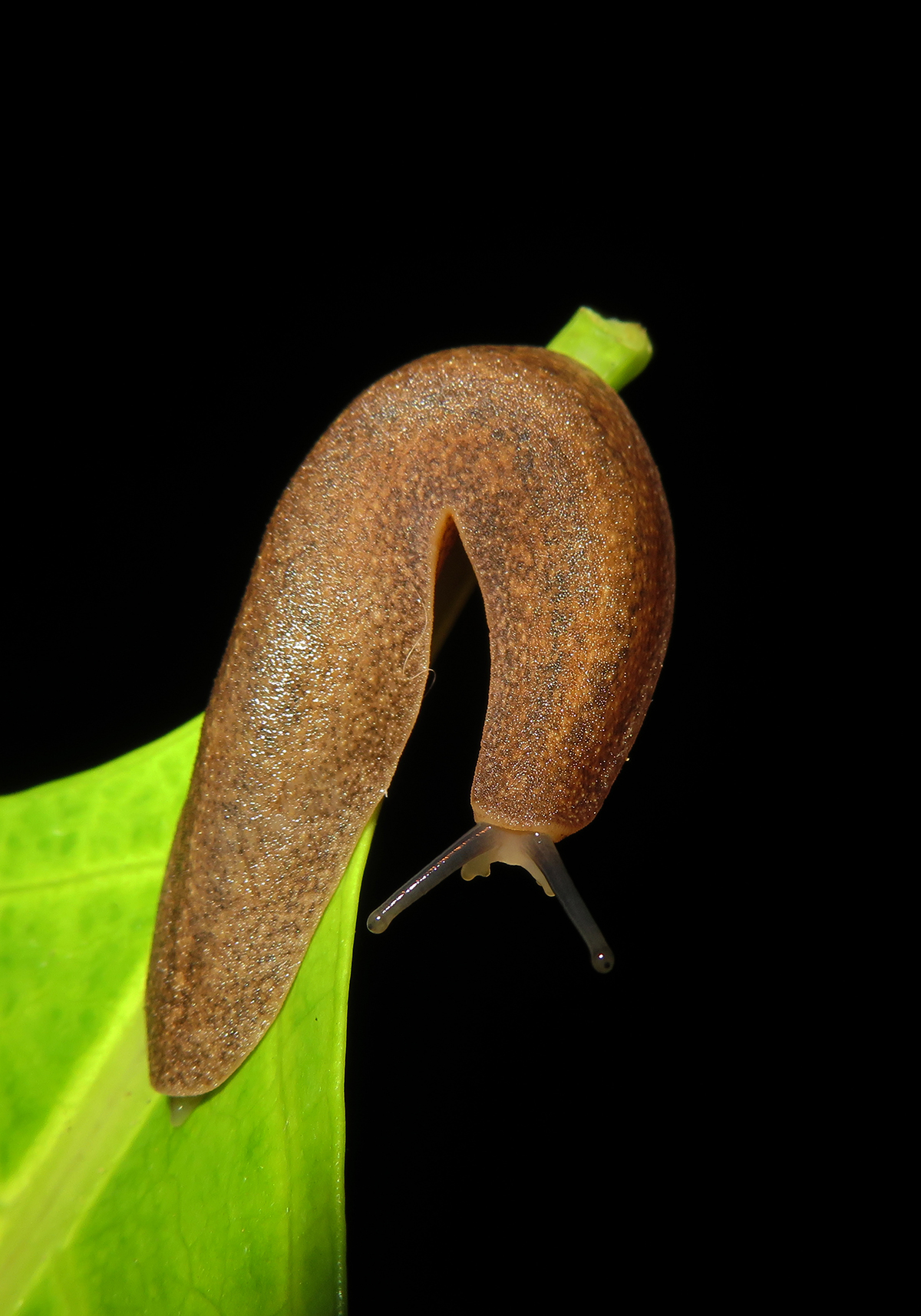
Members of Semperula are characterized by the complete absence of an external shell in adult stages. The body is elongated, soft, and somewhat flattened, with a thick, leathery dorsal mantle that covers nearly the entire upper surface. Coloration typically ranges from brown, gray, or dark mottled tones, often providing effective camouflage against soil and leaf litter.
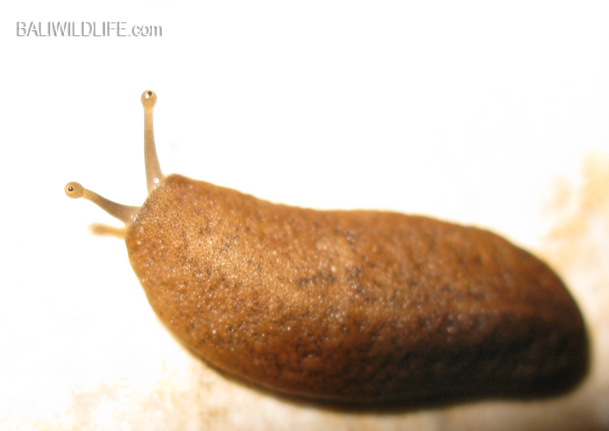
The head bears short sensory tentacles, and unlike many other pulmonate gastropods, there is no prominent external pneumostome. Respiration occurs through a highly vascularized mantle surface. The foot is broad and muscular, allowing slow but steady locomotion across moist substrates.
Ecologically, species of Semperula are mainly herbivorous or detritivorous, feeding on plant material, fungi, and decaying organic matter. They are frequently found in gardens, plantations, agricultural lands, and forested habitats. Some species are considered agricultural pests, especially in vegetable crops and ornamental plants.
Reproduction is hermaphroditic with internal fertilization and direct development. Eggs are deposited in moist soil or concealed microhabitats to prevent desiccation.
Genus Semperula represents a typical group of Asian leatherleaf slugs, distinguished by shell loss, a thick dorsal mantle, and adaptation to tropical terrestrial ecosystems.