Bali Wildlife
Every Spices Matter


Scorpiones is an order of arachnids comprising the scorpions, an ancient lineage that has existed for more than 430 million years. More than 2,700 described species are known worldwide, occurring on every continent except Antarctica. Scorpions inhabit an extraordinary range of environments, including deserts, tropical rainforests, savannas, grasslands, mountains, caves, and coastal regions, where they occupy diverse ecological niches.
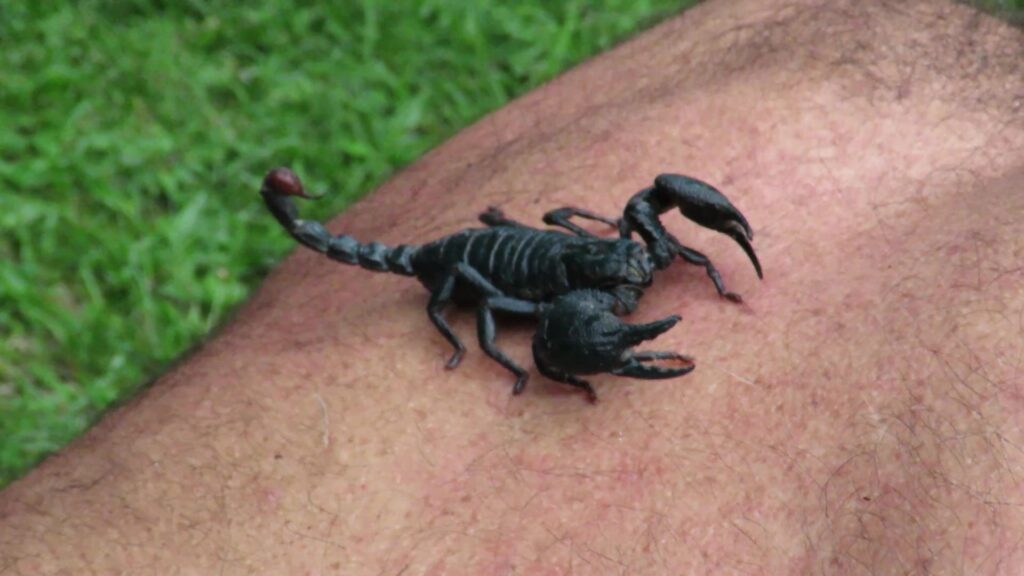
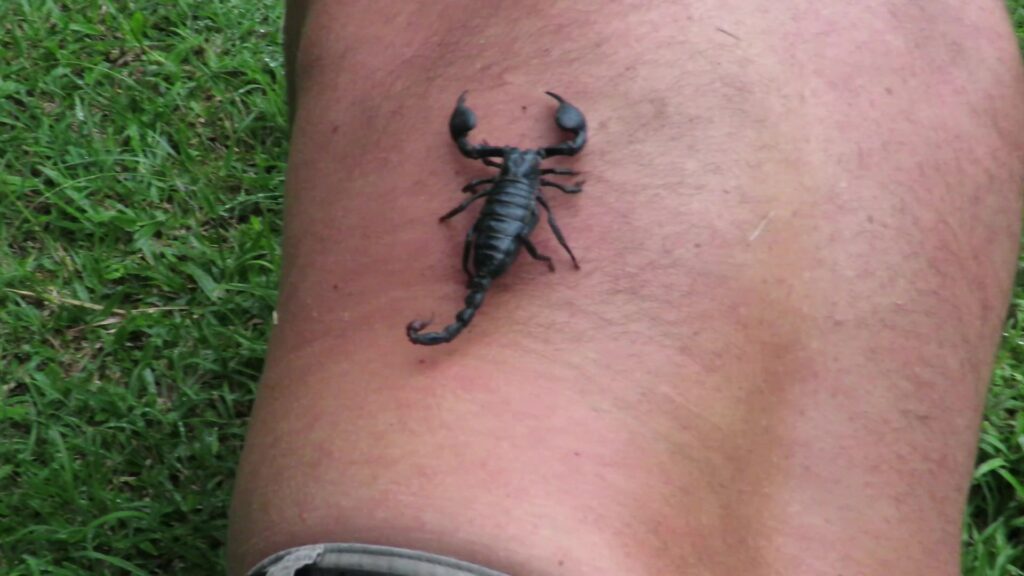
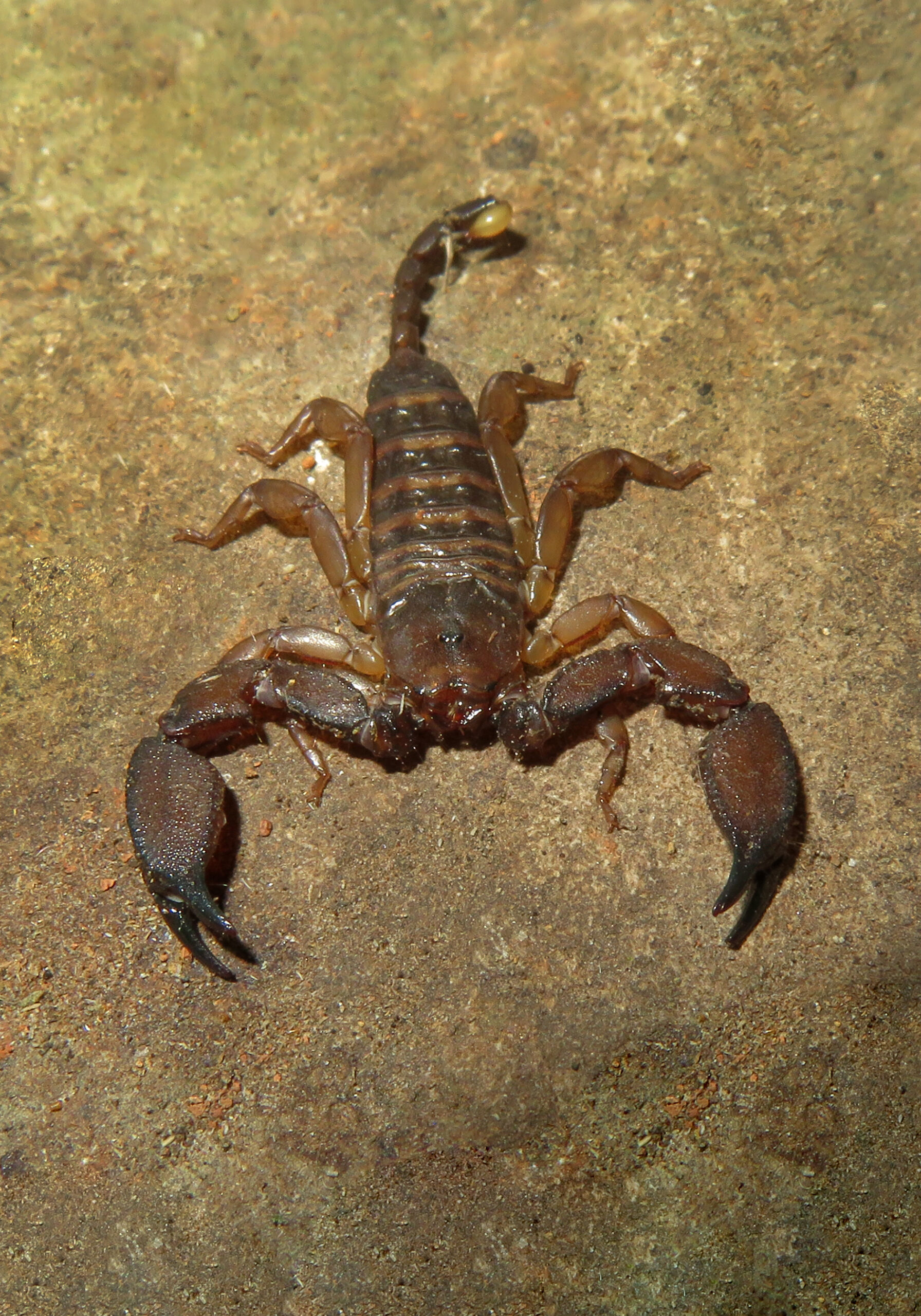
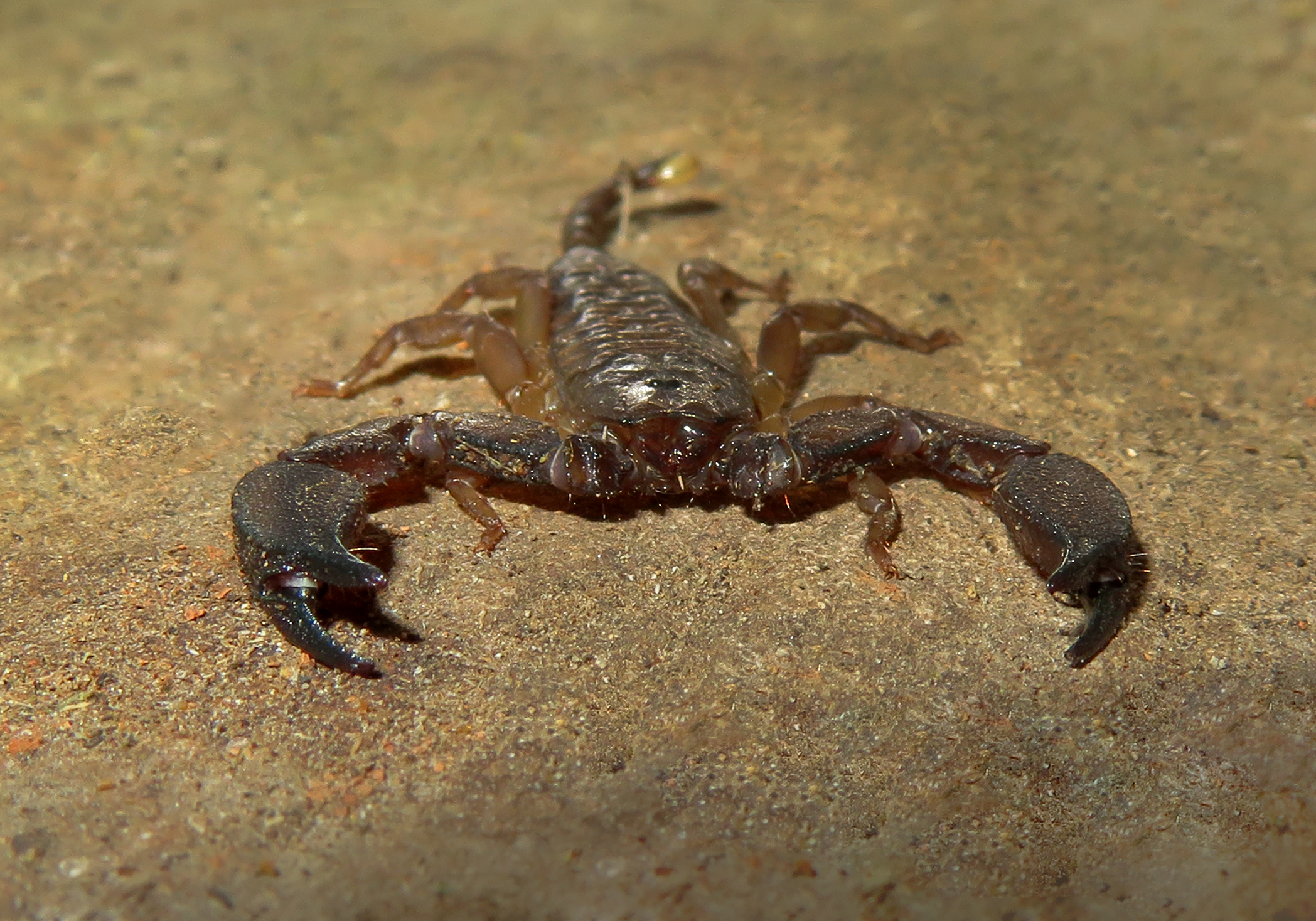
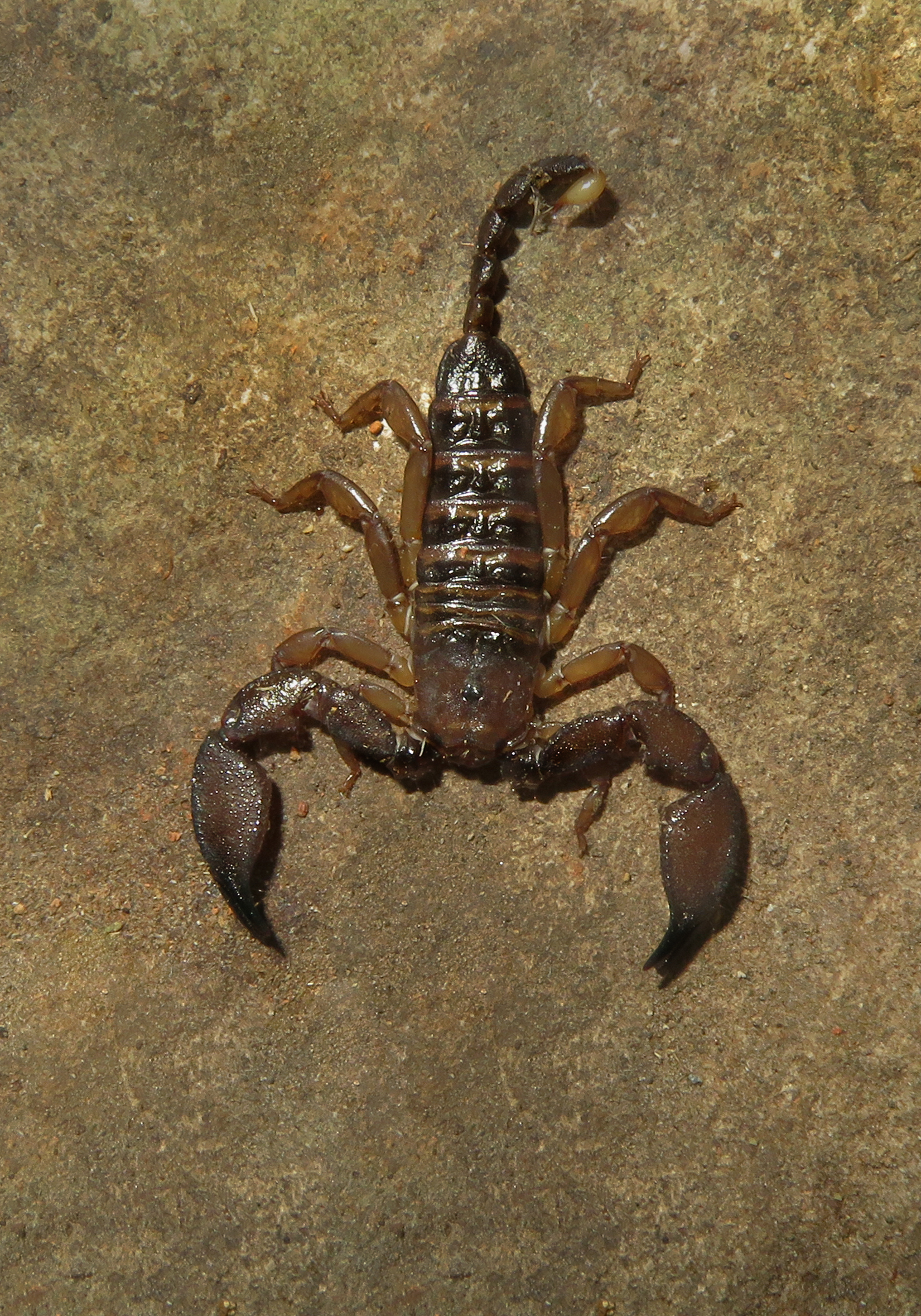
Scorpions are easily recognized by their segmented body, which is divided into a cephalothorax (prosoma) and abdomen (opisthosoma). The anterior pair of appendages forms large grasping pedipalps ending in powerful pincers (chelae), while the elongated tail (metasoma) terminates in a venomous stinger (telson). Adults possess four pairs of walking legs, simple eyes, and highly developed sensory structures that detect vibrations and chemical cues in their environment.
Most scorpions are nocturnal predators. During the day they remain concealed beneath rocks, logs, bark, leaf litter, or in self-excavated burrows, emerging at night to hunt. Their diet consists mainly of insects, spiders, centipedes, and other arthropods, although larger species may occasionally capture small vertebrates such as lizards, frogs, or rodents. Prey is seized with the pedipalps and subdued either mechanically or with venom delivered through the stinger.
Scorpions exhibit several unique biological features. They possess specialized sensory organs called pectines on the underside of the body, which are used to detect substrate vibrations, chemical signals, and suitable mates. Another remarkable characteristic is their ability to fluoresce under ultraviolet light due to compounds present in the cuticle.
Unlike insects, scorpions are viviparous, giving birth to live young. After birth, the offspring climb onto the mother’s back, where they remain until after their first molt. This period of maternal care provides protection during their most vulnerable stage before they disperse to become independent predators.
The order includes numerous families, such as Buthidae, Scorpionidae, Hormuridae, Bothriuridae, and Euscorpiidae, representing a wide diversity of body sizes, venom potency, and ecological adaptations. While most species possess venom that is effective primarily against prey and poses little danger to humans, a relatively small number of species, particularly within the family Buthidae, have medically significant venom.
Ecologically, scorpions are important predators that help regulate populations of insects and other invertebrates. They also serve as prey for birds, mammals, reptiles, amphibians, and other arthropods, forming an integral part of terrestrial food webs. Their long evolutionary history, specialized adaptations, and sensitivity to habitat change make scorpions valuable indicators of ecosystem health and important components of global biodiversity.