Bali Wildlife
Every Spices Matter


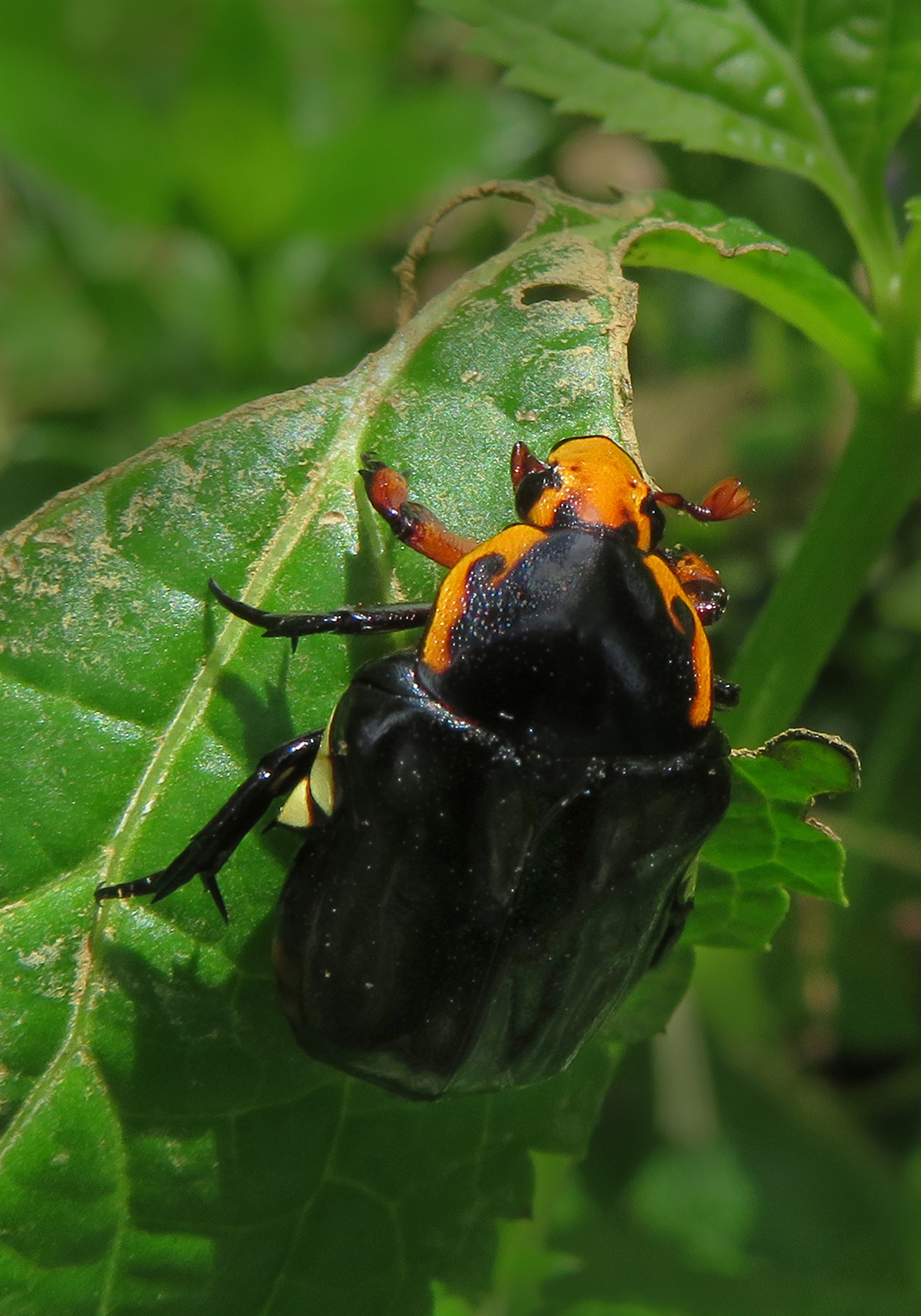
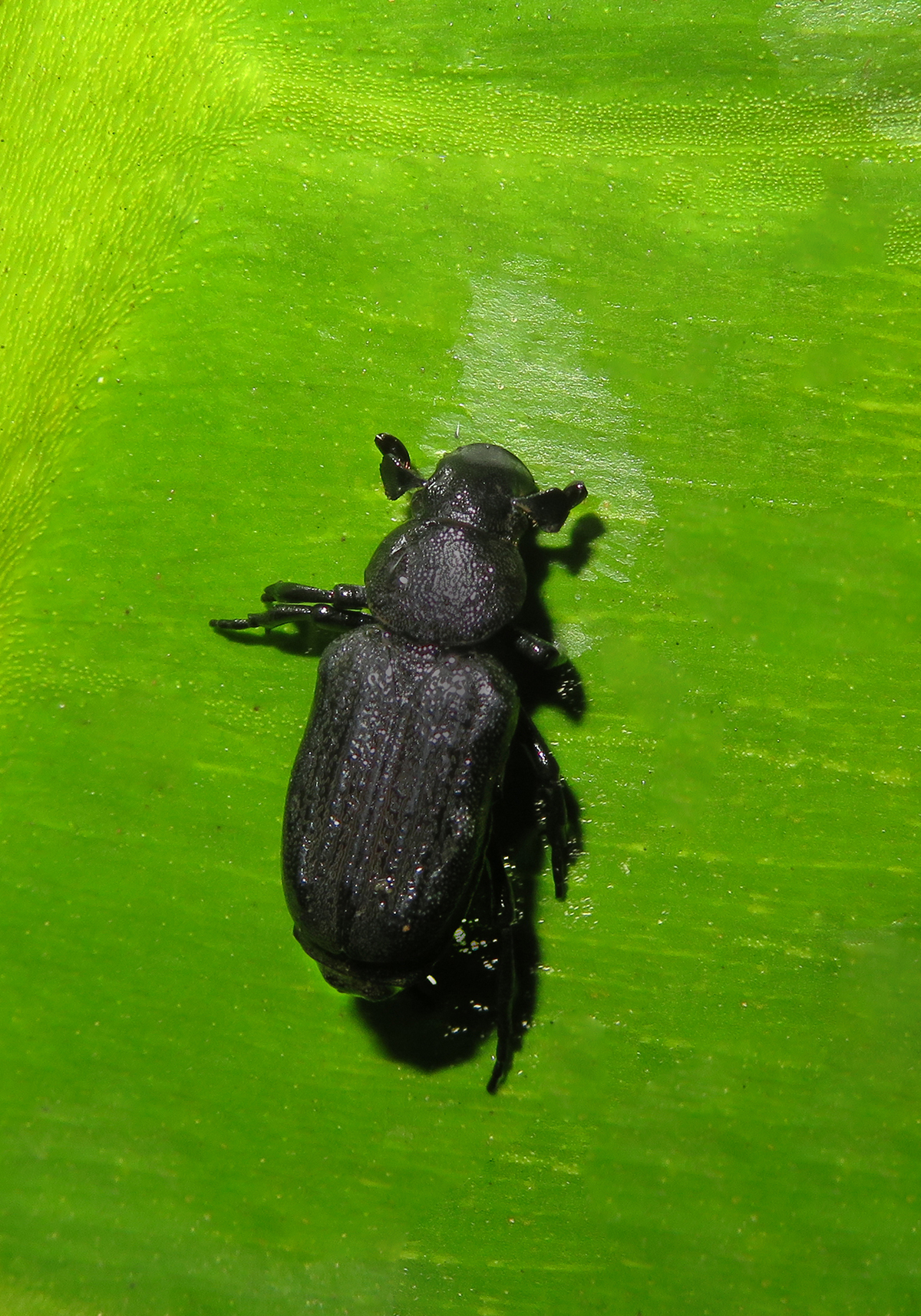
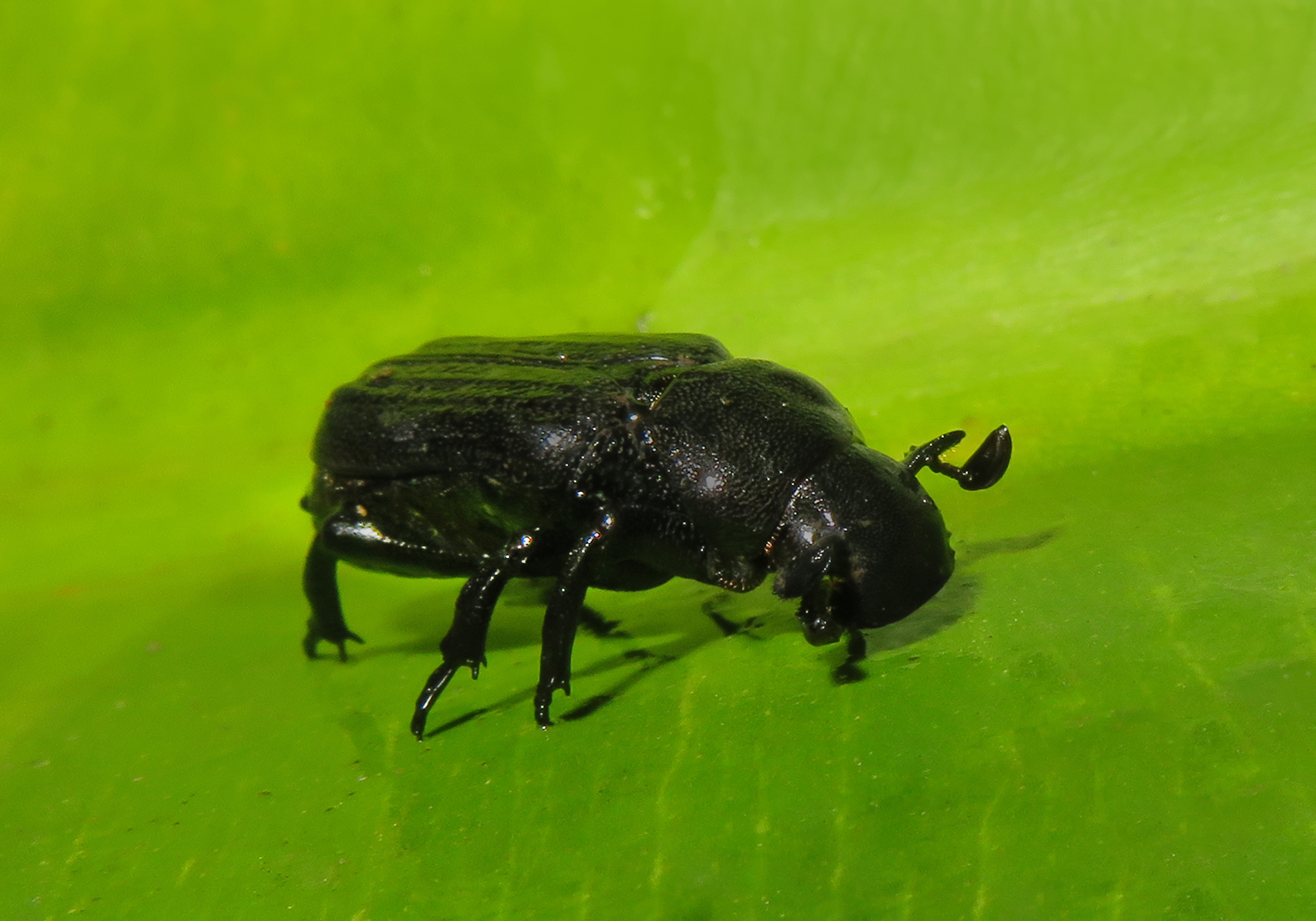
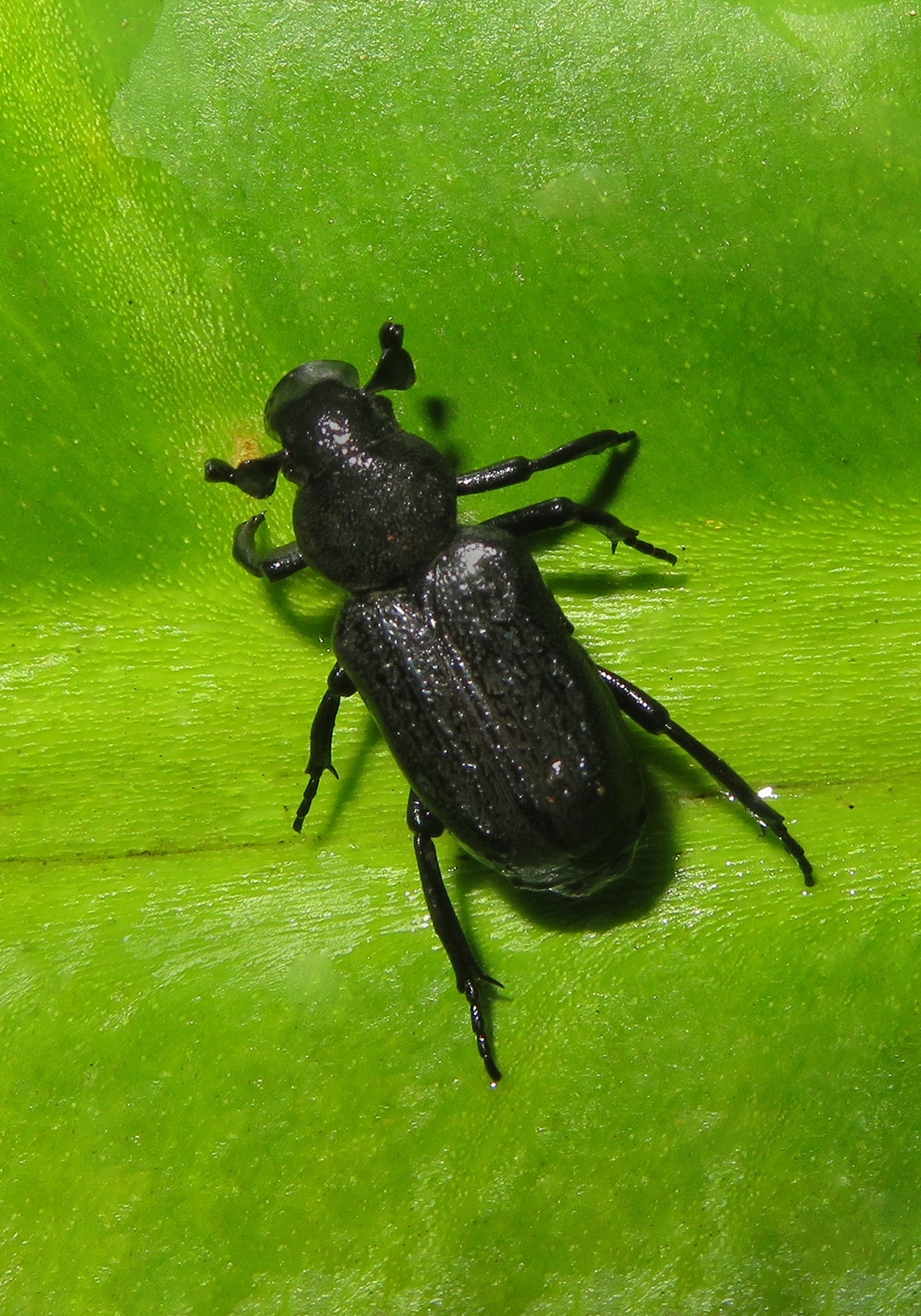
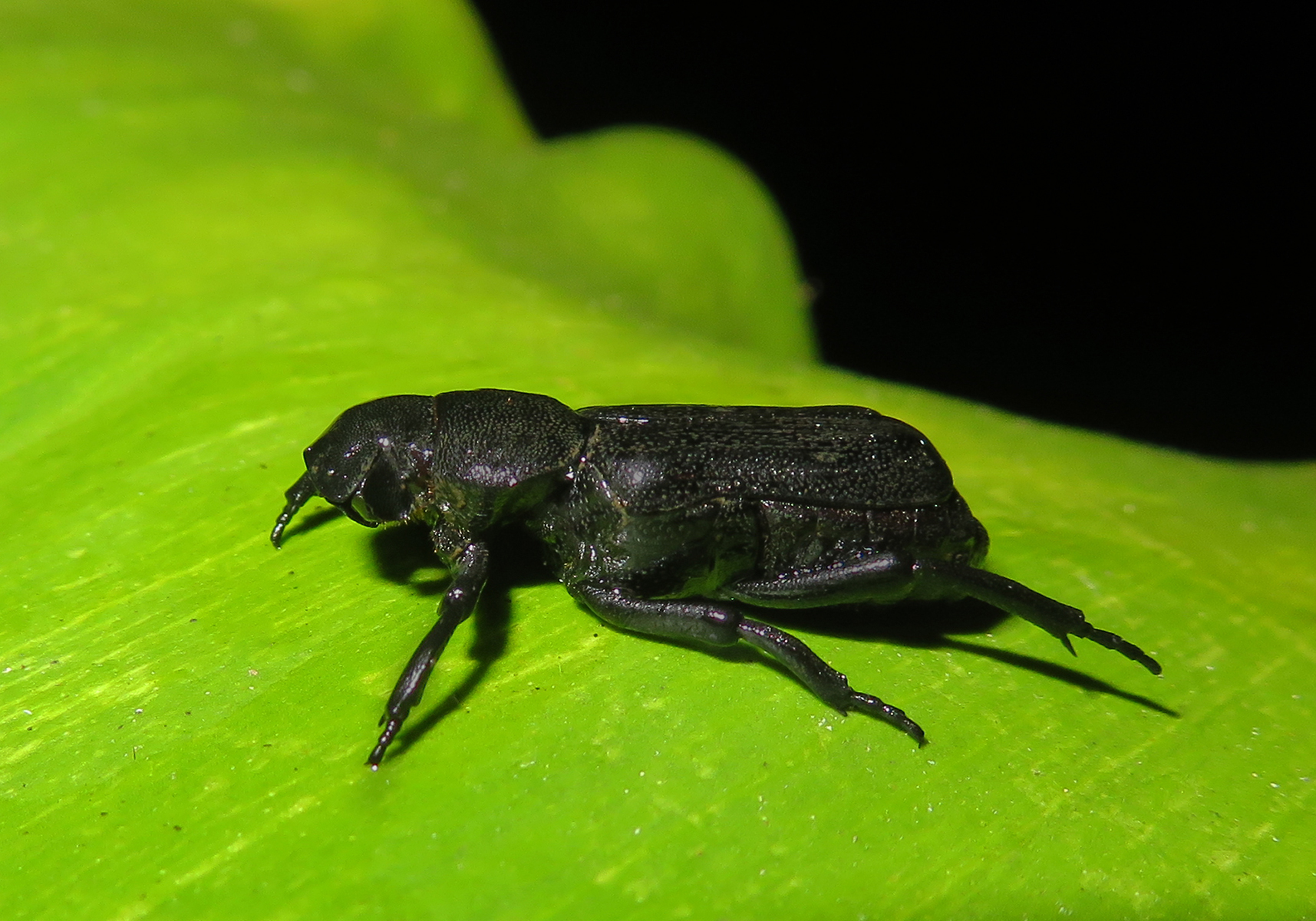
Scarabaeoidea is a diverse and ecologically important superfamily within the infraorder Scarabaeiformia, comprising beetles commonly known as scarabs and stag beetles, along with their relatives. Members of this superfamily are generally robust in body form and are most readily recognized by their distinctive antennae, which terminate in a lamellate club composed of leaf-like segments that can be tightly closed or spread apart to detect chemical cues.
Scarabaeoid beetles vary greatly in size, coloration, and external morphology, ranging from small, inconspicuous species to large, highly ornamented beetles with horns or enlarged mandibles. The head typically bears strong chewing mouthparts, and in many species—particularly males—structures such as horns, tusks, or enlarged jaws are used in mating competition and display. The forewings are modified into hardened elytra that protect the membranous hindwings and abdomen.
Development is holometabolous, with larvae commonly known as grubs. These larvae are usually C-shaped, soft-bodied, and live in soil, decaying wood, dung, or leaf litter, where they feed on roots or decomposing organic matter. Pupation occurs within the substrate, often in an earthen or organic cell.
Scarabaeoidea occupies a wide range of terrestrial habitats worldwide, from forests and grasslands to agricultural landscapes. Members of this superfamily play vital ecological roles as decomposers, nutrient recyclers, soil engineers, herbivores, and pollinators. While many species are beneficial to ecosystems and agriculture, some are significant pests, particularly those whose larvae feed on plant roots or whose adults damage crops. The superfamily includes several well-known families, such as Scarabaeidae, Lucanidae, Geotrupidae, Trogidae, and Passalidae, reflecting its broad morphological and ecological diversity.