Bali Wildlife
Every Spices Matter


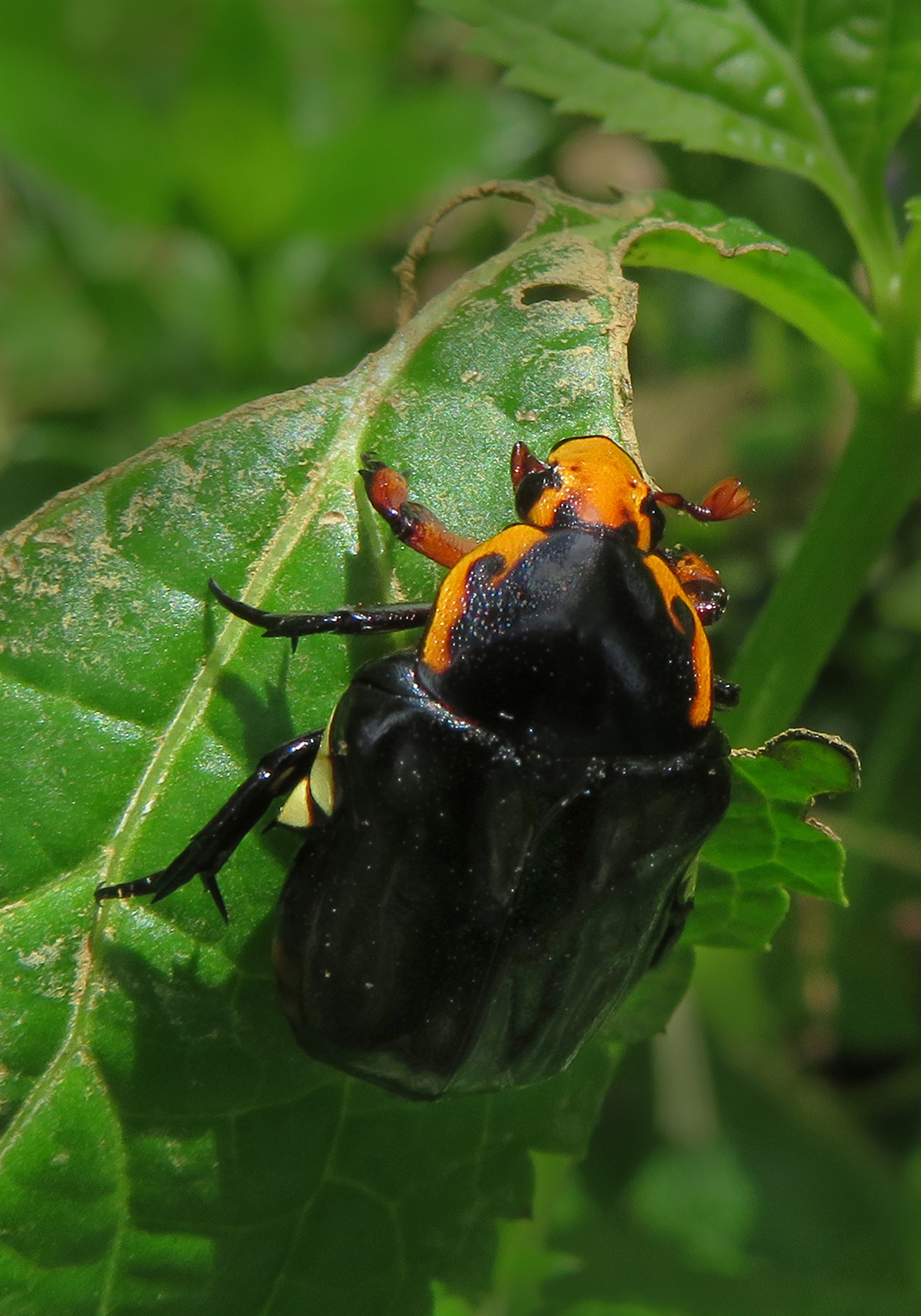
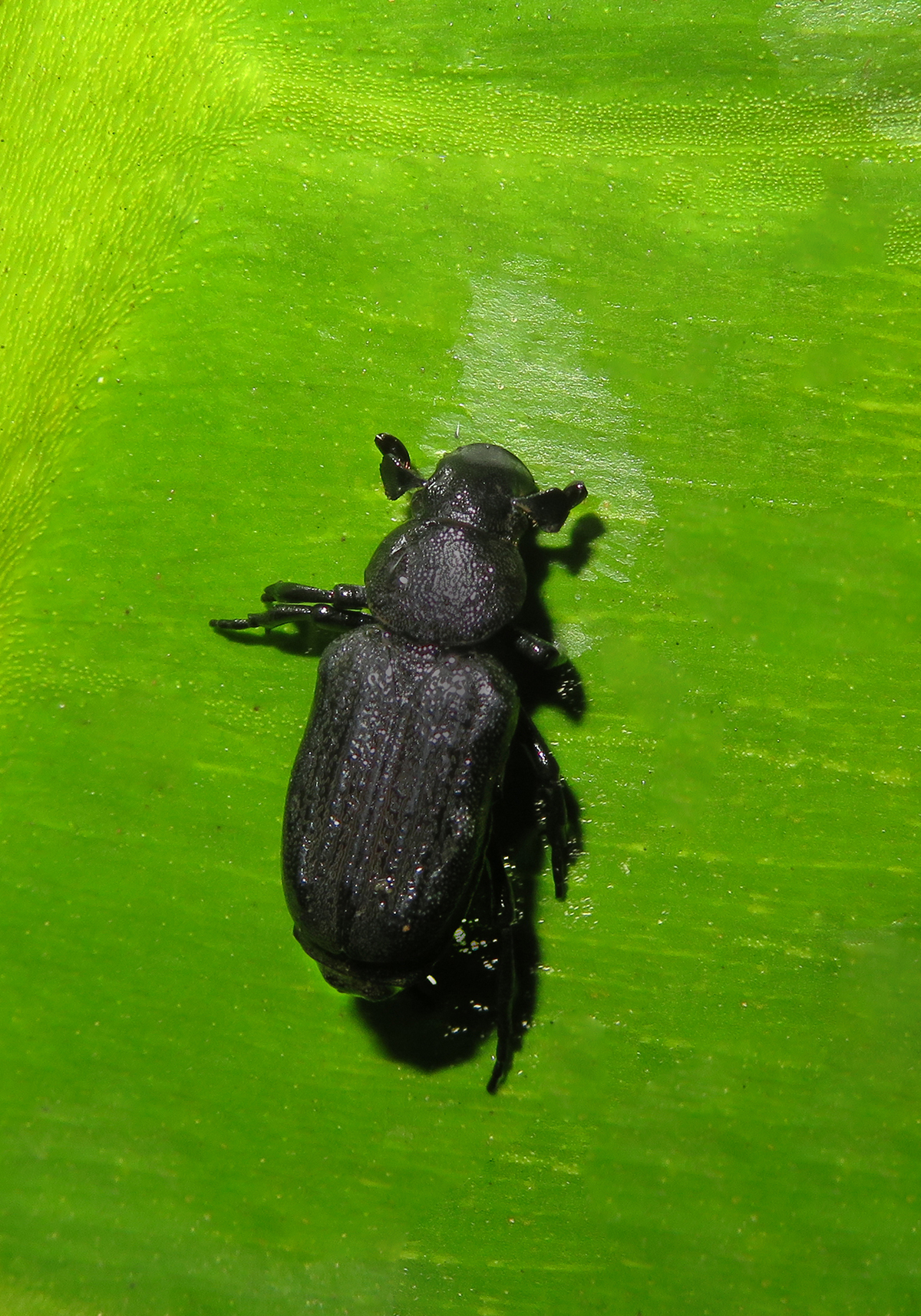
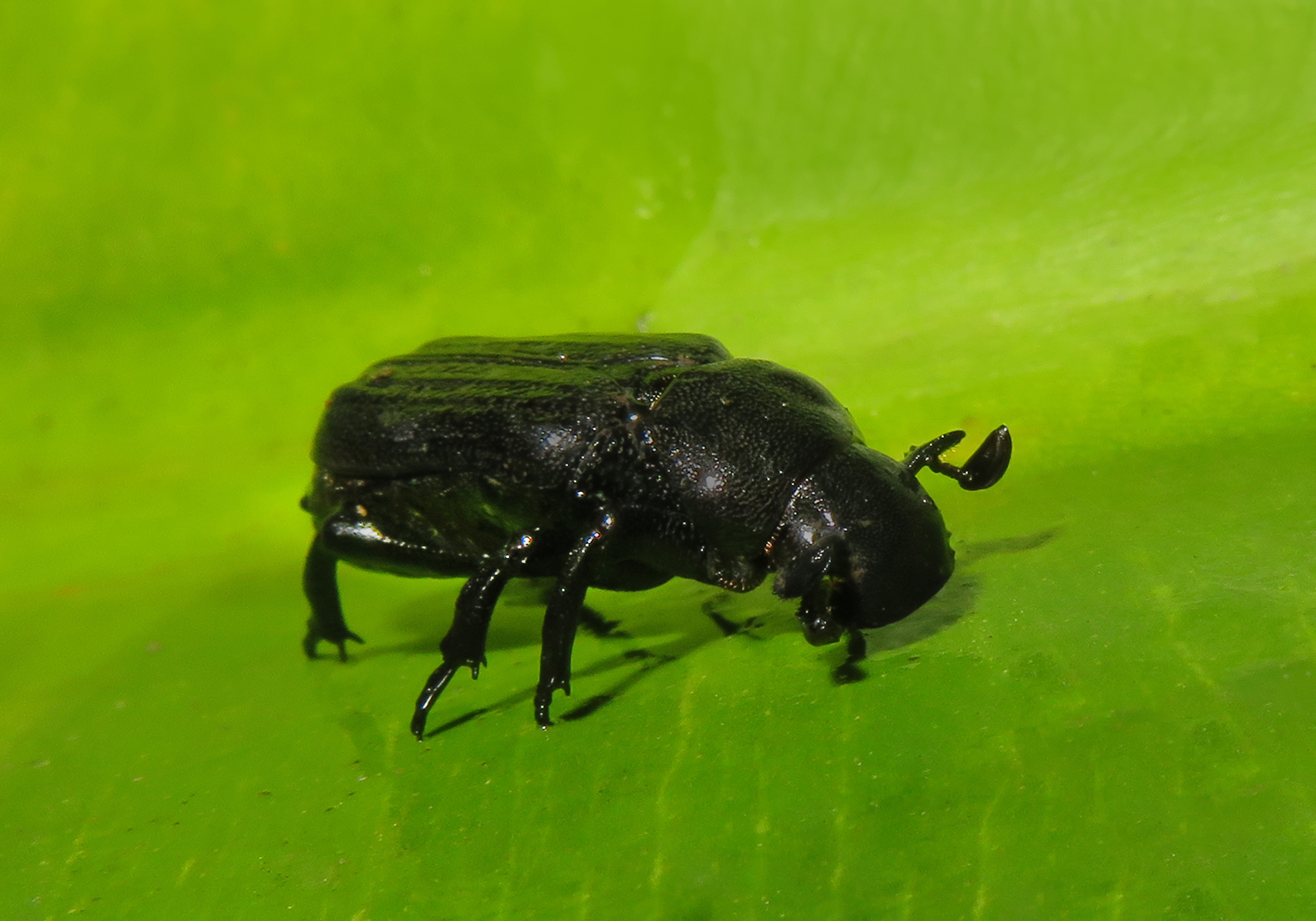
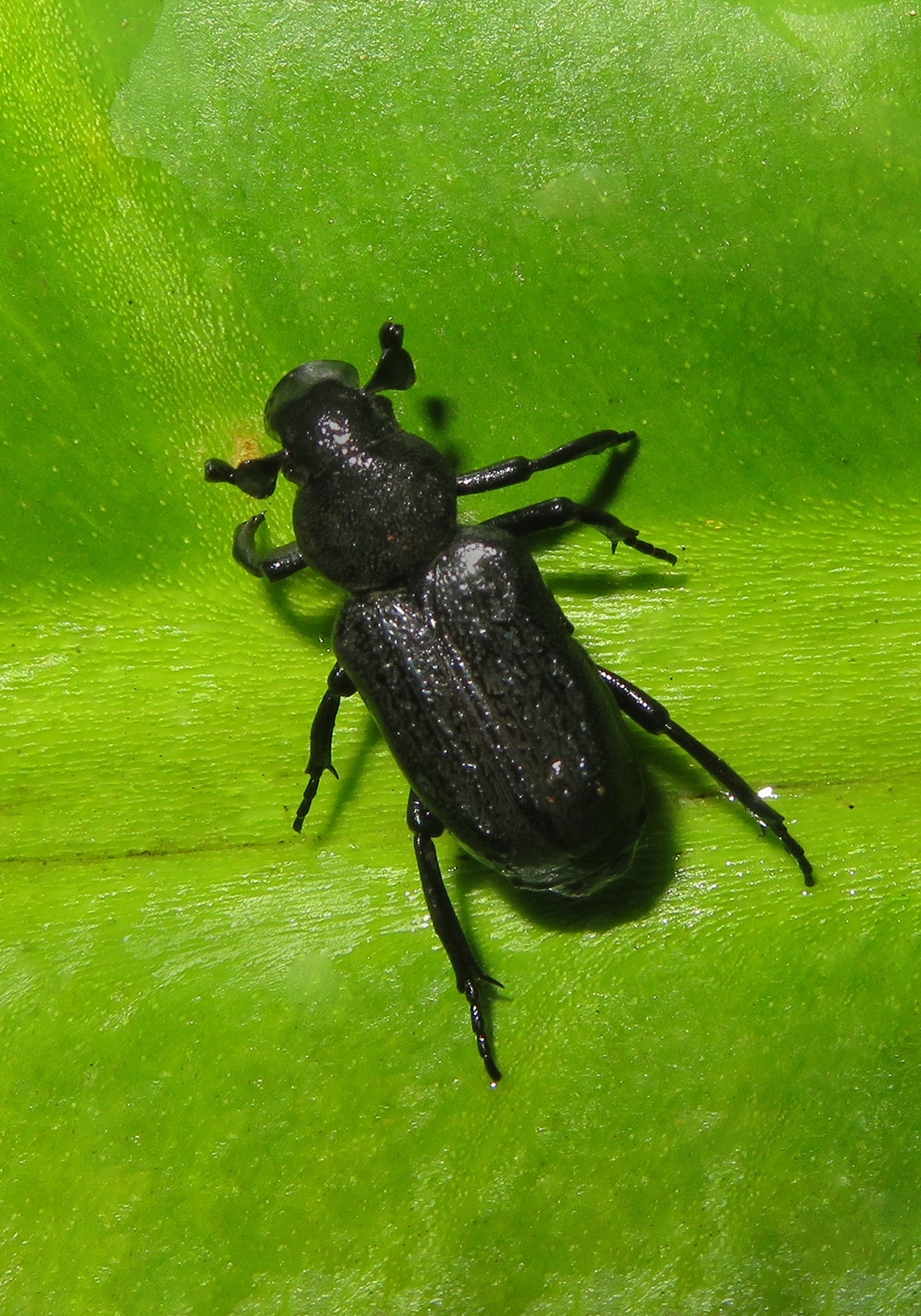
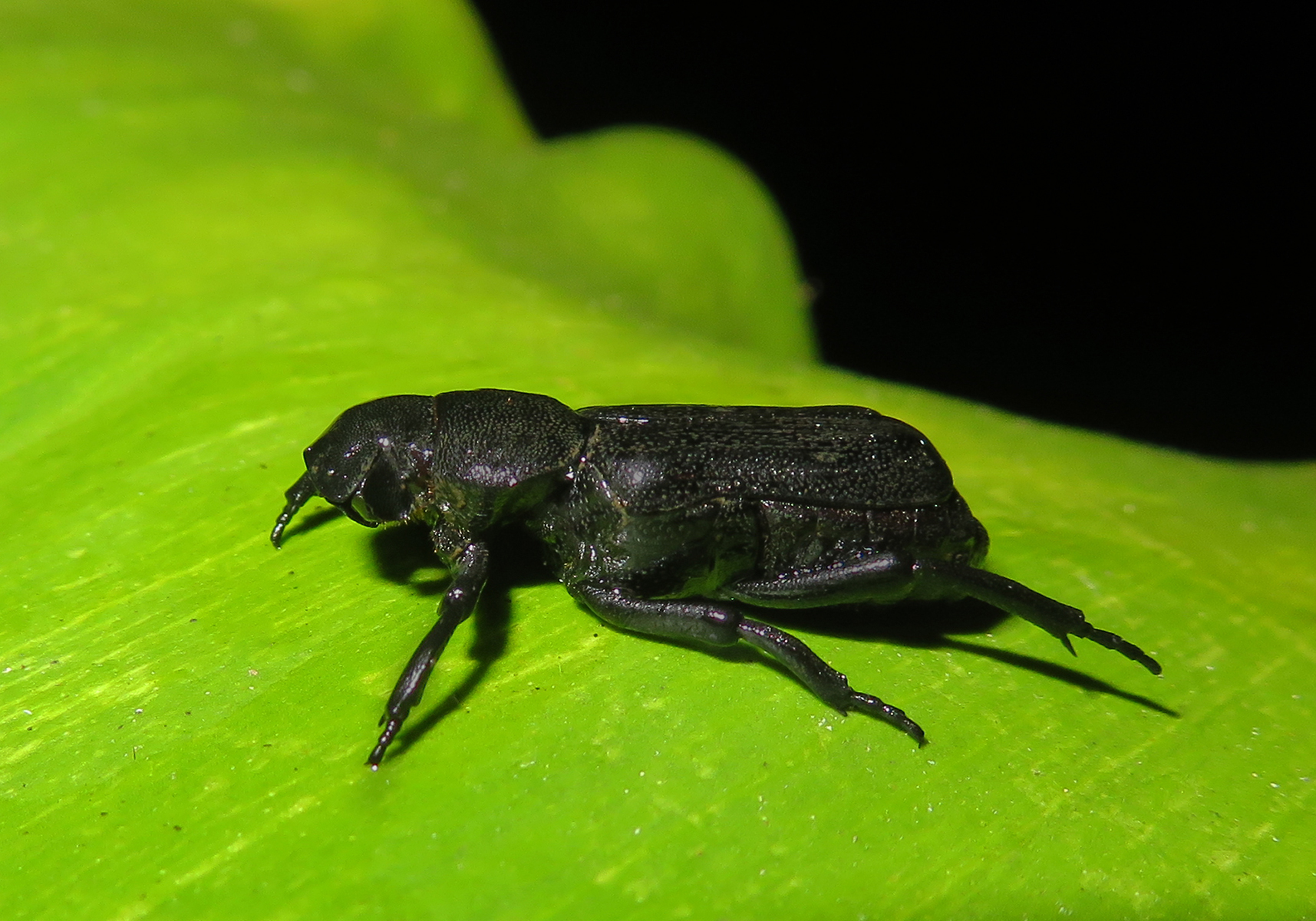
Scarabaeiformia is an infraorder within the suborder Polyphaga that comprises beetles commonly referred to as scarab beetles and their close relatives. This group is characterized by robust body forms and distinctive morphological features, most notably the lamellate antennae, in which the terminal antennal segments are expanded into movable plates that can be fanned open or closed. These antennae are highly sensitive to odors and play an important role in locating food, mates, and suitable habitats.
Members of Scarabaeiformia display considerable diversity in size, shape, and coloration, ranging from small, inconspicuous species to large and often brightly colored or metallic beetles. The larvae, commonly known as “scarab grubs,” are typically C-shaped, soft-bodied, and live in soil, decaying organic matter, dung, or wood, where they feed on roots, detritus, or decomposing material. Adult feeding habits vary widely and include herbivory, saprophagy, coprophagy (dung-feeding), and, in some groups, nectar or pollen feeding.
Scarabaeiform beetles undergo complete metamorphosis, with distinct egg, larval, pupal, and adult stages. Many species are closely associated with specific habitats or ecological processes, such as nutrient recycling and soil aeration. Their activities, particularly dung burial and decomposition by certain groups, contribute significantly to ecosystem health.
The infraorder includes several prominent families, most notably Scarabaeidae, as well as related lineages traditionally grouped with scarab beetles. Scarabaeiformia is ecologically and economically important, containing species that are beneficial as decomposers and pollinators, as well as others that can be agricultural pests during their larval or adult stages.