Bali Wildlife
Every Spices Matter


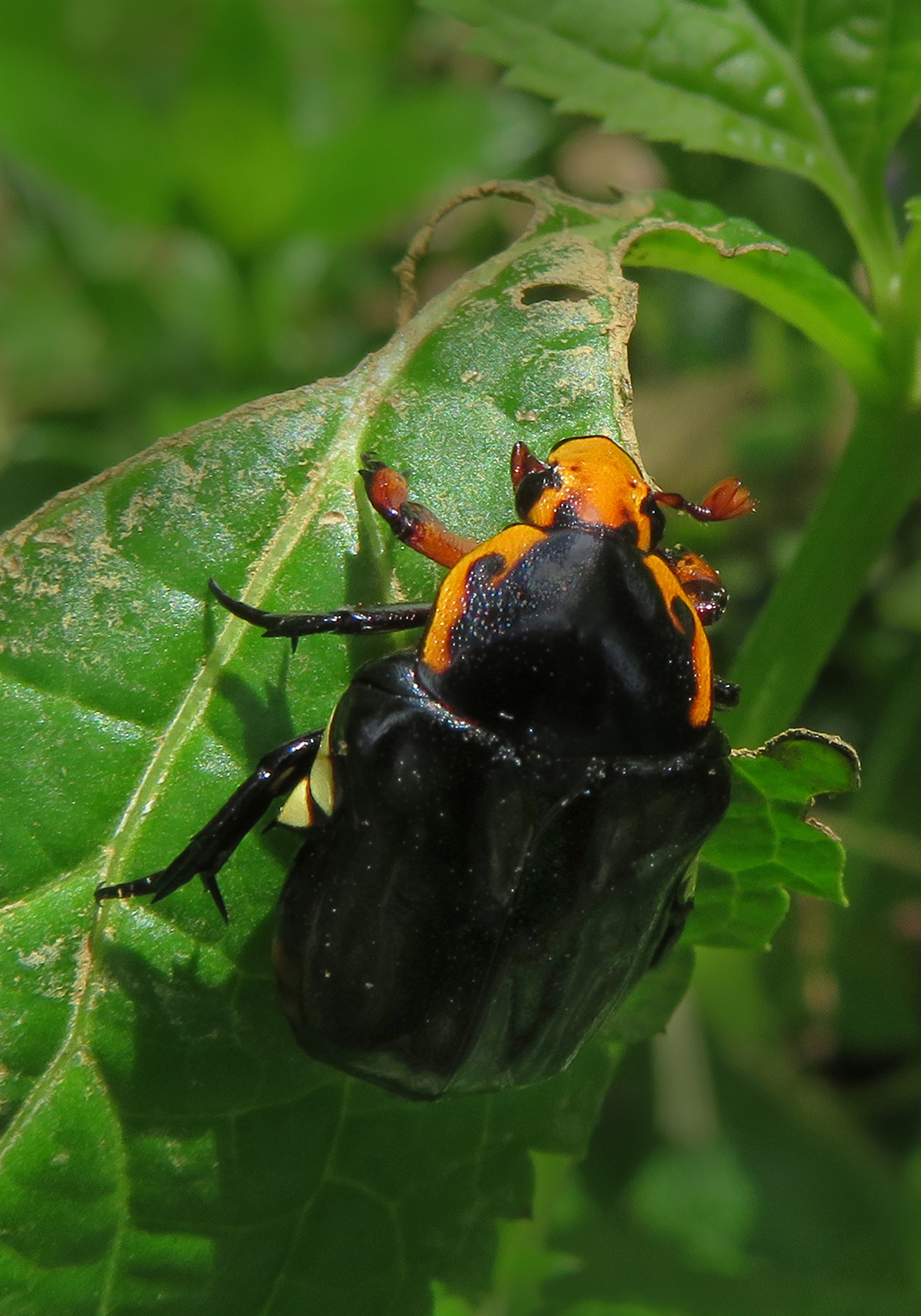
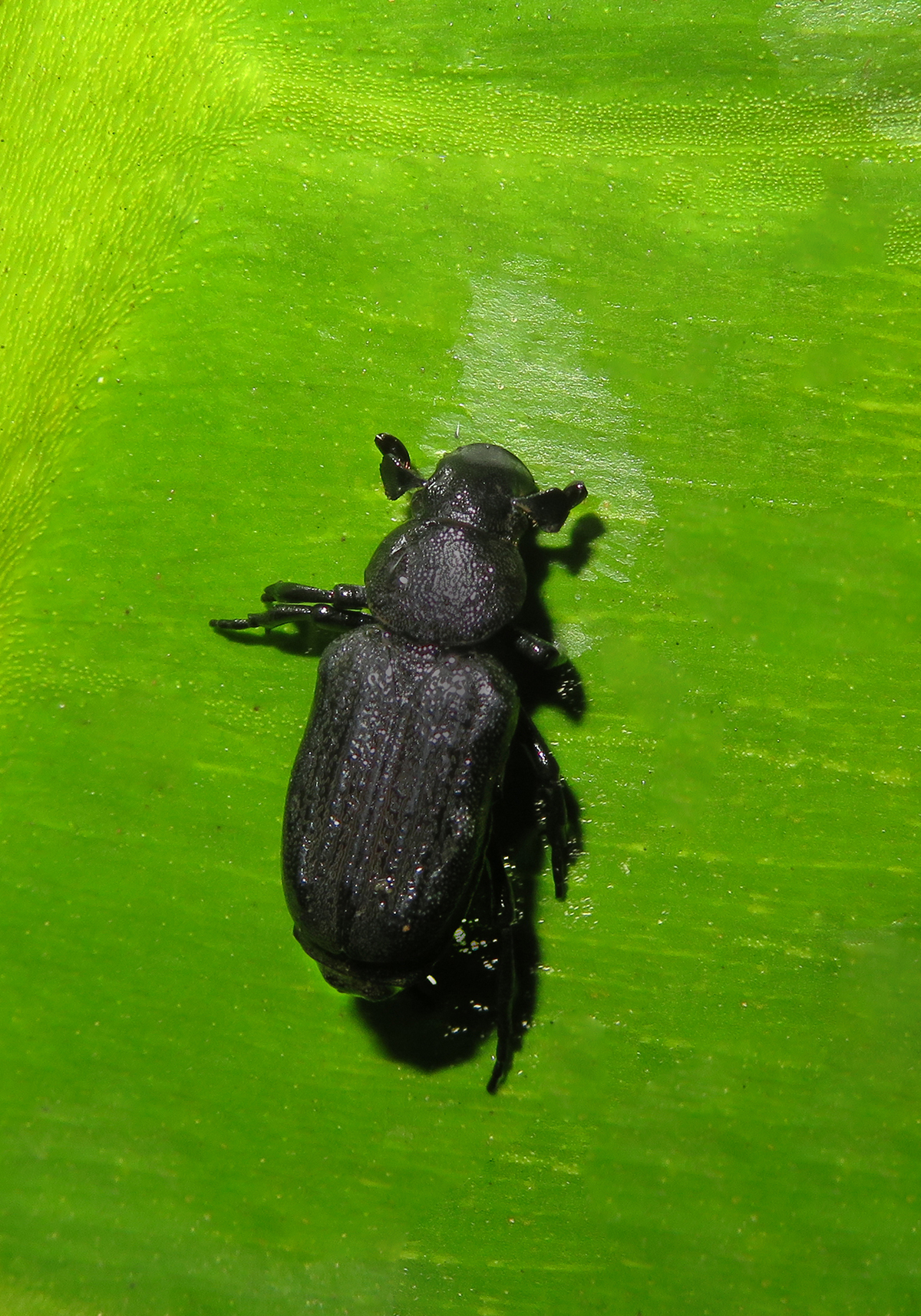
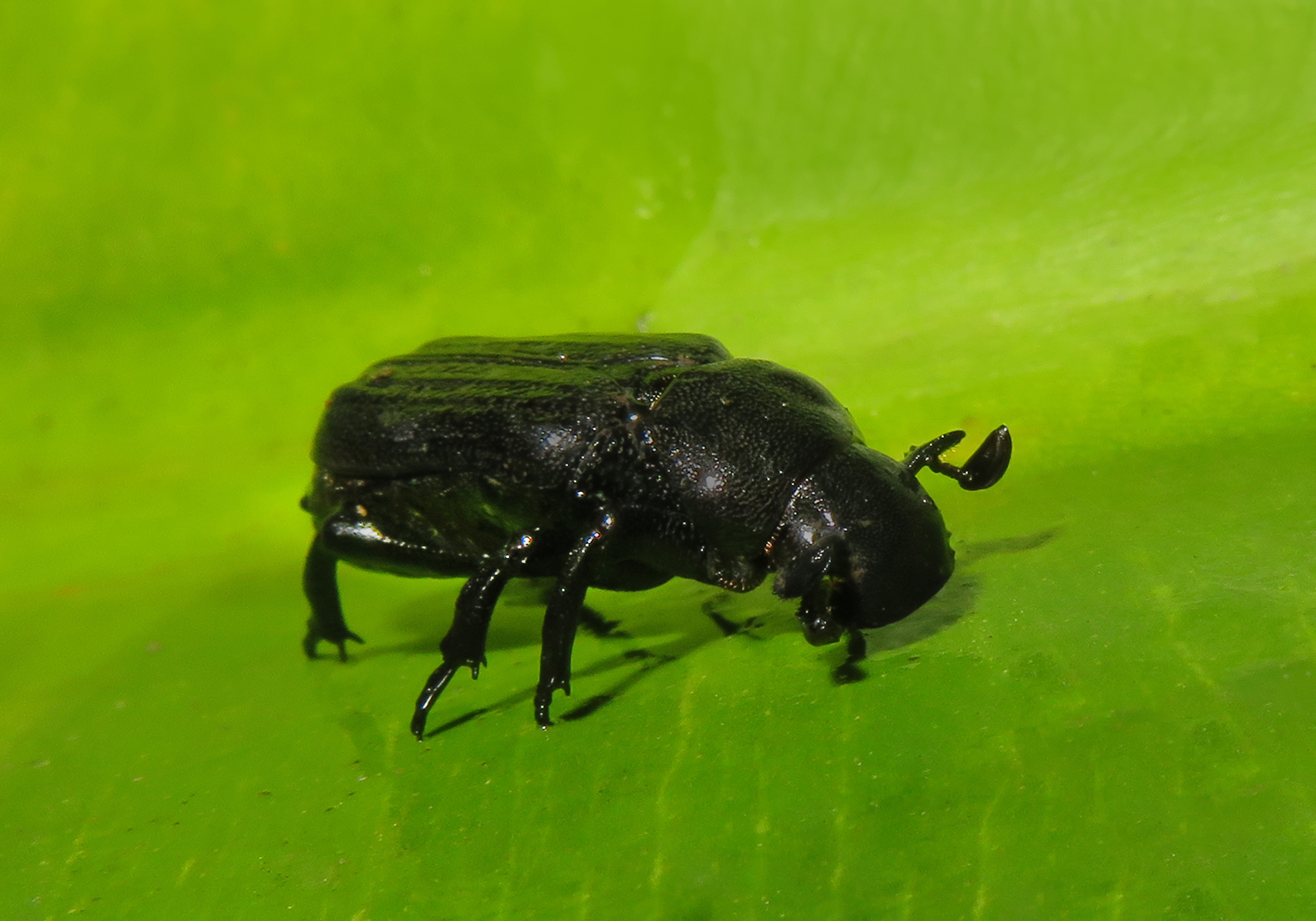
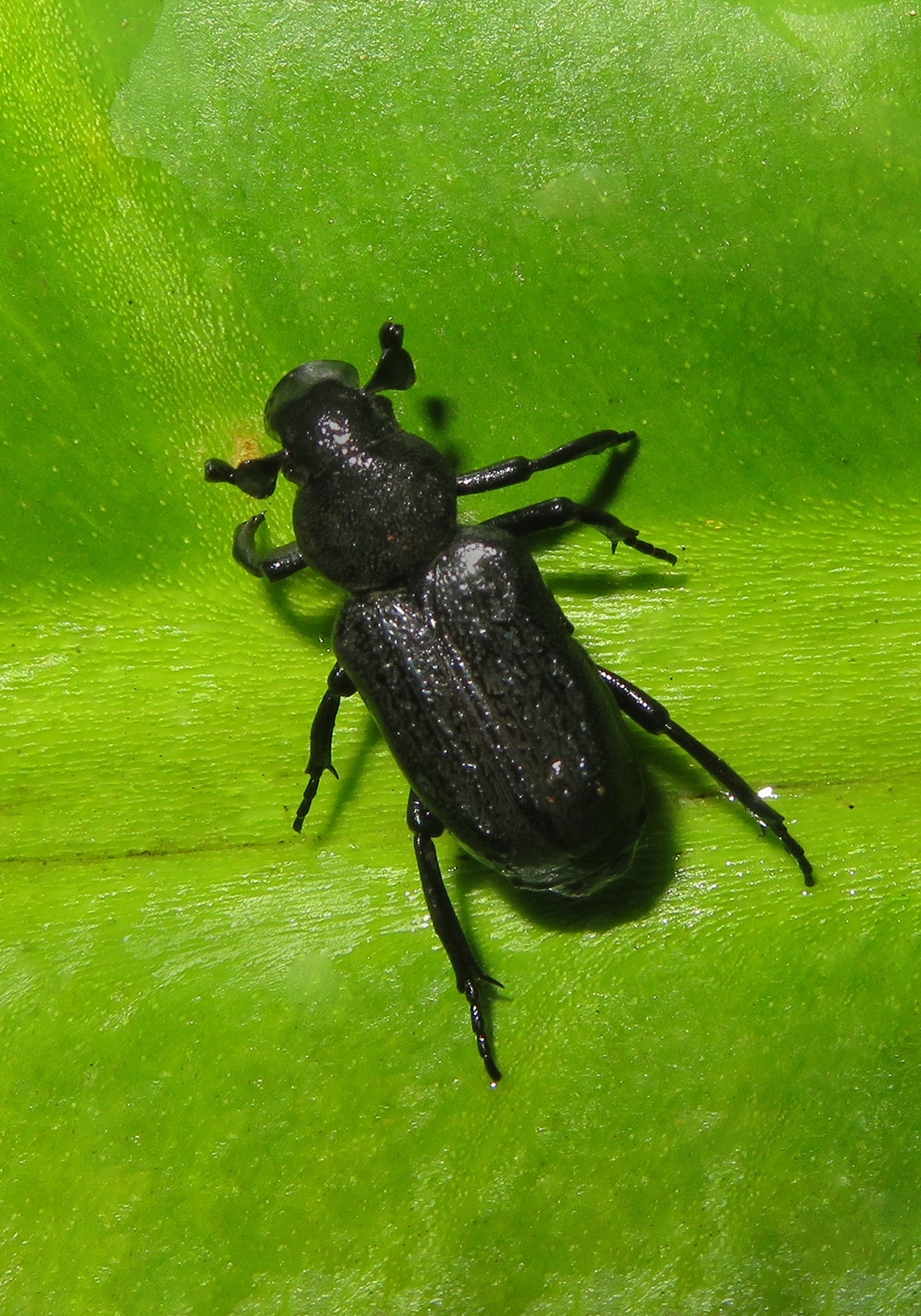
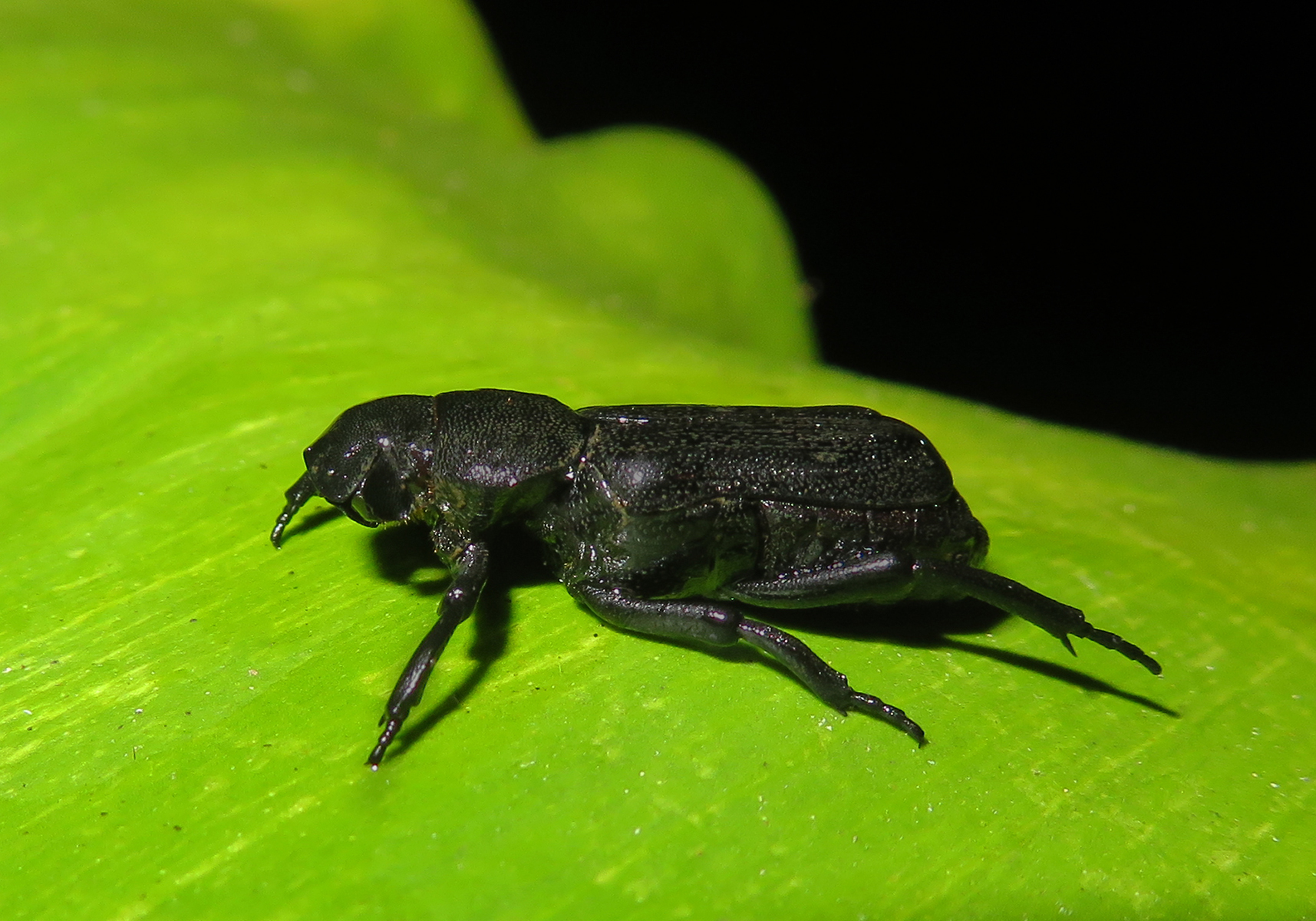
Scarabaeidae, commonly known as scarab beetles, is a large and diverse family within the superfamily Scarabaeoidea (Order Coleoptera). The family includes tens of thousands of described species and is distributed worldwide, with greatest diversity in tropical regions. Scarab beetles occupy a wide range of terrestrial habitats, from forests and grasslands to deserts, agricultural landscapes, and human-modified environments.
Adult Scarabaeidae are typically medium to large beetles with robust, oval, or elongate bodies. A defining characteristic of the family is the lamellate antennae, with the terminal segments expanded into movable plates that can be fanned open or closed and are highly sensitive to odors. The legs are usually strong, with fore tibiae often broadened and toothed, well adapted for digging, burrowing, or manipulating soil and organic matter.
Larvae of Scarabaeidae are commonly known as white grubs. They are C-shaped, soft-bodied, and usually live in soil, dung, decaying organic matter, or rotting wood. Larval feeding habits are diverse and include root feeding, saprophagy, coprophagy, and xylophagy. Developmental periods can vary from a few months to several years, depending on species and environmental conditions.
The family Scarabaeidae encompasses several major subfamilies with distinct ecologies, such as Scarabaeinae (dung beetles), Melolonthinae (chafers), Rutelinae (shining leaf chafers), Dynastinae (rhinoceros beetles), and Cetoniinae (flower chafers). These groups differ widely in size, behavior, and ecological roles.
Ecologically, Scarabaeidae plays a crucial role in ecosystem functioning. Dung beetles contribute to nutrient recycling, soil aeration, and parasite control; many species aid in the decomposition of organic matter; and flower-visiting scarabs can act as pollinators. Economically, some species are serious agricultural pests due to larval root feeding or adult foliage feeding, while others are beneficial and essential for maintaining soil health. The combination of morphological diversity, ecological importance, and global distribution makes Scarabaeidae one of the most significant beetle families.