Bali Wildlife
Every Spices Matter


Saturniini is a tribe within the subfamily Saturniinae (Family Saturniidae, Superfamily Bombycoidea, Order Lepidoptera), comprising some of the largest and most impressive giant silk moths in the world. Members of this tribe are distributed across Africa, Asia, Europe, and Australasia, where they inhabit forests, woodlands, plantations, and other habitats rich in suitable host plants.
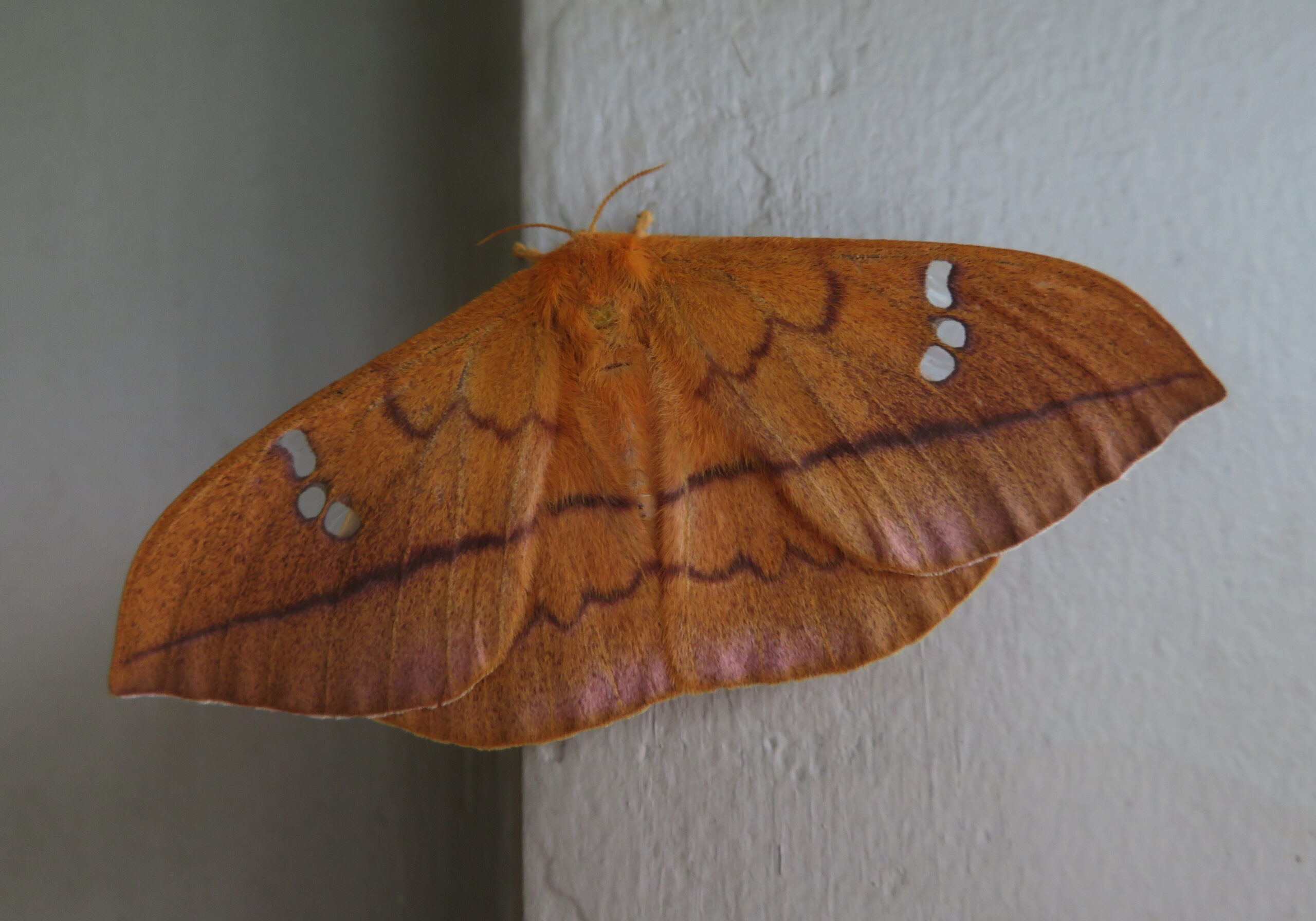
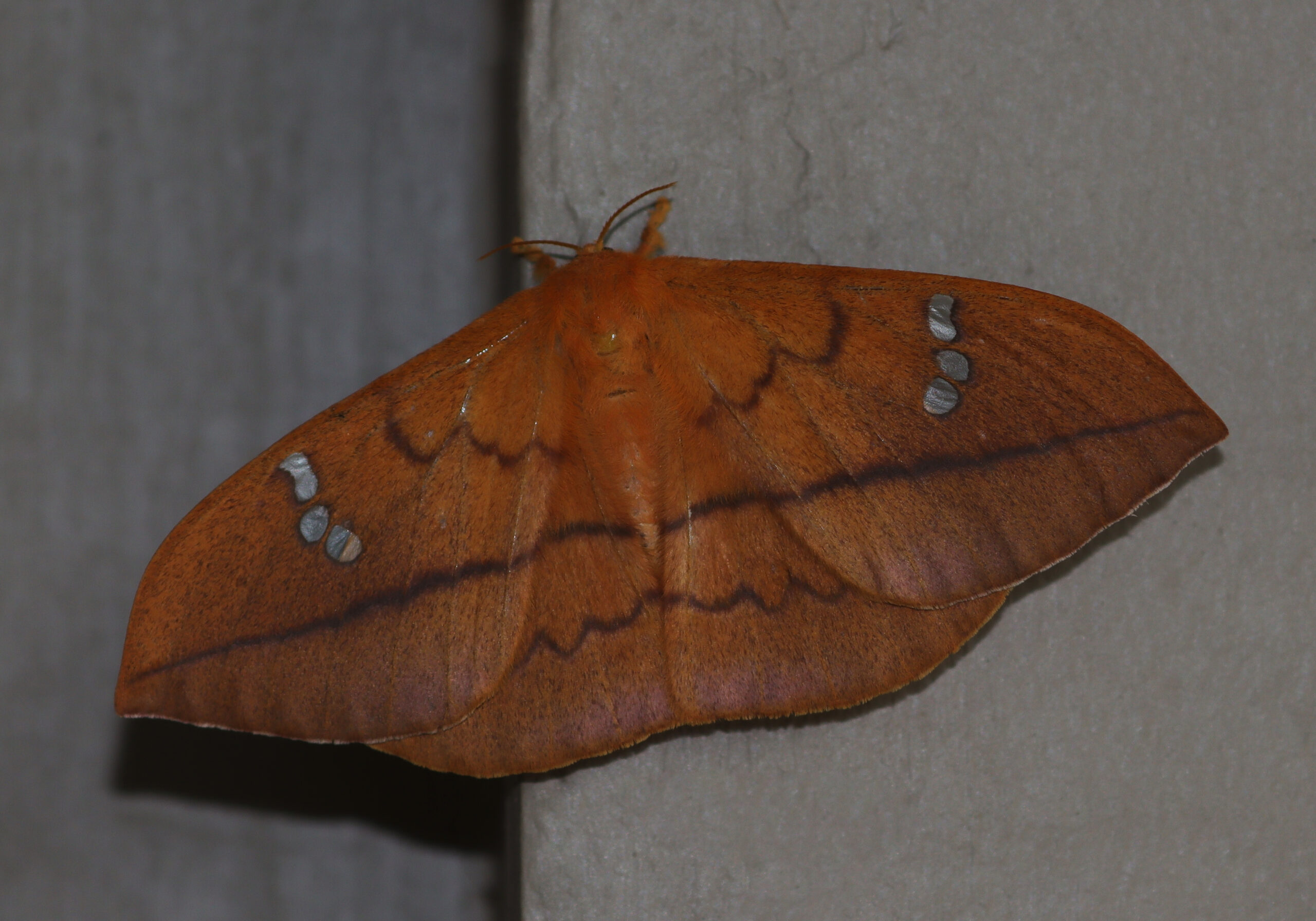
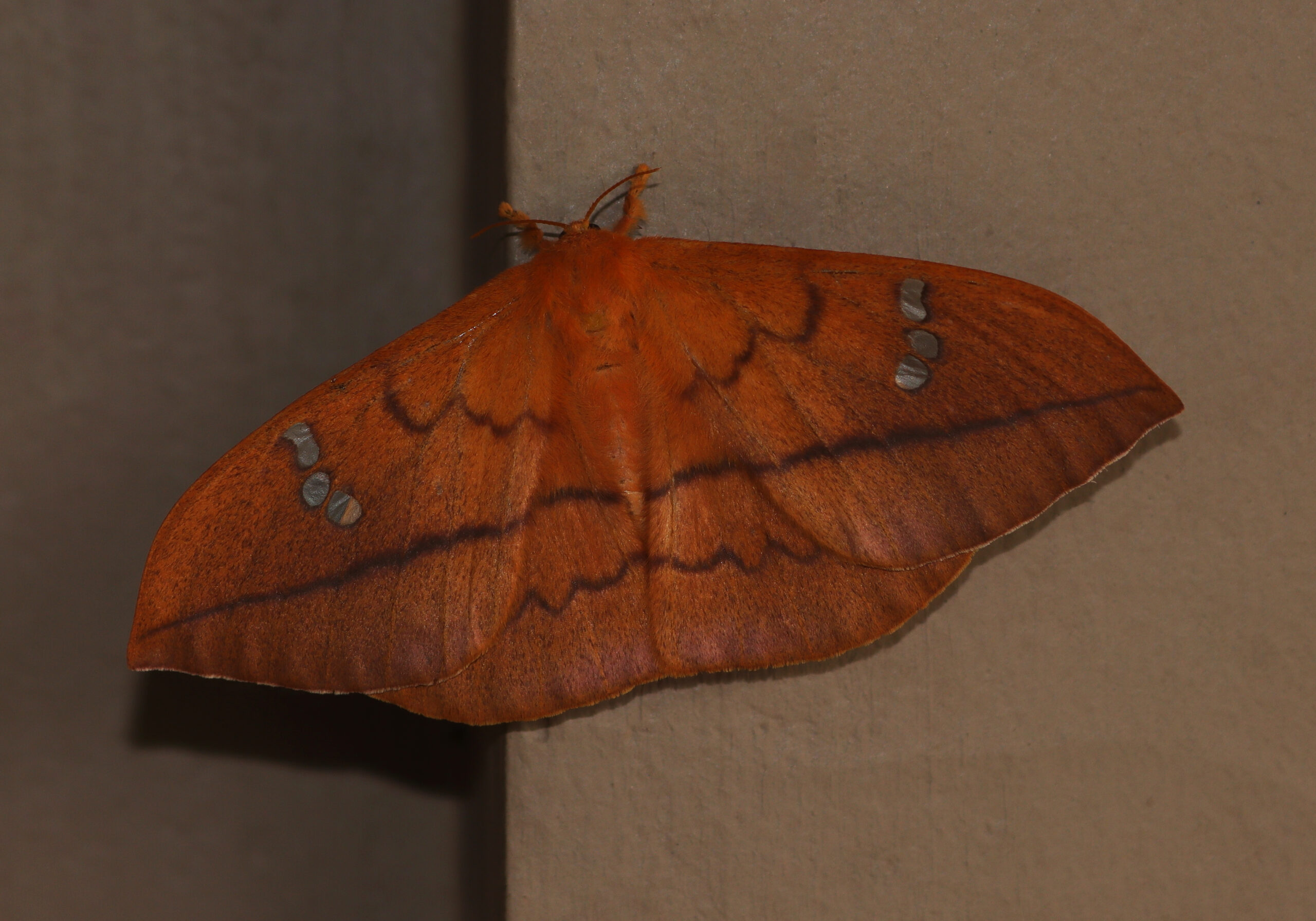
Moths of the tribe Saturniini are generally medium to very large in size and are characterized by broad wings, robust bodies, and striking wing patterns. Many species possess large eyespots, transparent windows, scalloped wing margins, or bold bands that function in camouflage and predator deterrence. Their coloration ranges from earthy browns and grays to vibrant shades of yellow, orange, pink, and green.
Adult moths typically have highly developed, feathery antennae, especially in males, which are used to detect pheromones released by females over long distances. Like most saturniids, adults possess reduced or non-functional mouthparts and do not feed, relying on energy reserves accumulated during the larval stage.
The life cycle involves complete metamorphosis with four stages: egg, larva (caterpillar), pupa, and adult. Caterpillars are often large, colorful, and ornamented with spines, tubercles, or waxy structures. They feed on a wide range of trees and shrubs and play an important role as herbivores within forest ecosystems.
Prior to pupation, larvae spin silk cocoons in which they undergo transformation. Several species within the tribe are important producers of wild silk and have economic significance in sericulture.
The tribe includes well-known genera such as Attacus, Antheraea, Samia, and Saturnia, many of which contain some of the largest moth species by wingspan.
Ecologically, Saturniini moths are important components of terrestrial food webs. Their caterpillars influence vegetation through herbivory and serve as prey for birds, mammals, reptiles, and parasitoids. Adults, despite their short lifespan, contribute to biodiversity and are among the most recognizable and admired insects due to their impressive size and beauty.