Bali Wildlife
Every Spices Matter


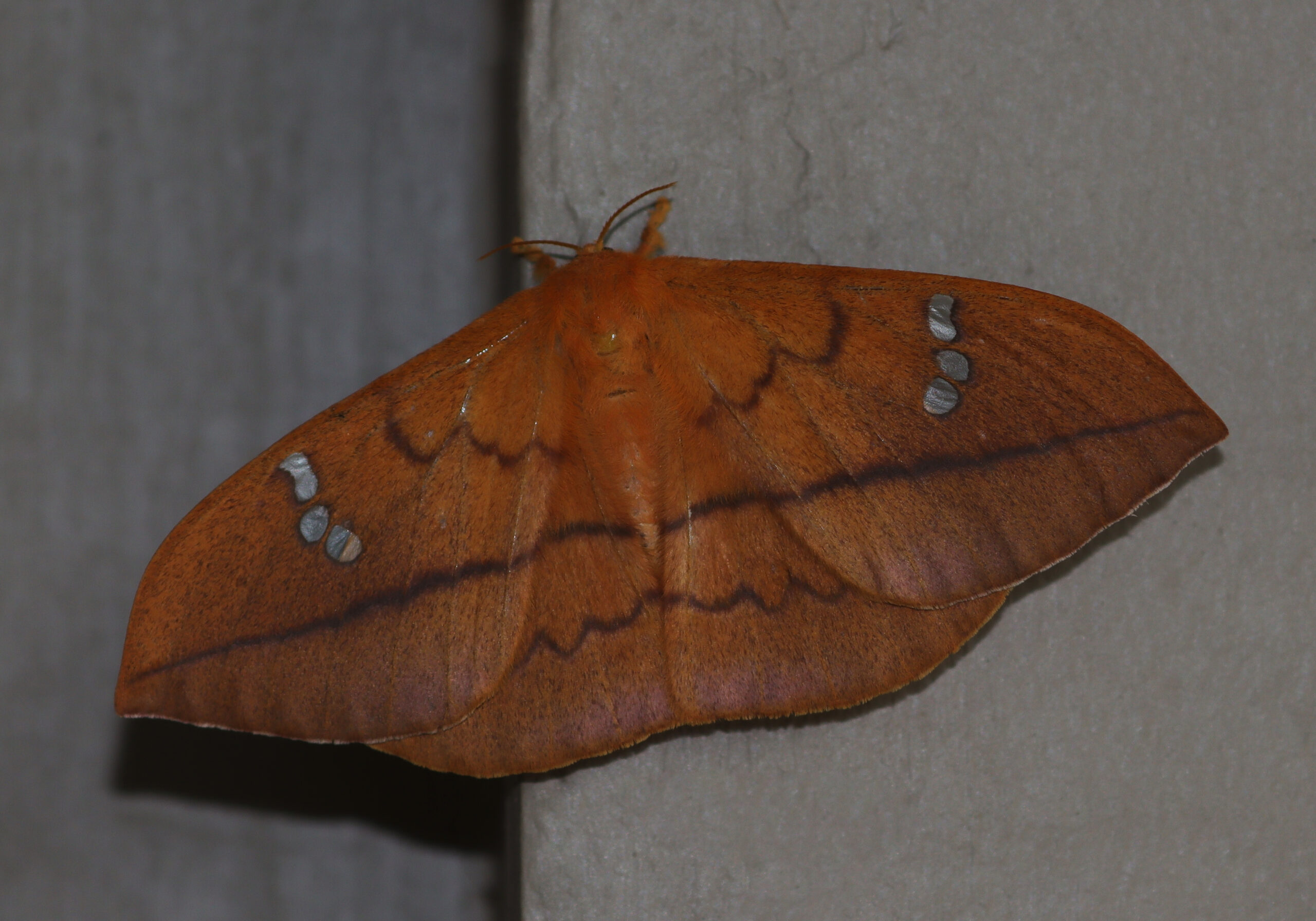
Saturniinae is the largest and most diverse subfamily within the family Saturniidae (Superfamily Bombycoidea, Order Lepidoptera), comprising many of the world’s most spectacular giant silk moths. Members of this subfamily are distributed throughout Africa, Asia, Europe, and Australasia, with the greatest diversity occurring in tropical and subtropical forests. They inhabit a wide range of environments, including rainforests, woodlands, montane forests, agricultural areas, and gardens.
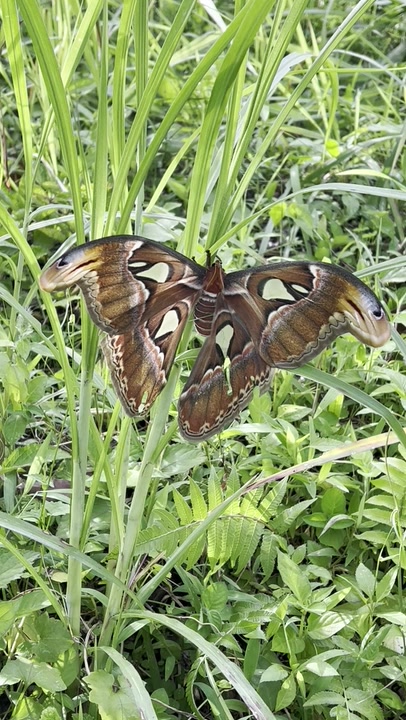
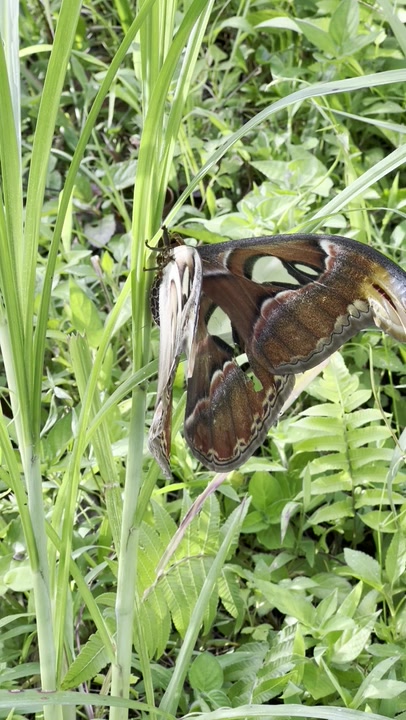
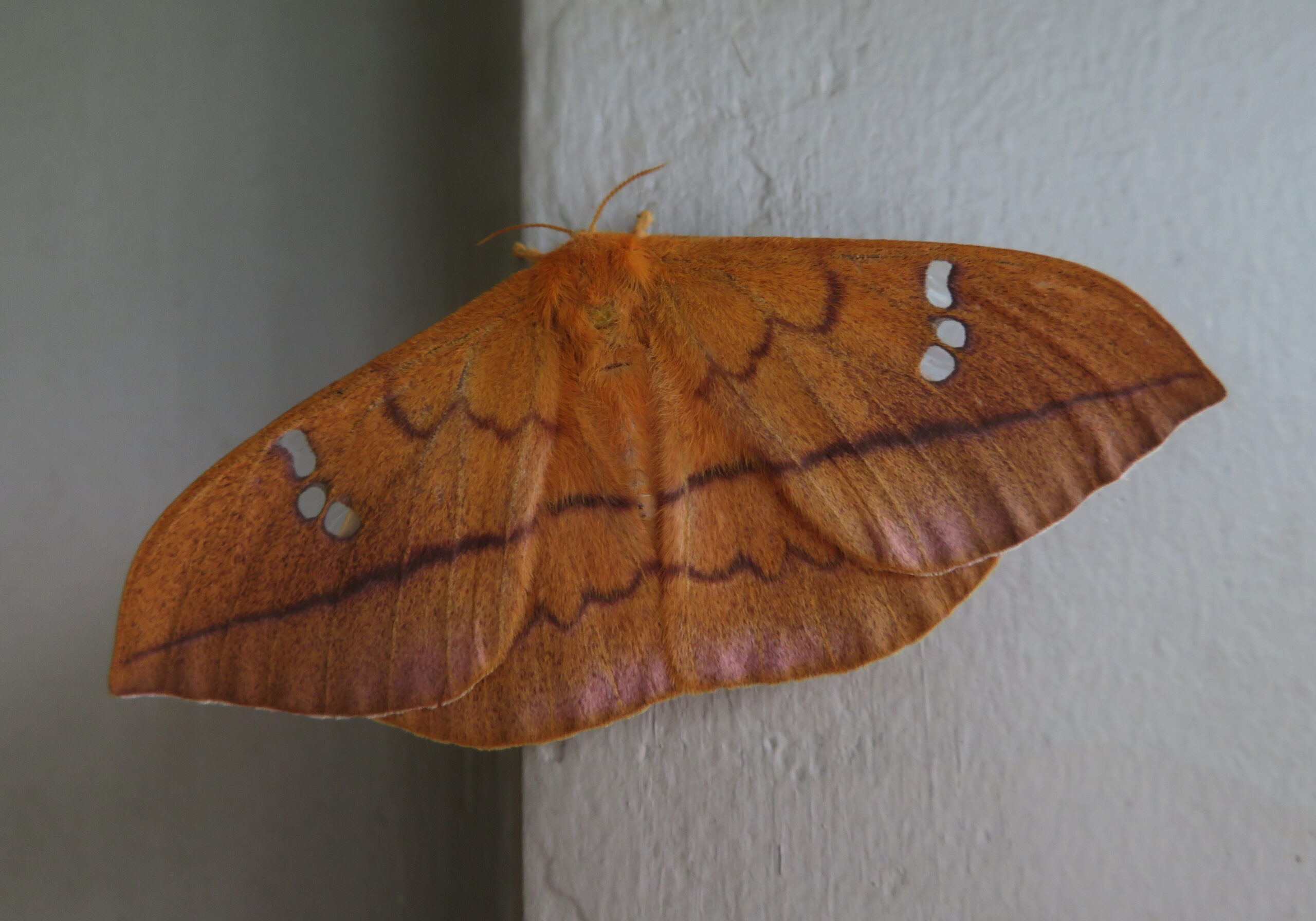
Moths of the subfamily Saturniinae are generally medium to very large in size and are characterized by broad wings, stout bodies, and often spectacular wing patterns. Many species possess prominent eyespots, transparent wing windows, bold bands, or intricate markings that function in camouflage, mimicry, and predator deterrence. Coloration varies widely, ranging from earthy browns and grays to vivid shades of yellow, orange, green, and pink.
Adults typically have feathery antennae, particularly in males, which are highly sensitive to female pheromones. In most species, the mouthparts are reduced or absent, and adults do not feed. Consequently, their adult lifespan is relatively short and is devoted primarily to reproduction.
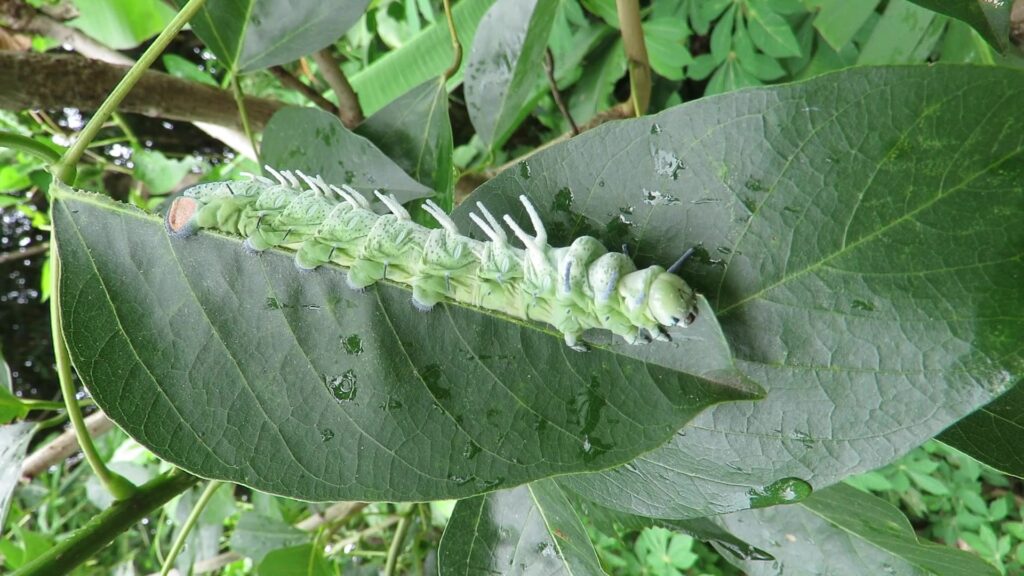
The life cycle involves complete metamorphosis with egg, larva, pupa, and adult stages. Caterpillars are usually large, colorful, and often ornamented with spines, tubercles, or waxy projections. They feed on the leaves of a variety of trees and shrubs and may consume large quantities of foliage during development.
Before pupation, larvae typically spin a silk cocoon, within which transformation to the adult stage occurs. Several species in the subfamily produce commercially valuable wild silk and have economic importance in some regions.
The subfamily includes notable genera such as Attacus (atlas moths), Antheraea (tussar silk moths), Samia, Saturnia, and related forms, representing some of the largest moths known.
Ecologically, Saturniinae caterpillars are important herbivores and a significant food source for birds, reptiles, mammals, and parasitoid insects. Adults contribute to ecosystem food webs and play a role in maintaining biodiversity. Their remarkable size, beauty, and economic significance make Saturniinae one of the most iconic groups of moths in the world.