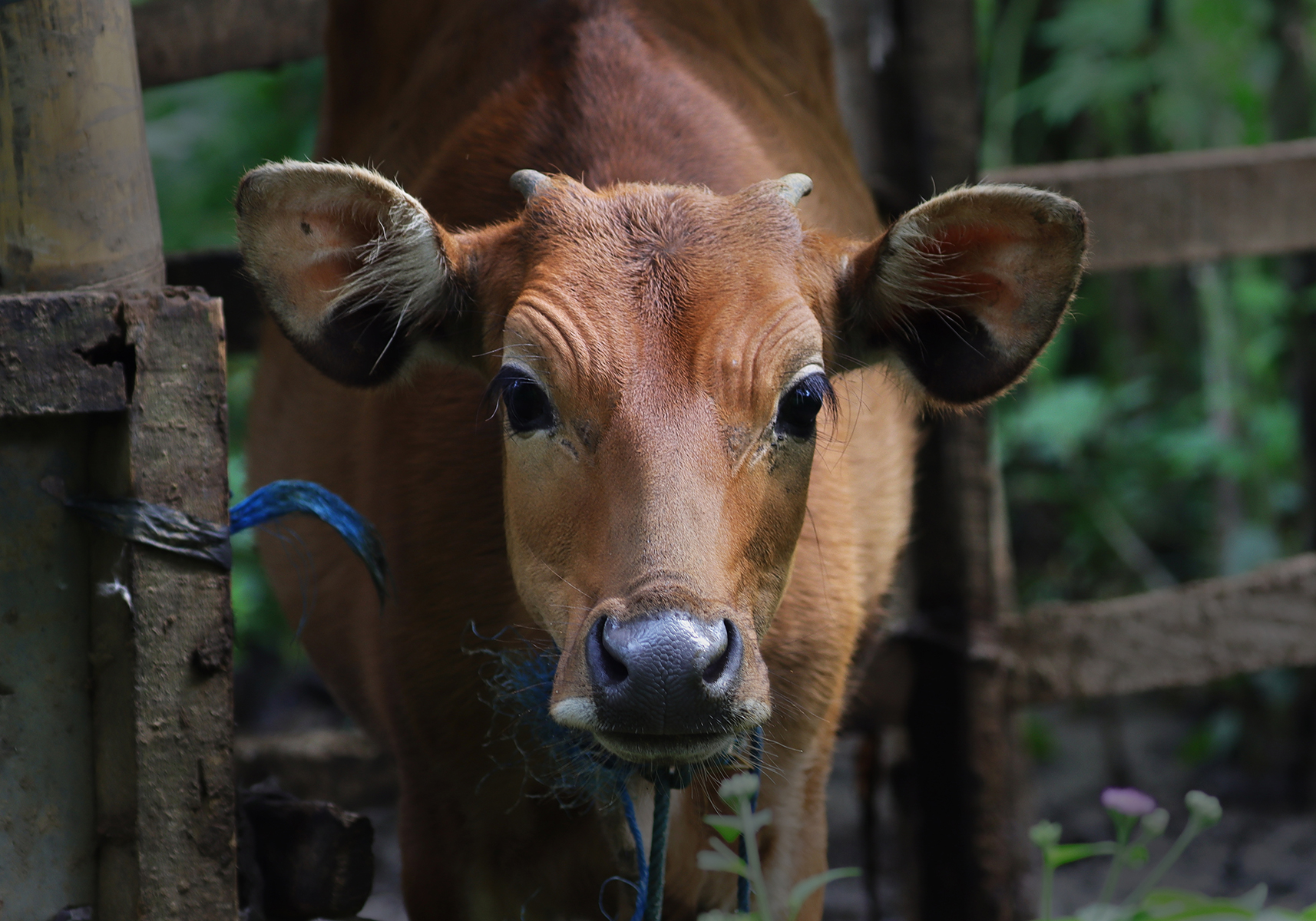
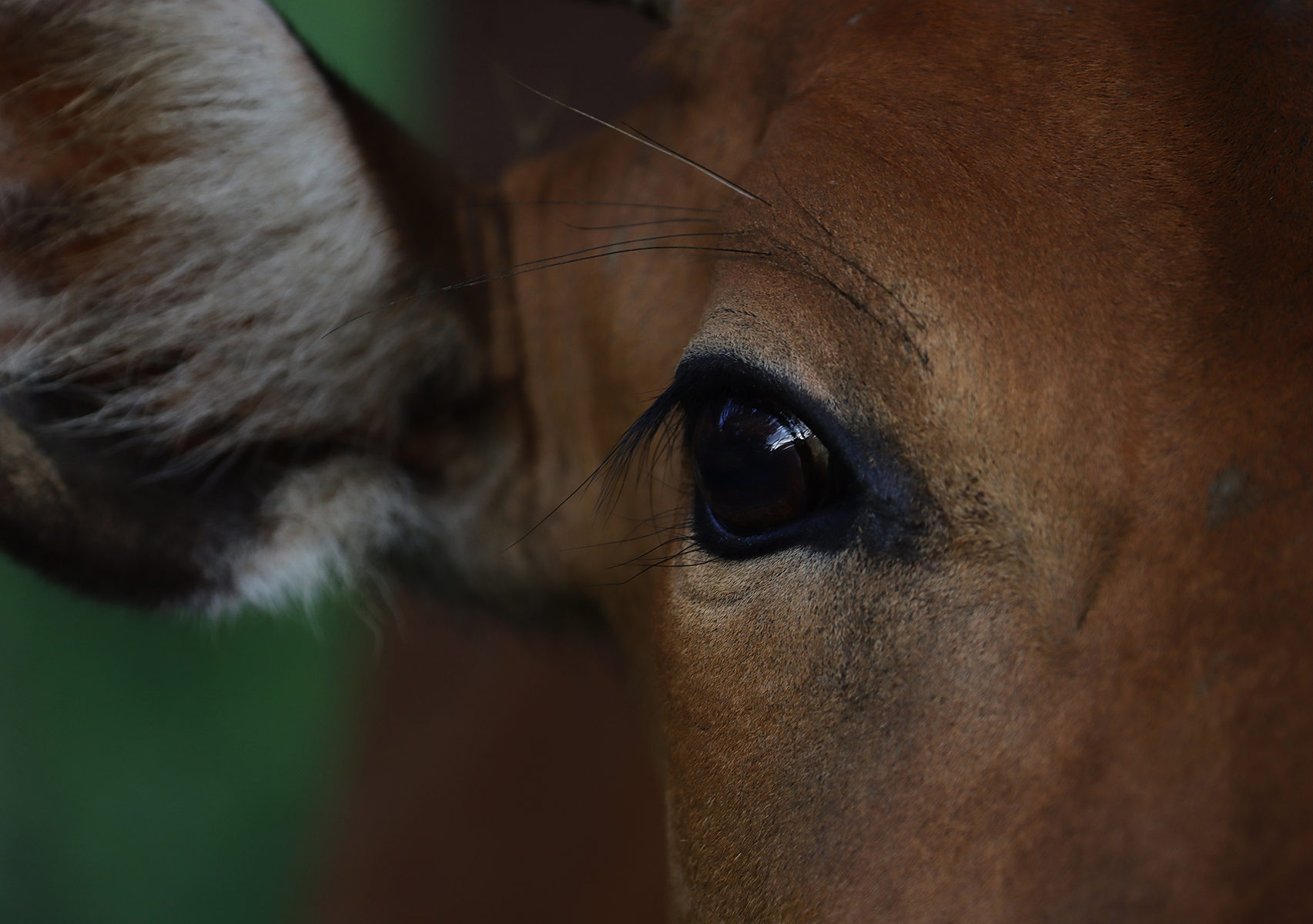
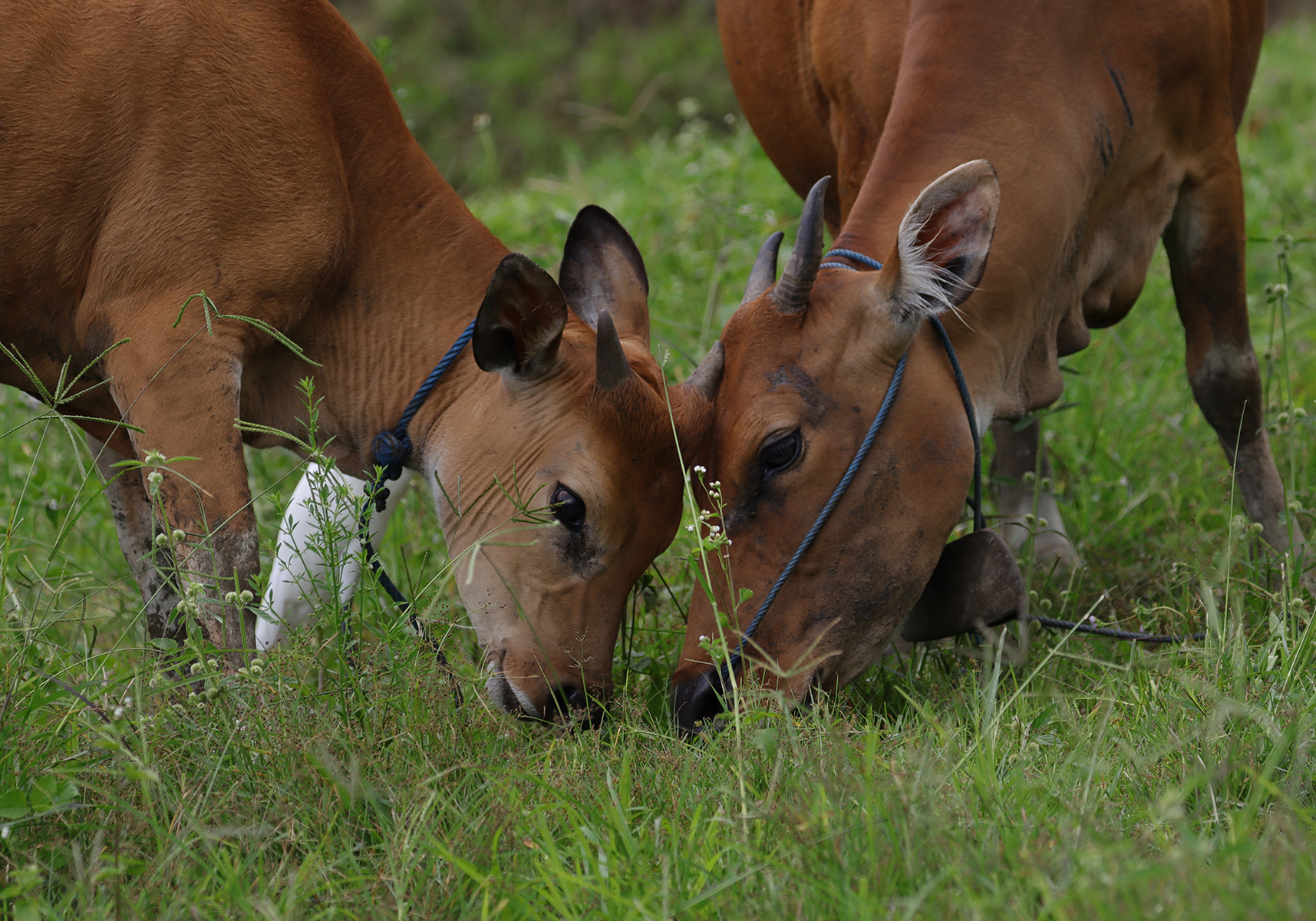
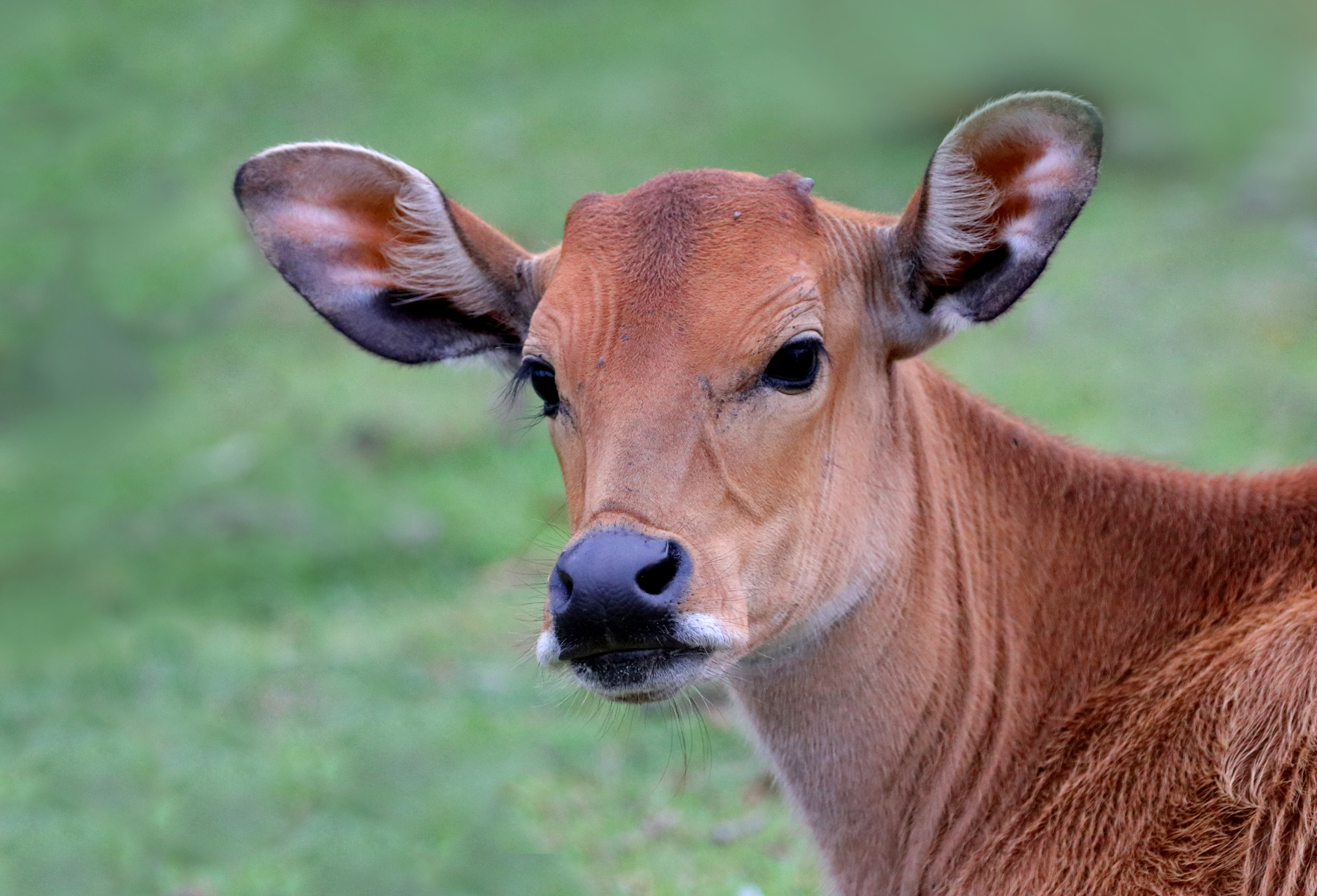
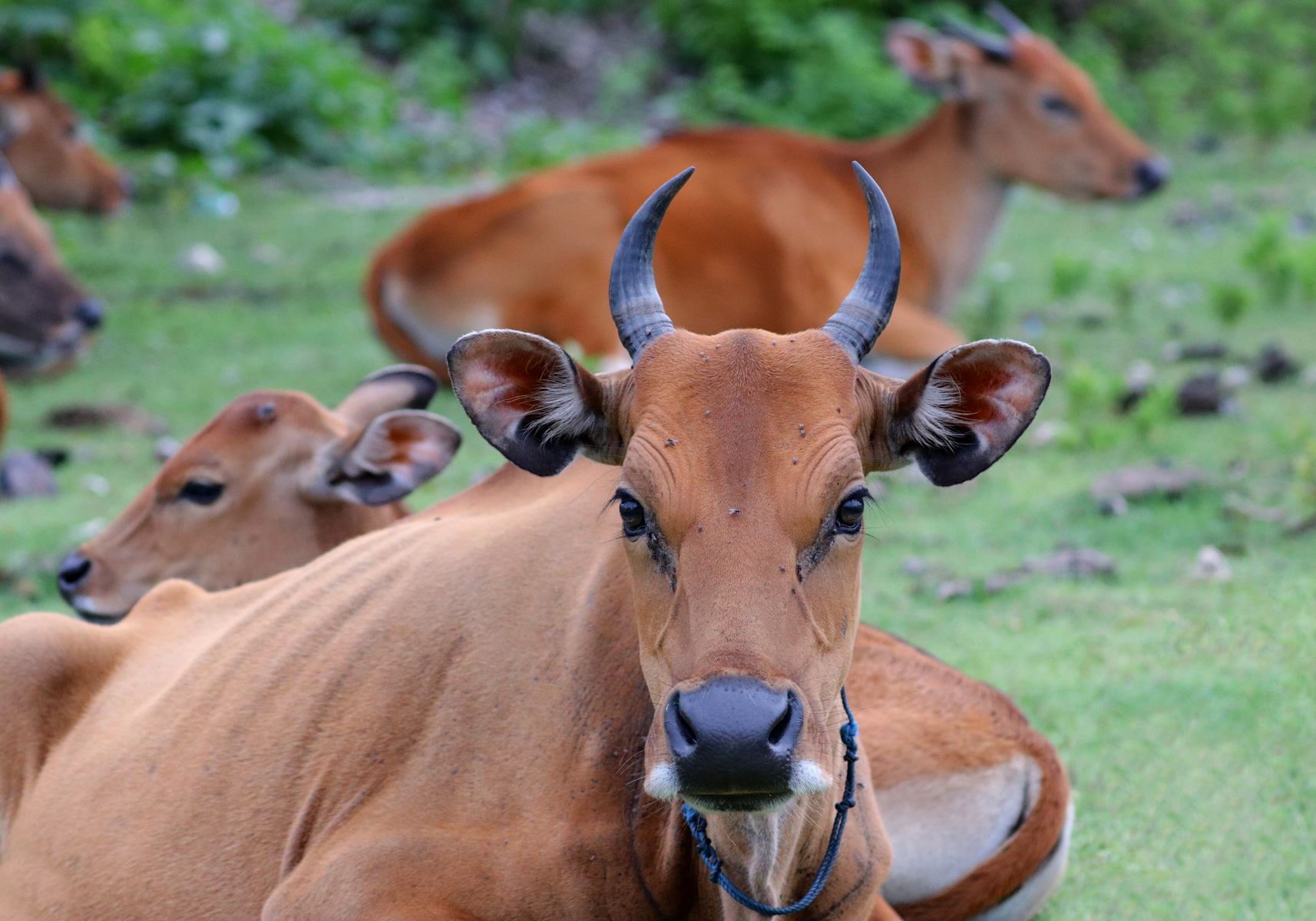
Bali Wildlife
Every Spices Matter


Ruminantia is a suborder within the order Artiodactyla comprising the ruminants, a group of even-toed ungulates characterized by a specialized digestive system adapted for fermenting plant material. Members of this group include deer, cattle, sheep, goats, antelopes, giraffes, and their relatives.
The defining feature of ruminants is their multi-chambered stomach, typically consisting of four compartments: rumen, reticulum, omasum, and abomasum. This complex system allows microbial fermentation of cellulose-rich plant matter before true digestion occurs. Ruminants regurgitate partially digested food (cud) and chew it again in a process known as rumination, which increases digestive efficiency.
Most Ruminantia species are herbivorous and possess cloven hooves. Many species also have cranial appendages such as horns or antlers. They are primarily adapted to grazing or browsing and occupy diverse terrestrial habitats ranging from grasslands and savannas to forests and mountainous regions.
Major families within Ruminantia include:
Ruminants play essential ecological roles as primary consumers and are also of great economic importance to humans as sources of meat, milk, hides, and fiber.