Bali Wildlife
Every Spices Matter


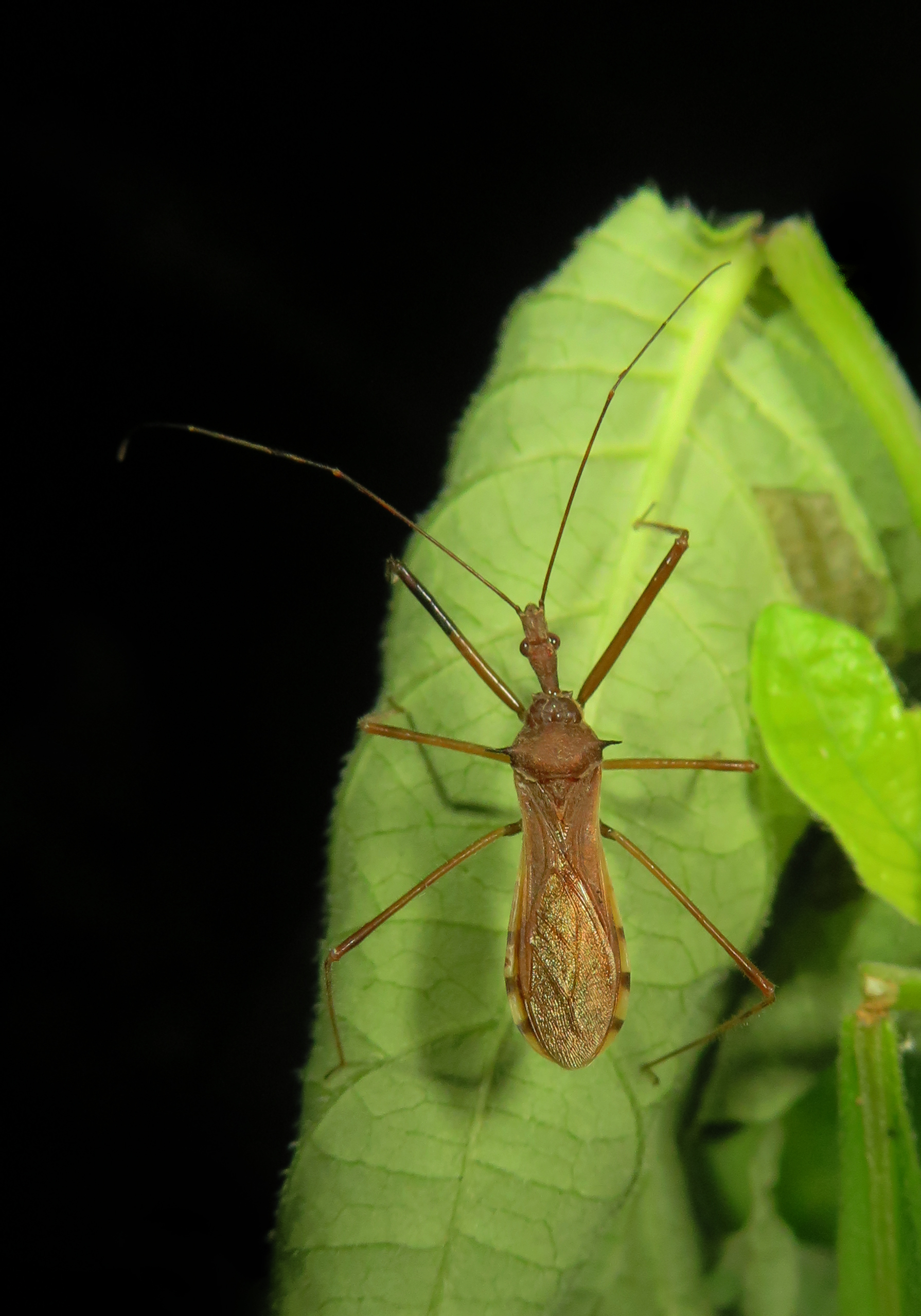
Reduvioidea is a superfamily within the infraorder Cimicomorpha, comprising true bugs that are predominantly predatory in habit. Members of this superfamily are best known for their role as active hunters of other arthropods, though some lineages have evolved specialized feeding strategies, including blood-feeding on vertebrates.
Reduvioid bugs typically possess an elongate head with a narrow neck and a robust, three-segmented rostrum that is strongly adapted for piercing and injecting saliva into prey. The saliva often contains enzymes or toxins that immobilize or pre-digest the victim’s tissues. The forelegs may be modified for grasping prey, and the body form ranges from slender and agile to stout and heavily sclerotized, depending on lifestyle.
Development is hemimetabolous, with egg, nymph, and adult stages. Nymphs resemble adults in general appearance but lack fully developed wings. Many species exhibit cryptic coloration or morphological adaptations that enhance camouflage, while others display aposematic colors or defensive behaviors.
Ecologically, Reduvioidea are important predators in terrestrial ecosystems, contributing to the regulation of insect populations. Some species are beneficial as natural enemies of agricultural pests. However, the superfamily also includes medically important taxa, such as the kissing bugs (Triatominae within Reduviidae), which can transmit pathogens to humans. Major families within Reduvioidea include Reduviidae and closely related groups, reflecting a wide range of morphological and ecological diversity.