Bali Wildlife
Every Spices Matter


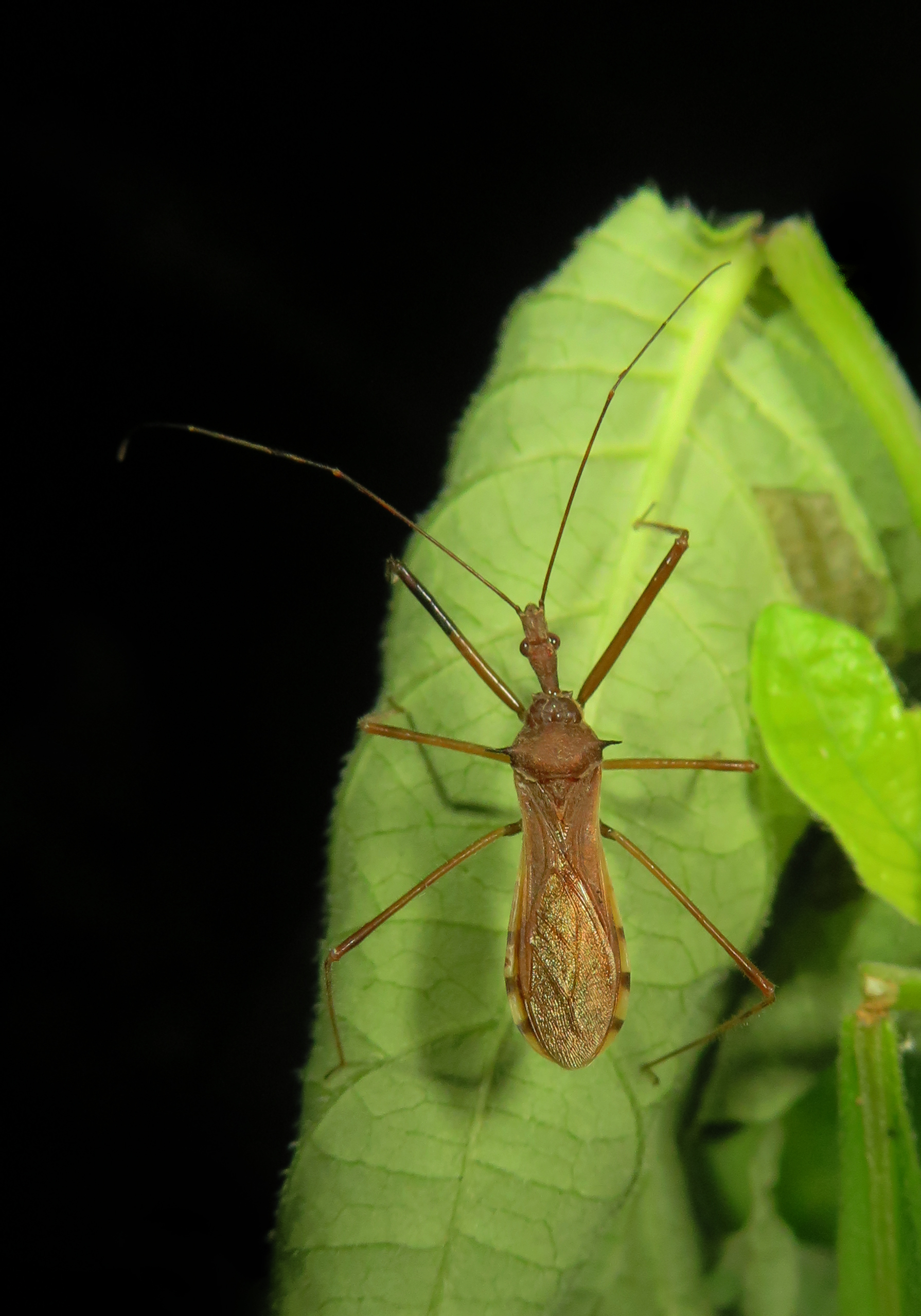
Reduviidae, commonly known as assassin bugs, is a large and diverse family within the superfamily Reduvioidea. Members of this family are primarily predatory and are renowned for their effective hunting strategies and powerful piercing–sucking mouthparts. Assassin bugs are widely distributed across the world and occupy a broad range of terrestrial habitats, from forests and grasslands to agricultural areas and human dwellings.
Reduviids are typically characterized by an elongate head with a distinct, narrow “neck” and a short, robust, three-segmented rostrum that is strongly curved and held beneath the head when not in use. This rostrum is used to inject saliva containing digestive enzymes and, in some species, toxic compounds that quickly immobilize or kill prey. The body form varies greatly among species, ranging from slender and agile to stout and heavily armored. Many species exhibit cryptic coloration, while others are brightly colored and aposematic.
Development in Reduviidae is hemimetabolous, with egg, nymph, and adult stages. Nymphs resemble adults in general shape but lack fully developed wings and reproductive organs. Both nymphs and adults are active predators, feeding on a wide variety of insects and other arthropods. Some species show remarkable behavioral adaptations, such as debris-carrying for camouflage or ambush hunting.
Ecologically, Reduviidae play an important role in controlling insect populations and are often considered beneficial in natural and agricultural ecosystems. However, the family also includes the subfamily Triatominae, whose members, known as kissing bugs, are blood-feeding and of medical importance as vectors of Chagas disease. Overall, Reduviidae represent a highly diverse and ecologically significant group of true bugs.