Bali Wildlife
Every Spices Matter


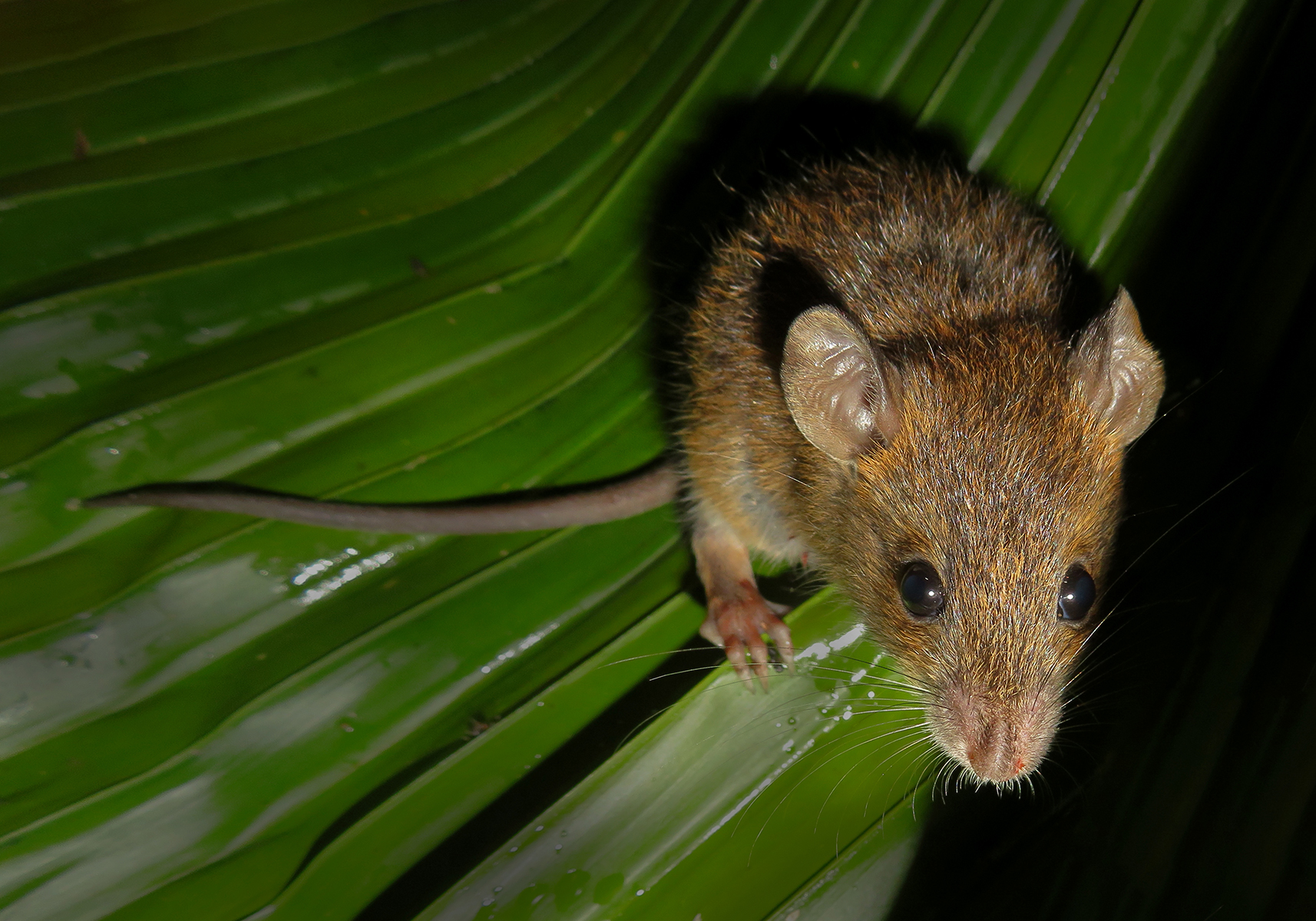
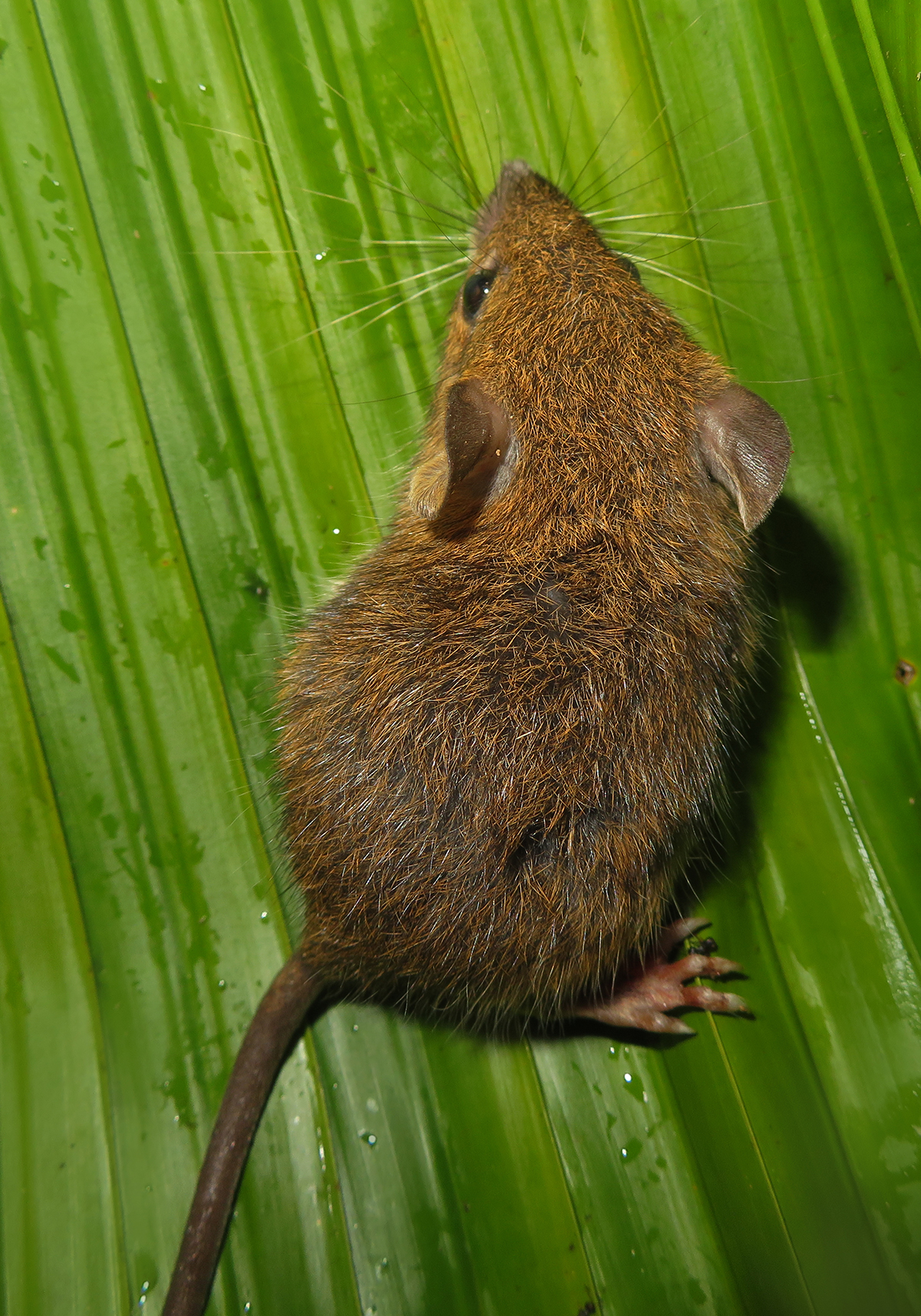
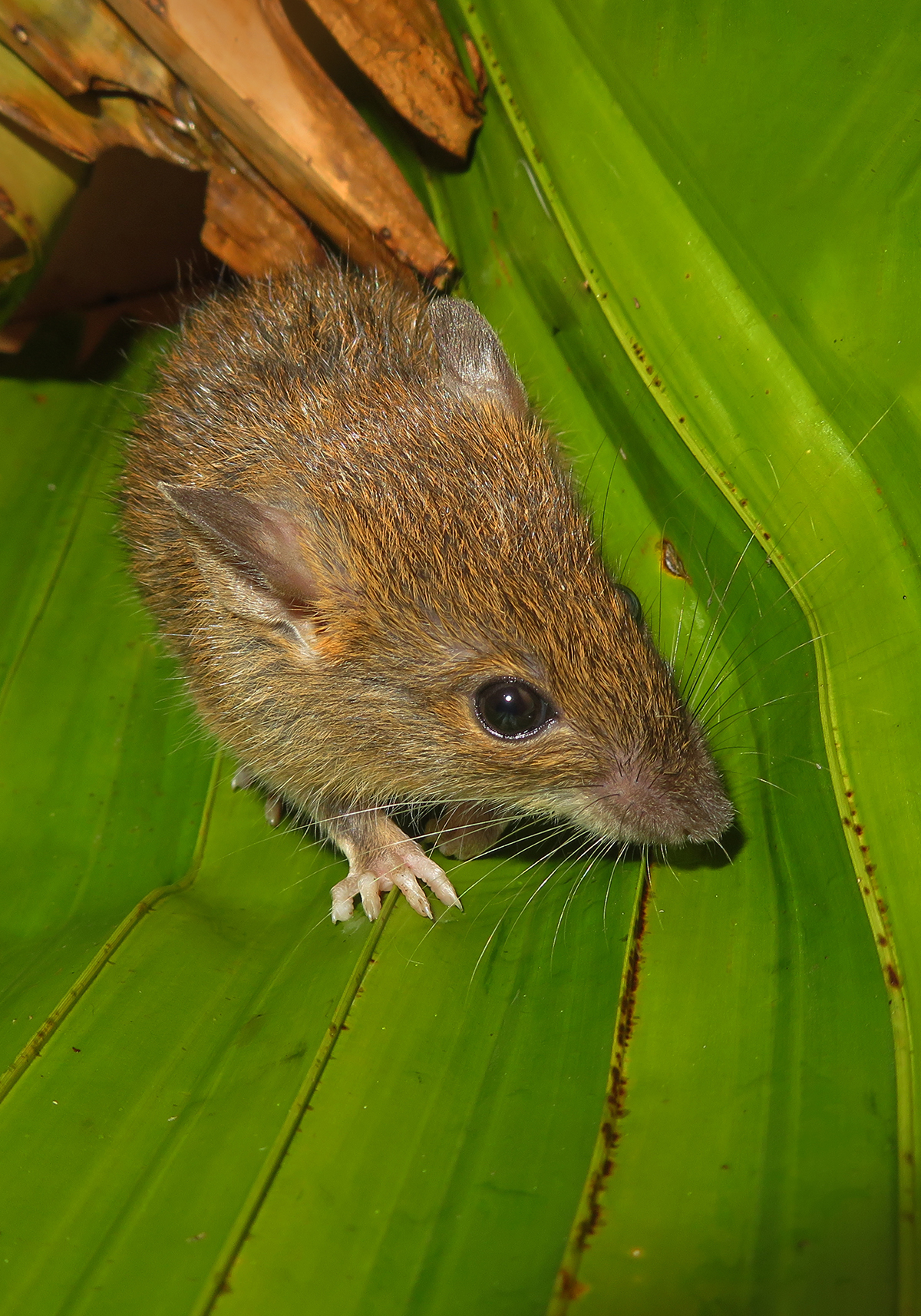
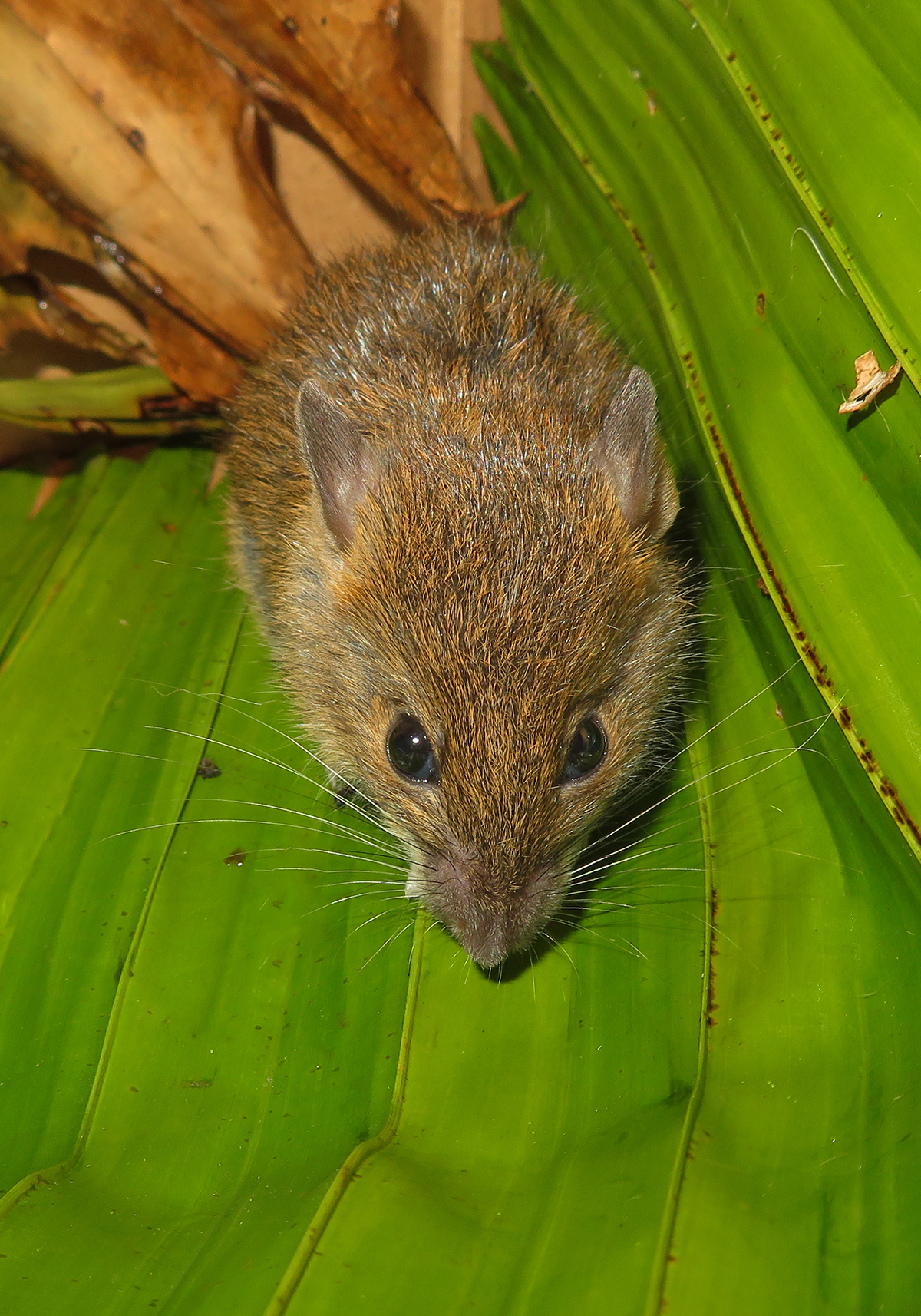
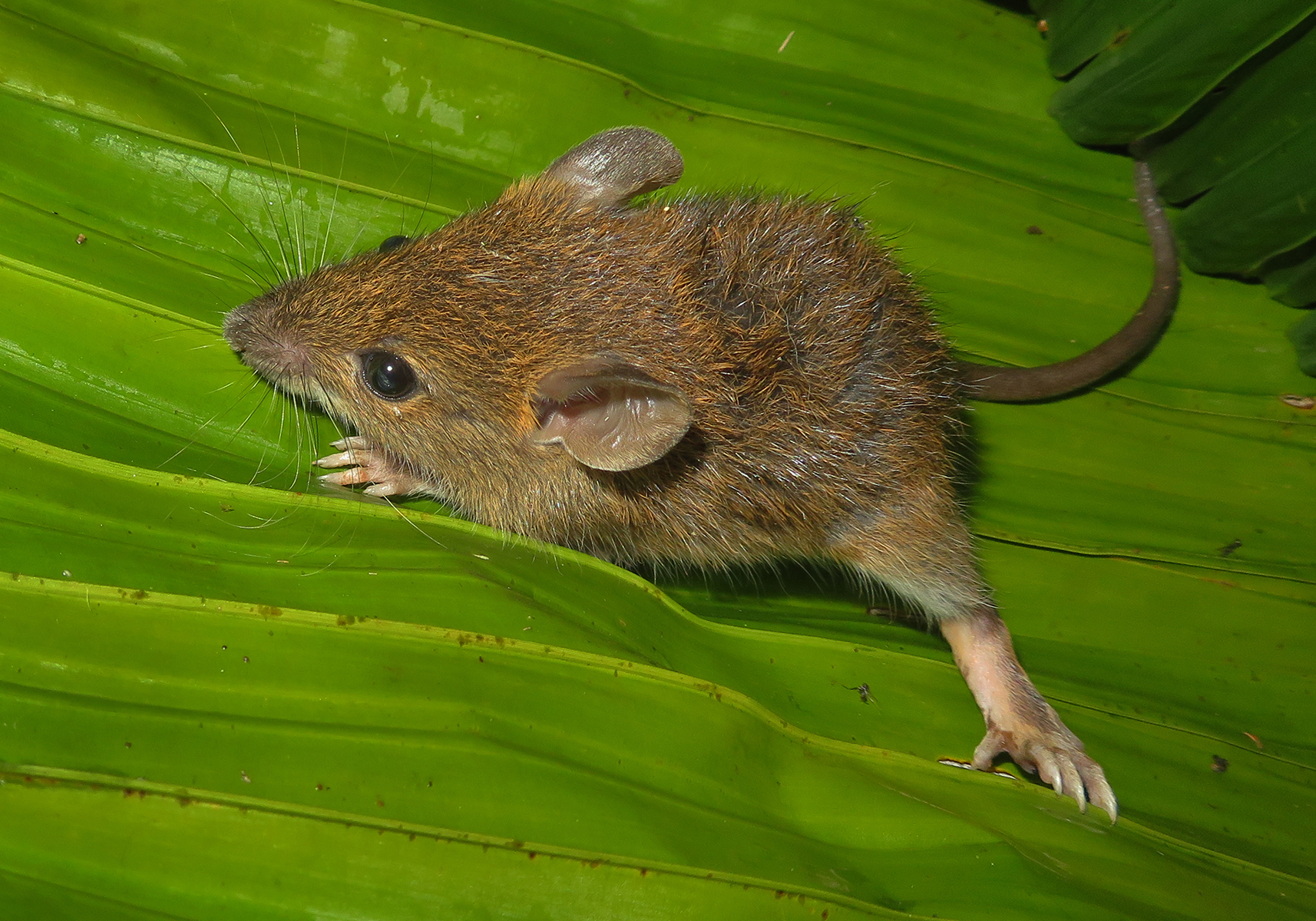
Rattini is a tribe of rodents within the subfamily Murinae, family Muridae, and superfamily Muroidea. This group includes many of the true rats and closely related genera, representing an important lineage of Old World rodents.
Members of the tribe Rattini are primarily distributed throughout Asia, Southeast Asia, and Australasia, although some species have spread globally due to human activities. They inhabit a wide range of habitats including tropical forests, grasslands, agricultural areas, and urban environments. Several species are highly adaptable and commonly found living near human settlements.
Morphologically, rats in this tribe are generally medium-sized rodents with relatively robust bodies, pointed snouts, large incisors, and long tails that may be equal to or longer than the body length. Their fur coloration varies widely among species but often includes shades of brown, gray, or black that provide camouflage in natural habitats.
Ecologically, Rattini species occupy diverse niches. Many are omnivorous, feeding on seeds, fruits, grains, insects, and other small food sources. They may be terrestrial, arboreal, or semi-fossorial depending on the species. Their adaptability, intelligence, and high reproductive rates contribute to their ecological success.
The tribe includes several notable genera, most prominently Rattus, which contains some of the most widely distributed rat species in the world. Other genera within Rattini include forest-dwelling and island species that play important ecological roles as seed predators, seed dispersers, and prey for larger animals.
Because of their close association with humans, some members of Rattini are well known as agricultural pests and carriers of diseases, while others remain important components of natural ecosystems, particularly in forested and island habitats.