Bali Wildlife
Every Spices Matter


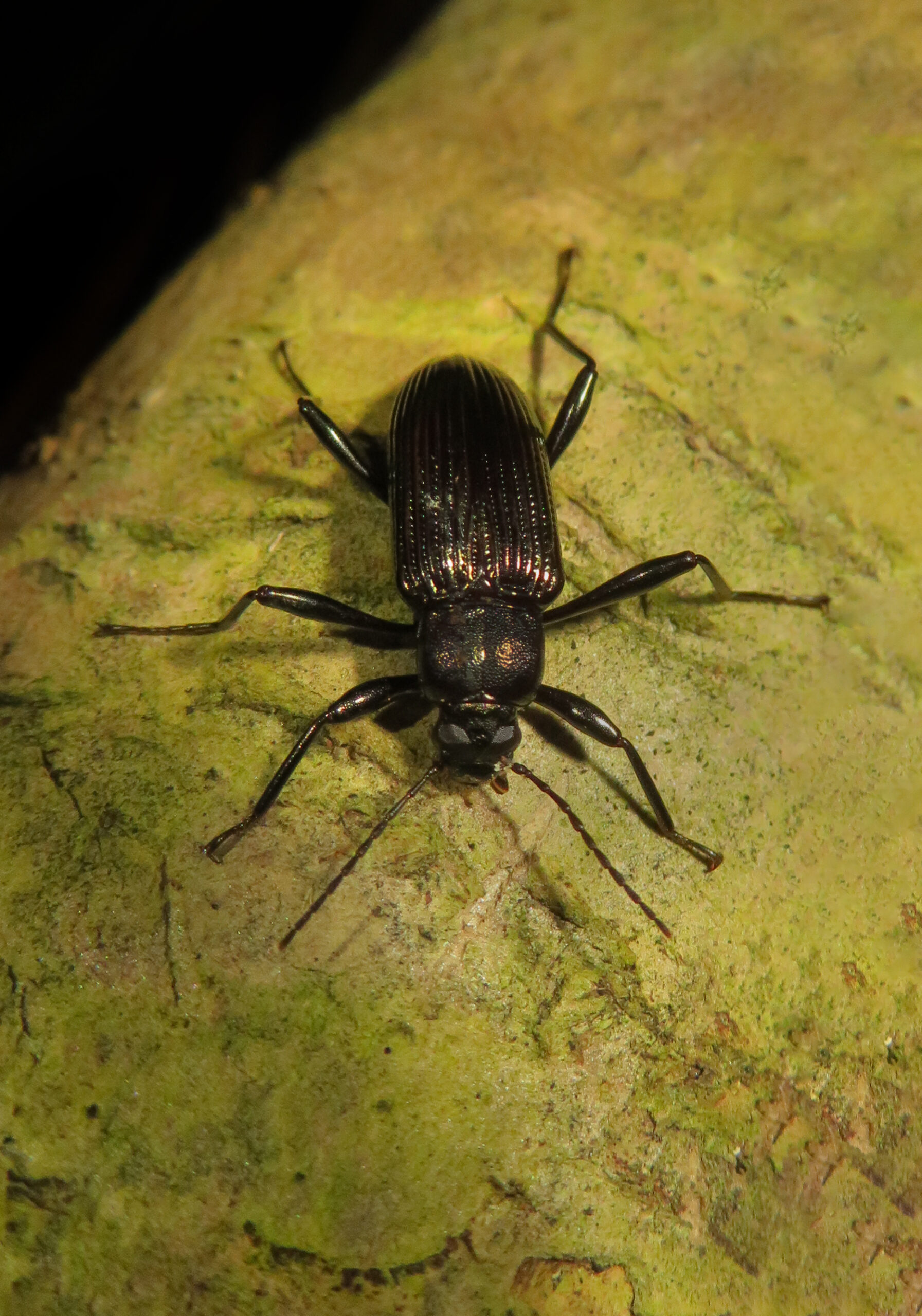
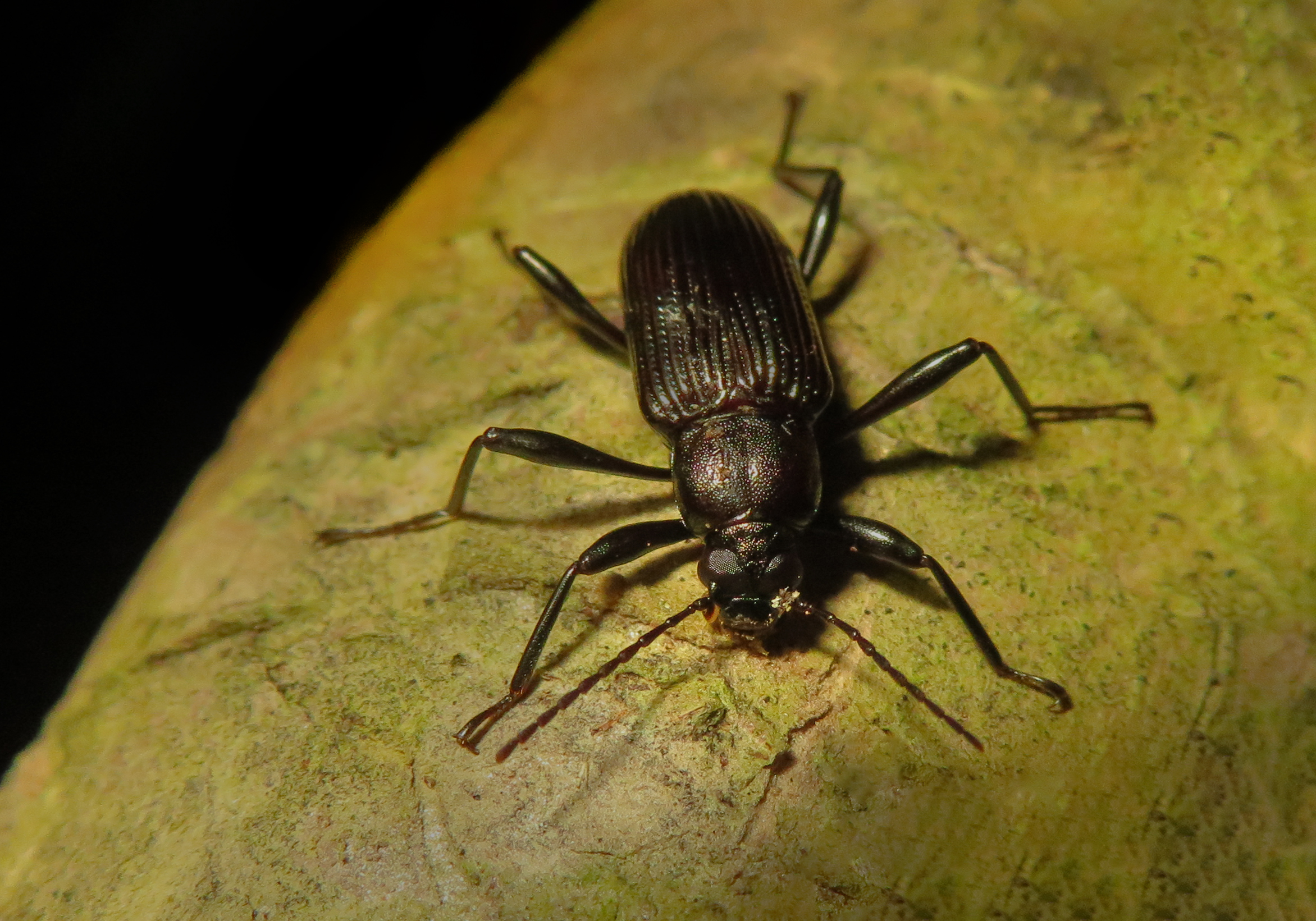
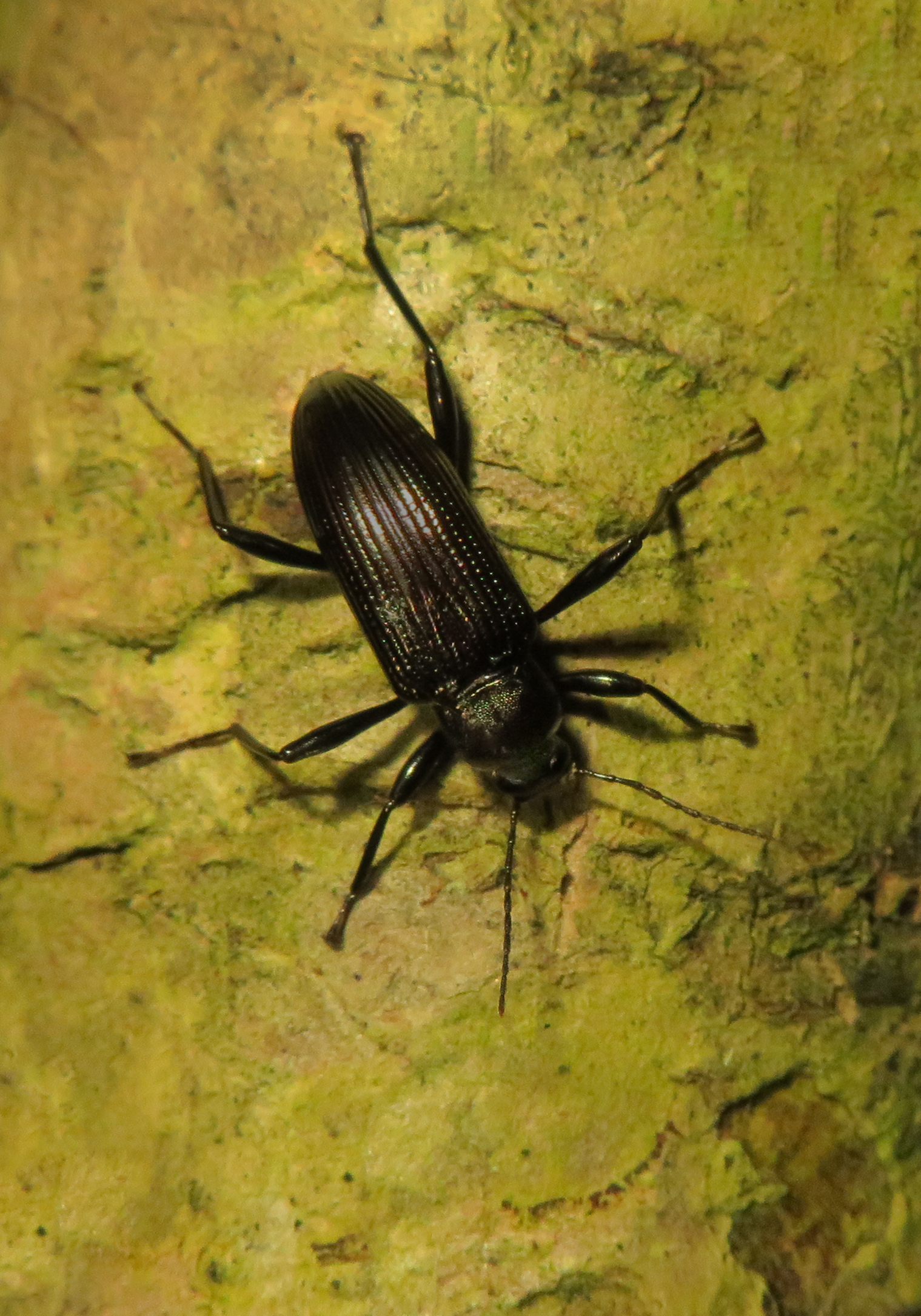
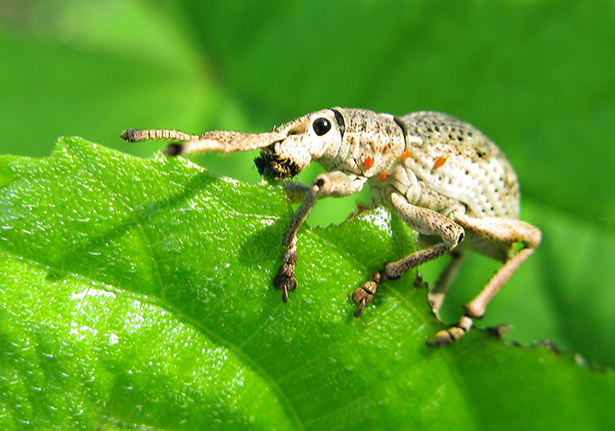
Pterygota is a major subclass within the class Insecta, comprising the winged insects and their secondarily wingless descendants. The defining characteristic of this group is the presence of wings at some stage of the life cycle, a key evolutionary innovation that enabled insects to disperse widely, exploit new ecological niches, and diversify extensively.
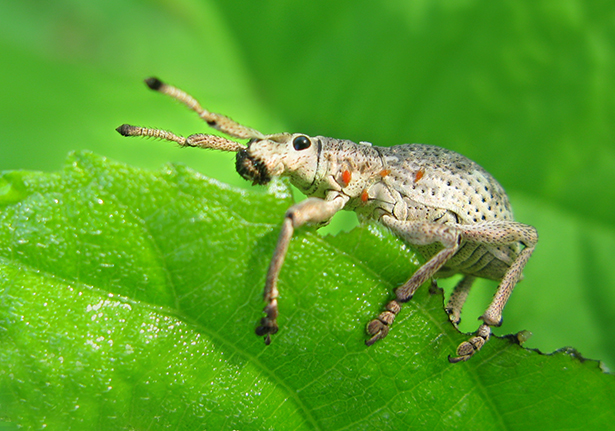
In pterygote insects, the body follows the typical insect plan of head, thorax, and abdomen. The thorax is specialized for flight, with the mesothorax and metathorax bearing one or two pairs of wings and powerful flight muscles. Wings are membranous or modified into various forms, such as hardened elytra or leathery tegmina, serving roles in flight, protection, and communication. Mouthparts are diverse and adapted to a wide range of feeding strategies.
Respiration occurs through a tracheal system, and circulation is open, as in other insects. The exoskeleton is composed of chitin and is periodically shed during growth. Pterygota exhibit advanced sensory and nervous systems, supporting complex behaviors, including flight control, mating displays, and social interactions in some groups.
Development in Pterygota is either hemimetabolous (incomplete metamorphosis), where juveniles resemble miniature adults without fully developed wings, or holometabolous (complete metamorphosis), involving distinct larval, pupal, and adult stages. Major divisions within Pterygota include Paleoptera (such as mayflies and dragonflies) and Neoptera, which encompasses the majority of modern winged insects. Pterygota dominate most terrestrial ecosystems and play essential roles as pollinators, herbivores, predators, and decomposers, making them one of the most ecologically significant insect groups.