

Genus Psilogramma
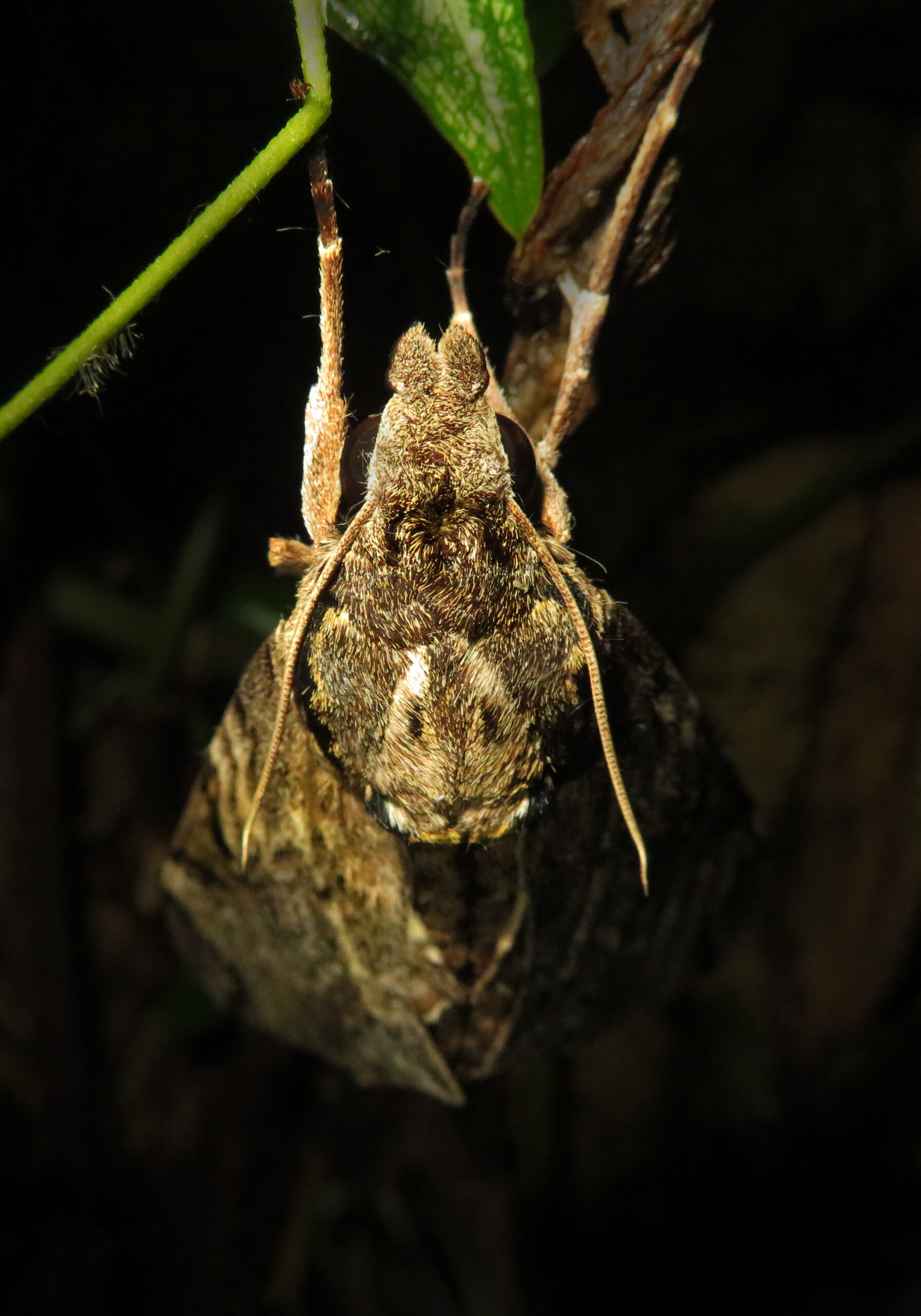
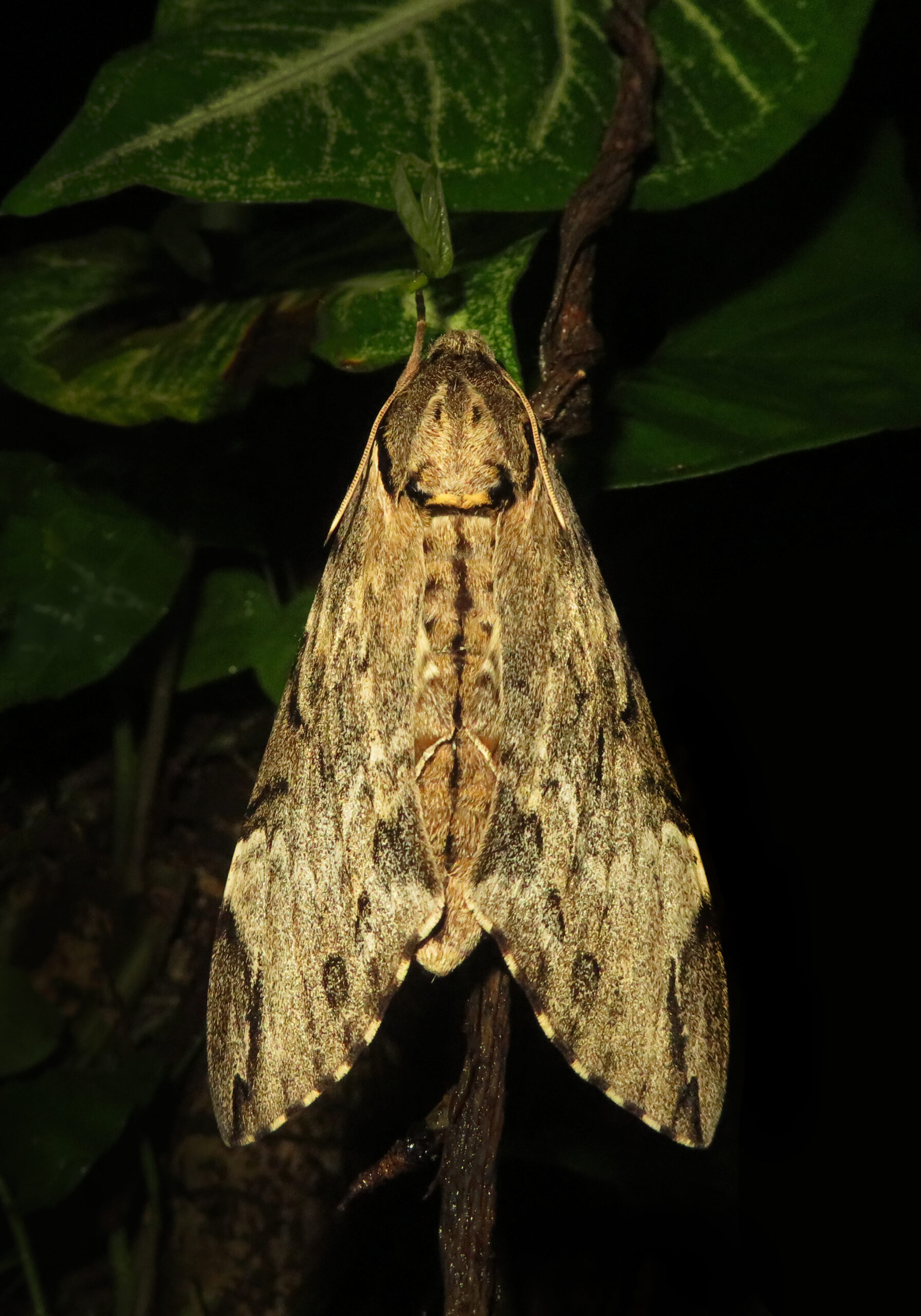
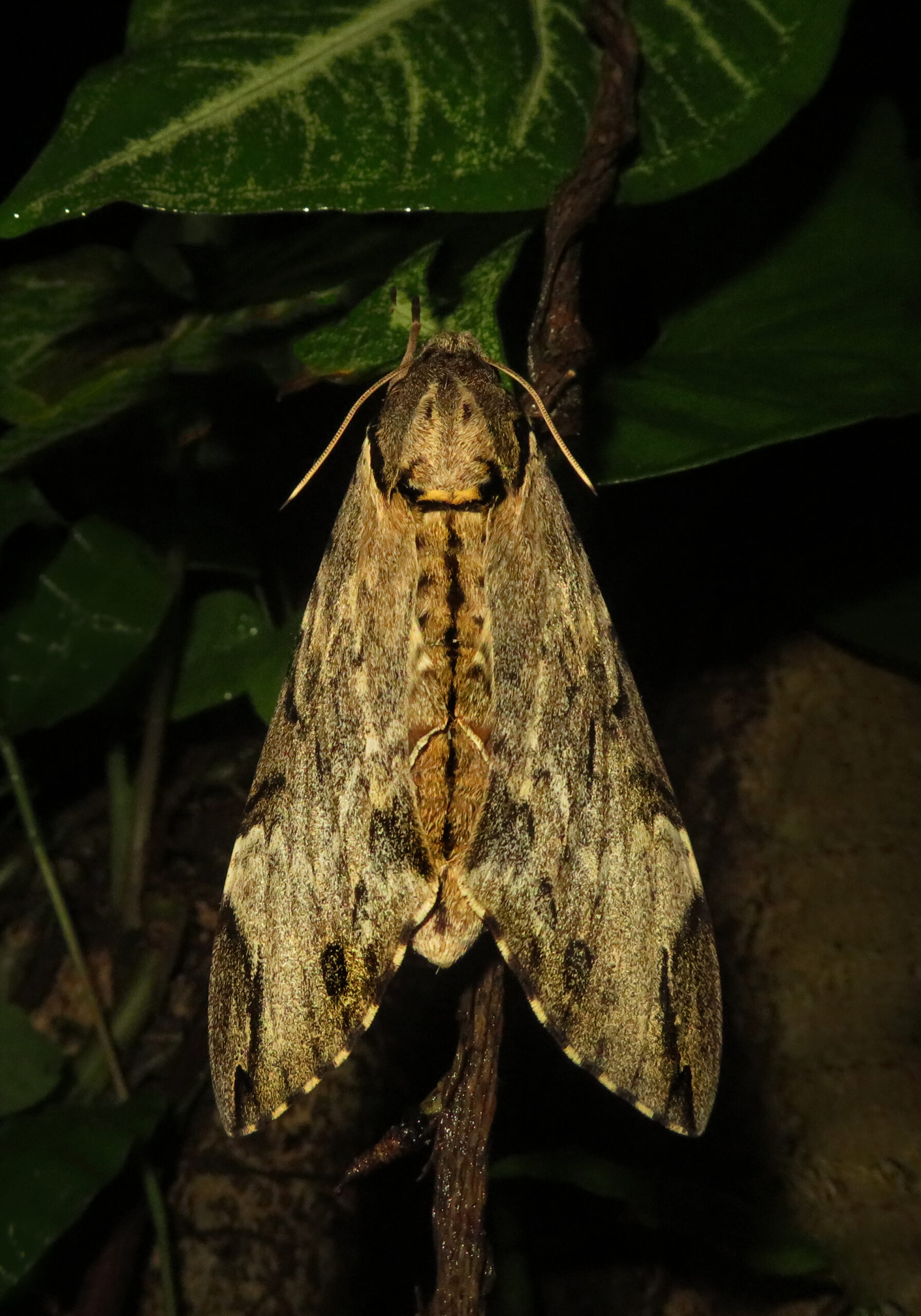
Psilogramma is a genus of hawk moths within the tribe Sphingini (Subfamily Sphinginae, Family Sphingidae, Order Lepidoptera). Members of this genus are widely distributed throughout tropical and subtropical regions of Africa, Asia, Australia, and the Indo-Pacific islands. They inhabit a variety of environments, including forests, woodland edges, agricultural landscapes, gardens, and urban green spaces.
Moths of the genus Psilogramma are medium to large-sized hawk moths characterized by a robust, streamlined body and long, narrow forewings adapted for strong and sustained flight. Their coloration is predominantly gray, brown, olive, or mottled, with intricate patterns of lines, streaks, and patches that provide excellent camouflage when resting on tree trunks or branches.
The head bears large compound eyes and a well-developed proboscis used for feeding on nectar. Adults are primarily nocturnal and are often attracted to flowers during the evening and nighttime hours. Like other hawk moths, they are powerful fliers capable of covering considerable distances.
The life cycle involves complete metamorphosis, consisting of egg, larva (hornworm), pupa, and adult stages. Caterpillars are typically green or brown and possess a characteristic horn-like projection at the rear of the body. Larvae feed on the leaves of various host plants, particularly species in the olive family (Oleaceae), including jasmine (Jasminum) and related plants.
Pupation usually occurs in the soil or among leaf litter, where the caterpillar forms a protected chamber before transforming into an adult moth.
Species of Psilogramma are often difficult to distinguish externally because many share similar wing patterns and body coloration. As a result, species identification frequently requires detailed examination of morphological characteristics.
Ecologically, Psilogramma moths serve as both herbivores and pollinators. Caterpillars contribute to plant–insect interactions through leaf feeding, while adults visit flowers for nectar and may assist in pollination. They also form part of the food web, serving as prey for birds, bats, reptiles, and other predators, making them important contributors to ecosystem functioning and biodiversity.