

Family Pseudocerotidae
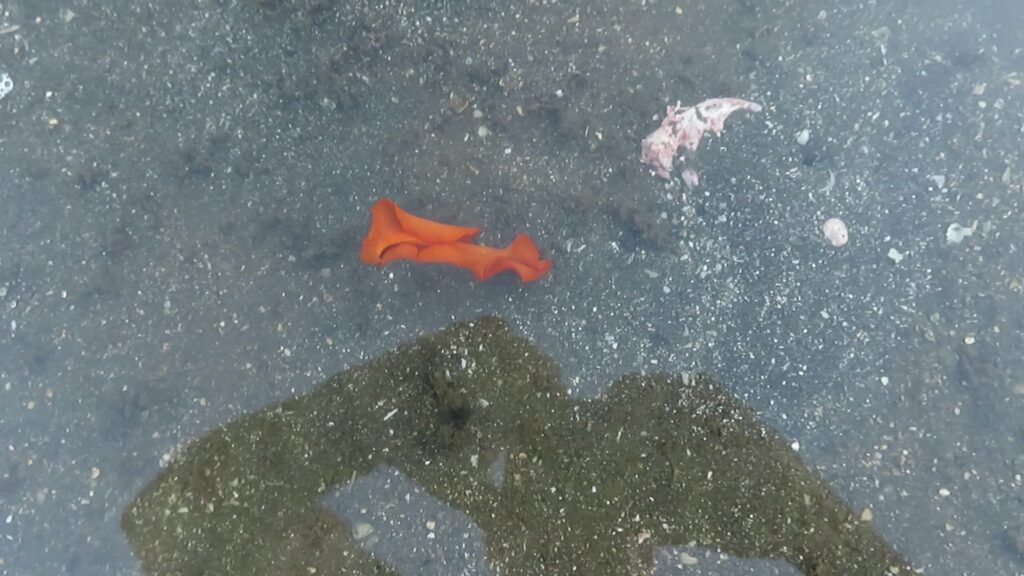
Family Pseudocerotidae is a family of marine flatworms belonging to the order Polycladida, suborder Cotylea, and phylum Platyhelminthes. Commonly known as colorful marine flatworms, members of this family are widely distributed in tropical and subtropical oceans, particularly around coral reefs, rocky shores, seagrass beds, and other shallow marine habitats. They are characterized by their soft, dorsoventrally flattened bodies, broad oval or elongated shapes, and highly variable coloration. Many species display vivid combinations of yellow, orange, red, blue, black, white, and brown, often arranged in stripes, spots, marginal bands, or intricate patterns. These colors may serve as camouflage, warning signals, or forms of mimicry that reduce the risk of predation. Members of Pseudocerotidae typically possess a pair of anterior pseudotentacles formed by folds or extensions of the body margin, which help detect chemical and environmental cues. Their eyes are concentrated in clusters near the anterior region and may also occur in additional groups across the body. A ventral adhesive organ helps many species maintain contact with surfaces while moving across the seabed. Locomotion is primarily achieved through ciliary movement and muscular contractions, allowing them to glide over coral, rocks, and other substrates. Most species are carnivorous predators that feed on sessile or slow-moving invertebrates, including tunicates, bryozoans, sponges, and other marine organisms, using an extensible pharynx to ingest or externally digest prey. Reproduction is generally sexual, and individuals are simultaneous hermaphrodites, possessing both male and female reproductive organs. Fertilized eggs are deposited on suitable surfaces, with development varying among species. Pseudocerotidae plays a role in marine benthic food webs and contributes to the biodiversity of coral reef and coastal ecosystems. Although many species are conspicuous because of their striking appearance, their distribution and ecology remain incompletely documented. Habitat degradation, coral reef decline, coastal pollution, and other environmental changes may affect local populations by reducing the availability of suitable habitats and prey.