Bali Wildlife
Every Spices Matter


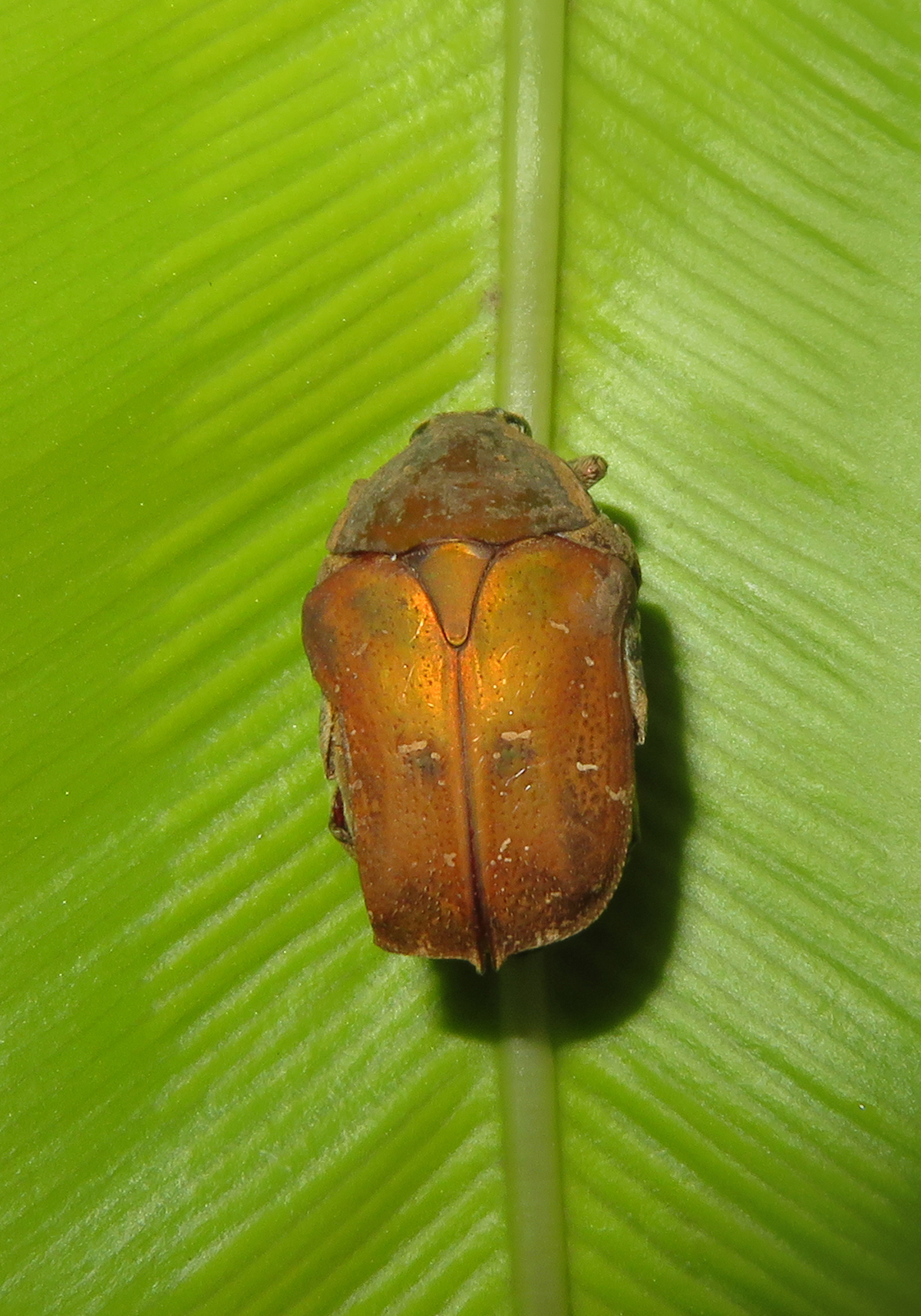
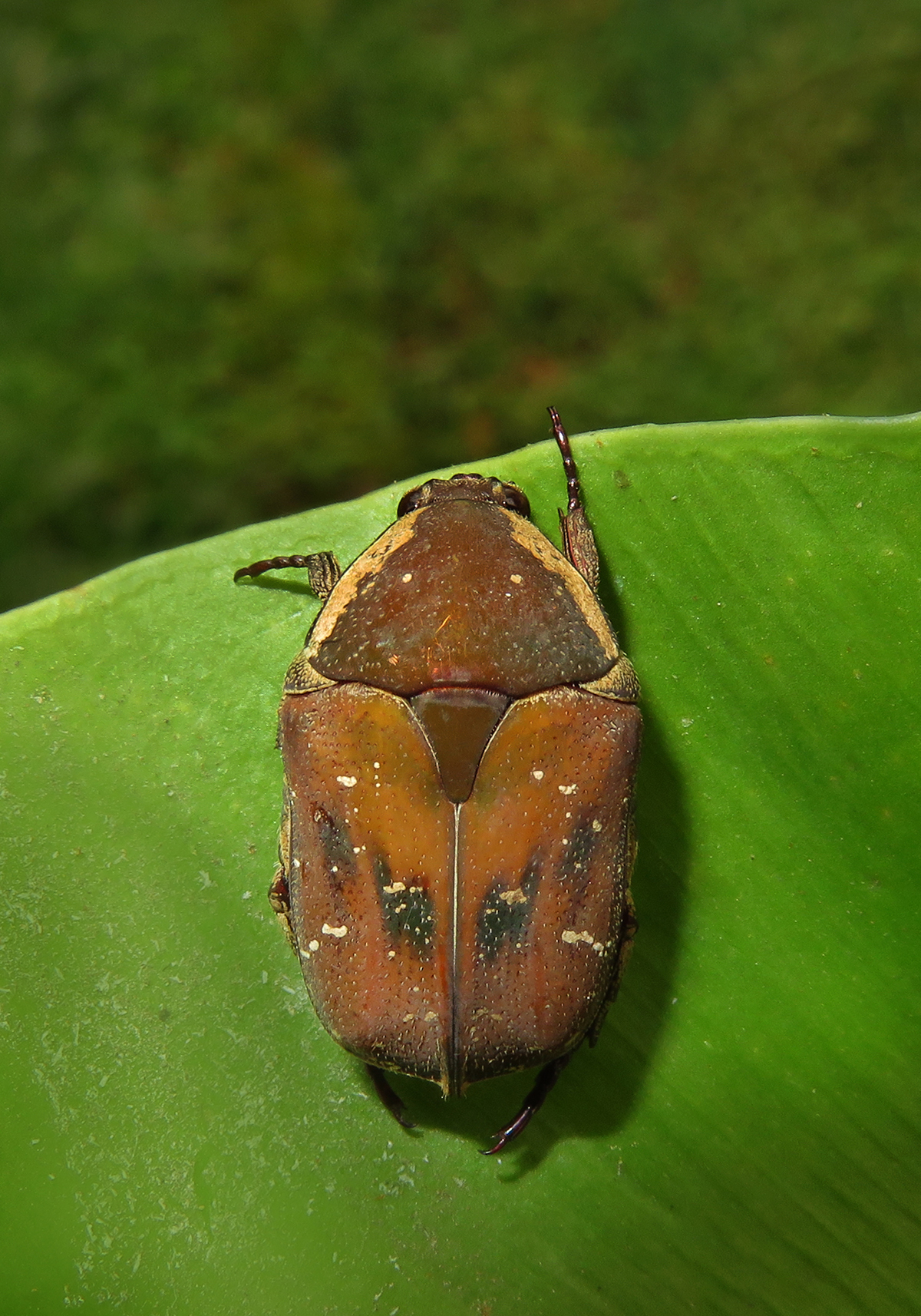
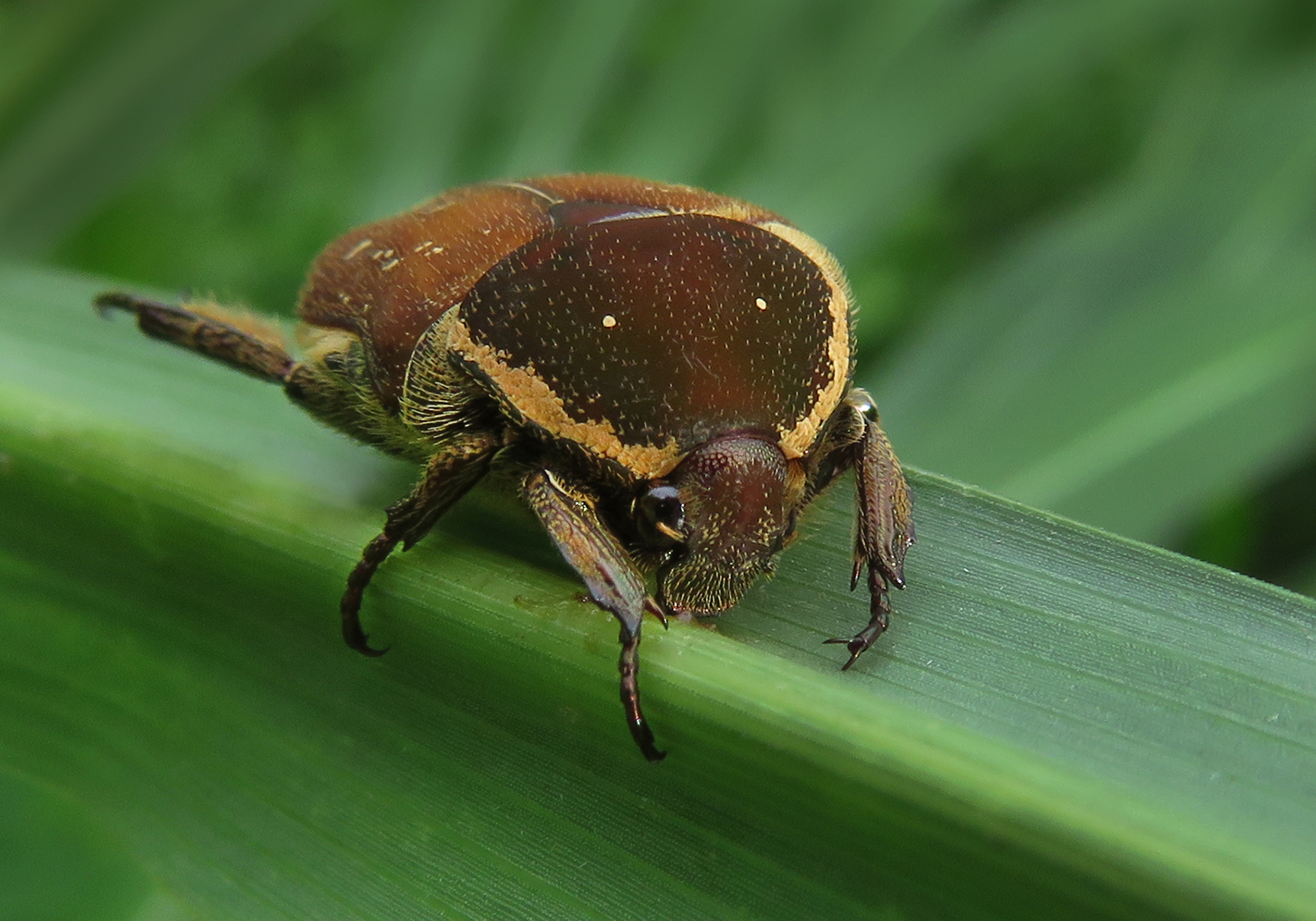
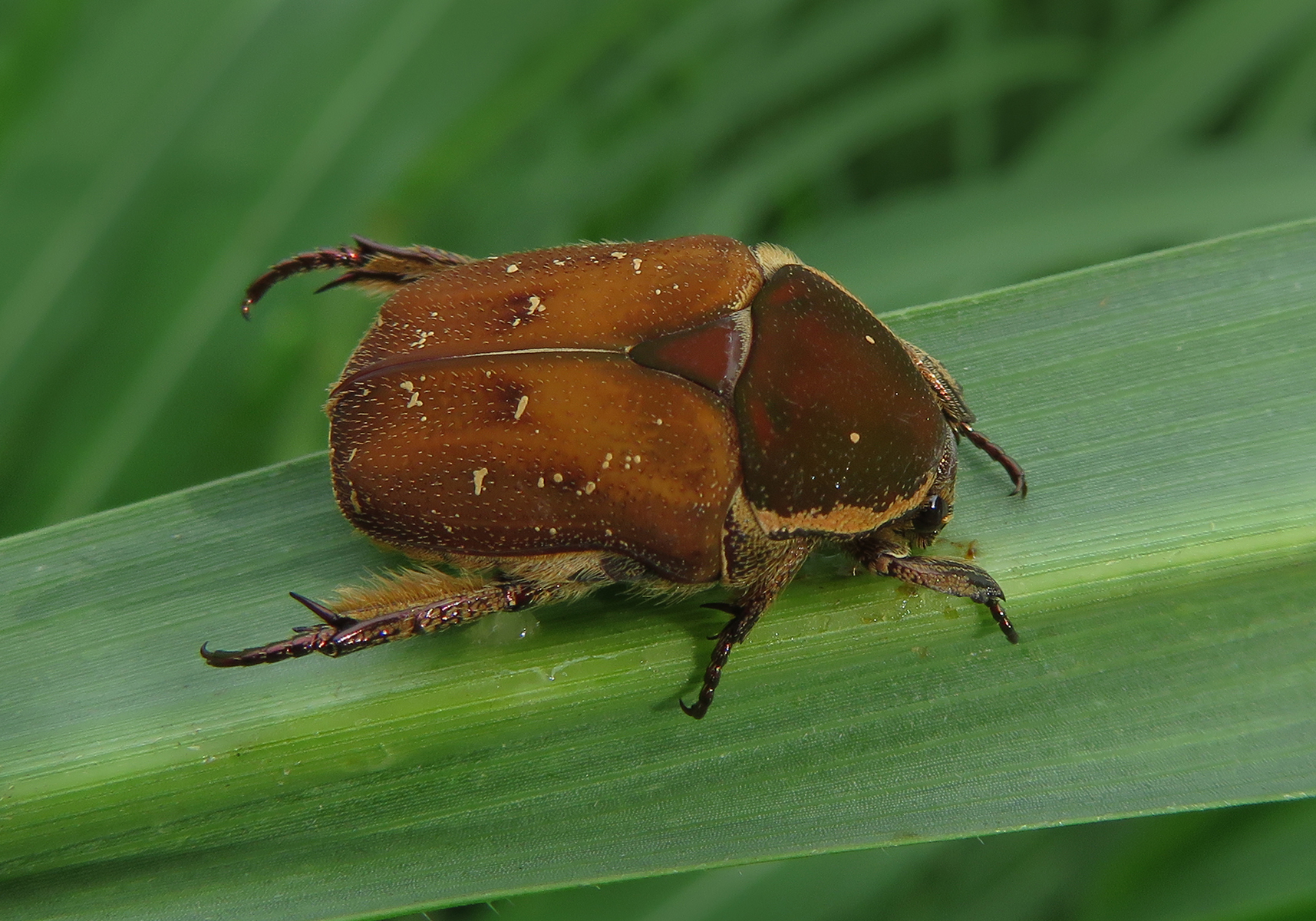
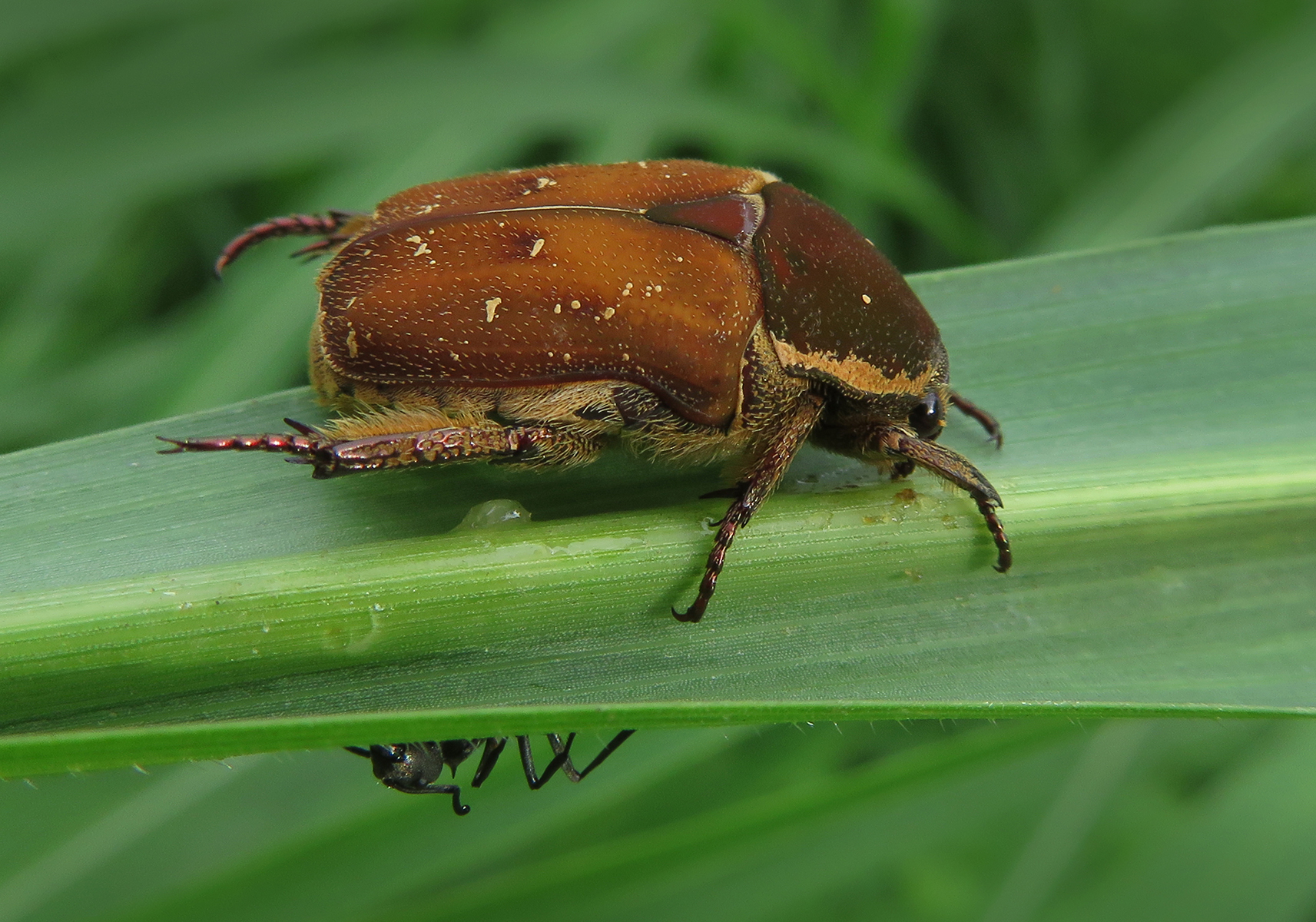
Protaetia ciliata is a species of flower chafer beetle belonging to the subgenus Pachyprotaetia within the genus Protaetia (Subtribe Cetoniina, Tribe Cetoniini, Family Scarabaeidae, Order Coleoptera). It is distributed in parts of South and Southeast Asia, where it inhabits forested and semi-natural environments.
This species is characterized by a robust, oval body shape typical of flower chafers. The dorsal surface is generally dark—ranging from deep brown to black—with a slightly matte to weakly glossy appearance. Fine punctation may be present on the pronotum and elytra. As suggested by the species name ciliata, certain body margins or structures may bear fine hair-like setae (cilia), which can aid in species identification.
Like other members of Protaetia, P. ciliata is capable of active daytime flight, extending its hind wings laterally without fully raising the elytra. Adults are commonly found visiting flowers, tree sap flows, or ripe fruits, feeding on nectar, pollen, and fermenting plant material.
Larvae are typical C-shaped scarab grubs, developing in decaying wood, compost, or organic-rich soil. They are saprophagous, contributing to the breakdown of organic matter and nutrient recycling within their ecosystems.
The life cycle follows complete metamorphosis: egg, larva, pupa, and adult. Adults are most active during warm seasons and are often attracted to fermenting substrates.
Protaetia ciliata represents a forest-associated flower chafer species, notable for its sturdy morphology, diurnal activity, and ecological role in decomposition and pollination processes.