Bali Wildlife
Every Spices Matter


Protaetia is a large and widely distributed genus of flower chafers within the subtribe Cetoniina (Tribe Cetoniini, Subfamily Cetoniinae, Family Scarabaeidae, Order Coleoptera). Species of this genus occur across Europe, Africa, and Asia, with particularly high diversity in the Palearctic and Oriental regions.
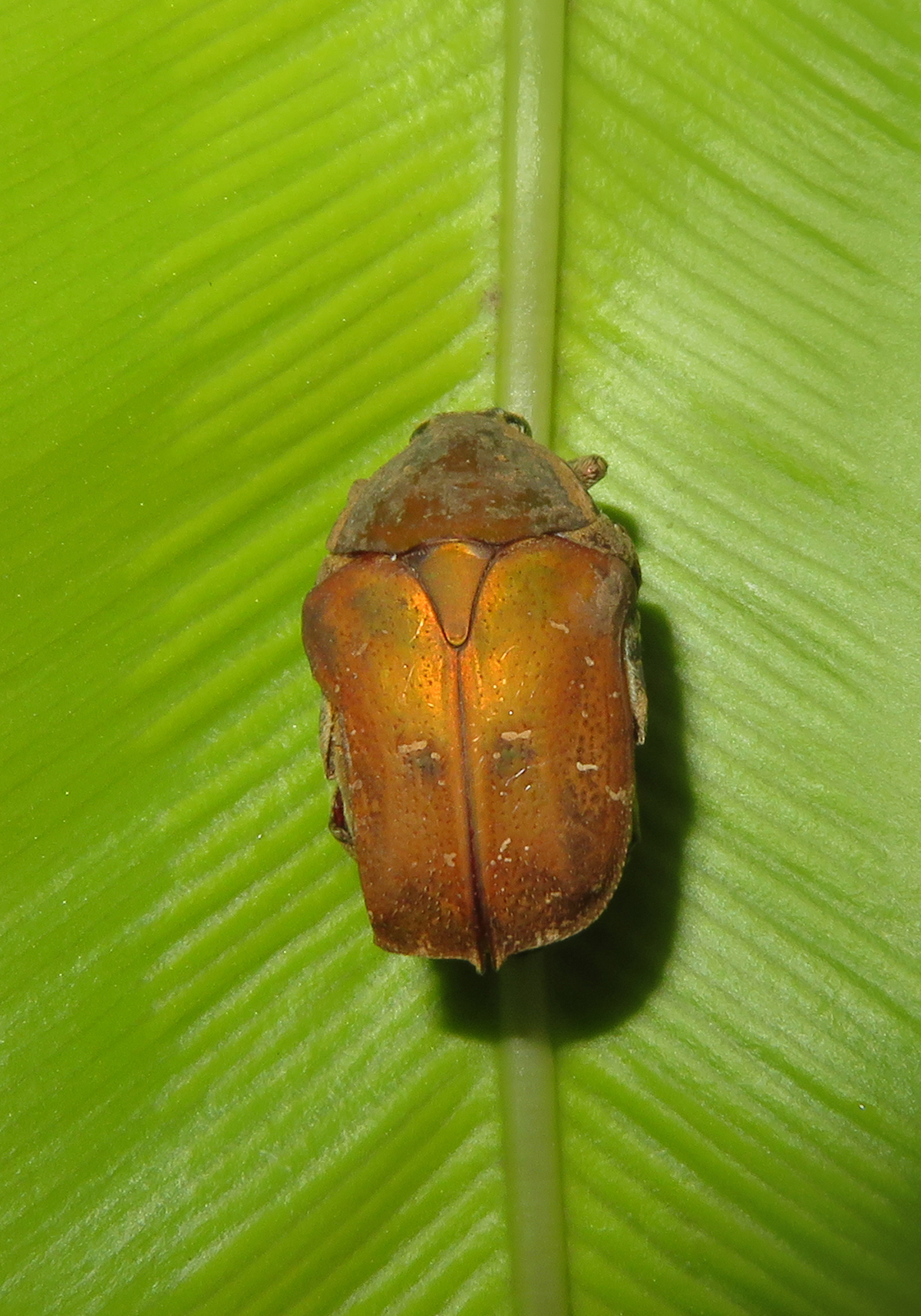
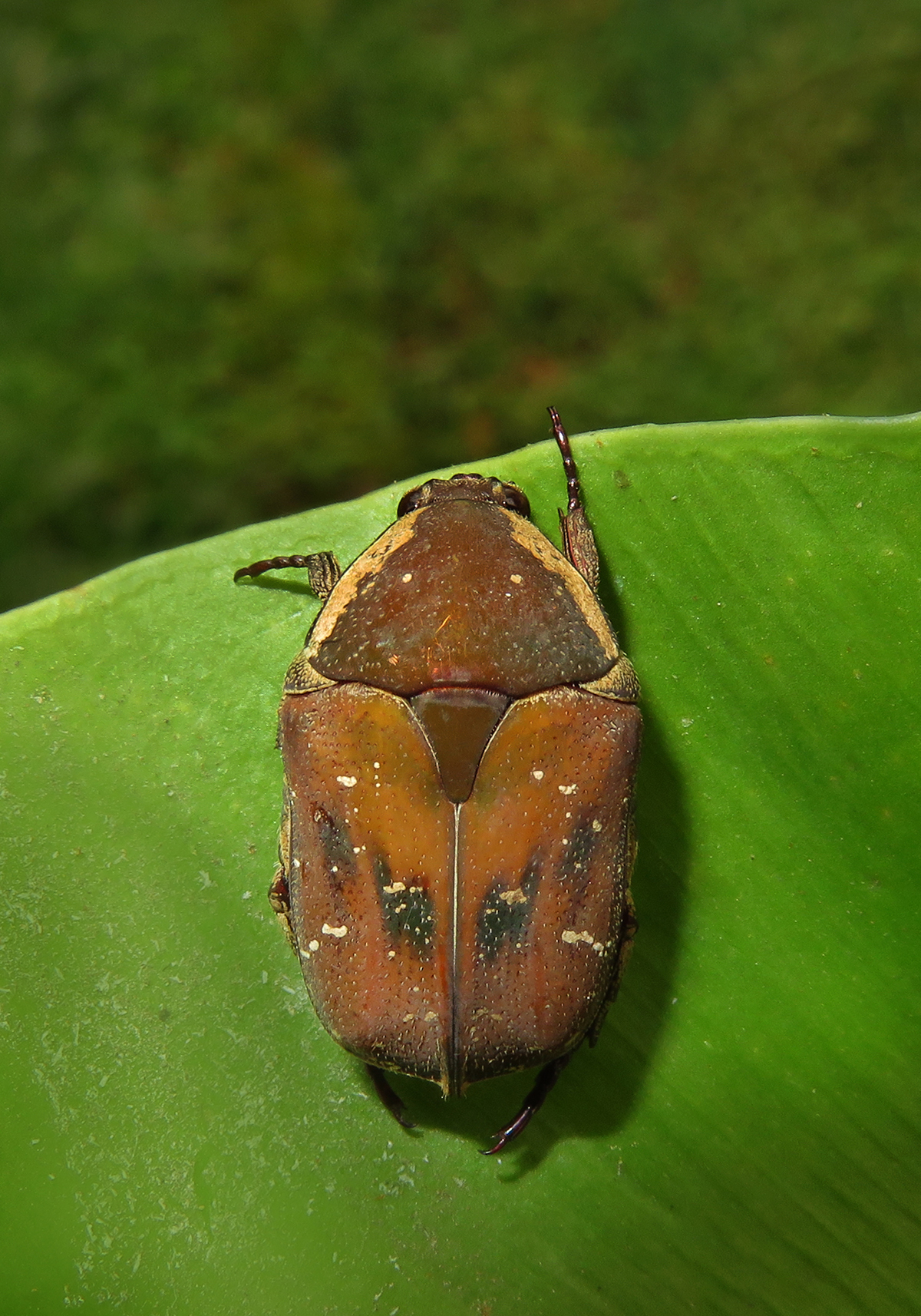
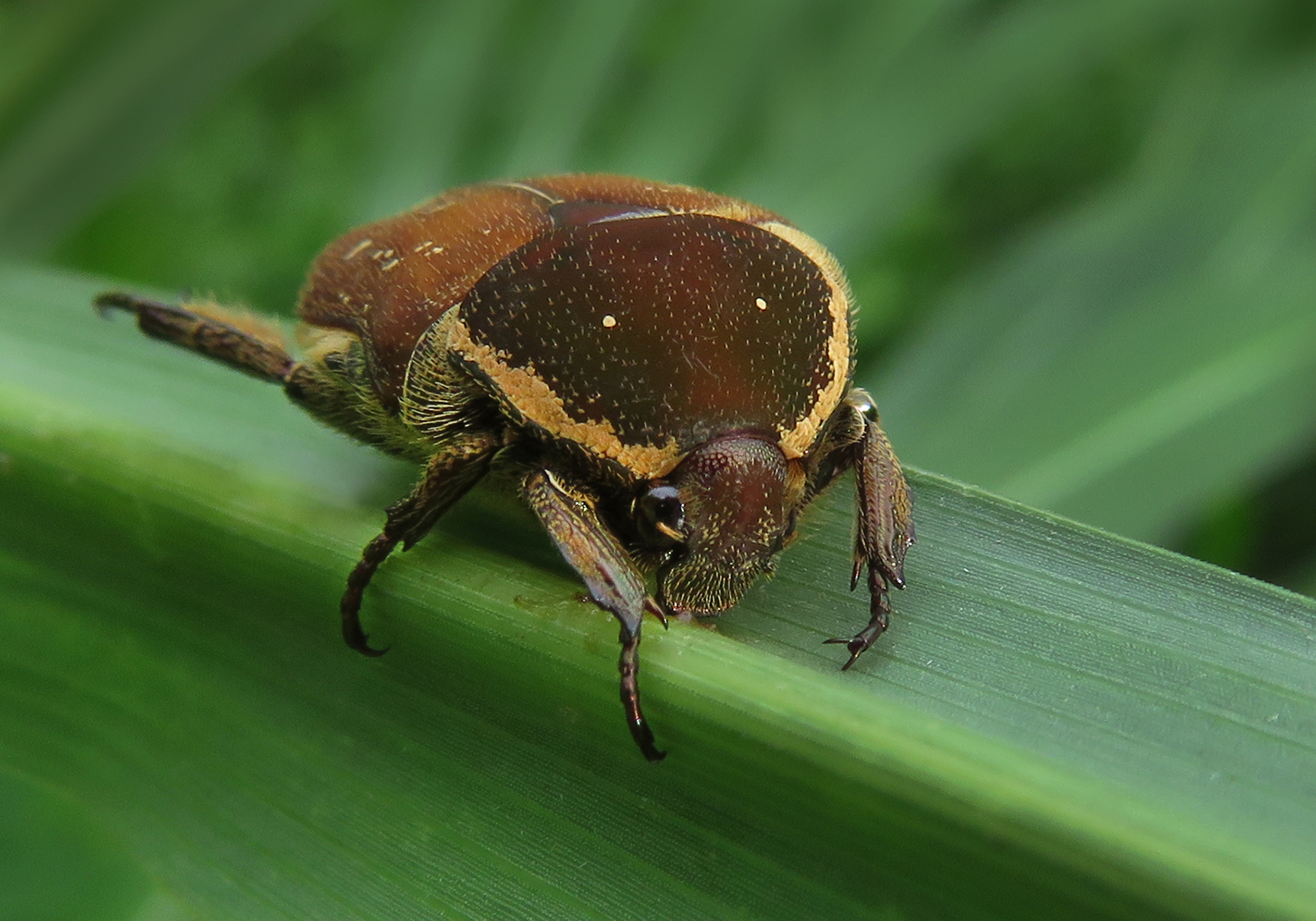
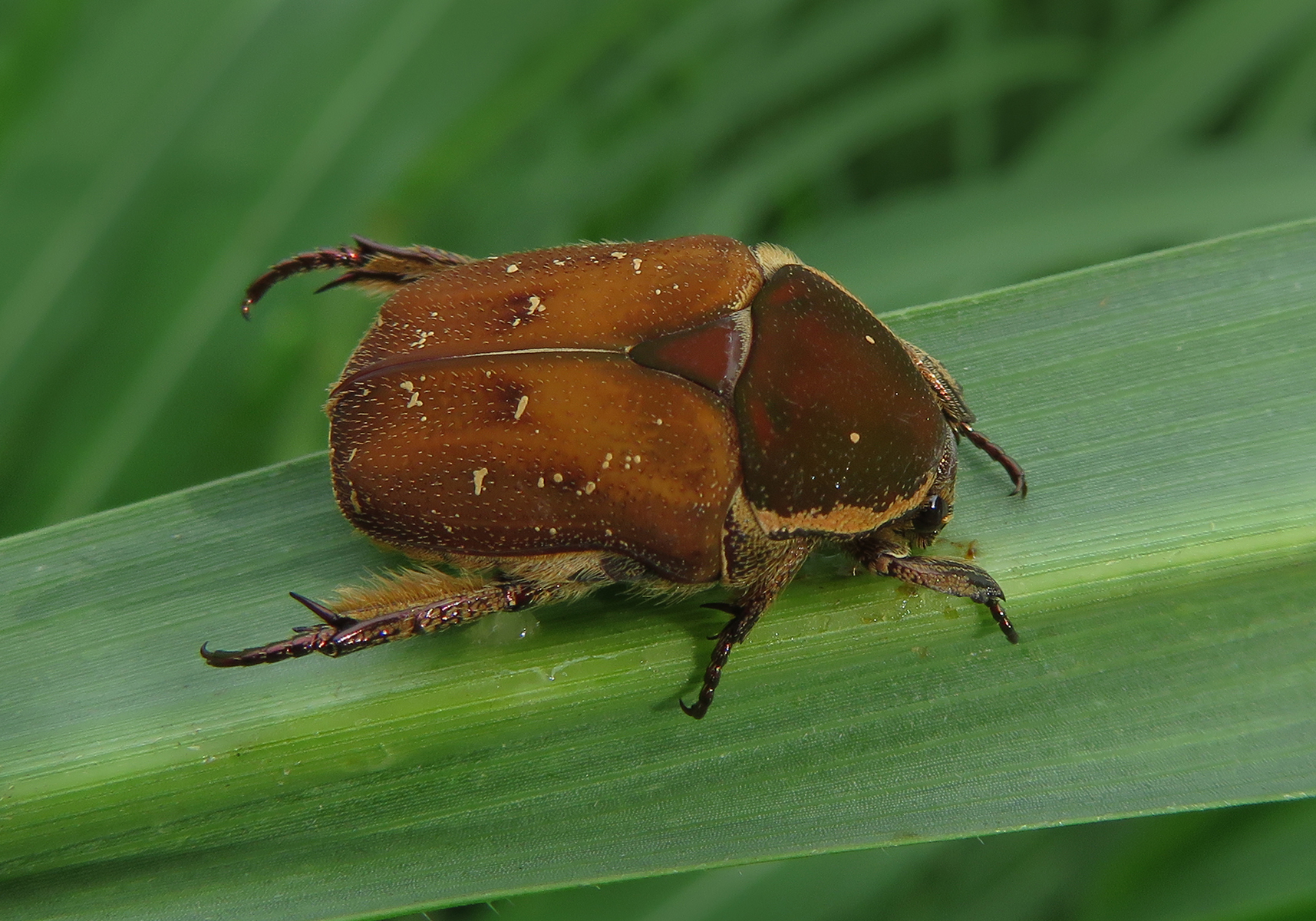
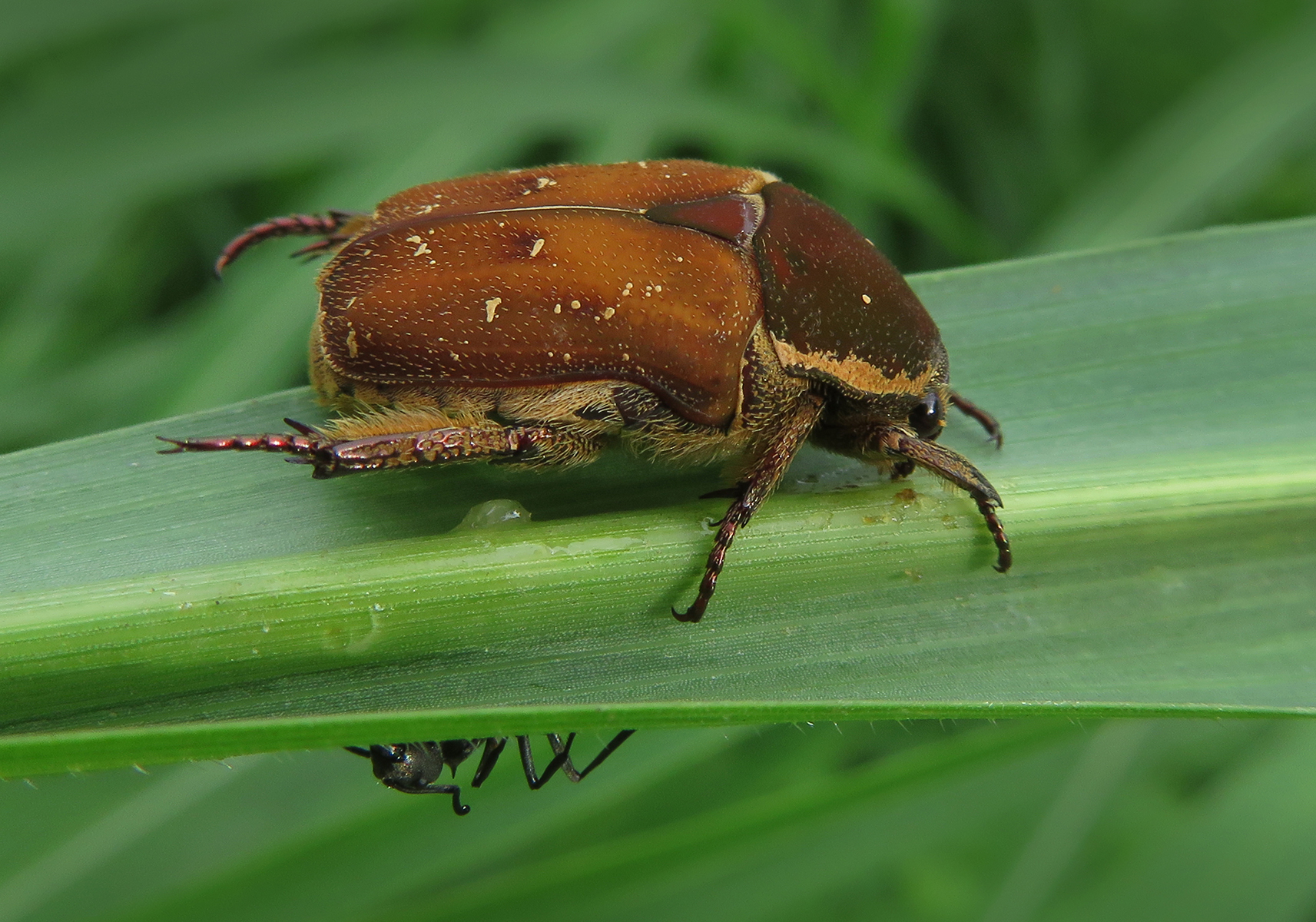
Beetles of Protaetia are generally medium-sized and robust, with an oval to slightly elongated body shape. Many species exhibit metallic or glossy coloration, often in shades of green, bronze, copper, or black, sometimes marked with white spots, mottling, or subtle iridescence. The dorsal surface may be smooth or finely punctate, depending on the species.
Like other flower chafers, Protaetia species are capable of flying without fully raising their elytra, as the hind wings extend laterally through specialized openings. Adults are primarily diurnal and frequently visit flowers, where they feed on nectar and pollen. They are also commonly found on fermenting sap, overripe fruits, and tree wounds.
Larvae are saprophagous grubs, developing in decaying wood, compost, humus-rich soil, or organic debris. They play an important role in decomposition and nutrient recycling. The life cycle includes complete metamorphosis: egg, larva (C-shaped grub), pupa, and adult.
Some species of Protaetia are locally abundant and may occasionally be considered minor pests when feeding on cultivated fruits or ornamental plants, although they also contribute to pollination.
Genus Protaetia represents a diverse and ecologically significant group of flower chafers, characterized by metallic coloration, active daytime behavior, and larval development in decomposing organic substrates.