Bali Wildlife
Every Spices Matter


Polyommatinae is the largest subfamily within the family Lycaenidae (Superfamily Papilionoidea, Order Lepidoptera), commonly known as the blues. Members of this subfamily are distributed worldwide and occur in a wide variety of habitats, including grasslands, meadows, forests, coastal areas, shrublands, agricultural landscapes, and urban gardens.
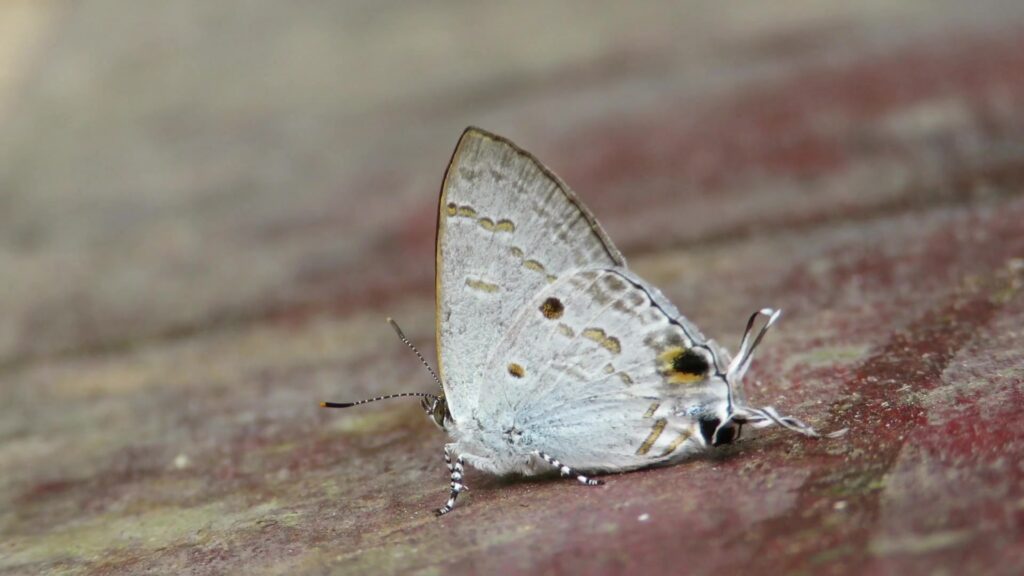
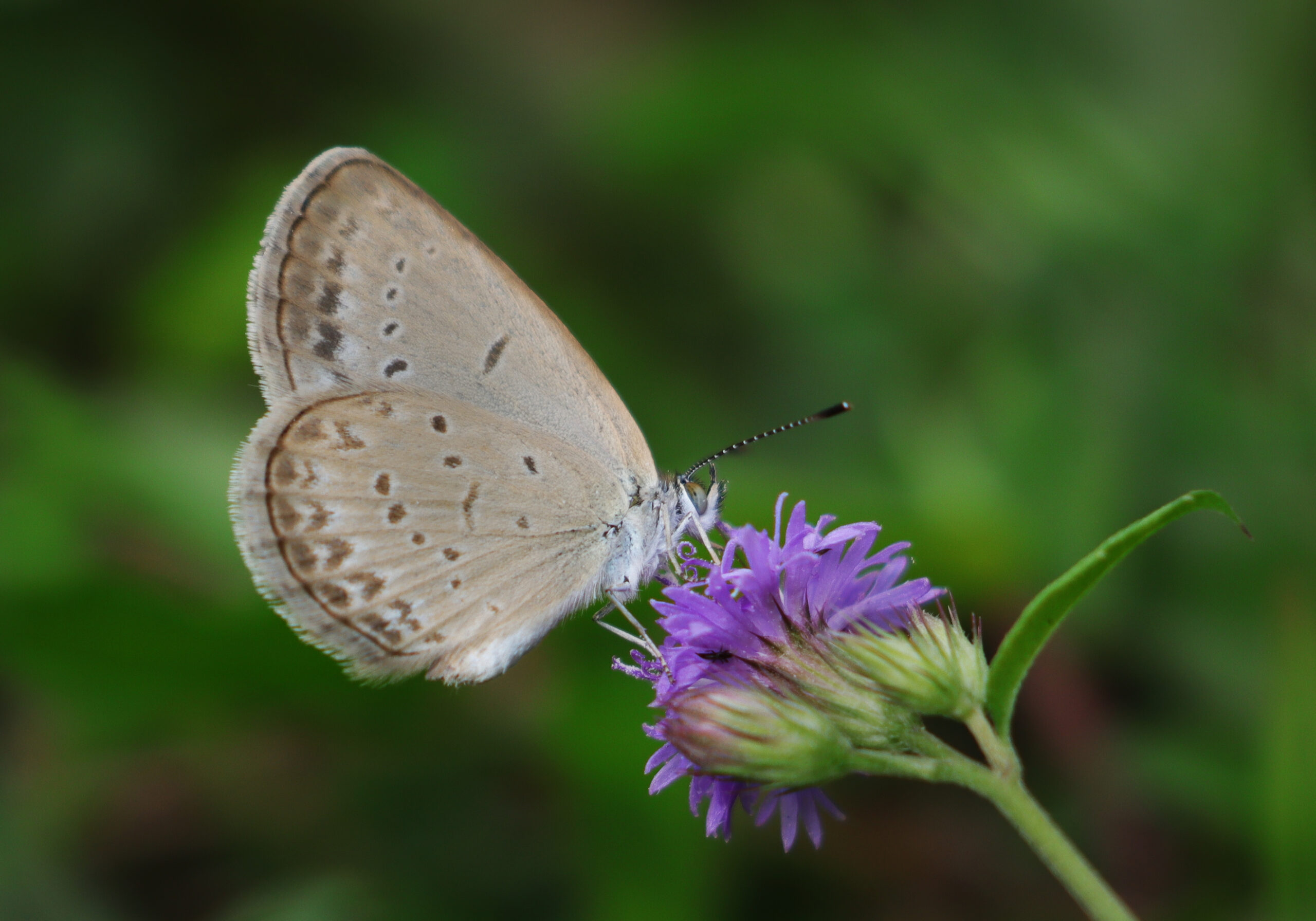
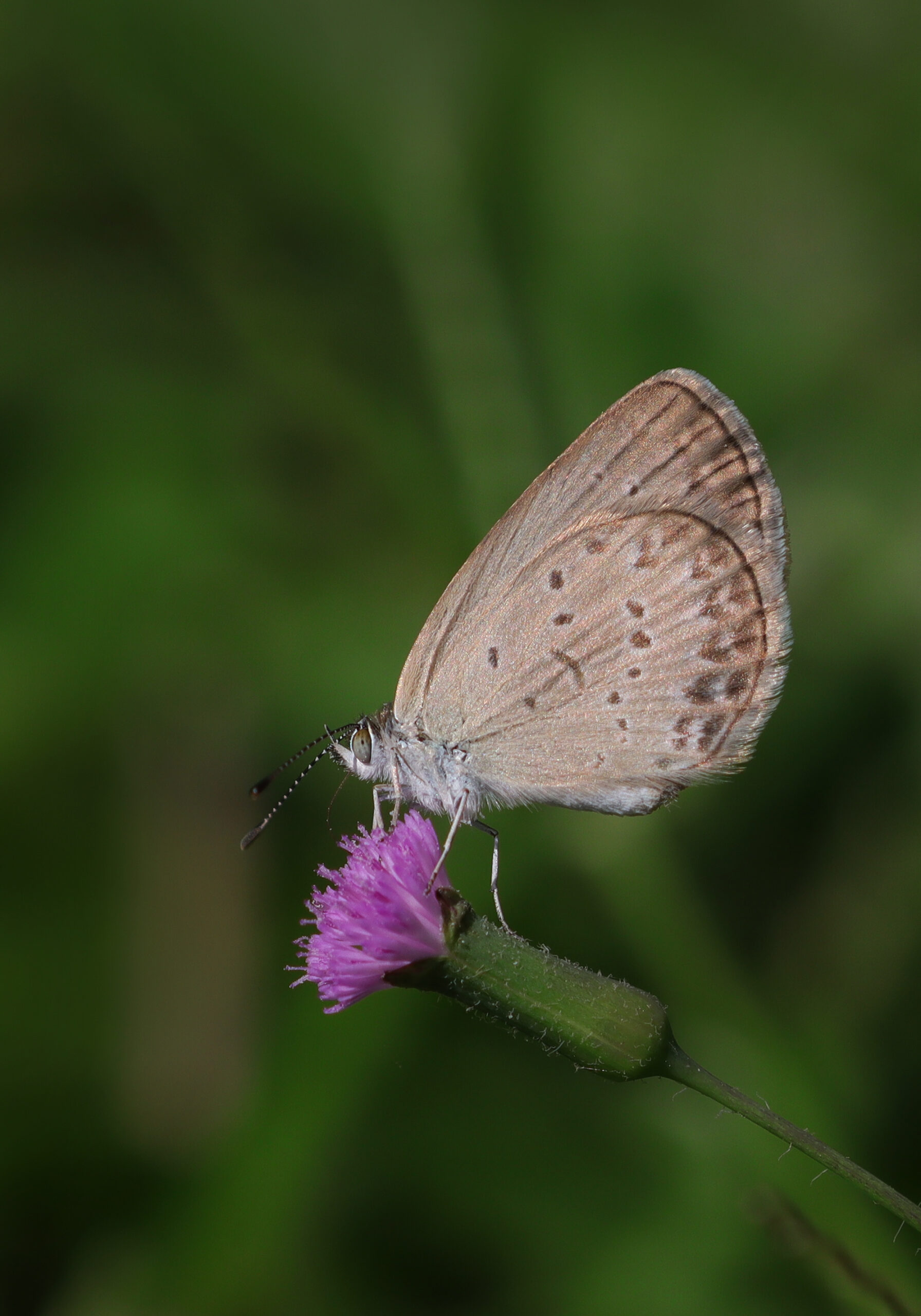
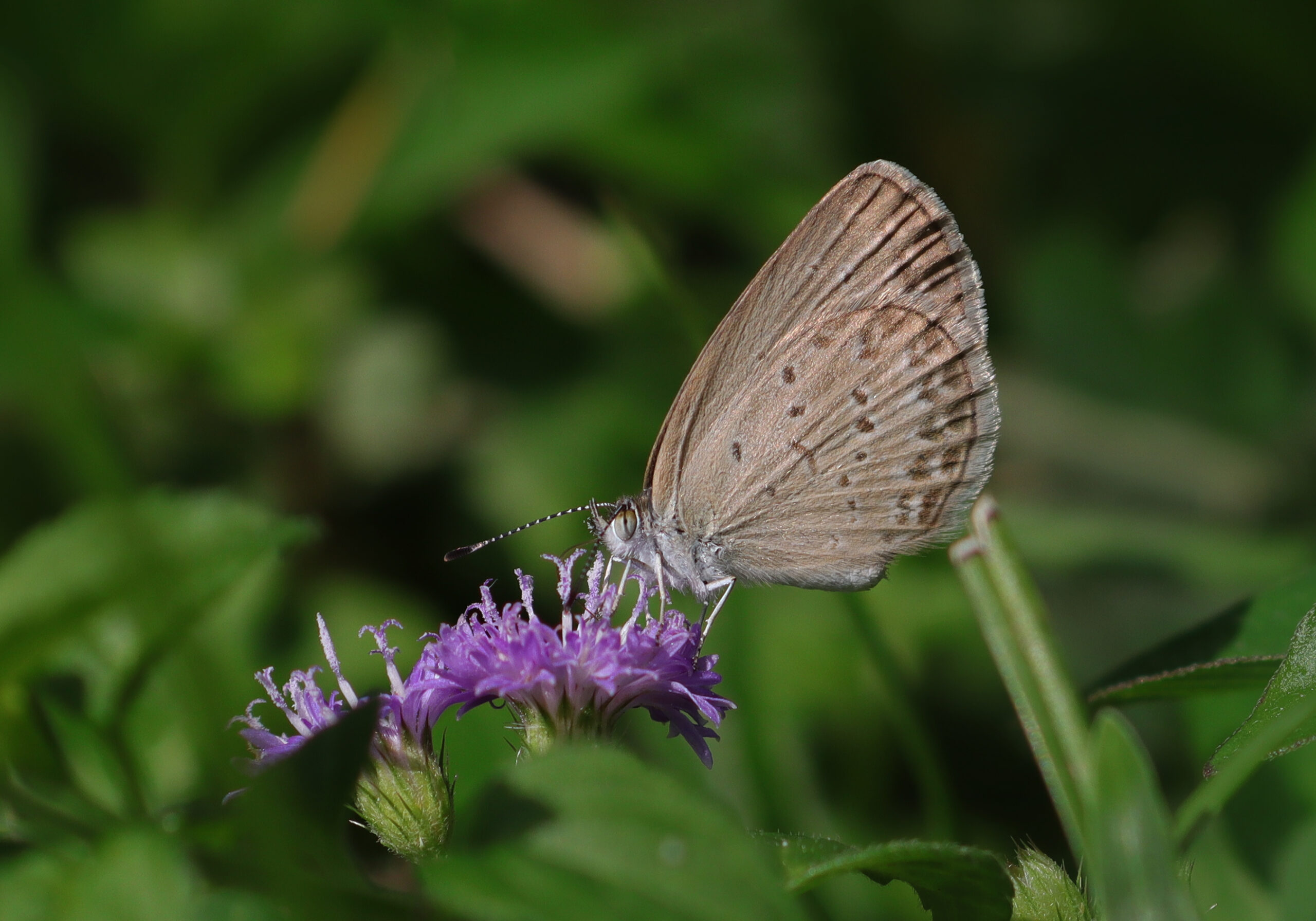
Butterflies of the subfamily Polyommatinae are generally small and delicate, often characterized by brilliant iridescent blue, violet, or purple coloration on the upper side of the wings, particularly in males. Females may be similarly colored or exhibit brown, gray, or orange coloration depending on the species. The underside of the wings is usually patterned with small black spots, white rings, and subtle markings that provide camouflage when resting.
Like other lycaenids, polyommatine butterflies have slender bodies, clubbed antennae, and relatively short legs. Their flight is typically rapid and fluttering, and they are often observed visiting flowers in open habitats.
The life cycle involves complete metamorphosis, consisting of egg, larva (caterpillar), pupa, and adult stages. Caterpillars are usually flattened and slug-like in shape. Many species exhibit myrmecophily, forming associations with ants. Caterpillars produce nutrient-rich secretions that attract ants, which in return offer protection from predators and parasitoids.
Adults feed primarily on nectar from a wide variety of flowering plants. Caterpillars generally feed on legumes and other herbaceous plants, although host preferences vary among species.
The subfamily contains numerous genera, including Lampides, Jamides, Zizina, Euchrysops, and many others, making it one of the most species-rich groups of butterflies.
Ecologically, Polyommatinae butterflies serve as pollinators and are important components of terrestrial food webs. Their caterpillars influence plant communities through herbivory, while their relationships with ants contribute to complex ecological interactions. Due to their sensitivity to habitat quality and environmental changes, many species are considered useful indicators of ecosystem health and biodiversity.