

Polyclad Flatworms (Order Polycladida)
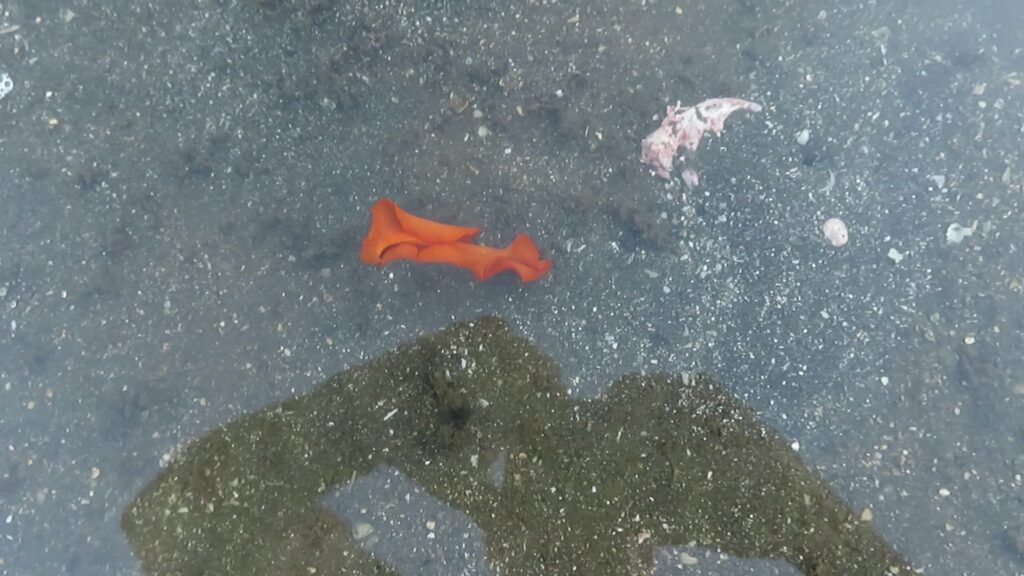
Order Polycladida is a diverse group of marine flatworms belonging to the phylum Platyhelminthes and traditionally classified within the class Rhabditophora. Members of this order are commonly known as polyclad flatworms and are characterized by their soft, flattened bodies, highly branched digestive cavities, and broad, leaf-like or oval body shapes. They occur primarily in marine environments throughout tropical, subtropical, and temperate regions, inhabiting coral reefs, rocky shores, sandy and muddy seabeds, seagrass beds, and other coastal habitats. Many species are brightly colored and display intricate patterns of stripes, spots, and contrasting pigments, which may function in camouflage, warning coloration, or mimicry. Their bodies lack a specialized circulatory and respiratory system, allowing gases and dissolved substances to diffuse across the body surface. Locomotion is generally achieved through the coordinated movement of microscopic cilia on the ventral surface, assisted by muscular contractions that allow some species to glide over substrates or swim using undulating body movements. Most polyclads are carnivorous predators or scavengers, feeding on small invertebrates such as mollusks, crustaceans, bryozoans, and other marine organisms. Their eversible pharynx allows them to ingest or externally digest prey, while their branched digestive system distributes nutrients throughout the body. Reproduction is generally sexual, and most species are simultaneous hermaphrodites, possessing both male and female reproductive organs. Fertilization may occur through copulation, and eggs are deposited in capsules, ribbons, or gelatinous masses, depending on the species. Some polyclads also exhibit considerable regenerative abilities, allowing them to repair damaged body tissues. The order includes a wide range of forms with diverse ecological roles, from cryptic inhabitants of reef crevices to conspicuous predators on exposed surfaces. Although many species remain poorly studied, polyclads contribute to marine food webs and the ecological diversity of benthic communities. Their abundance and distribution may be influenced by habitat degradation, pollution, coastal development, and changes in marine environmental conditions.