Bali Wildlife
Every Spices Matter


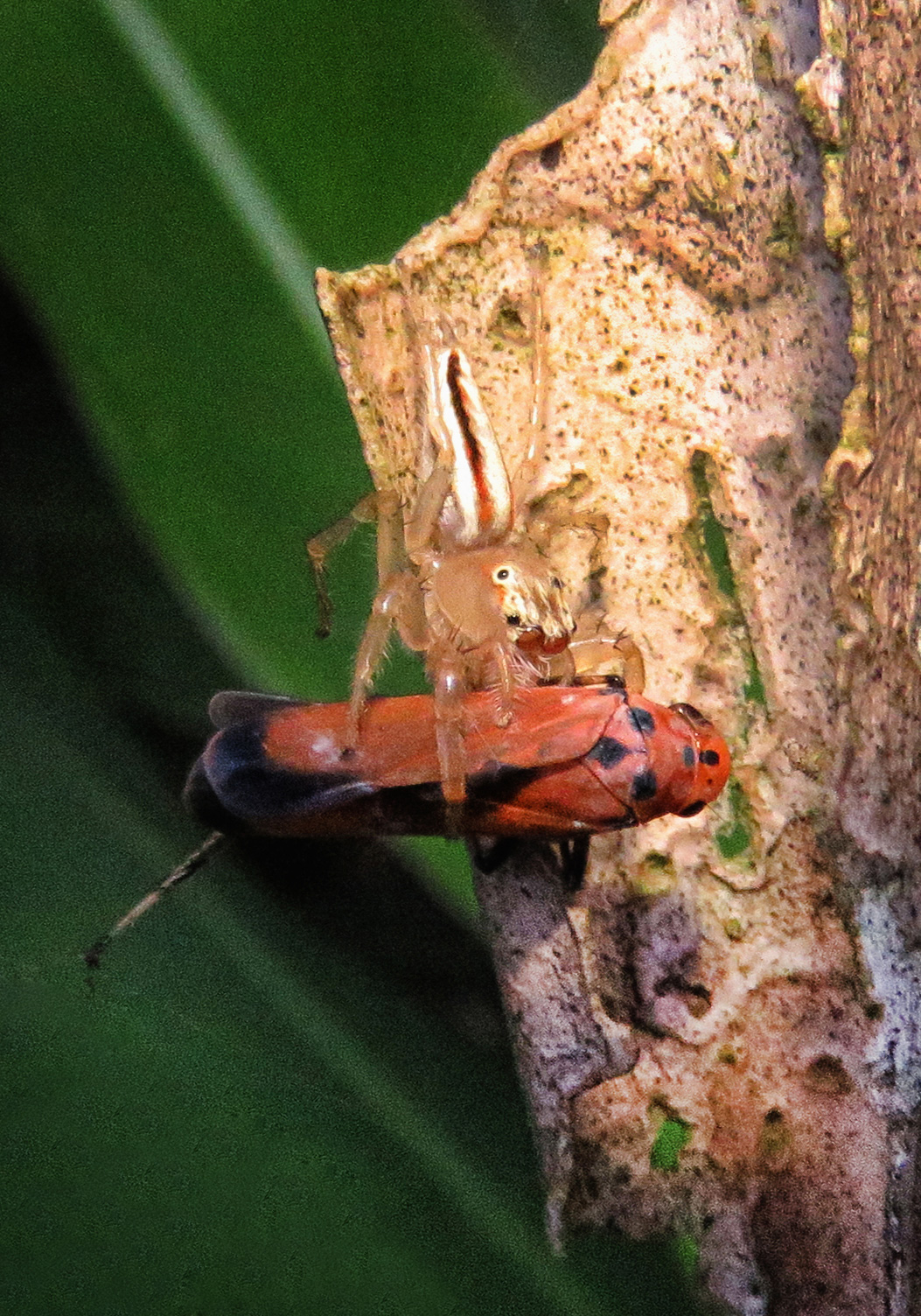
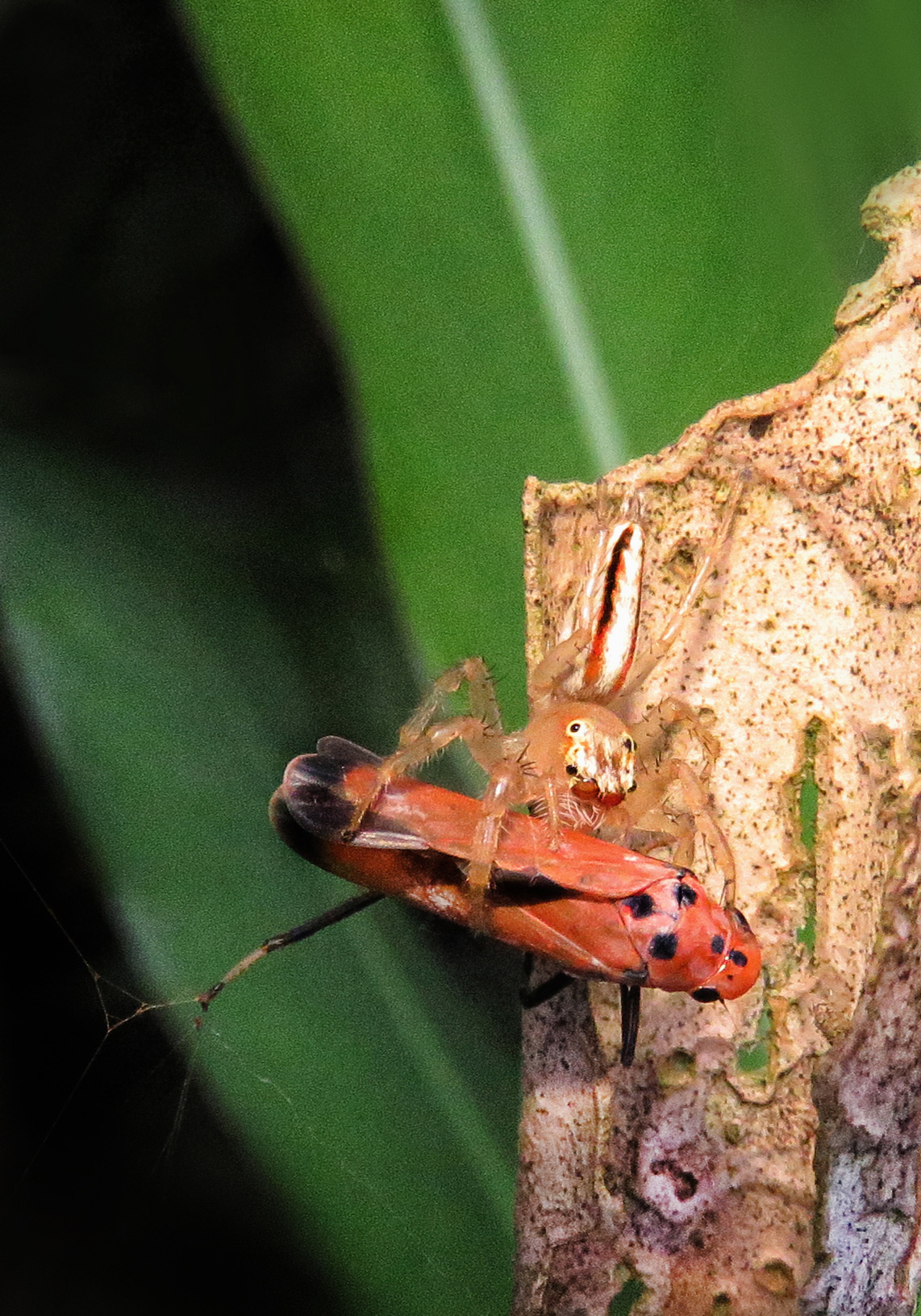
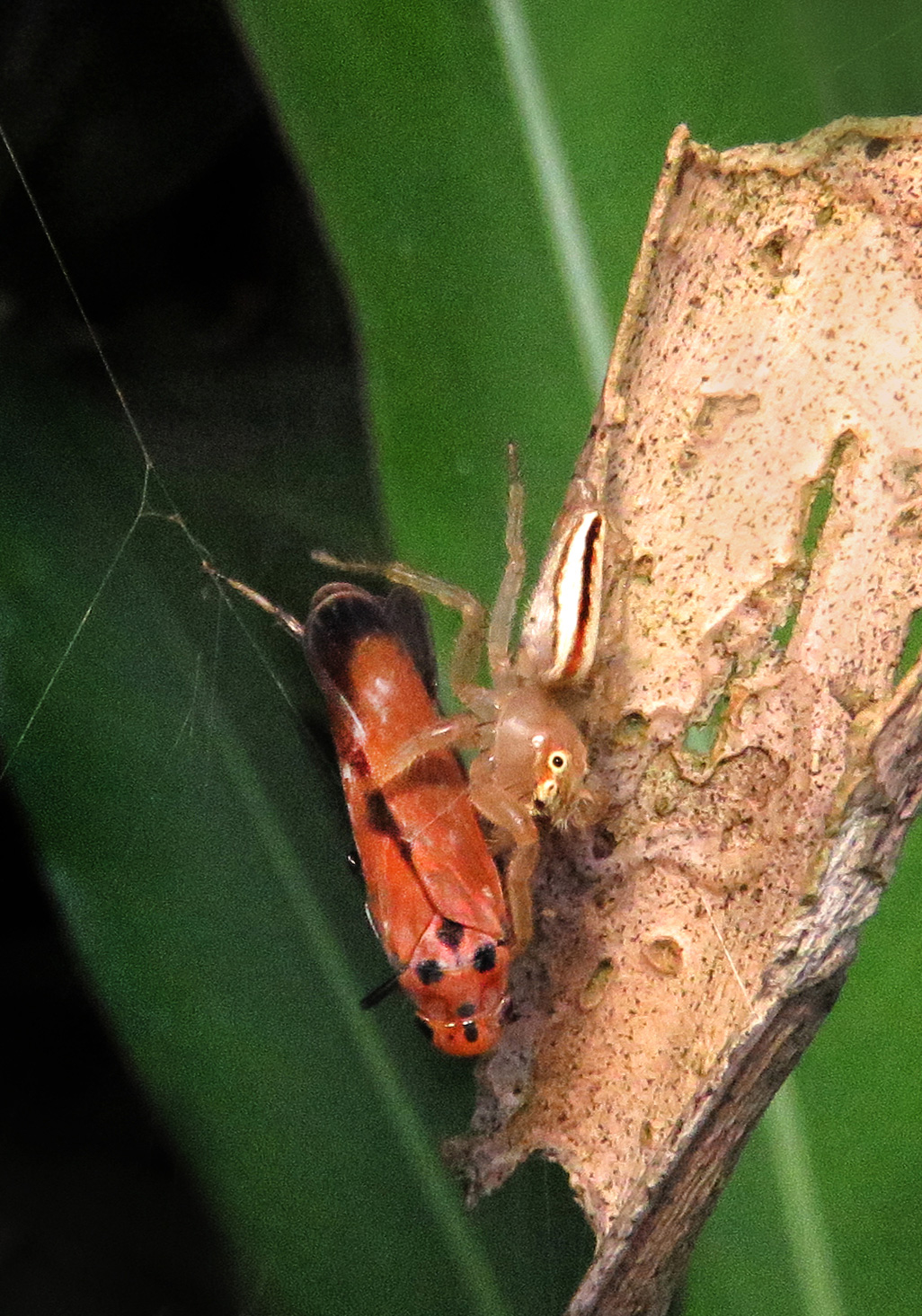
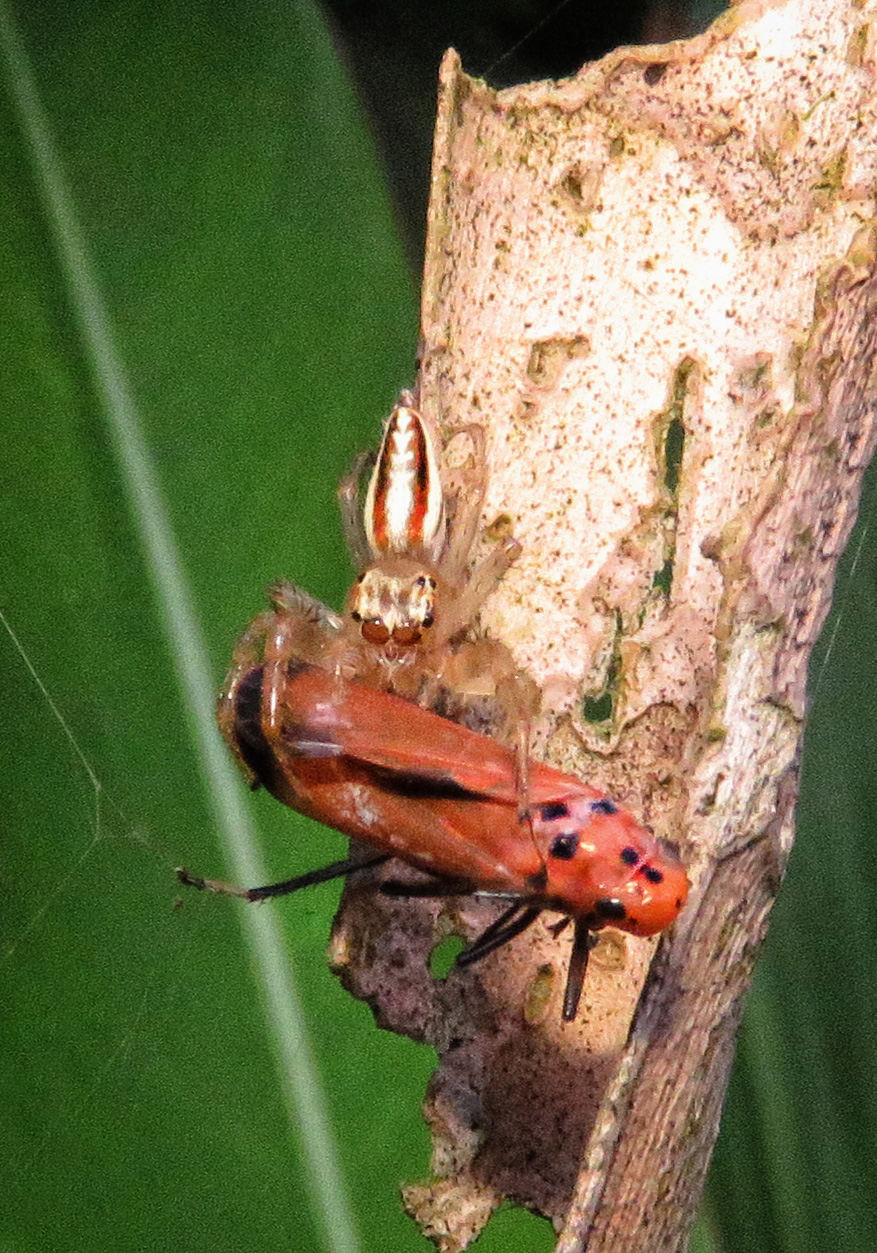
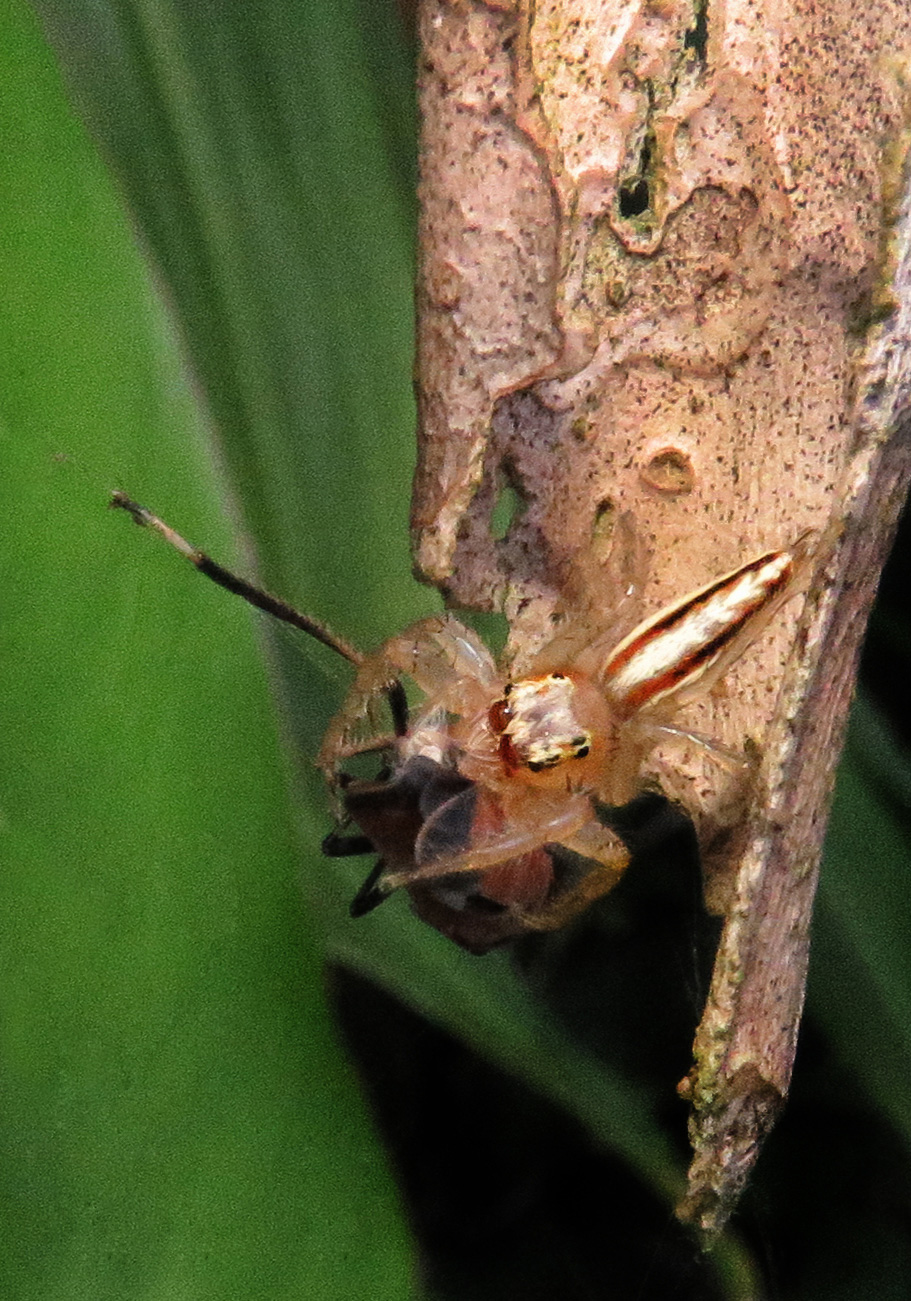
Plexippini is a tribe of jumping spiders within the family Salticidae and subfamily Salticinae. The tribe is widely distributed across tropical and subtropical regions of the Old World and has also been introduced to many other parts of the world. Species of Plexippini are commonly found in a wide range of habitats, including forests, grasslands, coastal areas, agricultural fields, gardens, and urban environments, where many species live in close association with human structures.
Members of Plexippini are generally medium to large-sized jumping spiders with a robust and compact body form. Coloration varies from cryptic browns and grays to boldly patterned species with contrasting bands, spots, or iridescent highlights. The cephalothorax is typically high and broad, and the abdomen is oval to elongate, often bearing distinct markings. Legs are strong and well developed, providing powerful jumping ability.
Morphologically, Plexippini are characterized by distinctive male palpal organs and female epigynes that define the tribe and its constituent genera. These genital features, together with overall body proportions and eye arrangement typical of salticids, are essential for taxonomic identification. Sexual dimorphism is common, with males often more contrastingly patterned or ornamented than females.
Behaviorally, spiders of the tribe Plexippini are active, diurnal visual hunters. They do not build prey-catching webs, instead relying on stalking behavior and precise jumps to capture prey. Many species show bold and inquisitive behavior, readily moving across open surfaces. Courtship displays are visually oriented and may involve leg waving, body vibrations, and dynamic movements to communicate with potential mates.
Ecologically, Plexippini play an important role as predators of insects and other small arthropods in both natural and human-modified ecosystems. The tribe includes some of the most familiar and widespread jumping spiders, such as Plexippus, Hyllus, and related genera, making it one of the most recognizable and ecologically versatile groups within the jumping spiders.