Bali Wildlife
Every Spices Matter


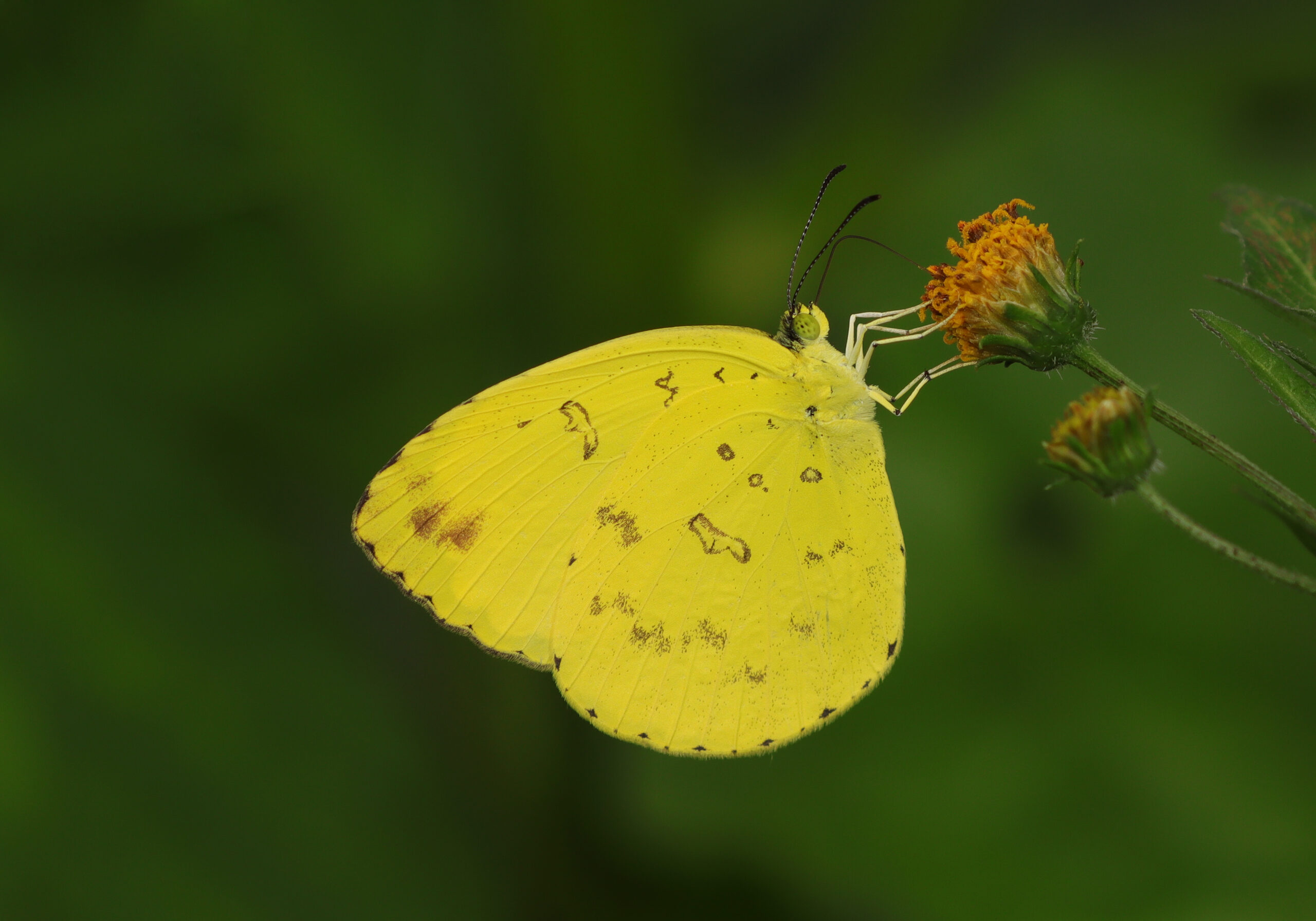
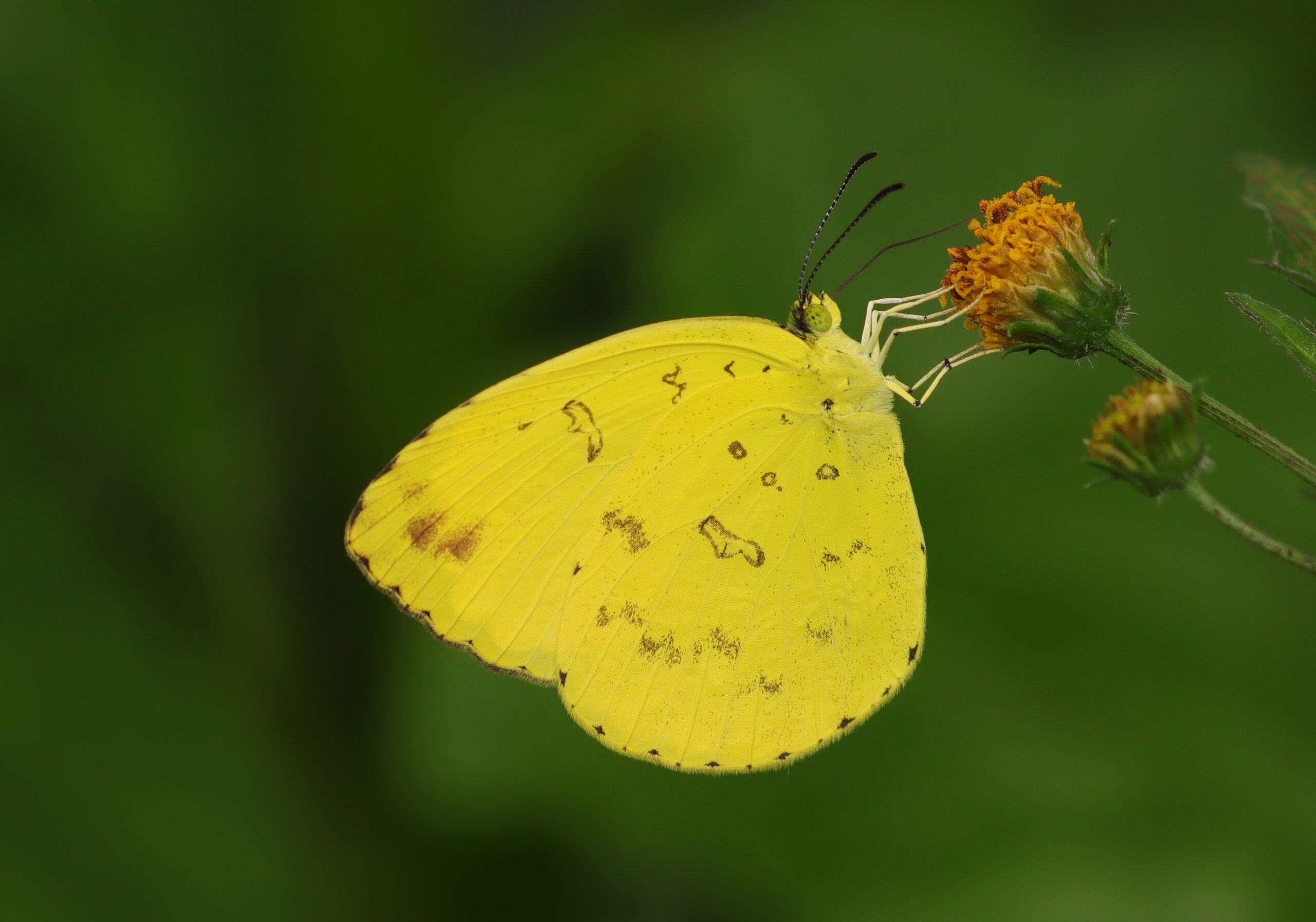
Pieridae is a family of butterflies within the superfamily Papilionoidea (Order Lepidoptera), commonly known as the whites, yellows, and orange tips. The family comprises more than 1,200 described species distributed on every continent except Antarctica, with the greatest diversity occurring in tropical and subtropical regions. Members inhabit a wide variety of environments, including tropical rainforests, temperate woodlands, grasslands, savannas, wetlands, deserts, agricultural fields, parks, gardens, and mountainous regions.
Butterflies of the family Pieridae are generally small to medium-sized and are characterized by a slender body and relatively broad wings. Their coloration is dominated by shades of white, yellow, orange, and cream, often accented with black borders, spots, or vein markings. Some tropical species display brilliant green or iridescent hues on the underside of the wings, providing effective camouflage among foliage. Males and females frequently differ in coloration and wing pattern, with males often being more brightly colored.
Adults are diurnal and are active, agile fliers that commonly visit flowering plants to feed on nectar using their long, coiled proboscis. Many species undertake seasonal migrations or local dispersal in response to rainfall and the availability of host plants. Males frequently engage in mud-puddling, gathering on damp soil, stream banks, or animal droppings to obtain sodium and other minerals important for reproduction.
The life cycle involves complete metamorphosis, consisting of egg, larva (caterpillar), pupa (chrysalis), and adult stages. Females lay eggs singly or in small clusters on the leaves, flower buds, or stems of host plants. Caterpillars are smooth-bodied, usually green or yellowish, and feed on a variety of flowering plants. Most species utilize host plants in the families Brassicaceae, Fabaceae, Capparaceae, Rhamnaceae, and Santalaceae, depending on the genus. Pupation occurs on stems, leaves, or other vegetation, where the chrysalis is attached by a silken girdle and cremaster.
The family is divided into several major subfamilies, including Pierinae (whites and orange tips), Coliadinae (yellows and sulphurs), Dismorphiinae, and Pseudopontiinae. Representative genera include Pieris, Eurema, Catopsilia, Delias, Appias, Cepora, Colias, and Anthocharis. Some species, such as the cabbage whites (Pieris spp.), are well known agricultural pests, while others are important pollinators in natural ecosystems.
Ecologically, Pieridae butterflies are significant pollinators of flowering plants and contribute to plant reproduction across diverse habitats. Their caterpillars play important roles as herbivores and influence plant community dynamics, while both larvae and adults provide food for birds, reptiles, spiders, predatory insects, and parasitoids. Their abundance, sensitivity to environmental change, and close association with specific host plants make pierid butterflies valuable indicators of ecosystem health, habitat quality, and biodiversity.