Bali Wildlife
Every Spices Matter


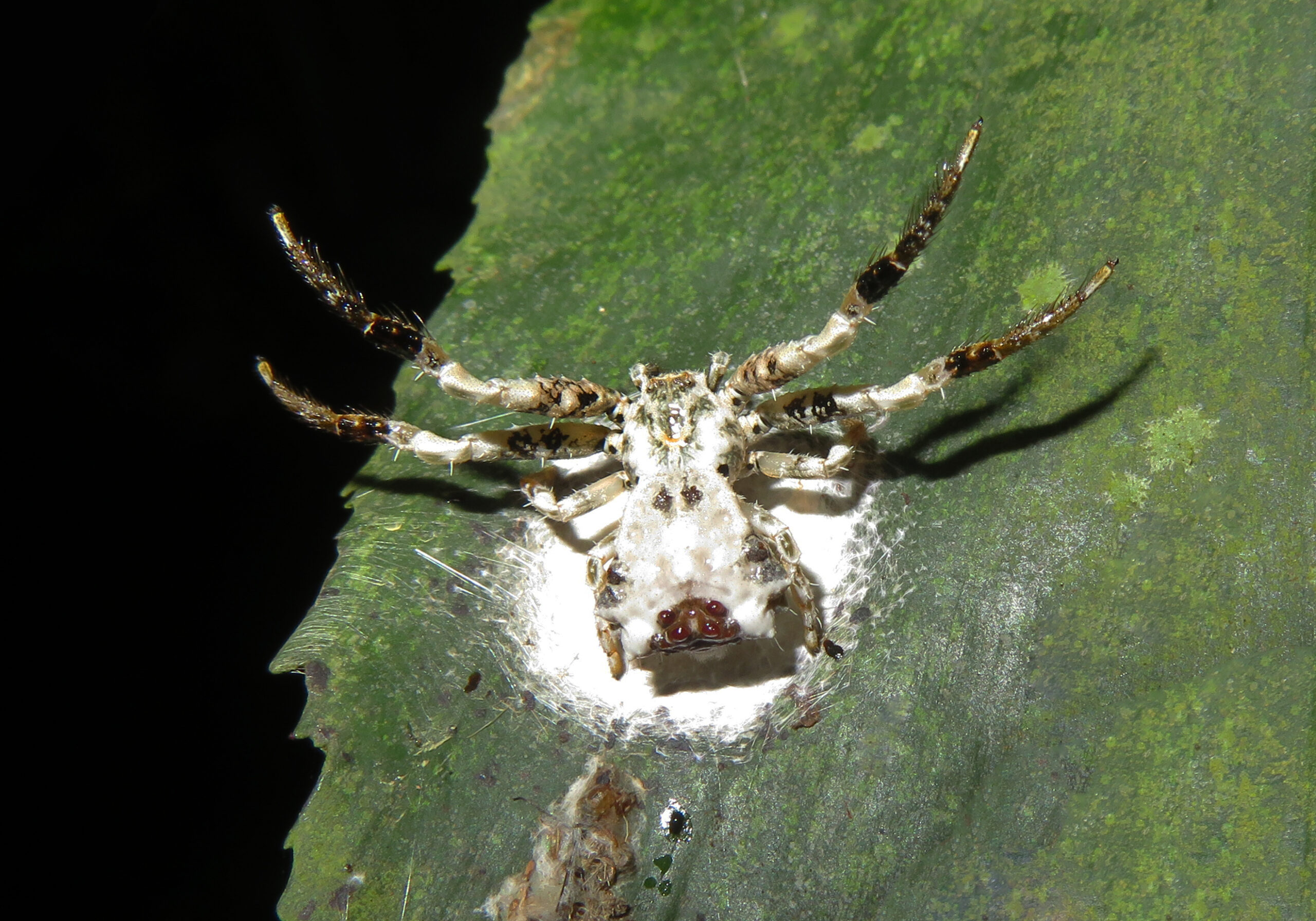
Phrynarachne is a genus of crab spiders belonging to the subfamily Stephanopinae (Family Thomisidae, Order Araneae). The genus is primarily distributed in South and Southeast Asia, with species recorded from regions such as India, Sri Lanka, China, Thailand, Malaysia, Indonesia, and surrounding areas. Phrynarachne species are typically associated with forested habitats, where they inhabit tree trunks, branches, leaf litter, and other textured substrates.
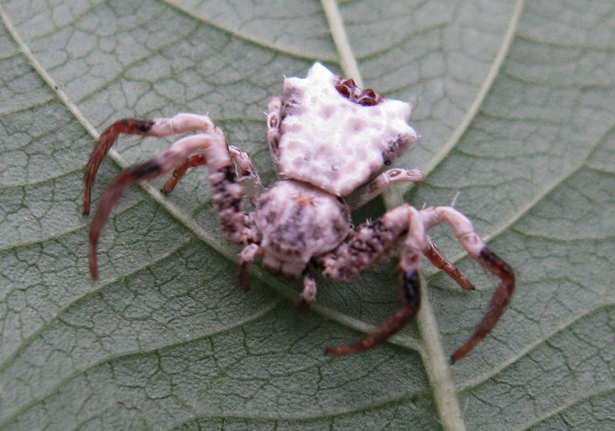
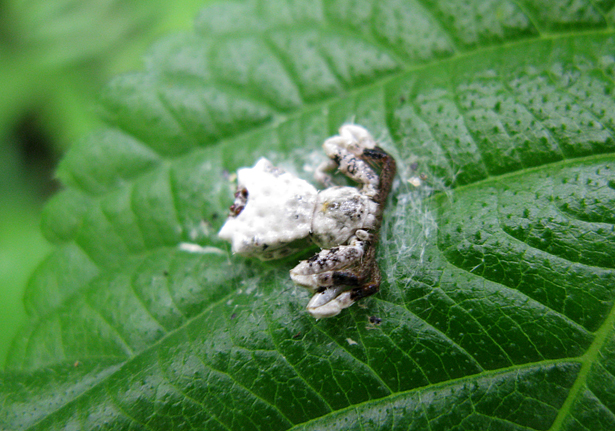
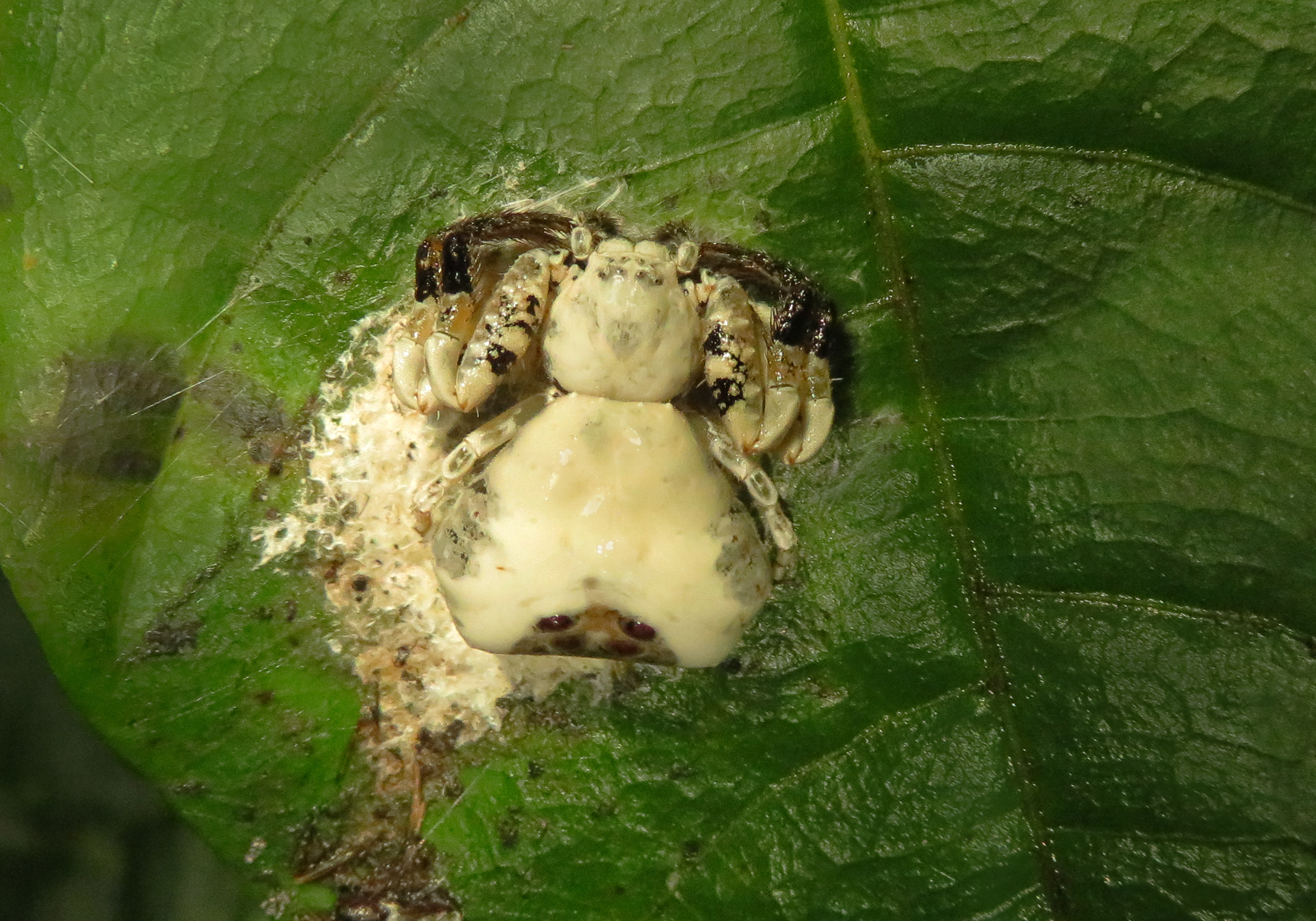
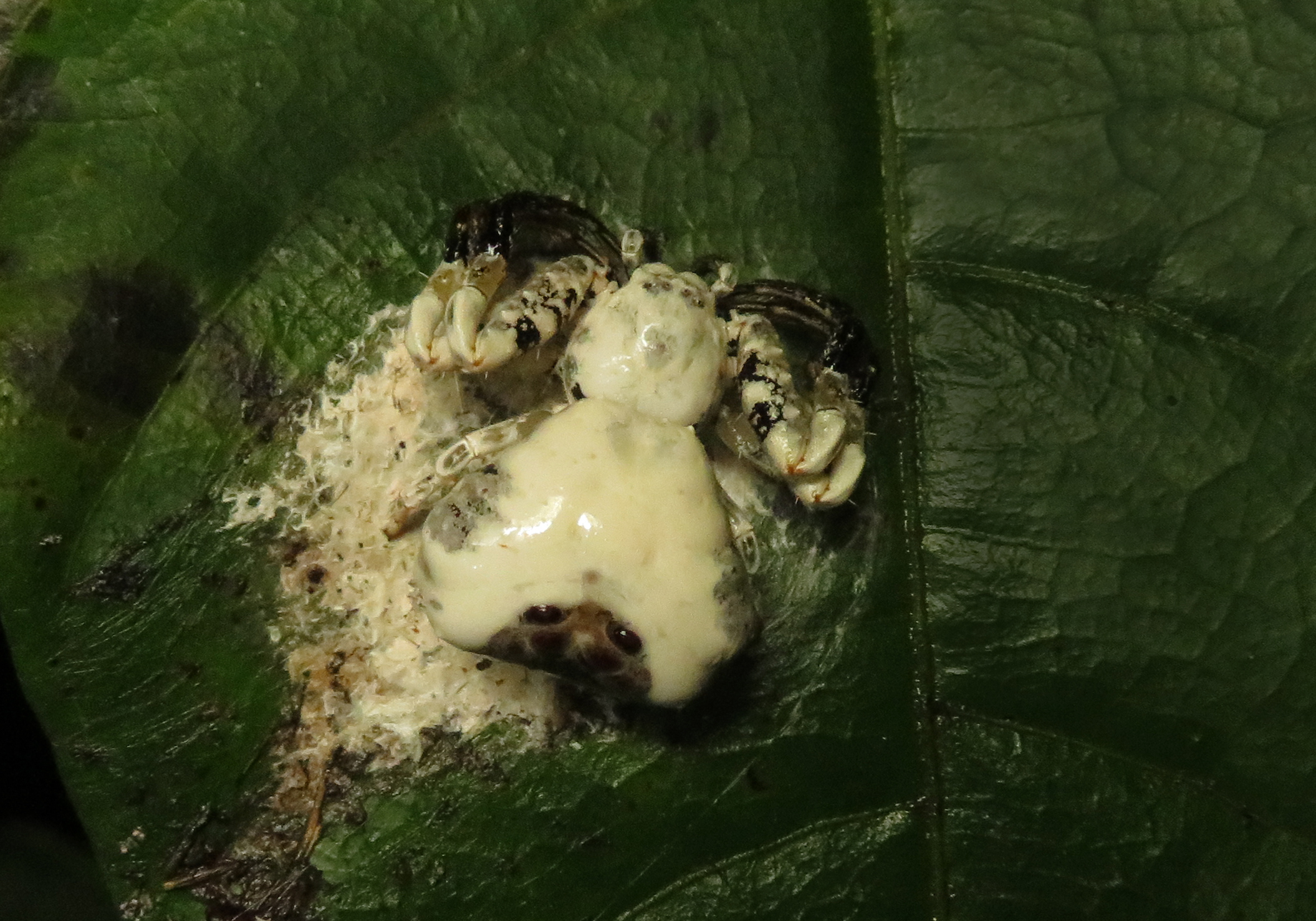
Members of the genus Phrynarachne are easily recognized by their unusual and highly specialized morphology. The body is broad, flattened, and often irregular in shape, with pronounced tubercles, lobes, or warty projections. This rough, uneven surface, combined with mottled brown, gray, or whitish coloration, gives these spiders a strong resemblance to bird droppings, bark, or debris. This form of aggressive mimicry provides effective camouflage against both predators and prey.
Phrynarachne spiders are ambush predators and do not construct prey-capture webs. They rely on their cryptic appearance and complete immobility while waiting for prey to approach. Prey consists mainly of insects and other small arthropods, which are seized suddenly using the strong, laterigrade front legs and subdued with venom. Silk is used primarily for draglines, retreats, and egg sac construction.
Sexual dimorphism is present, with females generally larger and more robust than males. Reproduction follows the entelegyne pattern typical of advanced araneomorph spiders. Females lay egg sacs that are usually attached to bark, leaves, or concealed in crevices, where they may be guarded.
Ecologically, Phrynarachne species play an important role as predators within forest ecosystems. Their remarkable mimicry and specialized morphology make them one of the most distinctive genera of crab spiders, contributing to the diversity and evolutionary interest of the family Thomisidae.