Bali Wildlife
Every Spices Matter


Pentatomoidea is a prominent superfamily within the infraorder Pentatomomorpha, comprising insects commonly known as stink bugs and their close relatives. Members of this superfamily are generally recognized by their robust, often shield-shaped bodies and the presence of well-developed scent glands that produce strong odors as a defensive mechanism.
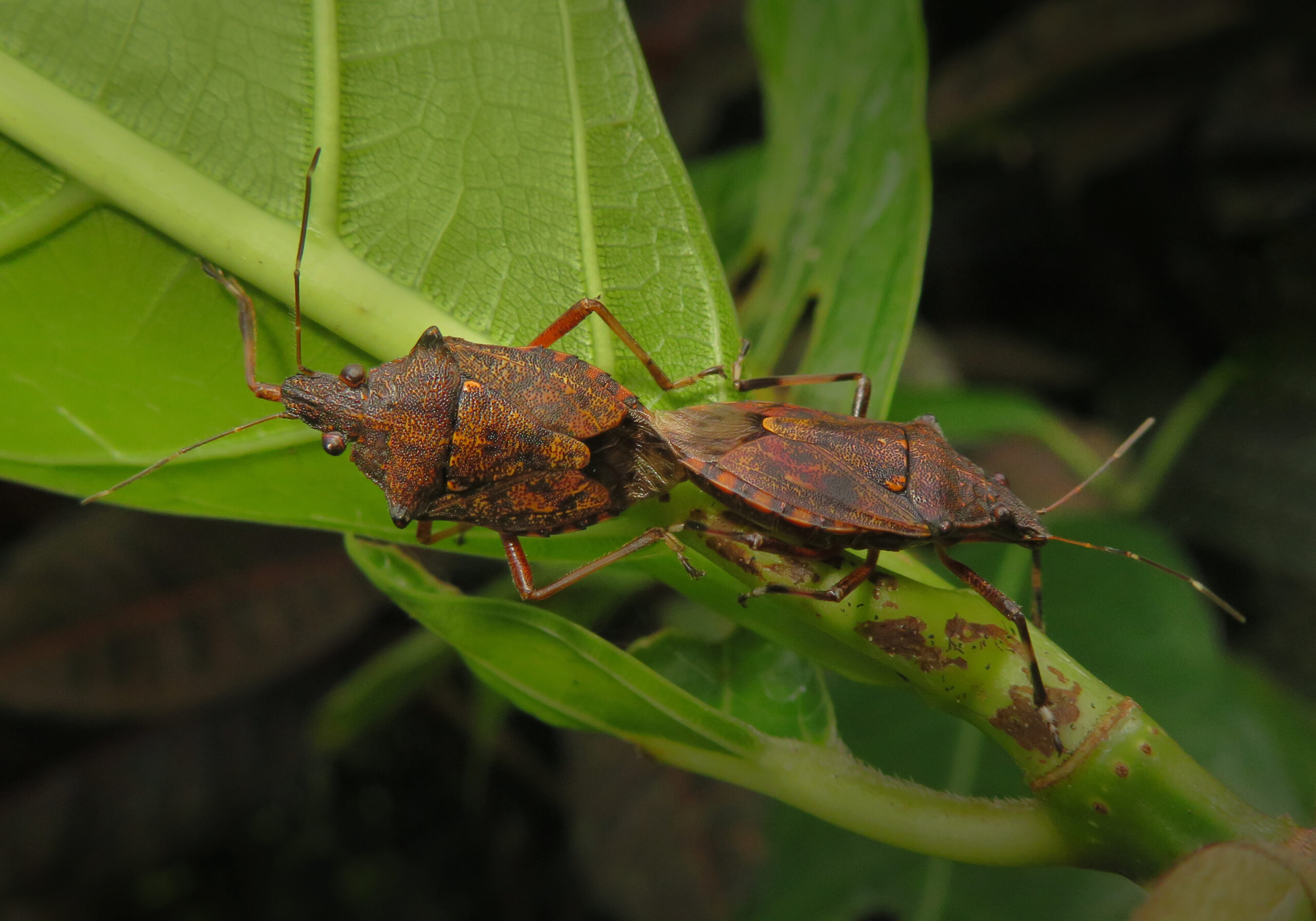
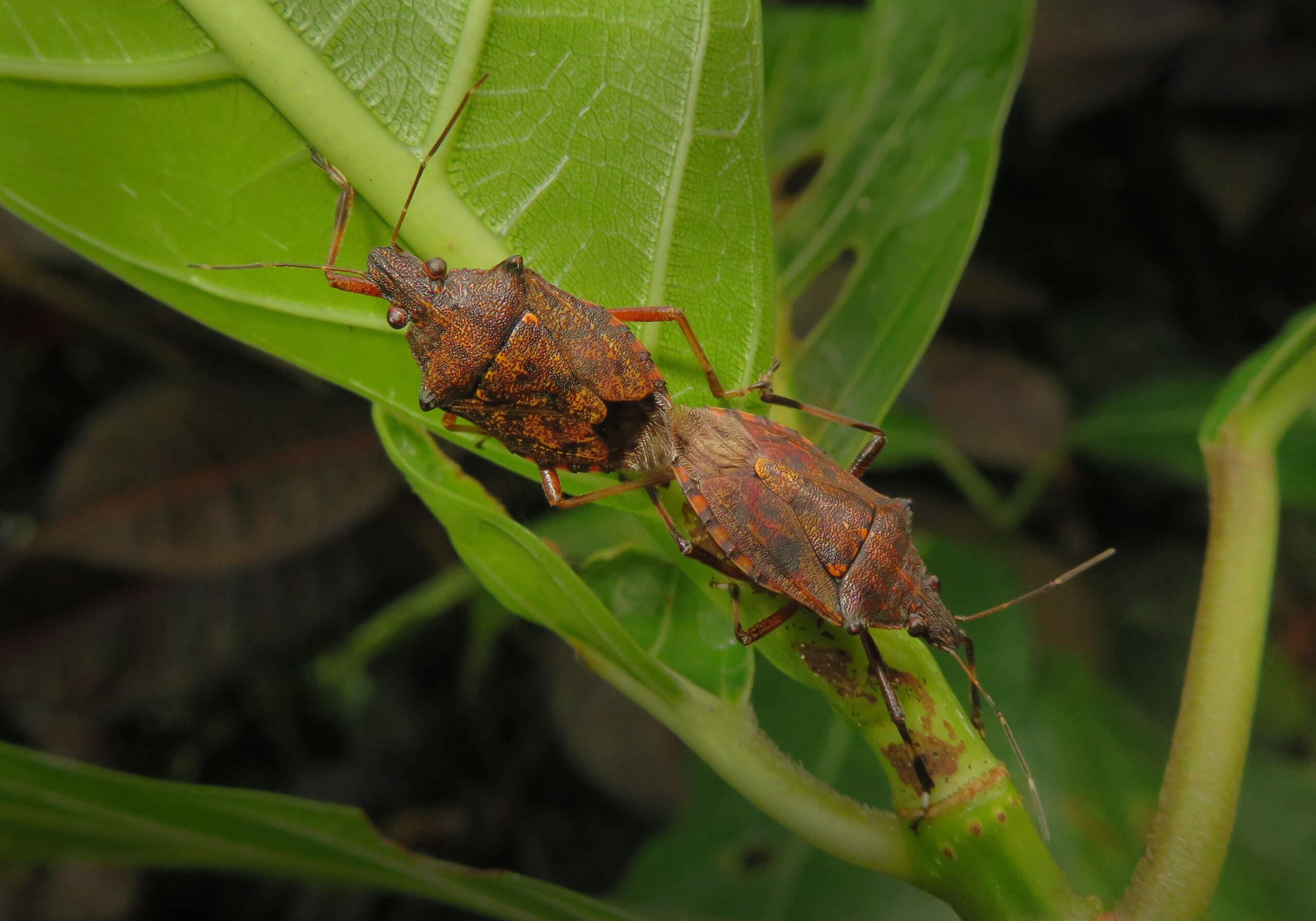
Pentatomoid bugs typically have a broad, flattened body, a triangular scutellum that may be moderately sized or greatly enlarged, and hemelytrous forewings with a thickened basal portion and a membranous tip. The head bears compound eyes, a pair of segmented antennae (usually five-segmented), and piercing–sucking mouthparts adapted primarily for feeding on plant tissues, seeds, or fruits. In some groups, feeding habits may include predation or omnivory.
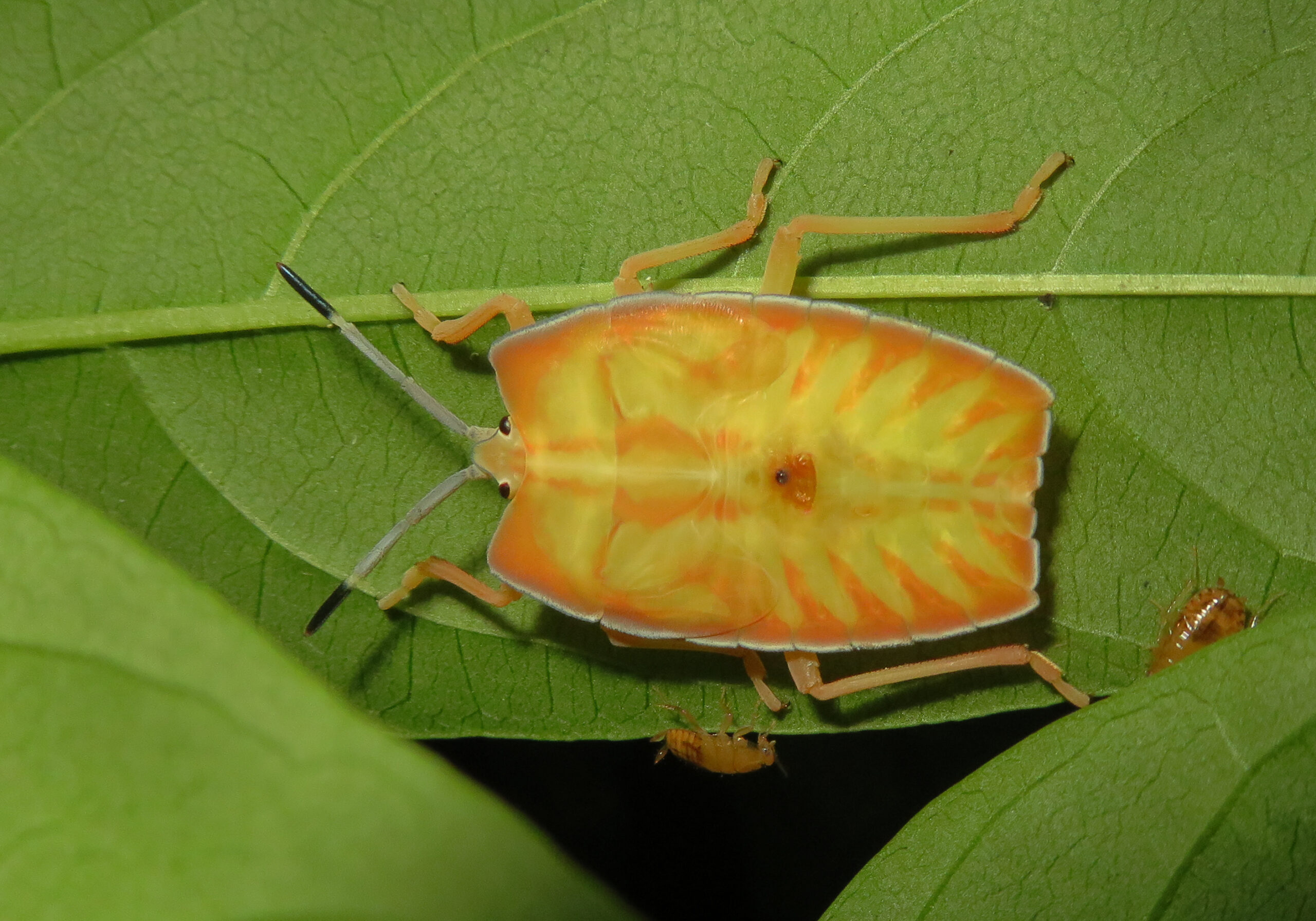
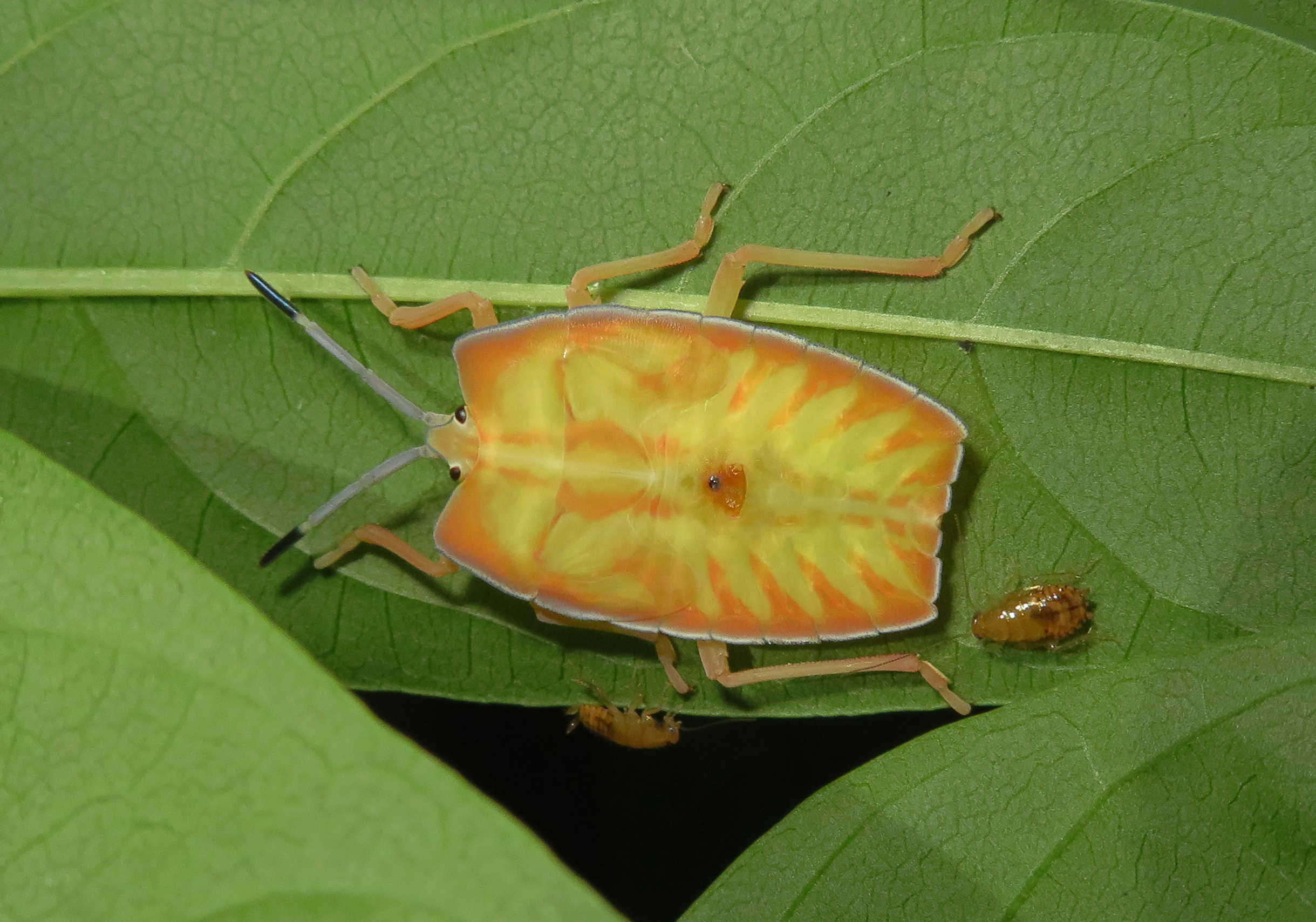
Development in Pentatomoidea is hemimetabolous, progressing through egg, nymph, and adult stages. Nymphs resemble adults in general body form but lack fully developed wings and reproductive organs, and often exhibit different coloration or patterning. Many species are closely associated with specific host plants, and seasonal life cycles are common.
Ecologically, members of Pentatomoidea play important roles as herbivores and seed feeders within terrestrial ecosystems, as well as serving as prey for a variety of predators. Several species are of significant agricultural importance, as their feeding can cause damage to crops, fruits, and ornamental plants. The superfamily includes notable families such as Pentatomidae, Scutelleridae, Acanthosomatidae, and Cydnidae, reflecting a wide range of morphological diversity and ecological adaptations.