Bali Wildlife
Every Spices Matter


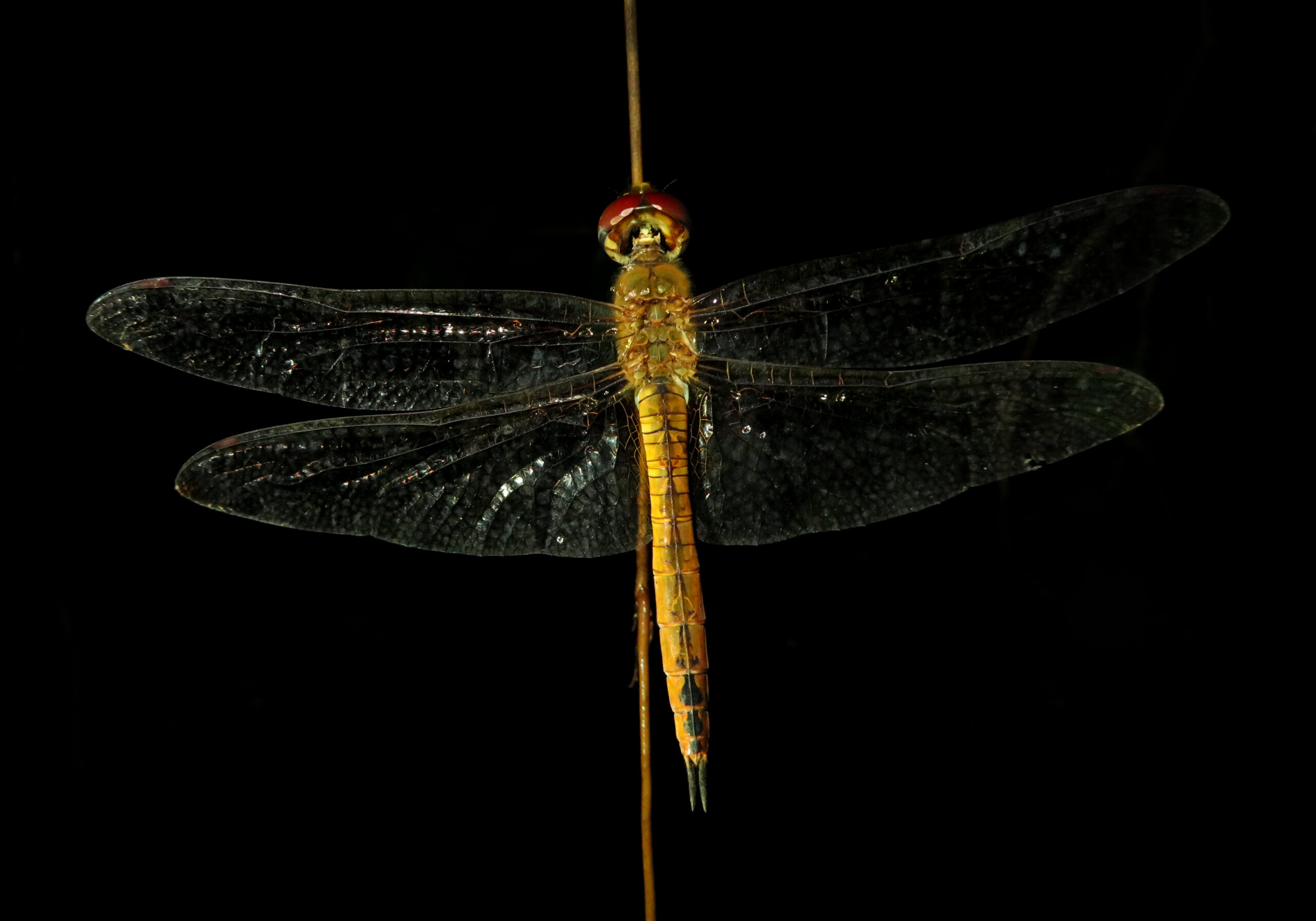
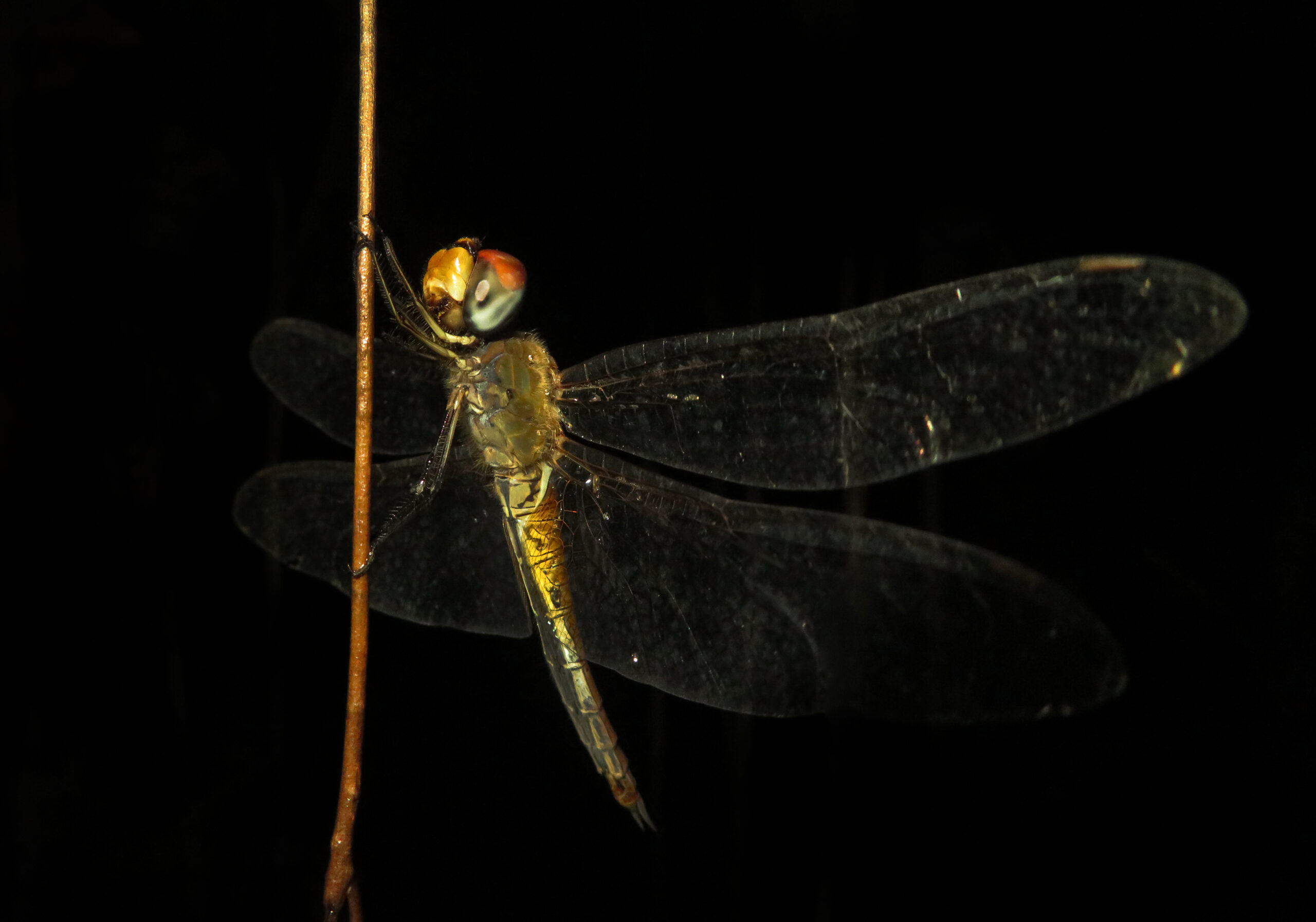
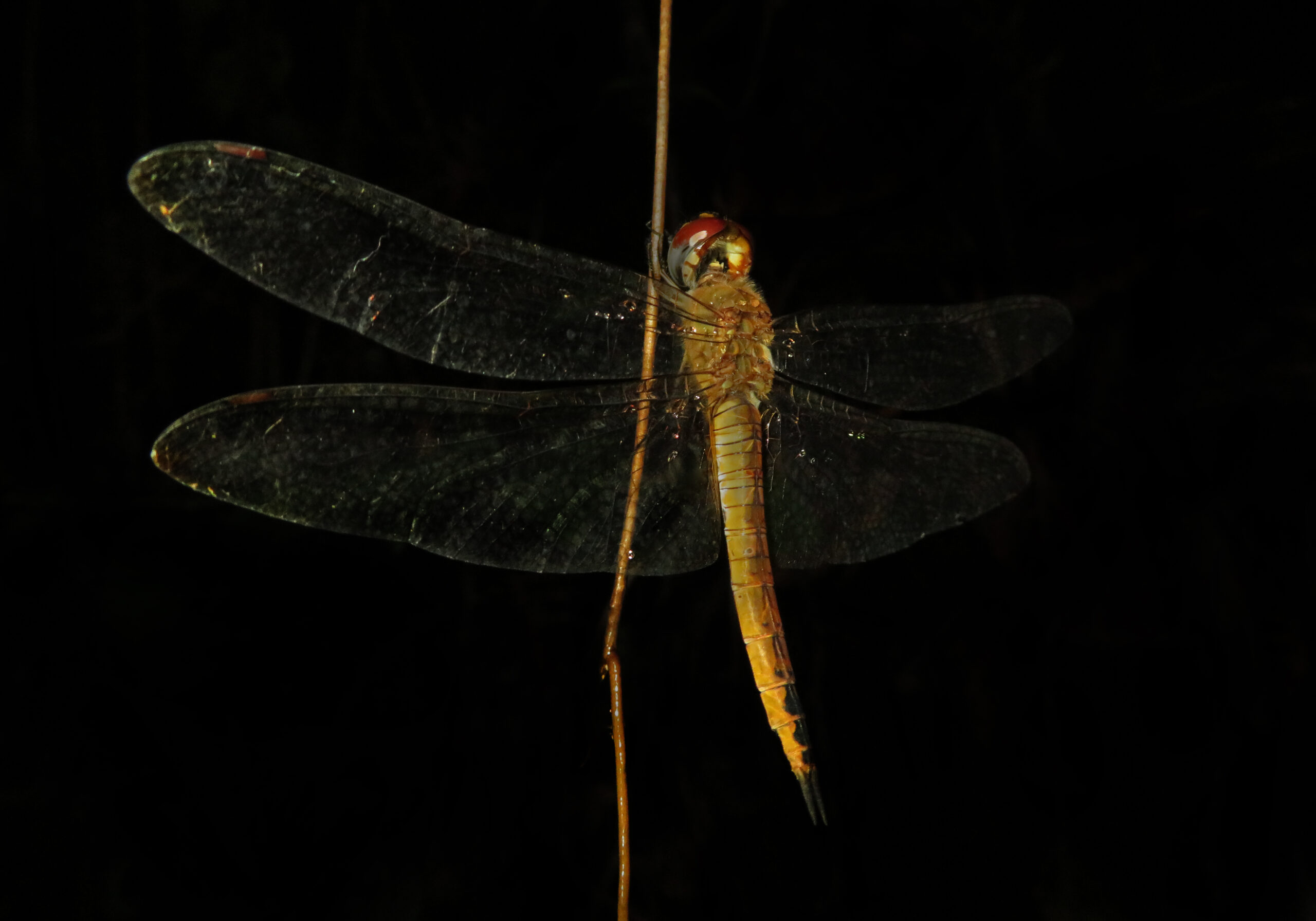
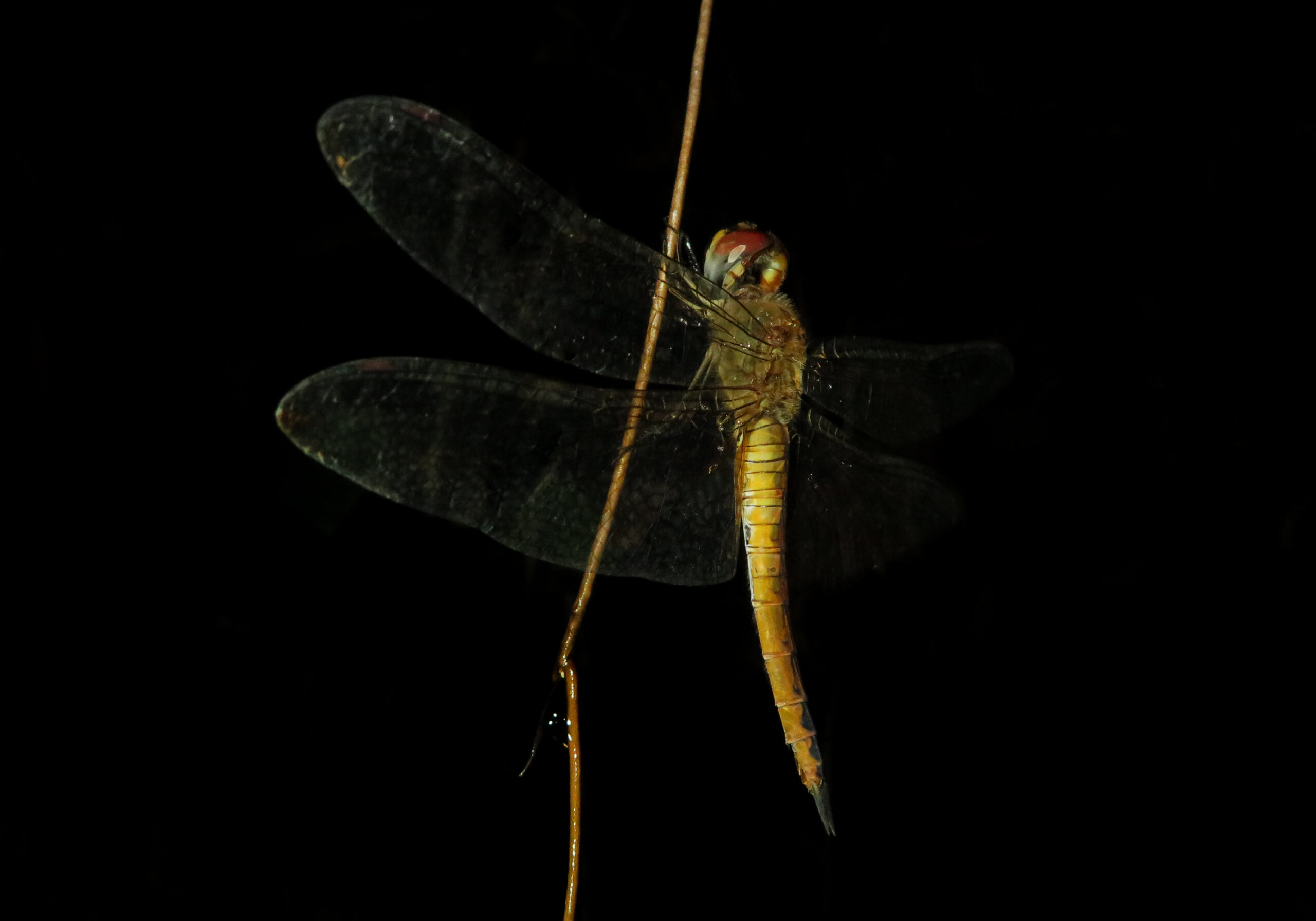
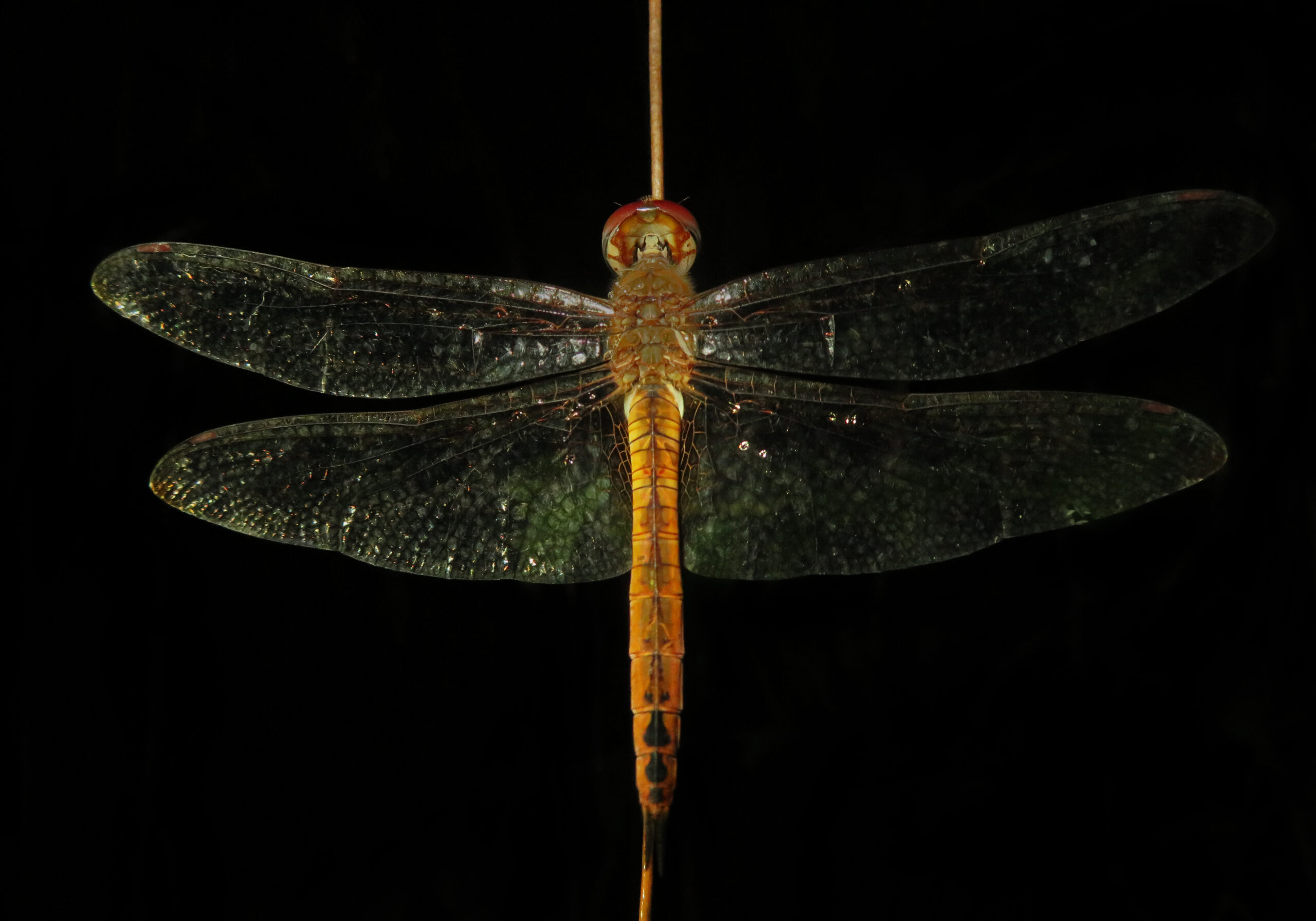
Pantala is a genus of dragonflies within the family Libellulidae (Superfamily Libelluloidea, Suborder Anisoptera, Order Odonata). The genus contains only two recognized species, Pantala flavescens and Pantala hymenaea. These dragonflies are distributed across tropical, subtropical, and temperate regions of the world, inhabiting ponds, lakes, marshes, temporary pools, rice fields, slow-moving streams, and other freshwater wetlands. Pantala flavescens is particularly notable for being the most widespread dragonfly species on Earth.
Dragonflies of the genus Pantala are medium-sized and are distinguished by their slender body, long narrow abdomen, and broad transparent wings adapted for prolonged flight. Their wings are relatively long in proportion to the body, allowing efficient gliding and long-distance migration. Body coloration is generally yellowish-brown, golden, or reddish-brown, with mature males often developing bluish pruinescence on parts of the abdomen. The compound eyes are large and provide excellent vision for detecting prey while flying.
Adults are powerful aerial predators and spend much of their lives in continuous flight. They feed on mosquitoes, flies, midges, termites, ants, and other small flying insects, capturing prey with their spiny legs while airborne. They are commonly observed flying over open water, grasslands, agricultural fields, and even coastal areas, often at considerable heights.
The life cycle involves incomplete metamorphosis, consisting of egg, aquatic nymph (naiad), and adult stages. Females lay eggs in temporary pools, flooded fields, ponds, or other freshwater bodies. The aquatic nymphs are active predators that feed on insect larvae, small crustaceans, tadpoles, and other aquatic organisms. Development is remarkably rapid, particularly in Pantala flavescens, allowing the species to exploit short-lived rain-filled pools before they dry out.
The genus is best known for the extraordinary migratory behavior of Pantala flavescens, the Wandering Glider, which undertakes transcontinental and transoceanic migrations spanning thousands of kilometers. These migrations are closely linked to seasonal rainfall and monsoon systems, making it one of the longest-distance migrating insects known.
Ecologically, Pantala dragonflies are important predators that help regulate populations of mosquitoes and other flying insects in both aquatic and terrestrial ecosystems. Their larvae contribute to the control of aquatic invertebrates, while both nymphs and adults serve as prey for fish, amphibians, birds, reptiles, spiders, and larger insects. Their remarkable dispersal ability, ecological adaptability, and dependence on freshwater habitats make Pantala an important component of wetland ecosystems and a valuable indicator of environmental change.