Bali Wildlife
Every Spices Matter


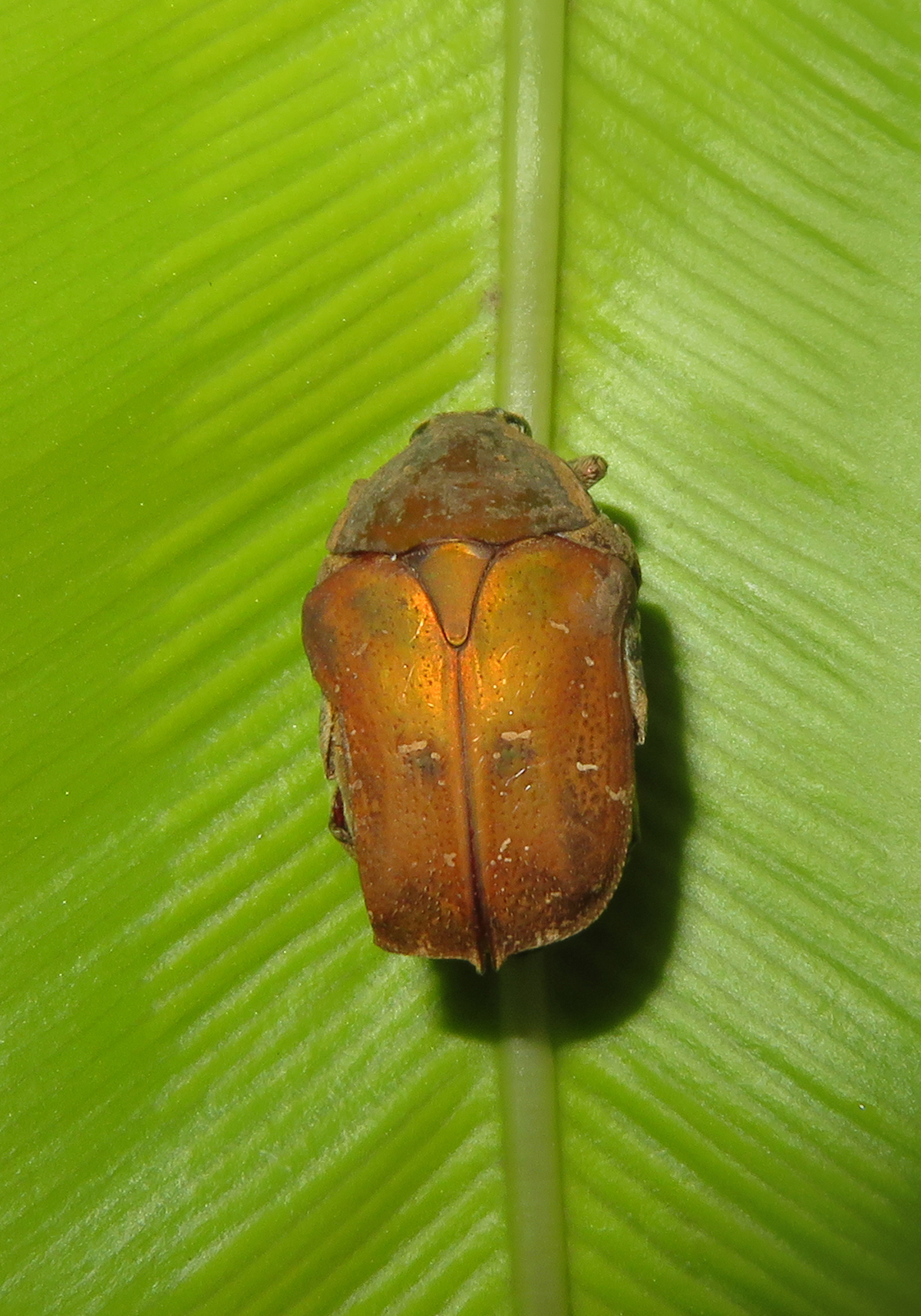
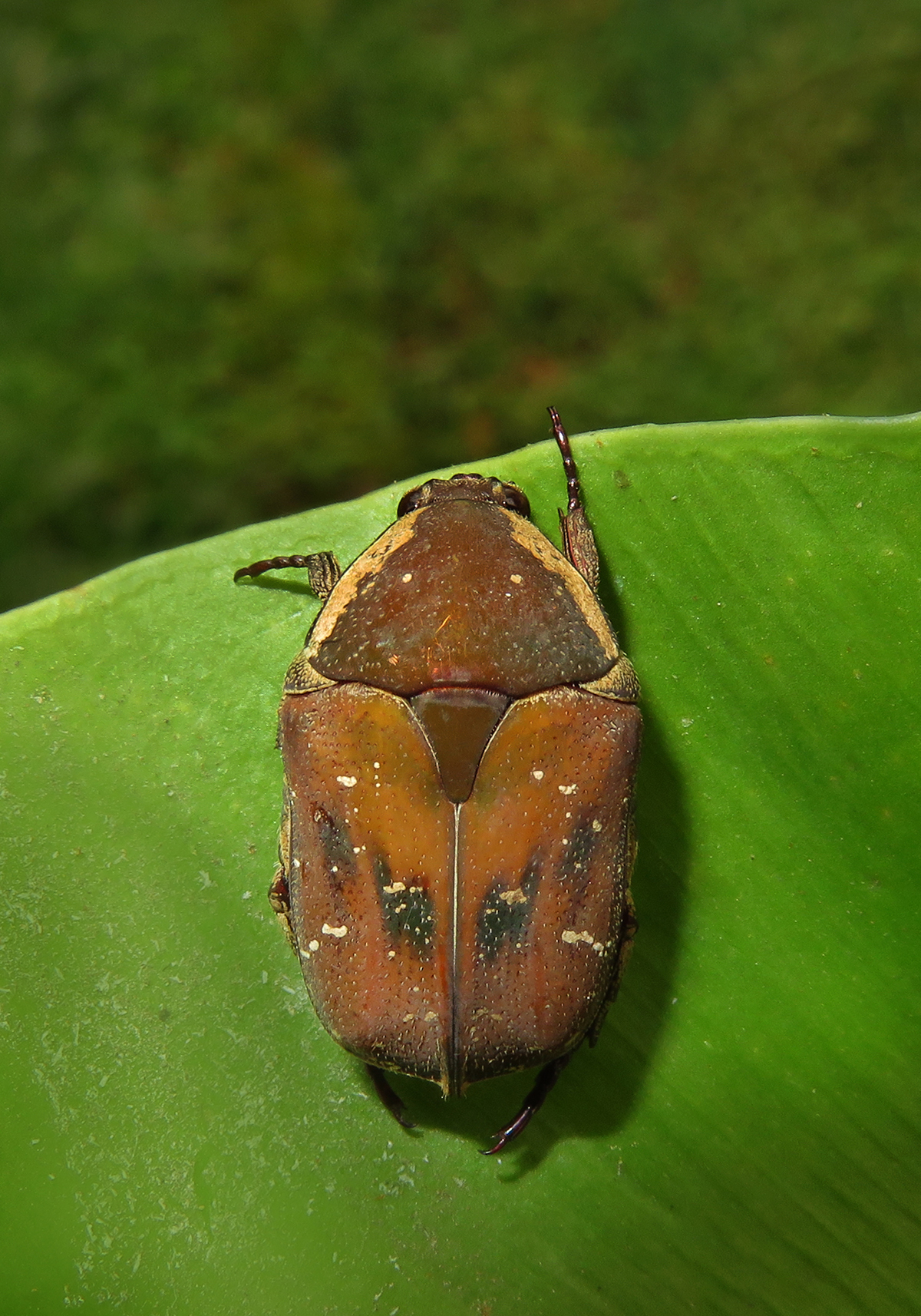
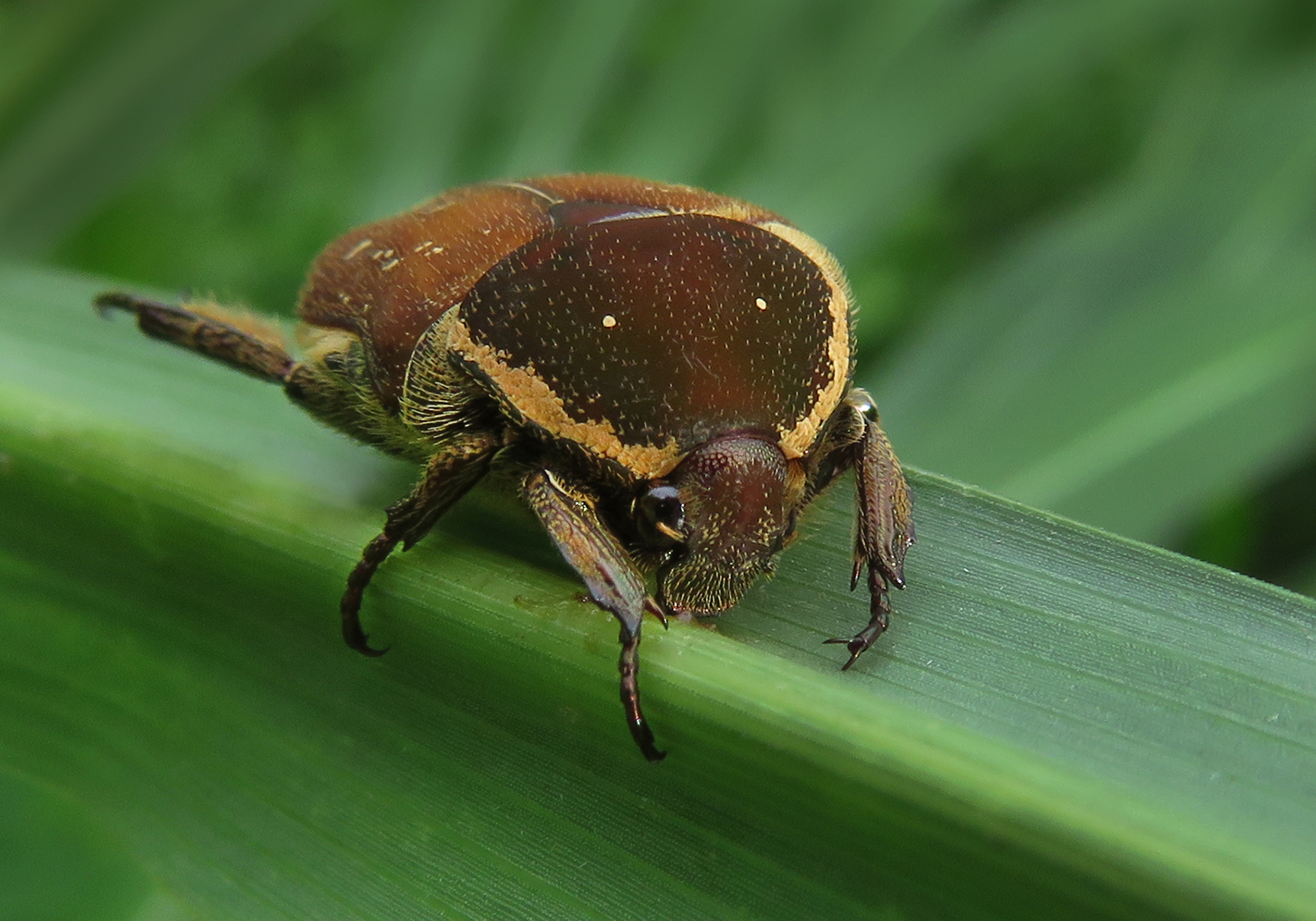
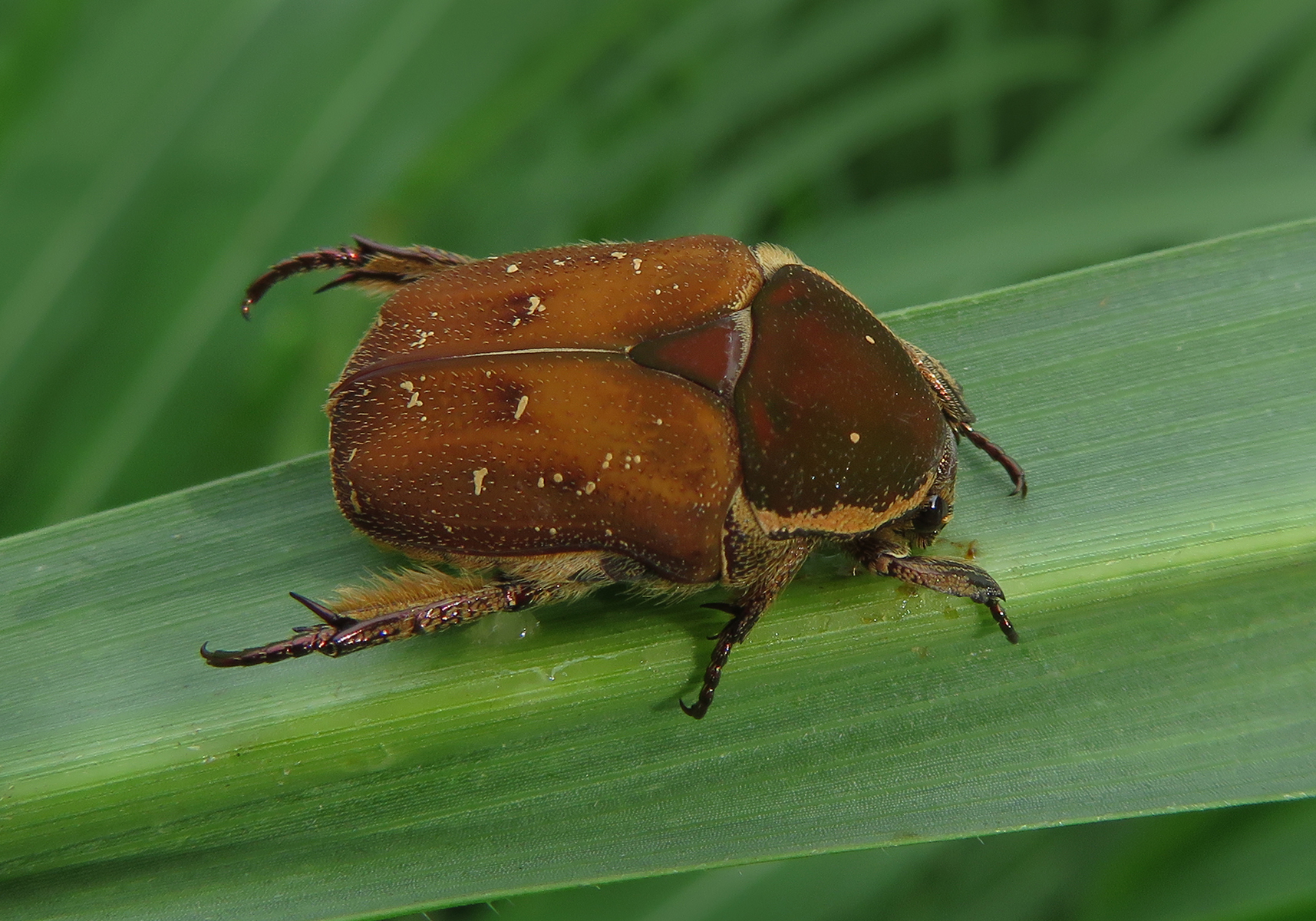
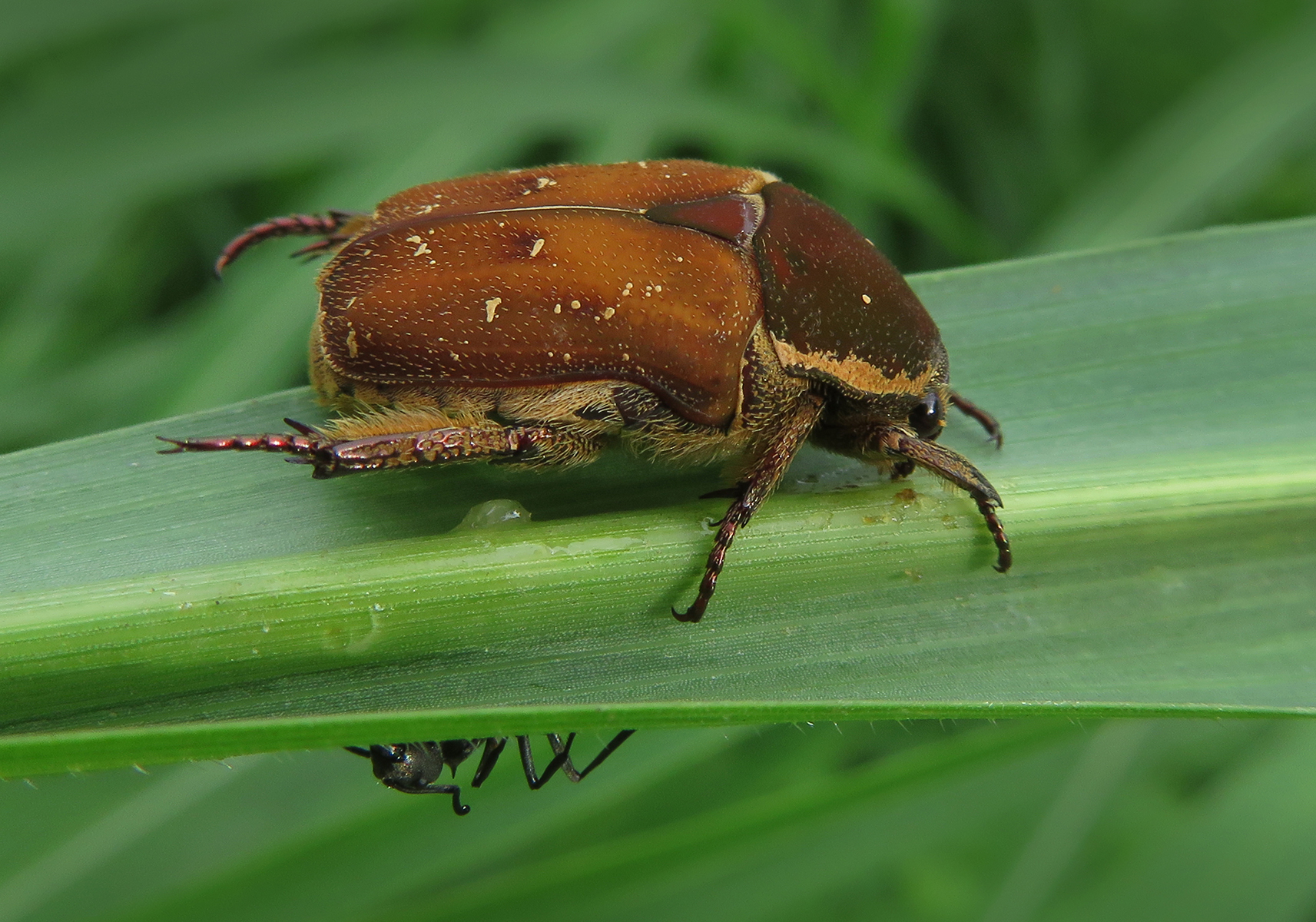
Pachyprotaetia is a subgenus within the genus Protaetia (Subtribe Cetoniina, Tribe Cetoniini, Subfamily Cetoniinae, Family Scarabaeidae, Order Coleoptera). It comprises a group of medium- to large-sized flower chafers distributed primarily in Asia, especially in tropical and subtropical regions.
Members of Pachyprotaetia are generally characterized by a robust and compact body form, often broader and more heavily built compared to some other subgenera of Protaetia. The dorsal surface is typically smooth to moderately punctate and may appear matte or slightly glossy. Coloration varies among species but commonly includes dark brown, black, bronze, or metallic green tones, sometimes with pale markings or subtle patterning.
The elytra are well developed and streamlined, allowing efficient flight. Like other flower chafers, species in this subgenus can fly without fully lifting their elytra, as the hind wings extend through lateral openings beneath the wing covers.
Adults are usually diurnal and are found on flowers, sap flows, and fermenting fruits, feeding on nectar, pollen, and soft plant material. Larvae are typical scarab grubs (C-shaped) that develop in decaying wood, compost, or humus-rich soil, where they feed on decomposing organic matter.
The life cycle includes complete metamorphosis: egg, larva, pupa, and adult. Species of Pachyprotaetia contribute to ecological processes such as decomposition and, in some cases, pollination.
Subgenus Pachyprotaetia represents a distinct lineage within Protaetia, notable for its sturdy body form and adaptation to forested and tropical habitats.